Let's be honest. The thought of cooking Indian food can be overwhelming. A wall of unfamiliar spices at the store, recipes with twenty ingredients, the fear of ending up with a bland or, worse, a bitter curry. I've been there. My first attempt at a chicken curry was a sad, watery affair that tasted mostly of tomato paste. But after years of learning (and many mistakes), I realized authentic Indian cooking isn't about complexity—it's about understanding a few key principles. This guide is the one I wish I had. We'll cut through the noise, focus on the essentials, and cook dishes that are genuinely delicious, not just approximations.
What's Inside This Guide?
Indian Food is More Than Just "Curry"
First, let's ditch the single label. Indian cuisine is a collection of regional styles. A coconut-based fish curry from Kerala tastes nothing like a mustard-oil flavored mustard greens dish from Punjab. What unites them is the intelligent layering of flavors. It's rarely about dumping all spices in at once. You start with whole spices sizzling in oil to release their base aroma (we call this "tadka" or "baghaar"). Then you add powdered spices, which cook briefly to lose their raw edge. Finally, you layer in main ingredients and herbs. Think of it like building a house: foundation, walls, then the roof.
Your Indian Spice Pantry: The 8 Non-Negotiables
You don't need fifty jars. Start with these. Buy whole spices where possible (like cumin seeds, coriander seeds) and grind them in a small coffee grinder for maximum flavor. The pre-ground stuff loses its punch fast.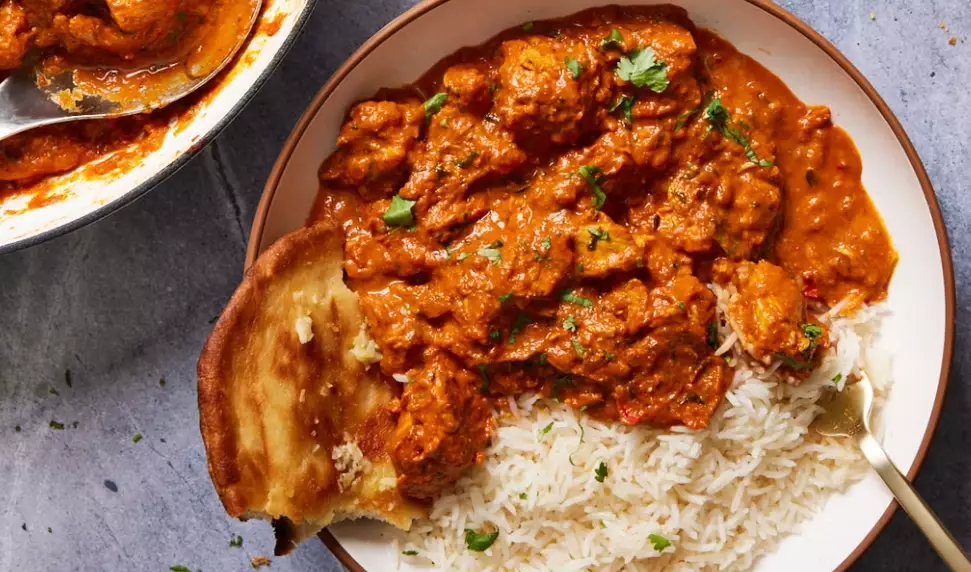
| Spice | Form to Buy | What It Does | Pro Tip |
|---|---|---|---|
| Cumin Seeds | Whole seeds | Earthy, nutty base for countless dishes. The workhorse. | Toast them dry in a pan until fragrant before grinding or adding to oil. Don't let them burn. |
| Coriander Seeds | Whole seeds | Citrusy, floral backbone. Almost always paired with cumin. | Grind with cumin for your own fresh curry powder. The difference is night and day. |
| Turmeric Powder | Ground | Earthy flavor, vibrant yellow color, anti-inflammatory. | Add it early with other powdered spices so it cooks and mellows. Raw turmeric tastes bitter. |
| Garam Masala | Ground blend | A warm spice blend (cinnamon, cardamom, cloves, etc.). The finishing touch. | Sprinkle at the END of cooking, not the start. Heat kills its delicate aroma. |
| Red Chili Powder | Ground (Kashmiri preferred) | Provides heat and a rich red color. | Kashmiri chili powder is milder and gives better color. Mix with paprika for zero heat. |
| Mustard Seeds | Whole seeds (black or yellow) | Poppy, pungent pop. Essential for South Indian and Bengali cooking. | They will splutter and jump. Keep a lid handy when adding to hot oil. |
| Cardamom Pods | Whole green pods | Intensely aromatic, floral, and sweet. | Lightly crush the pod to release flavor before adding to rice or curries. |
| Asafoetida (Hing) | Powder | Pungent raw, transforms into a savory, garlic-onion flavor when cooked. | A tiny pinch goes far. Add to hot oil right at the start of your tadka. |
The One Mistake Everyone Makes: Using spices that are years old. Ground spices lose most of their volatile oils within 6 months. If your cumin powder smells like dust, it will taste like dust. Invest in small quantities from stores with high turnover, or better yet, buy whole and grind as needed.
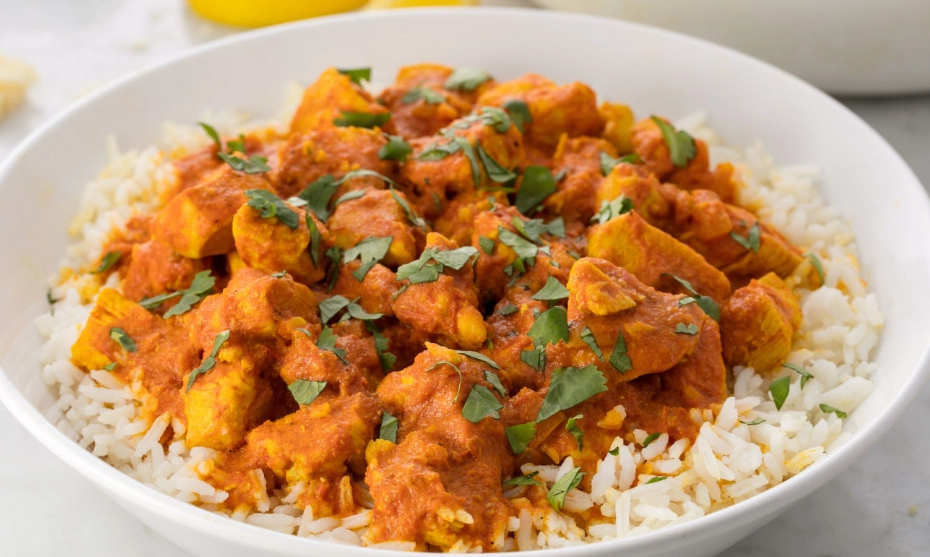
Recipe 1: Foolproof Restaurant-Style Butter Chicken
This is the gateway dish. Creamy, mildly spiced, and universally loved. The secret isn't just butter and cream—it's the char on the chicken and the smoothness of the tomato base.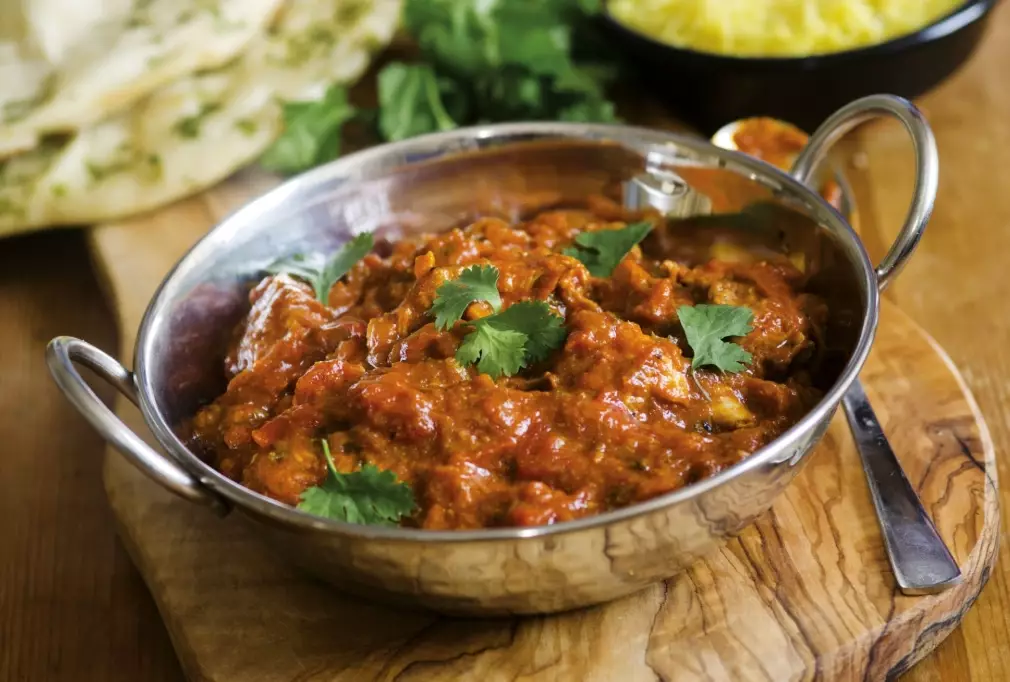
Butter Chicken (Murgh Makhani)
Prep: 20 mins | Cook: 40 mins | Serves: 4
For the Marinade:
- 1.5 lbs (700g) boneless chicken thighs, cut into pieces
- 1 cup plain yogurt (not Greek)
- 2 tbsp ginger-garlic paste (see pro tips below)
- 1 tbsp Kashmiri red chili powder
- 1 tsp turmeric powder
- 1 tsp garam masala
- 1 tsp salt
- 1 tbsp lemon juice
For the Gravy:
- 4 tbsp butter
- 2 tbsp oil
- 2 large onions, finely chopped
- 1.5 lbs (700g) ripe tomatoes, roughly chopped (canned crushed tomatoes work in a pinch)
- 10-12 cashews, soaked in hot water for 15 mins
- 1 tbsp ginger-garlic paste
- 1 tsp cumin powder
- 1 tsp coriander powder
- 1/2 cup heavy cream
- 1 tsp kasuri methi (dried fenugreek leaves), crushed
- Salt and sugar to taste
Steps:
- Marinate: Mix all marinade ingredients with the chicken. Cover and refrigerate for at least 1 hour, ideally overnight.
- Char the Chicken: Preheat your oven broiler or use a grill pan. Shake off excess marinade and cook the chicken pieces until slightly charred at the edges. They don't need to be fully cooked through. Set aside. This step is non-negotiable for that smoky flavor.
- Make the Base: In a large pot, heat 2 tbsp butter and the oil. Add onions and cook on medium-low until golden brown and sweet, about 15 minutes. Patience here is key.
- Blend: Add tomatoes and soaked cashews to the pot. Cook until tomatoes break down. Let it cool slightly, then blend into a perfectly smooth puree using an immersion or countertop blender.
- Finish the Gravy: Return the puree to the pot. Add ginger-garlic paste, cumin, and coriander powder. Cook for 5 minutes. Add the charred chicken and any juices. Simmer for 10 minutes.
- Final Touch: Stir in the remaining butter, cream, and crushed kasuri methi. Add a pinch of sugar if the tomatoes are acidic. Simmer for 5 more minutes. Serve with naan or rice.
Recipe 2: Comfort in a Bowl: Dal Tadka (Tempered Lentils)
If butter chicken is the star, dal is the heart of an Indian meal. It's humble, nutritious, and packed with flavor from the final "tadka"—a sizzling oil infusion poured on top.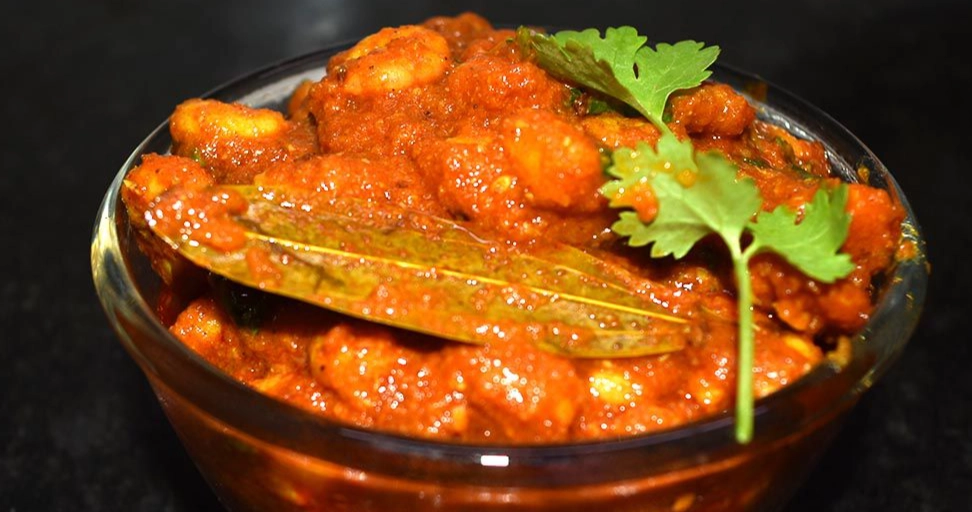
Dal Tadka
Prep: 10 mins (plus soaking) | Cook: 40 mins | Serves: 4
For the Dal:
- 1 cup yellow lentils (toor dal or masoor dal), rinsed and soaked for 30 mins
- 4 cups water
- 1 tsp turmeric powder
- 1 tsp salt
- 1 large tomato, chopped
For the Tadka (Tempering):
- 3 tbsp ghee or oil
- 1 tsp cumin seeds
- 1 tsp mustard seeds
- 2 dried red chilies
- 1 onion, finely chopped
- 4-5 garlic cloves, thinly sliced
- 1-inch ginger, julienned
- 2 green chilies, slit
- A pinch of asafoetida (hing)
- Handful of fresh cilantro, chopped
Steps:
- Cook the Dal: In a pressure cooker or pot, combine soaked lentils, water, turmeric, and salt. Cook until completely soft and mushy (about 20 mins in a pressure cooker, 40-50 mins simmering). Mash lightly with a spoon. Stir in the chopped tomato and cook for 5 more minutes. The consistency should be like a thick soup.
- Prepare the Tadka: This is where the magic happens. In a small pan, heat the ghee/oil until hot. Add cumin and mustard seeds. When they splutter, add dried red chilies, asafoetida, then quickly add onion, garlic, ginger, and green chilies.
- Sizzle & Pour: Fry this mixture on medium-high until the onions and garlic get golden-brown edges. You want them crispy, not burnt. Immediately pour this sizzling oil and all its contents over the cooked dal. It will crackle and release an incredible aroma.
- Finish: Stir gently, garnish with cilantro. Serve hot with rice or roti.
The tadka isn't just garnish. It's the flavor bomb that transforms simple lentils into something extraordinary. Don't skip it.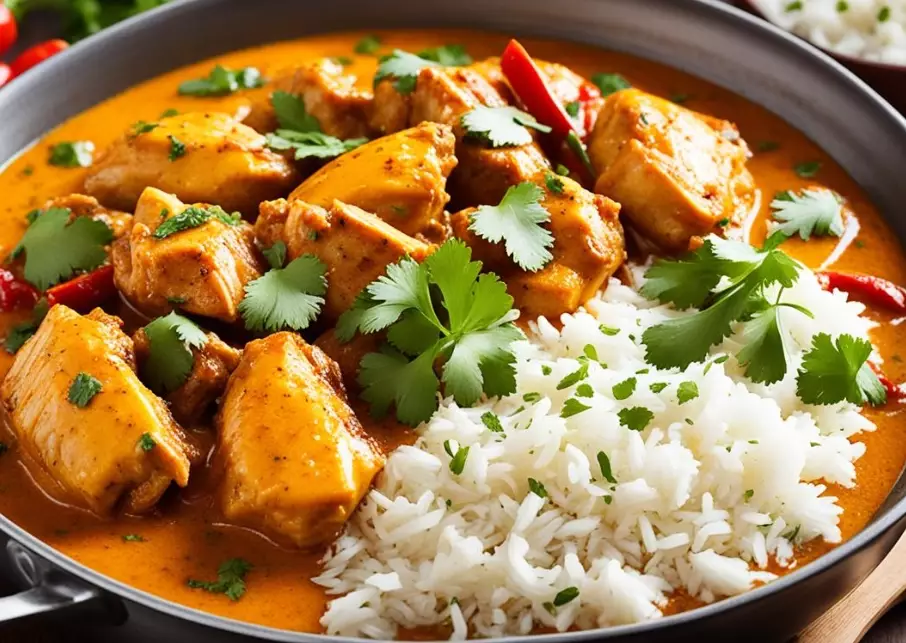
The Pro Moves: Tips You Won't Find on the Jar
After cooking in Indian kitchens for a decade, here's what most recipes gloss over.
1. The "Tadka" is Everything
It's not just heating oil with spices. The order matters. Hardy seeds (cumin, mustard) go first. Then delicate things (curry leaves, asafoetida). Then aromatics (onion, ginger, garlic). Pouring this over a finished dish (like dal or yogurt) is a game-changer. It's called a "chaunk" or "baghaar."
2. Ginger-Garlic Paste is Your Best Friend
Store-bought paste can have off-flavors. Make your own: blend equal parts peeled ginger and garlic cloves with just enough water to make a smooth paste. Freeze in an ice cube tray. One cube equals about a tablespoon. The flavor is brighter and cleaner.
3. Onions Need Time
Golden brown onions are the foundation of a good curry base (like for butter chicken). This isn't a 5-minute sauté. Cook them on medium-low heat, stirring occasionally, for 15-20 minutes until they're deeply caramelized and sweet. Rushing this step gives you a raw, pungent taste.
4. Kasuri Methi is a Secret Weapon
Those dried fenugreek leaves? Crush them between your palms before adding to curries or doughs. They add a subtle, bitter-savory note that mimics the depth of a restaurant curry. A teaspoon is all you need.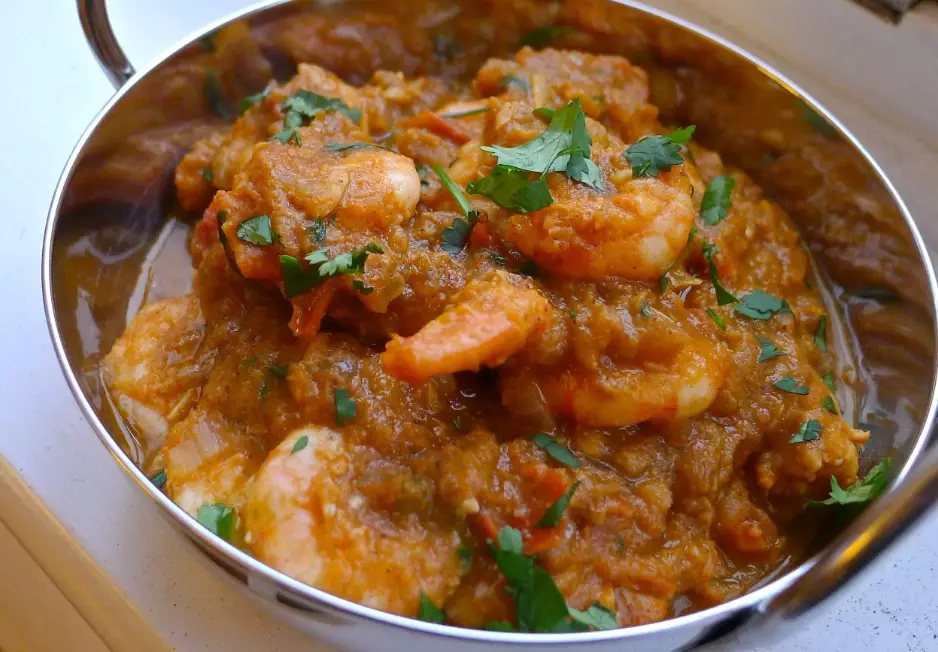
Your Indian Cooking Questions, Answered
 Start with one recipe. Master the process—the tadka, the layering, the patience with onions. Don't worry about perfection. My first perfect dal came after three attempts. The key is to taste as you go and adjust. That's how you move from following a recipe to actually cooking Indian food.
Your kitchen, your rules. Now go turn on the stove.