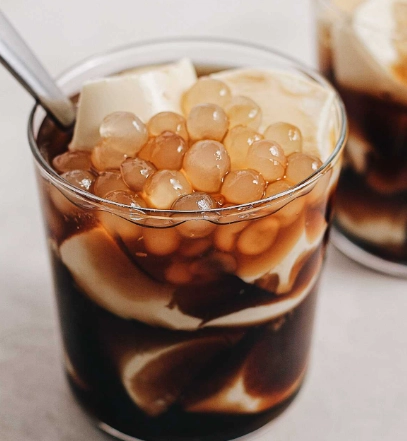
If you've ever bought taho from a street vendor in the Philippines, that's the first question that pops into your head. You get a warm cup handed to you, filled with a wobbly white substance, drenched in dark syrup and dotted with pearls. It's delicious, but... what exactly is the main event? The white thing isn't just some mysterious blob. It's the star of the show, and understanding it is the key to loving taho even more. It's fresh, silken tofu.
But calling it just "tofu" feels like an understatement. The taho version is in a league of its own—incredibly soft, delicate, and with a subtle, clean flavor that perfectly carries the sweet arnibal (syrup) and sago (tapioca pearls). Most descriptions online stop there. They don't tell you why it's so different from the firm tofu blocks in your supermarket, or how that texture is achieved, or the little secrets that make a perfect taho base. That's what we're diving into today.
What You'll Discover in This Guide
What Exactly Is Taho? A Quick Introduction
Taho is more than a snack; it's a Filipino institution. You hear the vendor's distinct call—"Tahoooo!"—long before you see them, usually in the early morning. They carry two large aluminum buckets balanced on a pole (pingga). One holds the warm, silken tofu. The other has the sweet syrup and cooked tapioca pearls.
It's a breakfast staple, a mid-afternoon pick-me-up, and a comforting treat all rolled into one. The beauty is in its simplicity and perfect temperature contrast: the warm, soft tofu against the cool, sweet syrup. It's a sensory experience that's deeply woven into Filipino daily life.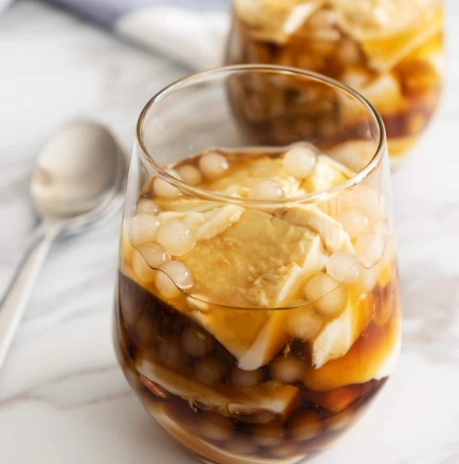
Here’s the breakdown of a classic taho serving:
- The White Base: Fresh, extra-soft silken tofu (the "white thing").
- The Sweetener: Arnibal, a syrup made from caramelized brown sugar (panutsa) and water.
- The Topping: Cooked sago (tapioca pearls), small and chewy.
The vendor expertly layers these in your cup or plastic bag with a swift, practiced hand.
The Heart of the Matter: Demystifying the ‘White Thing’
So, let's get to it. The white thing is freshly made, unpressed silken tofu. It's not the same as the silken tofu you buy in shelf-stable tetra packs. That stuff is processed for longevity. Taho tofu is meant to be consumed within hours.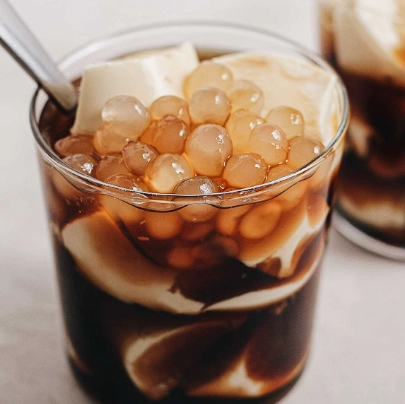
The magic lies in the coagulation process. Soy milk is curdled using a coagulant, but unlike firm tofu where the curds are pressed to remove whey, taho tofu is left completely undisturbed. The curds are never broken. They set into one incredibly smooth, pudding-like mass. Think of it as the tofu equivalent of a perfectly set panna cotta or a very delicate flan.
The most common coagulant used is food-grade gypsum (calcium sulfate). This is a crucial point many miss. Gypsum is a natural mineral salt that creates a tender, fine curd with high water retention—exactly the soft, jiggly texture you want. Some modern or large-scale producers might use glucono delta-lactone (GDL) for consistency, but the traditional taste and texture champion is gypsum.
I've tried taho made with different coagulants. The gypsum version has a cleaner, purer soybean flavor and that melt-in-your-mouth quality. The GDL version can sometimes have a slight tang and a more uniform, almost gelatinous bounce. For the authentic street-style experience, gypsum is the way to go.
Why Not Regular Tofu?
You can't just crumble a block of firm tofu into a cup and call it taho. The texture would be all wrong—grainy, dry, and it would soak up the syrup instead of letting it pool beautifully on top. The delicate, custardy nature of taho-specific silken tofu is non-negotiable. It's the canvas for the sweet toppings.
How Is the Silken Tofu in Taho Actually Made?
Seeing it made is a lesson in patience and precision. While large producers have automated systems, the traditional method is straightforward but requires a careful touch. Here’s a simplified look at the process from dried soybeans to that iconic white curd.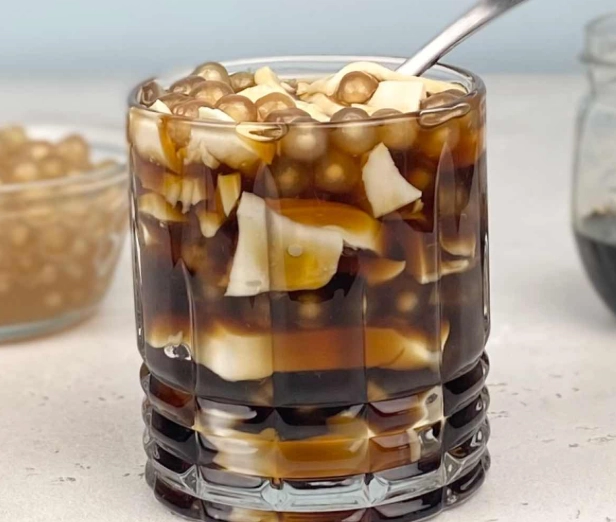
| Step | What Happens | Key to Success |
|---|---|---|
| 1. Soybean Prep | Dried yellow soybeans are soaked overnight until plump. | Fresh, high-quality beans yield the best flavor and color. |
| 2. Grinding & Straining | The beans are ground with water, then the mixture is boiled and strained to produce fresh soy milk. | This "milk" must be perfectly smooth, with no bean pulp (okara). |
| 3. Coagulation | The hot soy milk is mixed with a dissolved gypsum solution in a large, deep container. | The critical step. It must be gently stirred just to mix, then left completely untouched to set. Any disturbance ruins the silky texture. |
| 4. Setting | The container is covered and left for 20-30 minutes. The curds form a single, solid, soft block. | A warm, draft-free environment ensures even setting. |
| 5. Serving | The set tofu is carefully scooped with a flat, shallow ladle to preserve its layers and delicate structure. | Vendors use a specific slicing motion to get those perfect, unbroken sheets of tofu. |
The whole process, from bean to bucket, often starts in the middle of the night so the taho is fresh and warm for the morning rush. The Philippine Department of Agriculture notes the importance of soybean quality in local food production, and this absolutely applies to taho—better beans mean a sweeter, more fragrant base.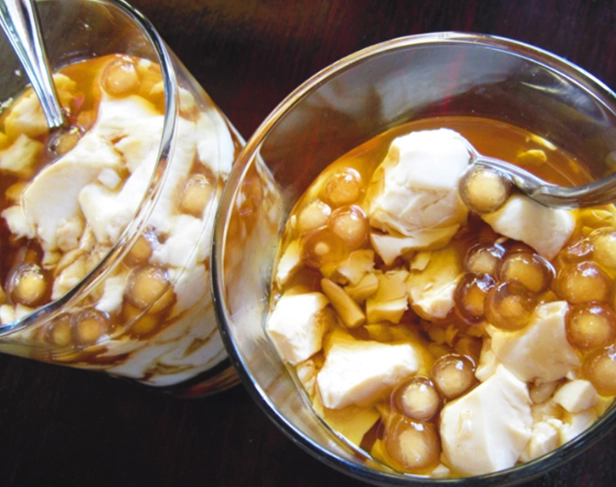
Beyond the Bowl: How to Truly Enjoy Taho (The Right Way)
Eating taho isn't just about consumption; it's about technique. Here’s how to get the most out of your cup, whether you're in Manila or making it at home.
First, don't stir it all up immediately. This is a common rookie mistake. You want to experience the layers. Take a spoon and dig from the top down, getting a bit of the syrup-soaked top layer of tofu, some pearls, and the cleaner, pure tofu underneath. The contrast in sweetness and texture in one bite is the goal.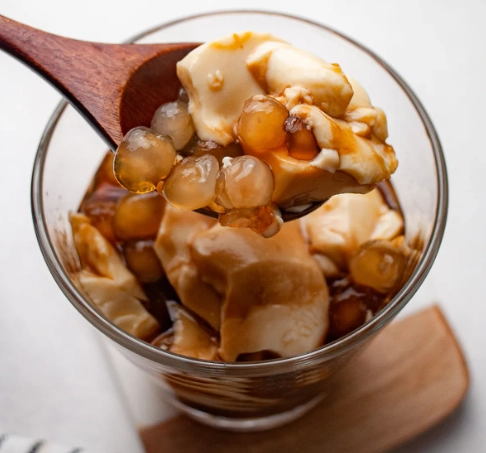
Second, temperature matters. Authentic street taho is served warm, not hot. The warmth amplifies the soybean aroma and makes the texture even more luscious. If your homemade or store-bought silken tofu is cold, give it a very gentle steam for just a few minutes. Don't microwave it directly, as it can become rubbery.
Where to find the best examples? While taho vendors are everywhere, some areas are famous for their quality. In Quiapo, Manila, the taho is legendary for its extra-silky texture and deep, almost molasses-like arnibal. Vendors there have often been at it for decades. There's no specific address—just follow the call and the crowd. In Baguio, the cooler climate makes a warm cup of taho even more comforting, with vendors often found near Session Road in the morning.
Price? It's incredibly affordable, usually ranging from 20 to 50 Philippine Pesos ($0.35 to $0.90 USD) depending on the size. It’s one of the best value treats you'll find anywhere.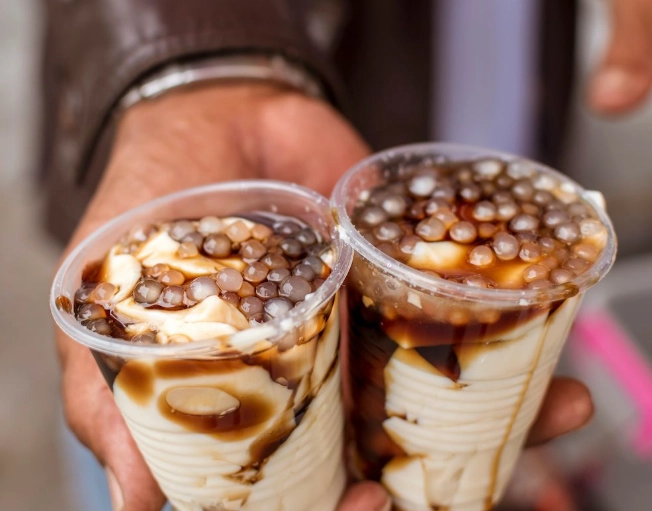
Your Kitchen, Your Taho: A Simple Recipe to Try
Can't find a taho vendor? You can make a very respectable version at home. The key is sourcing the right tofu. Look for fresh silken tofu in the refrigerated section of Asian grocery stores, often sold in plastic tubs with water. The Japanese-style "kinugoshi" tofu is the closest match. Avoid the shelf-stable packed silken tofu for this—the texture and taste aren't quite right.
For the Arnibal (Syrup): Combine 1 cup of dark brown sugar (the darker, the better for that authentic taste) and 1/2 cup of water in a saucepan. Heat gently until the sugar dissolves, then simmer for 5-7 minutes until it slightly thickens. Let it cool completely. It will thicken more as it cools.
For the Sago: Cook small tapioca pearls according to package directions (usually boiling until transparent, then rinsing under cold water).
Assembly: Gently warm the silken tofu. You can place the sealed tub in a bowl of hot water for 10-15 minutes. Carefully remove it from the tub and slice or scoop it into bowls. Spoon over the cool syrup and add the sago. Remember—layer, don't violently mix.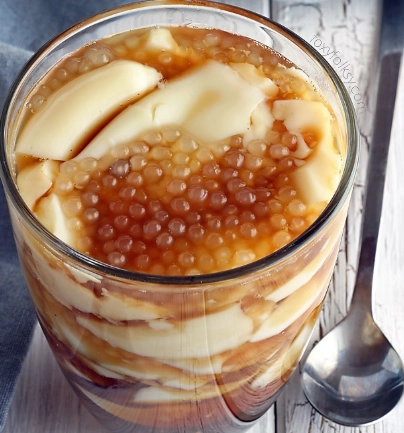
Is it as good as the street version? It's 85% there. The missing 15% is the ambiance, the vendor's skill in scooping, and the unbeatable freshness of tofu made just hours before. But for a satisfying fix, it works wonderfully.
Your Taho Questions, Answered
Is the white thing in taho healthy?
Can I make the silken tofu for taho from scratch at home?
Why did my homemade taho turn out too firm or too runny?
Are there any modern twists or variations on classic taho?
What's the difference between taho and Chinese douhua or Taiwanese douhua?
So, the next time you see or hear a taho vendor, you'll know exactly what's in that bucket. That white thing is a masterpiece of simple food science—transformed soybeans, coaxed into a delicate, wobbly curd through heat and mineral magic. It's the heart of a beloved Filipino ritual. Now, go enjoy a cup, and appreciate every silky spoonful.