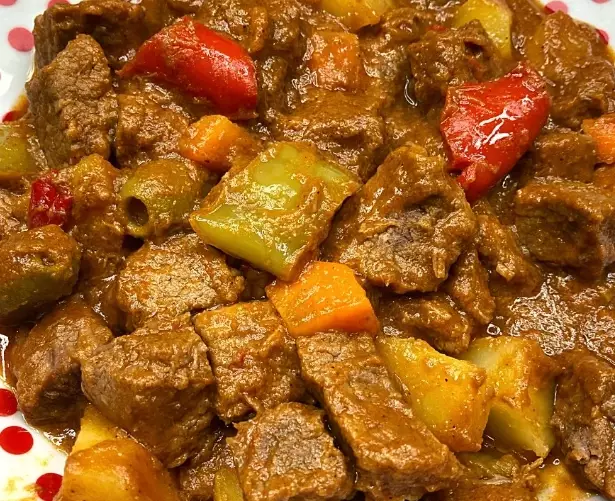
Let's be honest. You've ordered those glossy, finger-licking Chinese ribs from a restaurant and thought, "I could never make this at home." The sauce seems like magic, the meat falls off the bone with a nudge, and the flavor is deep and complex. What if I told you the secret isn't a secret at all? It's a simple combination of patience, the right cut of meat, and a marinade that does most of the work for you. Forget complicated techniques. This guide is for anyone who wants a foolproof, authentic-tasting Chinese ribs recipe that will make you forget about delivery.
Your Quick Guide to Perfect Ribs
The #1 Mistake: Picking the Wrong Ribs
This is where most home cooks go wrong before they even start. You grab a rack of baby back ribs because they're neat and tidy. Big mistake. For authentic Chinese-style ribs, you need pork spare ribs.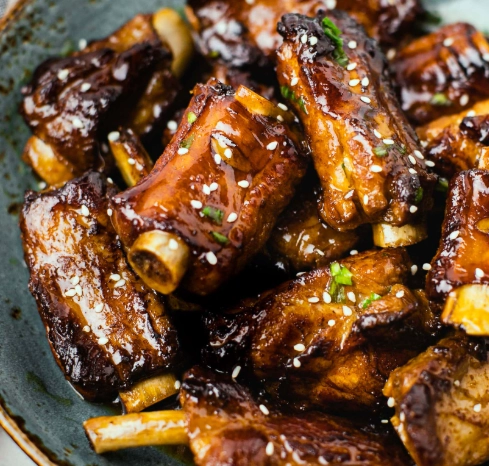
Why? Spare ribs come from the belly side of the pig. They have more fat and connective tissue running through them. That fat renders down during the long, slow cook, basting the meat from the inside and making it incredibly juicy and tender. Baby back ribs are leaner from the loin. They cook faster but can easily dry out, and they lack that rich, unctuous quality.
Look for St. Louis-style spare ribs if you can find them. They're just spare ribs with the rib tips and skirt meat trimmed off, giving you a neat, rectangular rack that's easier to handle. But standard spare ribs work perfectly.
Ask your butcher to cut them into individual ribs or, even better, into "riblets"—small 2-inch pieces. This isn't just for presentation. Smaller pieces mean more surface area for the marinade to cling to and faster, more even cooking. It's the difference between a rib you gnaw on and a rib where the meat slides clean off with one bite.
The Flavor Foundation: Deconstructing the Marinade
The marinade is non-negotiable. It's not a quick dip; it's a long-term flavor infusion. A common misconception is that hoisin sauce is the main star. It's important, but it's part of an orchestra.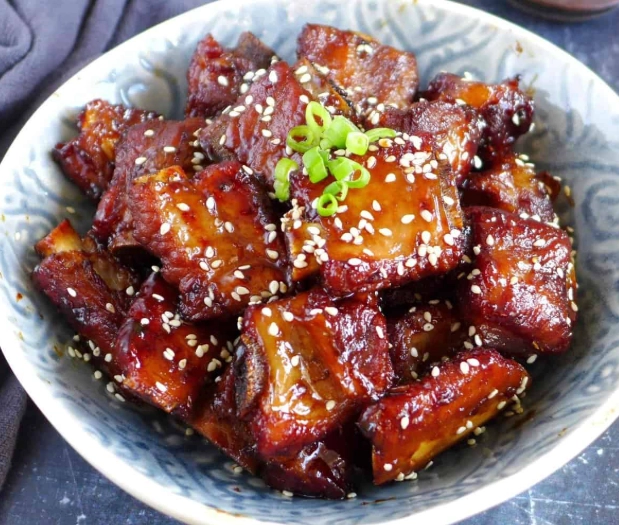
Here’s what each component does:
- Soy Sauce: The salty, umami backbone. Use a regular soy sauce, not light or dark for the base. Dark soy sauce is used sparingly for color and a hint of molasses-like sweetness.
- Hoisin Sauce: Adds sweetness, thickness, and that distinct fermented bean flavor. It's the "glue" for the glaze.
- Rice Wine (Shaoxing): The flavor catalyst. It tenderizes the meat and adds a subtle, aromatic sweetness that alcohol cooks off. Don't skip it. If you must substitute, dry sherry is the only acceptable alternative.
- Garlic & Ginger: Freshly minced or grated only. Powder won't give you the same bright, pungent kick. This is the aromatic soul of the dish.
- Brown Sugar/Honey: Caramelization agents. They help create that iconic sticky glaze and balance the saltiness.
- Five-Spice Powder: The secret weapon. Just a pinch. It adds a warm, licorice-like complexity that screams "Chinese restaurant." Too much, and it tastes like potpourri.
The biggest pro tip I can give you? Marinate overnight. Four hours is okay. Eight hours is good. Overnight (12-24 hours) is transformative. The flavors penetrate deep into the meat, and the enzymes in the soy and wine work on the proteins, resulting in unbelievable tenderness.
The Core Marinade Formula (for 2-3 lbs ribs)
Whisk this together and taste it. It should be salty, sweet, and pungent all at once. Adjust to your liking—more honey for sweetness, a splash of chili garlic sauce for heat.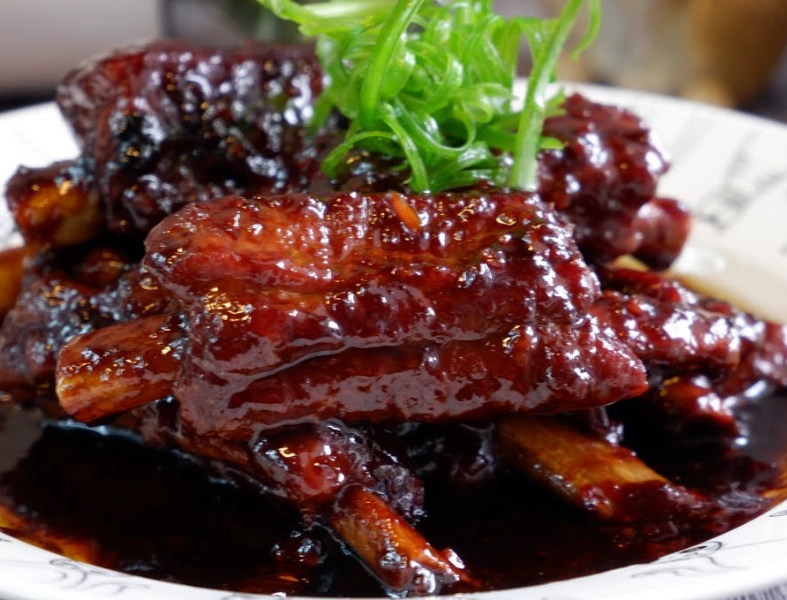
- 1/2 cup regular soy sauce
- 1/3 cup hoisin sauce
- 1/4 cup Shaoxing rice wine
- 3 tbsp brown sugar or honey
- 5 cloves garlic, minced
- 1 tbsp freshly grated ginger
- 1 tbsp dark soy sauce (for color)
- 1/2 tsp five-spice powder
How to Cook Chinese Ribs: Oven, Grill, or Instant Pot?
You have options. Each method has a different texture outcome.
The Oven Method (My Go-To for Foolproof Results)
This is the most consistent method for home cooks. Low and slow in the oven guarantees fall-apart tenderness. The key is a two-stage process: braise, then broil.
You'll place the marinated ribs in a single layer in a baking dish, add a bit of water or broth to the marinade left in the bowl, and pour it around (not over) the ribs. Cover tightly with foil and bake low (300°F/150°C) for 1.5 to 2 hours. This braises them. Then, you uncover, baste with the reduced juices, and crank the heat to broil for 5-10 minutes to caramelize the glaze. It's virtually impossible to mess up.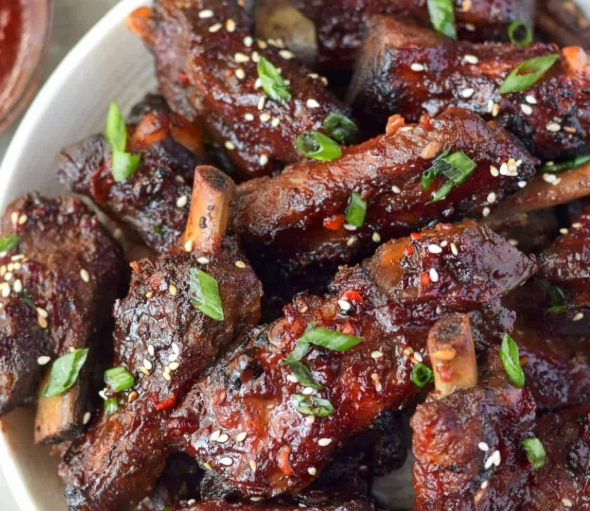
The Grill Method (For Smoky Char)
This requires more attention. You're aiming for indirect heat. If you put marinated ribs directly over high flames, the sugar will burn before the meat cooks. Set up your grill for two-zone cooking. Sear the ribs over direct heat for a minute per side to get marks, then move them to the cool side, close the lid, and let them cook slowly for 45-60 minutes, basting occasionally. The result has a fantastic smoky edge.
The Instant Pot / Pressure Cooker Method (Speed Demon)
Yes, it works. It makes very tender ribs in about 25 minutes under pressure. But there's a trade-off. The texture is more "steamed" or "boiled" than "roasted." The flavor is all there, but you miss the concentrated, caramelized crust. To fix this, always finish them under the broiler or on a hot grill for a few minutes after pressure cooking. It's a great weeknight hack.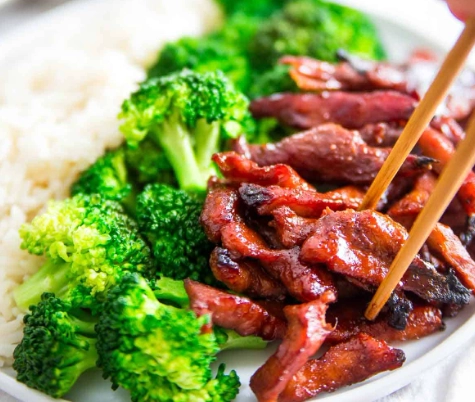
Step-by-Step Recipe for Sticky Chinese Pork Ribs
Let's walk through the oven method, start to finish.
Step 1: Prep and Marinate. Pat your 3 pounds of spare rib pieces completely dry with paper towels. This helps the marinade stick. Place them in a large bowl or zip-top bag. Pour the whisked marinade over them, ensuring every piece is coated. Seal the bag, removing as much air as possible, and let it sit in the fridge. Overnight is ideal. Give the bag a gentle turn once or twice if you remember.
Step 2: The Braise. Preheat your oven to 300°F (150°C). Arrange the rib pieces in a single layer in a 9x13 inch baking dish. Don't crowd them. Pour the marinade from the bag into a measuring cup. Add 1/2 cup of water or low-sodium chicken broth to it, then pour this liquid into the dish around the ribs. Cover the dish tightly with aluminum foil. This creates a steamy environment that braises the ribs.
Bake for 1 hour and 45 minutes. The smell will be incredible.
Step 3: Reduce and Glaze. Carefully remove the dish from the oven. There will be a lot of liquid. Using tongs, transfer the ribs to a clean plate. Pour all the braising liquid from the dish into a small saucepan. Bring it to a simmer over medium heat and let it reduce by about half, until it's syrupy. This is your finishing glaze. It's packed with flavor.
Step 4: The Final Caramelization. Turn your oven to broil on high. Line a baking sheet with foil (for easy cleanup) and place a wire rack on top. Arrange the ribs on the rack. Brush them generously with the reduced glaze. Broil for 3-5 minutes, watching closely to prevent burning. Flip, brush the other side, and broil for another 3-5 minutes until sticky and caramelized in spots.
Serve immediately, sprinkled with sliced green onions and sesame seeds.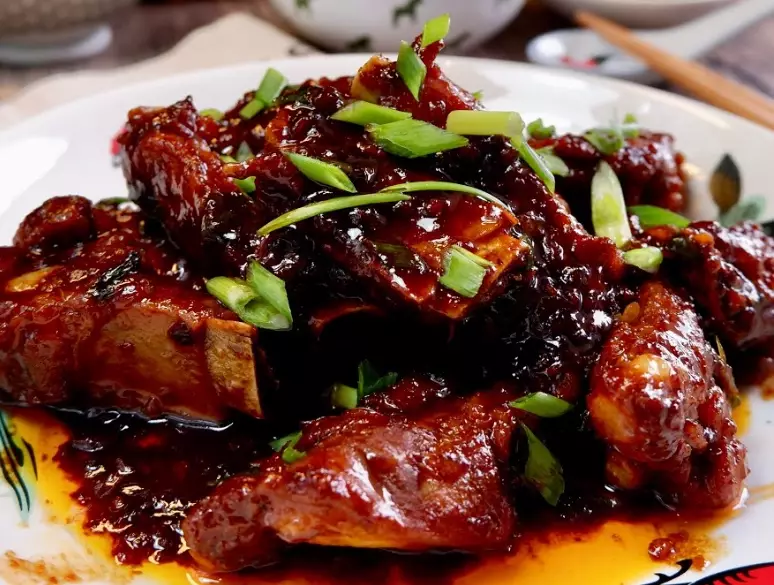
Pro Tips From a Decade of Trial and Error
These aren't in most recipes, but they make all the difference.
- Blanch Your Ribs First (Optional but Game-Changing). This is a traditional Chinese technique. Before marinating, submerge the ribs in a pot of cold water. Bring to a boil, let it roll for 1 minute, then drain and rinse. This removes impurities and excess blood, resulting in a cleaner-tasting final dish and a more appealing color. It's an extra step, but for purists, it's worth it.
- Don't Waste the Marinade. Always boil the used marinade if you're going to use it as a basting sauce or glaze (as in the oven method). It's been in contact with raw meat. Simmering it for a few minutes makes it safe and concentrates the flavors.
- The "Double-Dip" Glaze. For maximum stickiness, glaze the ribs before the final broil, then once more right as they come out of the oven. The residual heat sets that second layer into a glossy shell.
- Resting is for Steaks, Not These Ribs. Serve these immediately. If they sit, the glorious sticky glaze starts to solidify and lose its luster. Have your side dishes (steamed rice, simple stir-fried greens) ready to go.
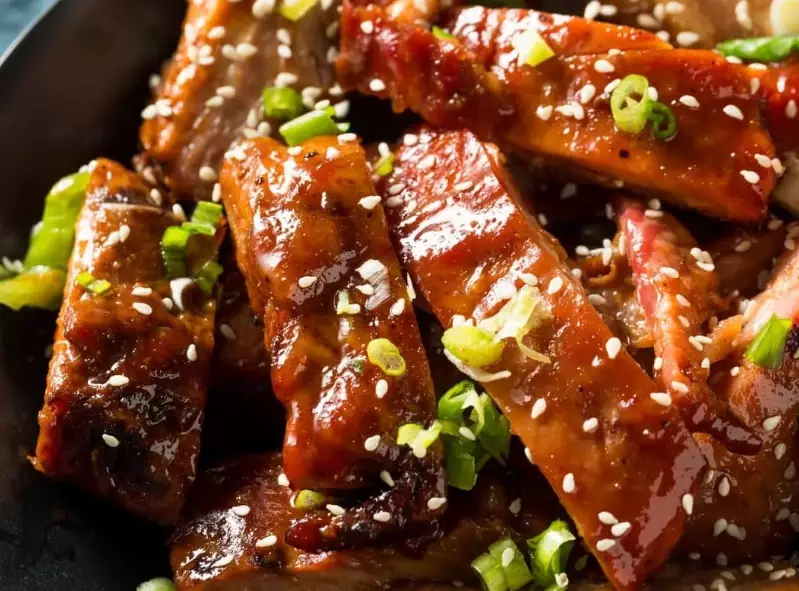
Your Chinese Ribs Questions, Answered
The journey to perfect homemade Chinese ribs is simpler than it seems. It's about respecting the process: choosing the right rib, letting time work in your favor with the marinade, and using gentle heat to achieve tenderness before applying the fierce heat for that sticky crust. Once you taste these, that takeout menu goes straight in the recycling. You've got this.