Making your own sauerkraut is one of the simplest, most rewarding projects in the world of home fermentation. Forget the soggy, overly salty stuff from the supermarket jar. A truly great homemade sauerkraut is crisp, tangy, complex, and brimming with live probiotics that are fantastic for your gut health. The best part? You only need two ingredients and a bit of patience. I've been fermenting vegetables for over a decade, and I can tell you that most guides overcomplicate it or skip the subtle tricks that separate good kraut from great kraut. Let's fix that.
What's in This Guide?
Why Bother Making Sauerkraut at Home?
Store-bought sauerkraut is often pasteurized, which means all the beneficial bacteria are dead. You get the sour taste, but none of the gut-health benefits that come from live lacto-fermentation. When you make it yourself, you control the salt level, the fermentation time (which dictates the sourness), and you can add fun twists like caraway seeds, juniper berries, or even a bit of apple.
It's also incredibly cheap. A large head of cabbage costs very little, and the salt is negligible. You're turning pennies into a powerful probiotic food. From a food preservation standpoint, it's a time-tested method to extend the harvest. My German grandmother would have barrels of the stuff put up for winter.
Ingredients & Tools: Keeping It Simple
You truly don't need much. Here’s the breakdown.
The Non-Negotiables
Cabbage: Green cabbage is the classic. Look for a dense, heavy head. Organic is nice but not essential. Just remove the outer leaves. Avoid pre-shredded coleslaw mix—it often has preservatives that can inhibit fermentation.
Salt: This is critical. Use a non-iodized salt. Iodine can hinder bacterial growth. Fine sea salt or pickling salt works perfectly. Do not use table salt with anti-caking agents if you can avoid it. The salt ratio is where many beginners fail.
Optional Add-Ins for Flavor
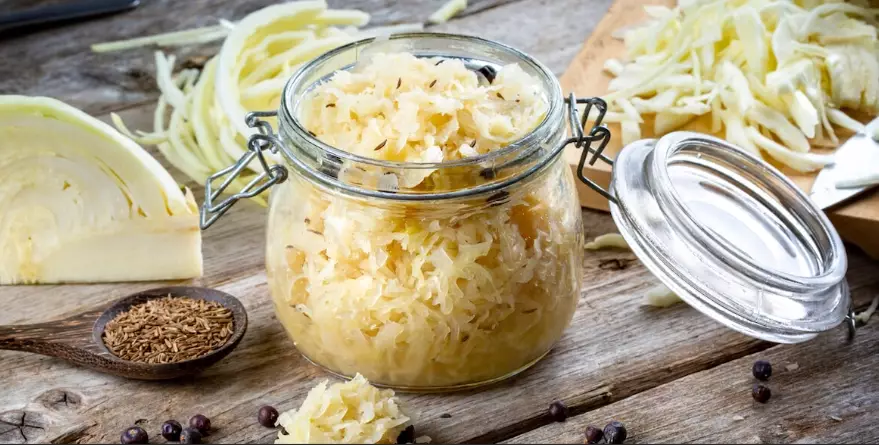
Caraway seeds are the classic pairing. A teaspoon per quart jar adds that authentic flavor. Juniper berries, dill seeds, or a few slices of peeled ginger are also fantastic. For a touch of sweetness that balances the sour, try adding some very thin slices of green apple or a shredded carrot.
Equipment Checklist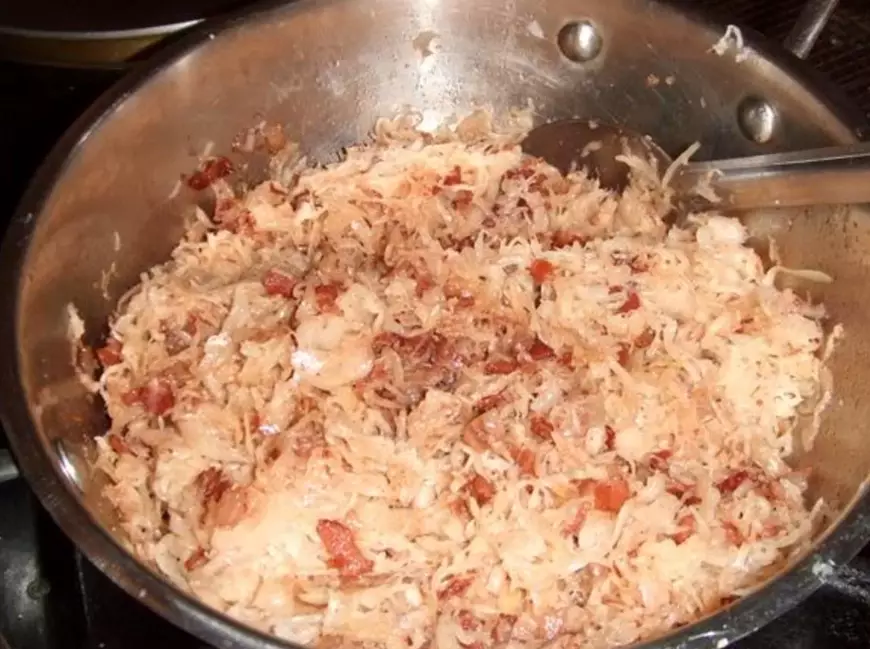
You don't need a fancy "fermentation kit." You likely have everything.
- A large mixing bowl (non-reactive, like glass or stainless steel).
- A sharp knife and cutting board.
- A 1-quart or 1-liter wide-mouth glass jar (like a Mason jar). A crock works too, but a jar is easier for beginners.
- Something to weigh down the cabbage. A smaller jelly jar that fits inside works. You can also use a zip-top bag filled with brine (in case it leaks, it won't dilute your ferment).
- Clean cloth and a rubber band or jar ring to cover it.
| Ingredient/Tool | Specific Recommendation | Why It Matters |
|---|---|---|
| Cabbage | 1 medium head (about 2-3 lbs / 1-1.4 kg) | Denser heads yield more shreds and more brine when massaged. |
| Salt | 1.5 tbsp fine sea salt (about 27 grams) | This creates a 2-2.5% brine by weight, which is the safety & flavor sweet spot. |
| Jar | 1-quart wide-mouth glass jar | Wide mouth makes packing and weight placement easy. Glass is inert. |
| Weight | Small glass jar or brine-filled bag | Keeps cabbage submerged, preventing exposure to oxygen and mold. |
The Step-by-Step Process
Follow these steps in order. The most important part is the massage.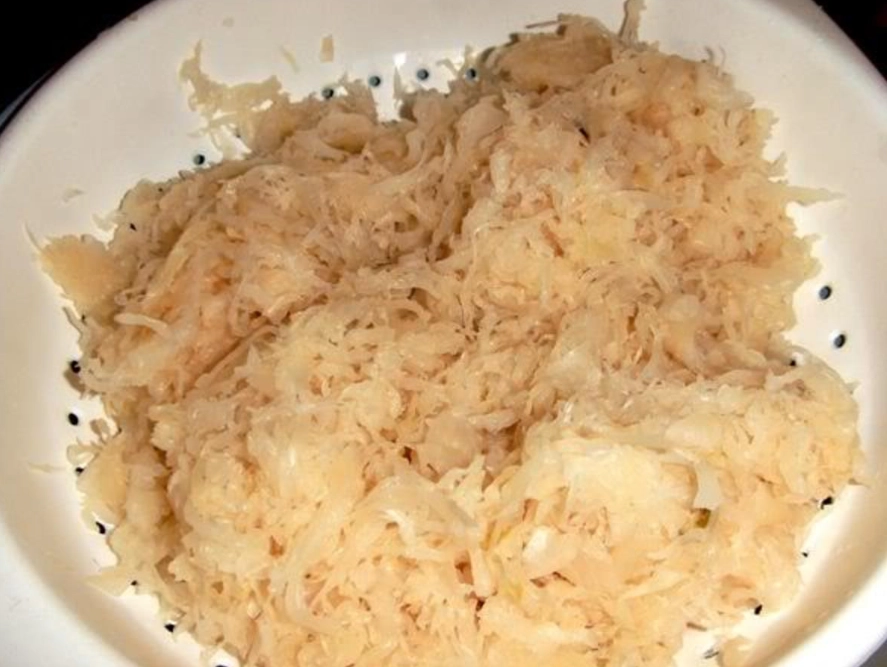
1. Prep the Cabbage
Remove any damaged outer leaves. Set aside one nice, large leaf. Core the cabbage and slice it thinly. You want shreds about the thickness of a quarter. I use a chef's knife, but a mandoline works if you're careful. Put all the shreds in your large bowl.
2. Salt and Massage (The Crucial Step)
Sprinkle the salt evenly over the cabbage. Now, get your hands in there. Start squeezing and massaging the cabbage with serious intent. You're not just mixing; you're breaking down the cell walls to release the cabbage's natural water.
Do this for 5 to 10 minutes. At first, it will just seem salty. Then, it will start to feel wet. Keep going. Eventually, you'll have a pile of limp cabbage sitting in a substantial amount of liquid in the bottom of the bowl. This liquid is your brine. If you don't have enough liquid after 10 minutes, let it sit for 30 minutes and massage again. The cabbage should be significantly reduced in volume.
3. Pack the Jar
Start grabbing handfuls of cabbage and tightly pack them into your clean jar. Use your fist or a tamper to press it down firmly. As you pack, the brine will rise. Once all the cabbage is in, pour every last drop of brine from the bowl over it. The cabbage must be completely submerged under the brine. This is non-negotiable.
4. Weight and Cover
Take the reserved whole cabbage leaf, fold it, and place it on top of the shredded cabbage. This helps keep small bits from floating up. Place your chosen weight (small jar, clean stone, brine bag) on top. Everything should be under brine. Wipe the rim of the jar clean.
Cover the jar with a clean cloth or coffee filter and secure it with a rubber band. Do not screw on a solid lid. Fermentation produces carbon dioxide gas, which needs to escape. A sealed lid could create a fizzy bomb or, at the very least, prevent the good bacteria from doing their work anaerobically.
5. Ferment and Taste
Place the jar on a plate or small tray (in case of overflow) in a cool, dark spot, like a pantry or cupboard. Ideal temperature is between 65-75°F (18-24°C).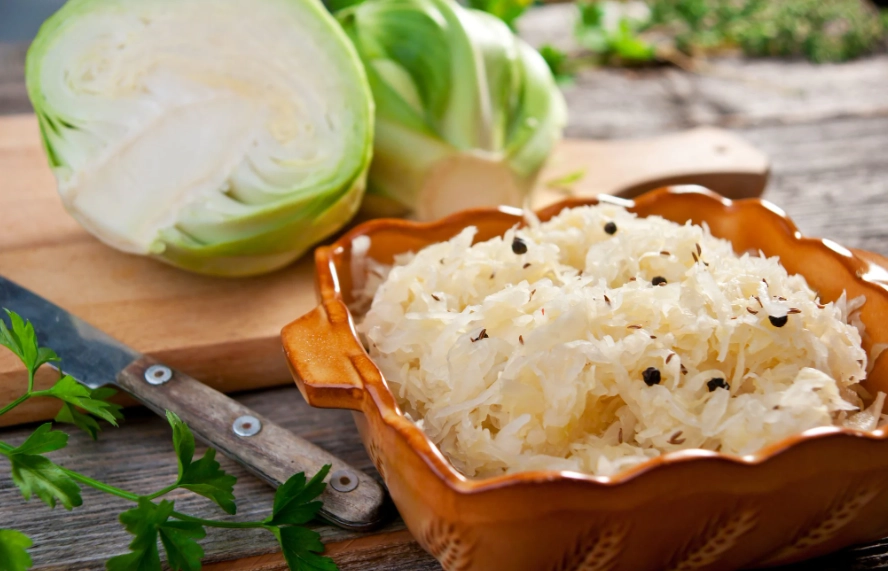
Check it after 24 hours. You should see tiny bubbles rising. That's a great sign! Press the weight down daily to keep everything submerged.
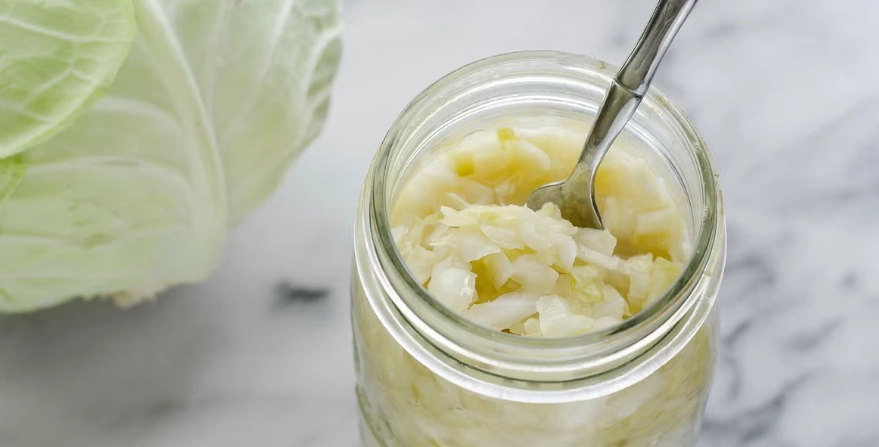
Start tasting after 5-7 days. Use a clean fork to pull out a strand. It will become tangier and softer over time. Ferment for anywhere from 1 to 4 weeks, depending on your taste and room temperature. I find 2-3 weeks is perfect for a balanced sour and crisp texture.
6. Store and Enjoy
Once it's sour enough for your liking, remove the weight, screw on a solid lid, and move it to the refrigerator. The cold drastically slows fermentation. It will keep for months, slowly continuing to sour. Use it on hot dogs, Reuben sandwiches, as a side with pork, or straight from the jar as a snack.
Your Questions, Answered by a Fermenter
 How do I know if my fermenting sauerkraut has gone bad?
The Real Key to Success: Patience & Observation
The biggest mistake I see new fermenters make is rushing. They check after two days, see no action, and think it failed. Or they ferment for a week, taste it, and decide it's not sour enough so they add vinegar. Don't do that. You're not making a quick coleslaw; you're guiding a biological process.
Fermentation time depends entirely on the temperature of your house. In a warm kitchen (75°F+), it might be tart in 5 days. In my cool basement (65°F), it takes three weeks to reach the same level of sour. There's no single "right" timeline. The right timeline is the one that produces a flavor you enjoy.
 This is where the real art lies. Taste it weekly. Notice how the sourness develops, how the crunch softens slightly, how the flavors meld. Keep notes. Your second batch will be better than your first, and your tenth batch will be something you're genuinely proud to share. That's the magic of this simple recipe for sauerkraut—it connects you to a timeless process, and the result is a living food that's uniquely yours.
So grab a cabbage. Get your hands salty. And welcome to the quiet, bubbling world of home fermentation.