You just made a fluffy angel food cake or a batch of perfect meringues. Great. Now you're staring at a bowl of leftover egg yolks. Sound familiar? Tossing them feels wrong, but what else can you do? This guide is for anyone who's ever faced that yellow dilemma. We're moving beyond just custard. I've spent years in kitchens, both professional and my own messy one, figuring out how to turn those rich, golden yolks into the star of the show. From silky pasta to luxurious sauces and even a killer ice cream, here’s your playbook for egg yolk recipes that actually work.
What's Inside This Guide
Why Egg Yolks Are a Kitchen Secret Weapon
Think of an egg yolk as nature's perfect emulsion. It's packed with lecithin, a natural emulsifier that binds fat and water together. That's why it's the heart of mayonnaise and hollandaise. But its magic goes further. Yolks add incredible richness, a velvety mouthfeel, and a deep golden color that you just can't get from whites alone. They're not just a leftover; they're an upgrade.
Most recipes that call for just whites are going for airiness and structure. The yolks? They're all about flavor and luxury. When you save them, you're saving the most expensive and nutrient-dense part of the egg. The U.S. Department of Agriculture notes that the yolk contains almost all the egg's vitamins, minerals, and healthy fats. Throwing it away is like buying a fancy steak and only eating the fat trim.
How to Make Perfect Egg Yolk Pasta (Pasta all'Uovo)
This is my absolute favorite use for leftover yolks. The resulting pasta is a vibrant yellow, rich, and has a sublime tenderness that dried pasta can't touch. The classic ratio is simple, but there's a trick most beginners miss.
The Step Most People Get Wrong
It's not the kneading. It's the resting. You mix the flour and yolks into a shaggy dough, knead for 8-10 minutes until smooth, then wrap it tightly in plastic. Here's the non-consensus part: let it rest at room temperature for at least 30 minutes, not in the fridge. Chilling makes the dough too firm and difficult to roll out evenly. Room temp resting relaxes the gluten, making it elastic and easy to shape without springing back. Trust me, it makes rolling by hand or machine infinitely easier.
Roll it out thin, cut into tagliatelle or fettuccine, and cook in well-salted boiling water for just 2-3 minutes. Toss it with a simple sauce like browned butter and sage, a quick carbonara, or a fresh tomato basil number. The flavor is incomparable.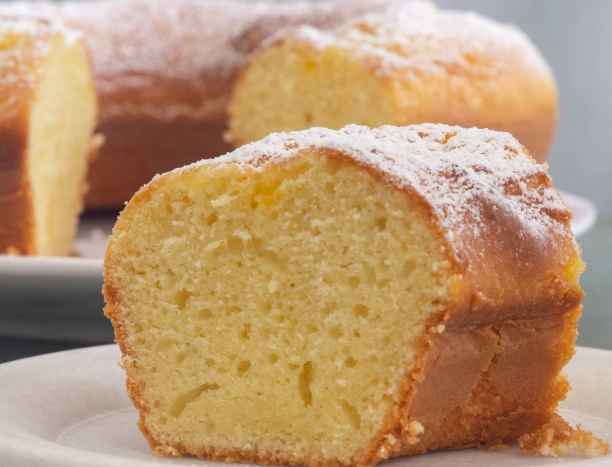
Rich Sauces & Creamy Dressings
This is where yolks truly shine. They transform liquids into lush, coating sauces.
1. The Ultimate Lemon Curd (It's Not Just for Toast)
Forget the store-bought stuff. Homemade lemon curd with extra yolks is thicker, silkier, and more vibrant. Use 3-4 yolks, the juice and zest of 2 lemons, 1/2 cup sugar, and 4 tablespoons of butter. Whisk constantly over a double boiler until it thickens. The mistake? Stopping too early. It should coat the back of a spoon and leave a clear path when you run your finger through it. Let it cool. Now, use it as a cake filling, a topping for scones, or fold a spoonful into whipped cream for an instant fruit dip.
2. Sabayon (or Zabaglione): The 5-Minute Fancy Dessert Sauce
This is a game-changer. Whisk egg yolks, sugar, and a sweet wine like Marsala or Moscato (or even orange juice) in a heatproof bowl over a pot of simmering water. Keep whisking until it's frothy, warm, and has tripled in volume. It takes about 5 minutes. Pour it over berries. You look like a pastry chef, and it used up those yolks. The key is constant motion to avoid scrambling.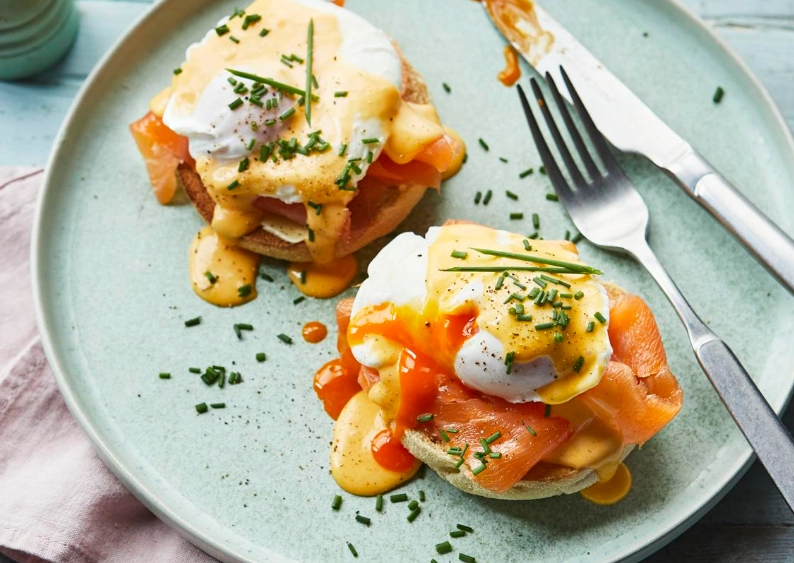
3. Extra-Rich Caesar Dressing
Most classic Caesar recipes use a coddled or raw egg. Using just the yolk makes it creamier and more stable. Blend one yolk with a garlic clove, 2 anchovy fillets, a dash of Worcestershire, lemon juice, and Dijon. Slowly drizzle in olive oil while blending to emulsify. Finish with Parmesan. It clings to romaine lettuce like a dream.
Desserts & Unexpected Savory Uses
Yolks are the backbone of so many custards and baked goods. But let's go beyond crème brûlée.
Ice Cream & Gelato
Egg yolks are non-negotiable for a custard-based ice cream. They prevent ice crystals and give that smooth, dense, melt-in-your-mouth texture. A basic vanilla recipe might use 4-6 yolks. Want a pro tip? After making your custard base (yolks, sugar, heated cream/milk), strain it through a fine-mesh sieve. It catches any tiny bits of cooked egg, guaranteeing a perfectly smooth churn.
Cured Egg Yolks (Your New Pantry Secret)
This is a preservation method that creates a hard, salty, umami-rich condiment. Mix equal parts sugar and salt (about 1/2 cup each), make a bed in a container, nestle the yolks on top, and cover completely with more sugar-salt mix. Cover and refrigerate for 4-7 days. They'll become firm. Rinse, pat dry, and grate them over pasta, salads, or roasted vegetables like you would Parmesan. They're incredible.
Storing Leftover Egg Yolks: Do This, Not That
You won't always use them immediately. Here’s how to keep them fresh.
| Storage Method | How-To | Lasts For | Best Used For |
|---|---|---|---|
| In Water (Best) | Place yolks in a small bowl, cover completely with cold water. Gently pour off water before use. | 2-3 days in fridge | Any cooked application (pasta, sauces, baking). |
| Oiled | Brush yolks lightly with a neutral oil (canola, vegetable) to prevent a skin from forming. | 2-3 days in fridge | Similar to water method. |
| Frozen | Add 1/8 tsp salt or 1/2 tsp sugar per 4 yolks (mark which!), mix gently, freeze in airtight container. | Up to 4 months | Baking (sweet for sugar, savory for salt). Texture changes, not ideal for emulsified sauces. |
Avoid just leaving them uncovered on a plate. They'll dry out and form a rubbery film almost immediately.
Your Egg Yolk Questions, Answered
So next time a recipe leaves you with a bowl of golden yolks, don't see it as a problem. See it as an opportunity. A chance to make pasta that tastes like a trattoria, a sauce that turns simple fruit into a celebration, or a secret ingredient to grate over your dinner. Start with the pasta. You won't regret it.