Let's cut to the chase. A basic sourdough recipe isn't about fancy ingredients. It's flour, water, salt, and your sourdough starter. The magic—and the frustration for beginners—lies in the process. I've baked sourdough for over a decade, and I've seen the same subtle mistakes trip people up time and again. This guide won't just list steps; it'll explain the why behind them, helping you move from blindly following instructions to understanding your dough. Forget the intimidation. By the end, you'll have a clear path to a crusty, tangy, homemade loaf.
What's Inside This Guide
The Starter Journey: It's a Pet, Not a Project
Your sourdough starter is the heart of the operation. Most guides tell you to mix equal parts flour and water and wait. That's technically true, but it misses the point. You're not just mixing; you're cultivating a wild ecosystem. The flour type you choose from day one sets the tone. I always recommend starting with whole rye flour for the first two feeds. Rye is packed with minerals and microbes that give your starter a vigorous kickstart, something plain all-purpose flour often lacks. After it's bubbly and active, you can switch to bread flour or all-purpose.
Here's a realistic feeding schedule for a new starter:
| Day | Action & Feeding Ratio (Starter:Water:Flour) | What to Expect |
|---|---|---|
| 1-3 | Mix 50g rye flour + 50g water. No discard yet. | Bubbles appear, may smell sweet or fruity. |
| 4-5 | Discard all but 25g starter. Feed 1:1:1 (25g starter, 25g water, 25g bread flour). | May smell unpleasant (acetone, nail polish). This is normal! Keep going. |
| 6+ | Discard down to 25g. Feed 1:2:2 or 1:3:3 (e.g., 25g starter, 50g water, 50g flour). | Smell becomes pleasantly yeasty/tangy. Should double consistently in 4-8 hrs. |
The biggest mistake I see? People giving up during the day 4-5 slump. That foul smell is the bad bacteria dying off as the good lactic acid bacteria take over. It's a sign of progress, not failure.
Gear Up: The Essential (and Non-Essential) Tools
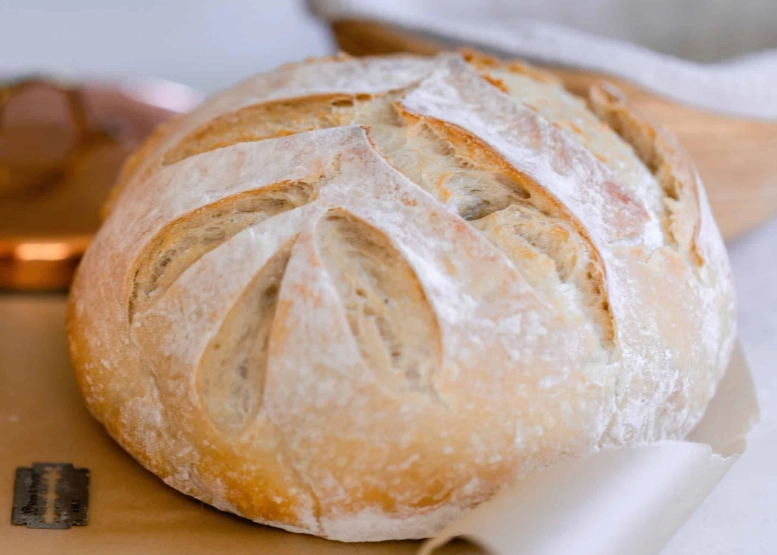
You don't need a bakery's worth of equipment. A digital kitchen scale is non-negotiable. Baking by weight is accurate and makes scaling recipes trivial. A good dough whisk makes initial mixing easier than a spoon. A bench scraper is your best friend for handling sticky dough. For baking, a Dutch oven is the single best investment for a home baker. It traps steam, giving you that professional-grade oven spring and crackly crust. A lame (razor blade) for scoring is cheap and effective.
What can you skip? Fancy proofing boxes. Your turned-off oven with the light on works perfectly. Special brotforms (proofing baskets) are nice but a bowl lined with a well-floured kitchen towel does the job.
The Basic Sourdough Recipe: A Step-by-Step Process
This is my core, no-frills recipe. It yields one beautiful loaf. The timeline is flexible and depends on your kitchen's temperature.
Ingredients & Baker's Percentages
- 375g Bread Flour (75%)
- 125g Whole Wheat Flour (25%)
- 350g Water (70% hydration – a great starting point)
- 100g Active, Bubbly Sourdough Starter (20%)
- 10g Fine Sea Salt (2%)
How to Make Your Sourdough Bread: A Visual Timeline
9:00 AM – Autolyse: Mix the bread flour, whole wheat flour, and 340g of the water in a large bowl until no dry bits remain. Let it rest, covered, for 1 hour. This allows the flour to hydrate fully, making the dough easier to handle and develop strength later. I reserve 10g of water to mix with the salt later.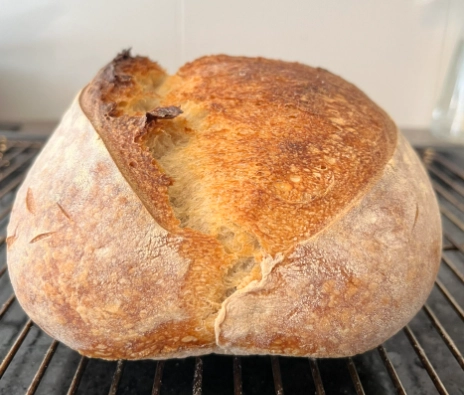
10:00 AM – Mixing: Add the 100g of active starter to the dough. Use wet hands to pinch and squeeze it in until fully incorporated. Let it rest another 30 minutes.
10:30 AM – Adding Salt: Mix the 10g of salt with the reserved 10g of water into a slurry. Dimple it into the dough and squeeze to combine. The dough will become tighter initially.
10:45 AM to ~3:00 PM – Bulk Fermentation & Folds: This is the critical development phase. Over the next 4-5 hours at ~75°F, you'll perform a series of "stretch and folds." Every 30 minutes for the first 2 hours, wet your hand, grab an edge of the dough, stretch it up, and fold it over the center. Rotate the bowl and do this 4-5 times. You'll feel the dough transform from shaggy and slack to smooth, strong, and elastic. After the folds, let it rest undisturbed. It's ready when it's increased by about 50-75% and looks bubbly under the surface.
~3:00 PM – Shaping: Gently tip the dough onto an unfloured surface. Use your bench scraper to shape it into a tight round (boule) or oval (batard). Create surface tension by pulling the dough toward you. Let it rest seam-side up for 20 minutes (bench rest).
~3:20 PM – Final Shaping & Proofing: Do a final, tighter shape. Place it seam-side UP in a floured proofing basket or towel-lined bowl. Cover and place in the refrigerator for a long, slow cold proof (12-16 hours). This develops incredible flavor.
Next Day, 9:00 AM – Baking: Preheat your Dutch oven in your home oven at 450°F (230°C) for at least 45 minutes. Carefully turn the dough onto parchment paper. Score the top deeply with a razor. Transfer dough (on parchment) into the screaming hot Dutch oven. Cover and bake for 20 minutes. Uncover, reduce heat to 425°F (220°C), and bake for another 25-30 minutes until deeply browned. Cool completely on a wire rack for at least 3 hours before slicing. I know it's hard to wait.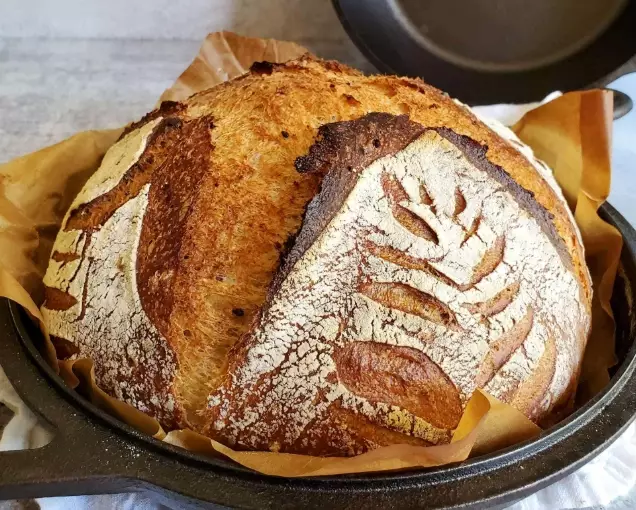
Why Hydration Matters More Than You Think
Hydration (water weight divided by flour weight) is the secret dial controlling your dough. My recipe is 70%—a sweet spot for beginners. Higher hydration (75-85%) makes a more open, airy crumb but the dough is a sticky, slack beast that's hard to handle. Lower hydration (65-68%) gives you a dough that's easy to shape but results in a tighter, denser crumb.
Most beginners fail because they try a high-hydration recipe from a pro baker. They get frustrated, their dough sticks to everything, and they think they can't bake. Start at 70%. Master the feel of a dough you can control. Then, as you get comfortable with folds and shaping, you can try increasing the water by 10-20g in your next bake.
Troubleshooting Your First Loaves
Your first loaf might not be perfect. That's okay. Here's what probably happened.
Dense, Gummy Crumb: You sliced it while it was still warm. The starches haven't set. Wait. Seriously. Or, your starter wasn't active enough, or you under-proofed the dough.
Flat, Pancake-like Loaf: Over-proofing. The gluten structure collapsed. Shorten your bulk fermentation or cold proof time next time. The dough should still feel springy, not fragile and full of large, unstable bubbles.
Pale, Soft Crust: Your oven wasn't hot enough, or you didn't use a Dutch oven/lid to trap steam. Steam in the first 20 minutes is crucial for oven spring and crust formation.
Too Sour/Not Sour Enough: Flavor is controlled by fermentation time and temperature. A longer, cooler fermentation (like the cold proof) develops more complex, tangy flavors. A shorter, warmer ferment yields a milder, more yeasty taste.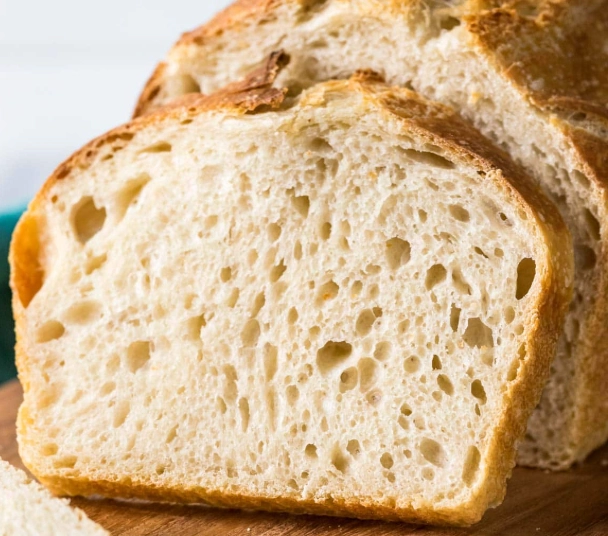
Expert FAQs: Your Top Questions, Answered
Baking sourdough is a skill, not a mystery. It teaches you to observe, feel, and adapt. Start with this basic sourdough recipe, pay attention to your dough (not just the clock), and don't fear the occasional flat loaf. Every bake is a lesson. Now, go feed your starter.