Let's be honest. A great custard tart seems simple, but getting it right is a different story. You want that crisp, buttery pastry holding a silky, just-set custard that wobbles gently. No cracks, no soggy bottom, just pure comfort. After years of baking (and more than a few failed attempts), I've nailed down a method that works every single time. This isn't just a list of ingredients; it's the blueprint for the custard tart of your dreams.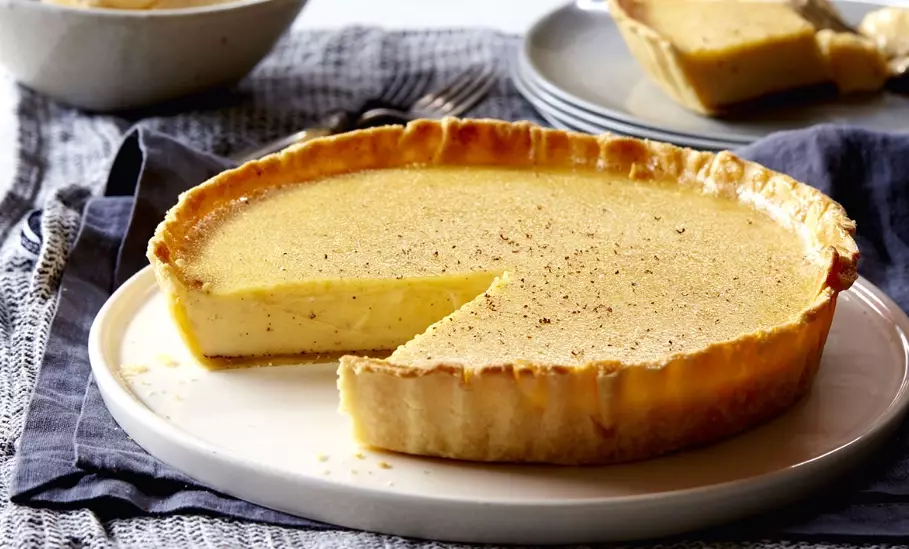
What You'll Learn Inside
The Right Ingredients and Why They Matter
This is where most recipes just tell you what to buy. I'm going to tell you why you're buying it. The quality and type of your ingredients directly control the final texture and flavor. Skimp here, and you'll taste the difference.
| Ingredient | Quantity | Purpose & Expert Note |
|---|---|---|
| All-Purpose Flour | 250g (about 2 cups) | Provides structure. I prefer unbleached for a better flavor. |
| Unsalted Butter (cold) | 140g (10 tbsp) | For flakiness. Must be cold. European-style butter (higher fat) is a game-changer. |
| Egg Yolks (large) | 3 for pastry, 4 for filling | Richness and binding. Save the whites for meringues. |
| Granulated Sugar | 100g (1/2 cup) | Sweetens and helps caramelize the top. |
| Whole Milk | 500ml (2 cups + 2 tbsp) | The base of the custard. Full-fat is non-negotiable for creaminess. |
| Heavy Cream (or Double Cream) | 200ml (3/4 cup + 1 tbsp) | Adds luxurious body. Don't substitute with half-and-half. |
| Vanilla Bean Paste or Extract | 2 tsp paste or 1.5 tsp extract | Flavor. Paste gives those beautiful specks and a deeper taste. |
| Nutmeg (freshly grated) | For topping | The classic finish. Pre-ground nutmeg tastes like dust in comparison. |
How to Make Custard Tart Pastry from Scratch
This is a sweet shortcrust pastry, or pâte sucrée. The goal is tender, not tough.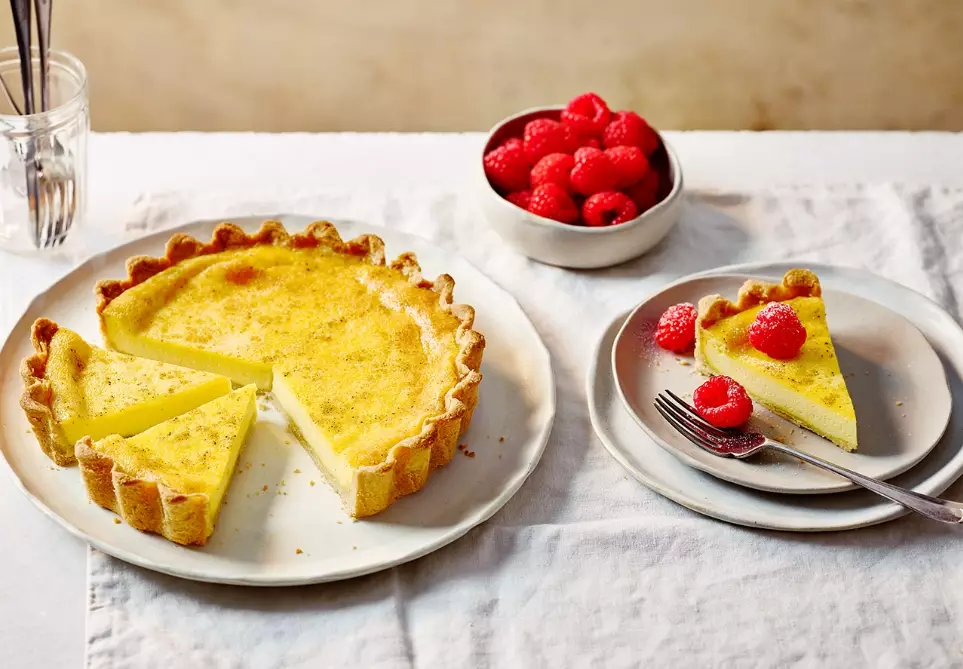
The Critical "Rubbing In" Method
Cube your cold butter. Toss it with the flour and a pinch of salt. Now, using your fingertips, rub the butter into the flour until it resembles coarse breadcrumbs with some pea-sized bits. Those bits of butter will melt in the oven, creating steam pockets – that's your flakiness.
The biggest mistake here? Overworking the dough. Once you add the egg yolks and a tablespoon of ice water, mix just until it comes together. It will look shaggy. Turn it out, knead it gently into a disc, wrap it, and chill for at least an hour. This relaxes the gluten and firms up the butter. Skipping this chill leads to shrinkage in the oven.
Blind Baking: Your Insurance Against a Soggy Bottom
Roll out your chilled dough and line a 9-inch fluted tart pan with a removable bottom. Press it into the corners. Prick the base all over with a fork. Now, the key step: blind baking.
Line the pastry with parchment paper and fill with pie weights, dried beans, or uncooked rice. Bake at 375°F (190°C) for 15 minutes. Remove the weights and parchment, then bake for another 5-8 minutes until the base looks dry and sandy. This creates a waterproof barrier for your wet custard.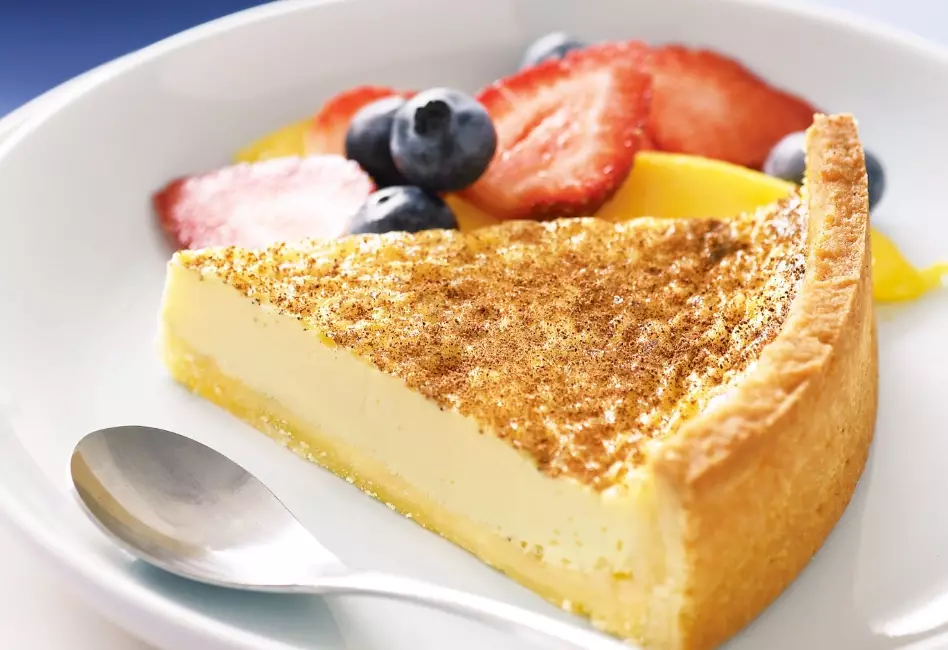
Custard Filling Secrets for a Silky Texture
This is the heart of the tart. We're making a stirred custard, or crème anglaise, that we then bake.
Warm the milk, cream, and half the sugar in a saucepan until it just starts to steam. Don't boil it. In a separate bowl, whisk the egg yolks with the remaining sugar and vanilla until pale and slightly thickened. This is called "blanching" the yolks and helps prevent them from scrambling.
Now, the tempering. This is the step everyone fears. Slowly pour the warm milk mixture into the egg yolks, whisking constantly. If you dump it all in at once, you'll get sweet scrambled eggs. Go slow. Once combined, pour it all back into the saucepan.
Cook over low heat, stirring continuously with a wooden spoon, until the mixture thickens enough to coat the back of the spoon. Run your finger through it; the line should hold. This is the "nappe" stage. Immediately strain it through a fine-mesh sieve into a jug. This catches any accidental cooked bits and ensures absolute silkiness.
How to Bake Custard Tarts to Perfection
Place your blind-baked tart shell on a baking sheet (this makes handling easier). Pour the strained custard into the shell. Grate fresh nutmeg generously over the top.
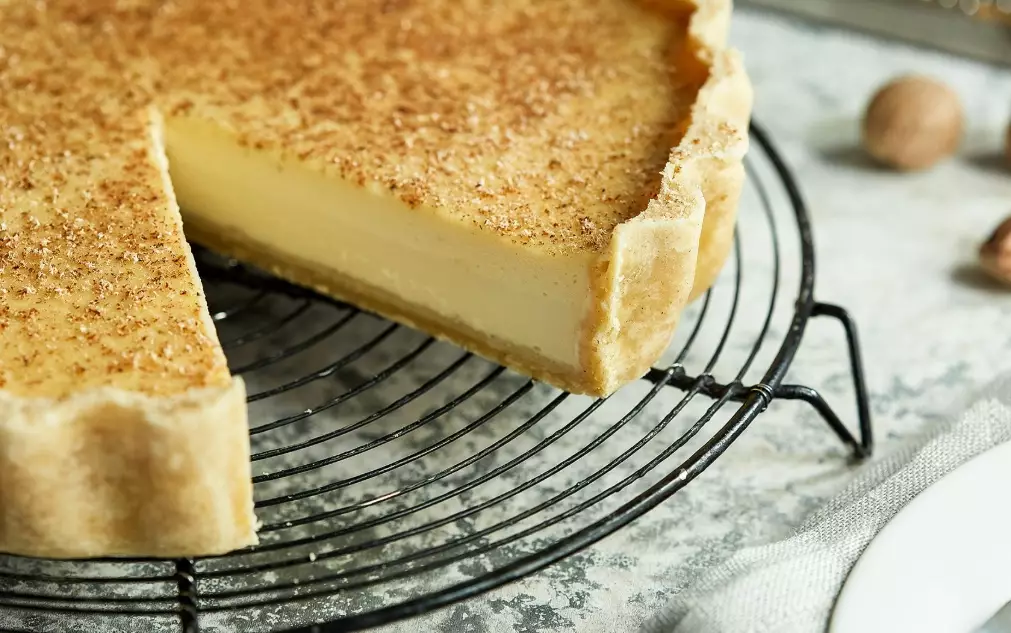
Bake at 325°F (160°C) on the middle rack. The low and slow heat is crucial for an even set without bubbles or cracks. It will take about 30-40 minutes. The center should still have a gentle, confident wobble when you shake the tray – like a firm jelly. It will set further as it cools.
Let the tart cool completely in the pan on a wire rack. This patience is the final test. Cutting into a warm custard tart is a mess. Once cool, carefully remove the outer ring of the tart pan.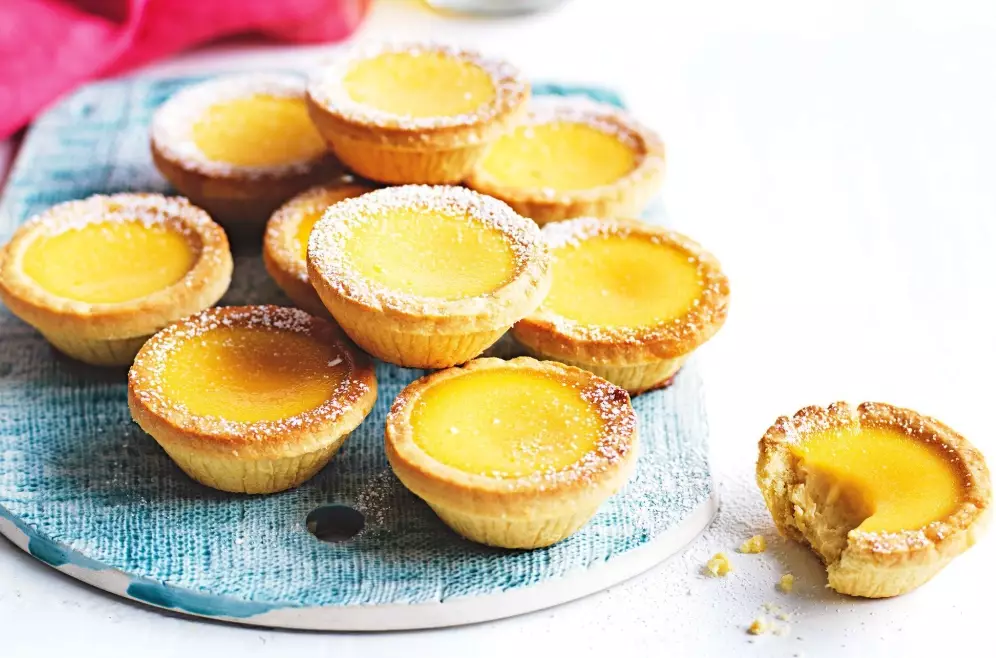
Expert Troubleshooting and Pro Tips
Here's what I've learned the hard way so you don't have to.
The filling cracked. The oven was too hot, or you baked it too long. Next time, lower the temperature and check earlier. A water bath (placing the tart pan in a larger pan with hot water) can help, but it's fiddly. I find a reliable oven thermometer and the low temp method works best.
The bottom is soggy. The blind bake wasn't sufficient, or the custard was poured in while still too hot. Ensure the pastry base looks fully dry after blind baking, and let your custard cool for 10 minutes before pouring.
The custard tastes eggy. You might have overcooked it slightly during the stovetop phase, or the eggs weren't fresh. Using vanilla bean paste instead of extract also helps mask any subtle egginess.
For a Portuguese-style tart (Pastel de Nata): The principle is different. You need a laminated puff pastry dough rolled into a spiral for those iconic flaky layers. The filling is a simpler, flour-thickened custard that is baked at an extremely high heat (often over 500°F/260°C) to blister and caramelize the top. It's a fantastic project, but it's a different beast from this classic British-style tart.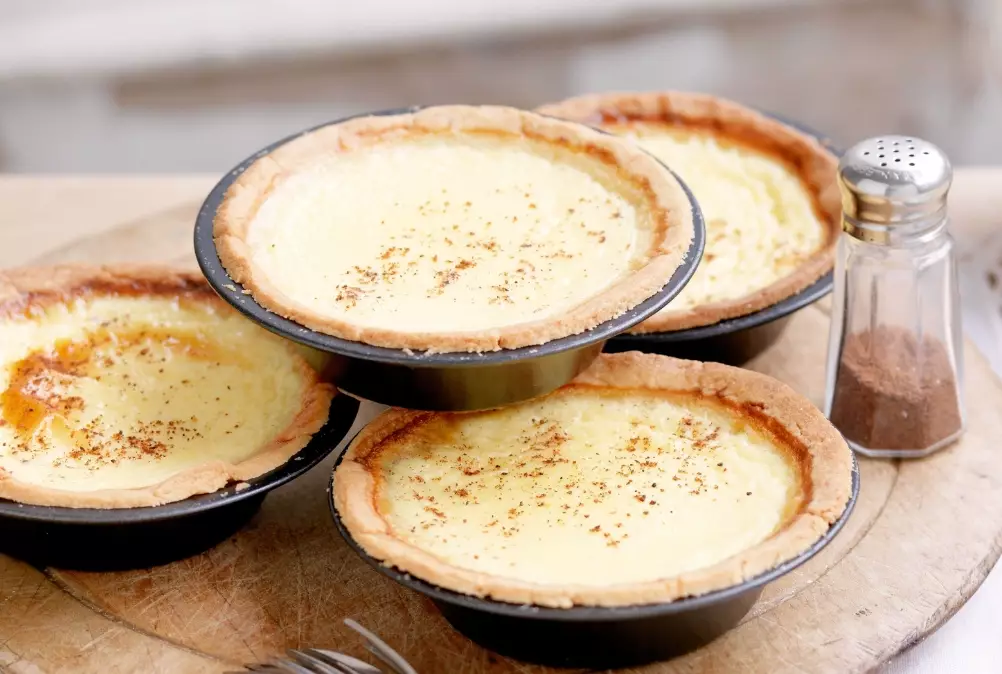
Your Custard Tart Questions Answered
Can I make a custard tart recipe ahead of time?
You can blind bake the pastry shell up to two days ahead. Keep it wrapped at room temperature. The custard filling is best made the day you bake the tart. Once assembled and baked, the complete tart keeps well in the fridge for up to two days. The texture is best served at room temperature, so take it out of the fridge an hour before serving.
Why did my custard tart filling bubble and become porous?
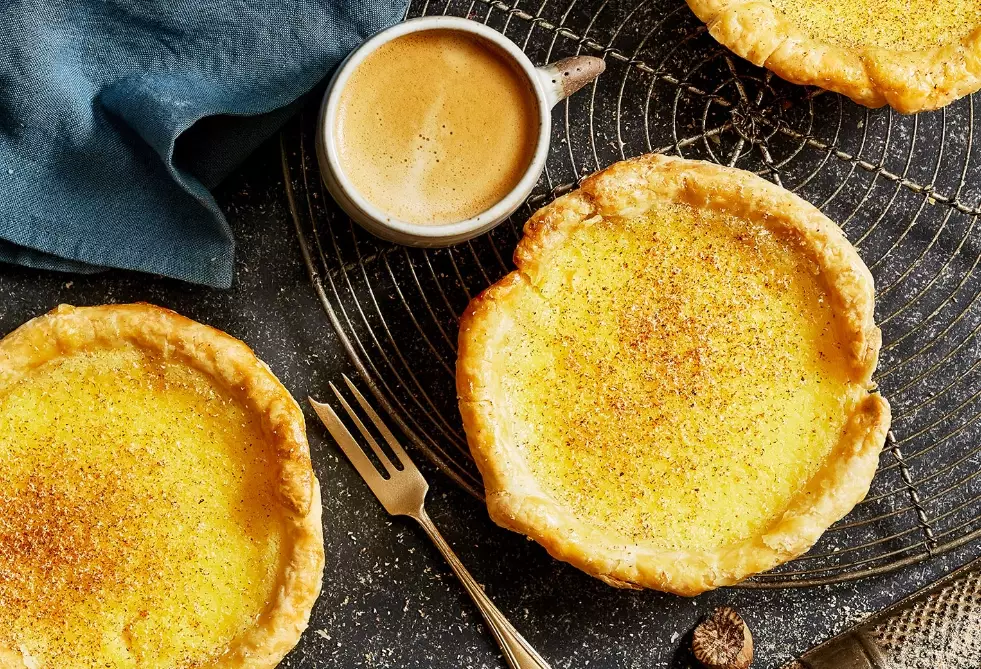
You whisked the custard mixture too vigorously after straining, or when pouring into the shell, incorporating too much air. Pour the custard gently from a jug held close to the pastry shell. Let it settle for a minute before grating nutmeg and baking. Straining also removes most bubbles.
 My custard is runny after cooling. What went wrong?
It likely didn't cook long enough on the stovetop before baking. The coating-on-the-spoon stage is critical. If it wasn't thick enough then, it won't have enough structure to set fully in the oven. Also, ensure you're using full-fat dairy and the correct ratio of yolks—they are the primary thickening agent.
What's the best way to cut a clean slice of custard tart?
Use a sharp, thin-bladed knife that you dip in very hot water and wipe clean between each cut. The heat helps the blade glide through the custard without dragging or tearing it.
Can I freeze a baked custard tart?
I don't recommend it. The custard filling tends to separate and become watery upon thawing, ruining the silky texture. Custard tarts are best enjoyed fresh or refrigerated for a short period.
 Baking a perfect custard tart is a rewarding skill. It's about understanding the science of eggs and heat, respecting the process of pastry, and having the patience to let it cool. Follow these steps, pay attention to the details, and you'll move from hoping it turns out to knowing it will. Now, go preheat your oven.