What's Inside This Guide
I still remember my first trip to Kingston, Jamaica. The smell of ackee and saltfish wafting from a street vendor's stall hooked me instantly. It's Jamaica's national dish for a reason—creamy ackee paired with savory saltfish, all spiced up just right. But when I tried making it back home, things went sideways. The ackee turned mushy, the fish was too salty, and my version tasted nothing like the real thing. After years of experimenting (and chatting with Jamaican cooks), I've pieced together a recipe that works. This guide isn't just another list of steps; it's the insider knowledge you need to nail ackee and saltfish in your kitchen.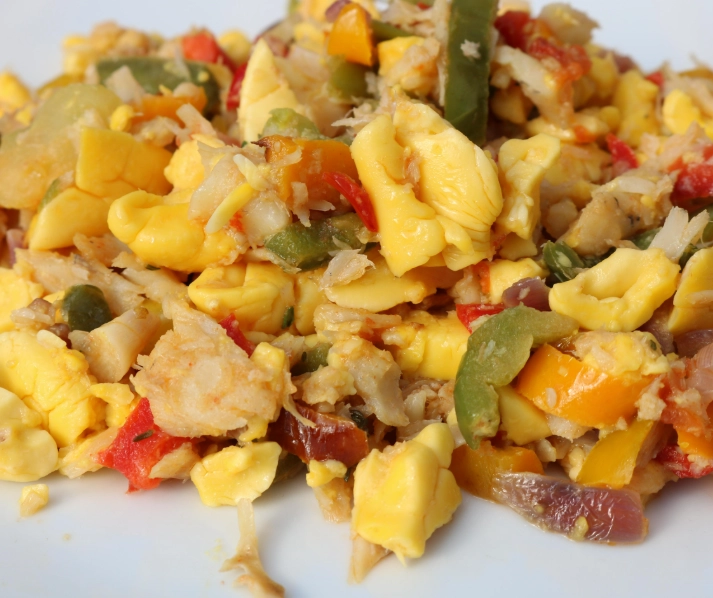
What is Ackee and Saltfish?
Ackee and saltfish is a traditional Jamaican breakfast dish, but let's be honest—it's eaten any time of day. The ackee fruit, native to West Africa but now iconic in Jamaica, has a buttery texture when cooked. Saltfish is salted cod that's been rehydrated and flaked. Together, they create a savory, slightly sweet combo that's often served with fried dumplings, boiled green bananas, or just plain rice. According to the Jamaica Tourist Board, ackee is so central to the culture that it's featured on the national coat of arms. But here's something most recipes don't tell you: the dish's history ties back to colonial times when saltfish was a cheap protein imported from Canada, and ackee was foraged locally. Today, it's a comfort food staple, but getting it right requires finesse.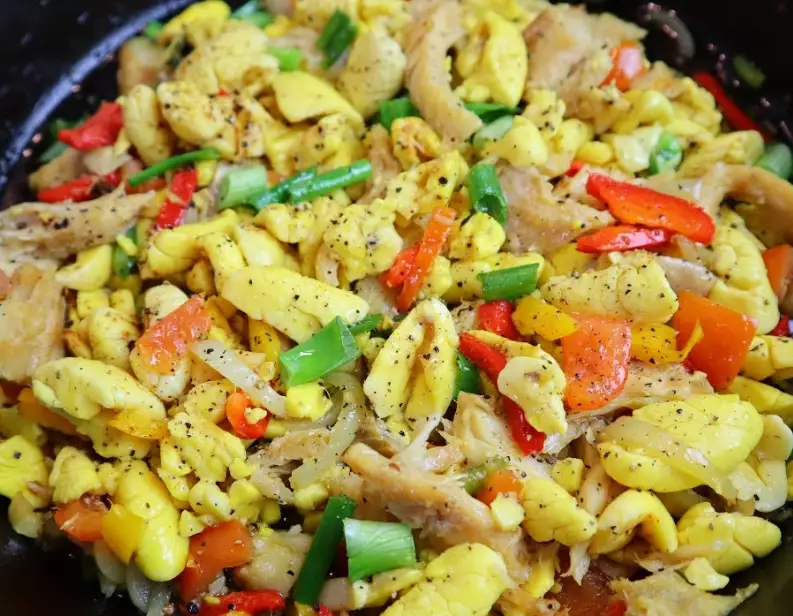
Ingredients Breakdown: What You Really Need
You can't cut corners with ingredients. I've seen recipes suggest substitutes like canned tuna or avocado, but that's a different dish altogether. For authenticity, stick to this core list. Below is a table that breaks it down—note the brand recommendations based on my trials.
| Ingredient | Quantity | Notes & Why It Matters |
|---|---|---|
| Ackee (canned) | 1 can (19 oz) | Use Grace brand if available—it's widely trusted in Jamaica. Fresh ackee is risky due to toxicity if unripe, so canned is safer for home cooks. |
| Saltfish (salted cod) | 1 lb (450g) | Look for boneless, skinless pieces. I prefer brands like Bacalao for consistent quality. Don't skip the soaking step—it's crucial. |
| Onion (medium) | 1, chopped | Yellow onions work best for sweetness. Some recipes add scallions, but that's optional. |
| Bell pepper (green) | 1, diced | Adds crunch and color. Red bell pepper can be used for a sweeter touch. |
| Tomato (ripe) | 1, chopped | Use fresh, not canned—it provides acidity without making the dish watery. |
| Scotch bonnet pepper | 1, whole or minced | This is non-negotiable for heat. Leave it whole if you prefer mild spice, or mince for more kick. Handle with care—it's hot! |
| Garlic cloves | 2-3, minced | Fresh garlic beats powder. It deepens the flavor base. |
| Thyme (fresh) | 2 sprigs | Dried thyme works in a pinch, but fresh gives an herbal punch that's key to Jamaican cooking. |
| Black pepper | 1 tsp | Freshly ground is ideal. Avoid over-peppering—it can mask the ackee's subtlety. |
| Vegetable oil | 3 tbsp | For sautéing. Coconut oil is a tasty alternative if you want a Caribbean twist. |
Some folks add carrots or celery, but in my view, that dilutes the classic flavor. Stick to this list, and you're golden.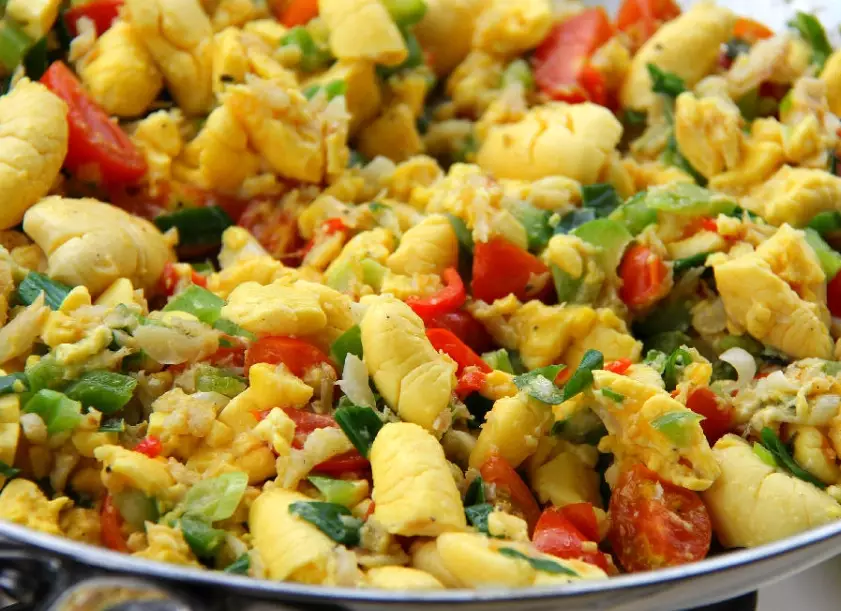
Step-by-Step Cooking: From Prep to Plate
This process isn't hard, but timing is everything. I'll walk you through each phase, highlighting where most home cooks slip up.
Preparing the Saltfish: The Soaking Secret
Rinse the saltfish under cold water to remove surface salt. Then, soak it in a bowl of water for at least 8 hours, changing the water twice. Yes, overnight is best—it draws out excess salt without stripping all flavor. I once tried a quick soak for 2 hours, and the dish was inedibly salty. After soaking, boil the fish in fresh water for 15-20 minutes until tender. Drain, let it cool, then flake it into small pieces, removing any bones. This step ensures the fish isn't tough or overly saline.
Cooking the Ackee: Handle with Care
Drain the canned ackee in a colander—don't rinse it, as that washes away its natural creaminess. Gently pat it dry with a paper towel. In a large skillet, heat 2 tbsp oil over medium heat. Add the ackee and sauté for 3-4 minutes, stirring lightly, until it's just warmed through. Remove it from the pan and set aside. Overcooking here turns ackee to mush; think of it as warming, not frying.
Combining and Seasoning: Building Layers
In the same skillet, add another tbsp of oil. Sauté onion, bell pepper, and garlic until soft, about 5 minutes. Add tomato, thyme, and Scotch bonnet pepper—if using whole, pierce it to release flavor without overwhelming heat. Cook for another 3 minutes. Then, fold in the flaked saltfish and cooked ackee. Season with black pepper. Gently mix everything, letting it simmer on low heat for 5-7 minutes. The goal is to blend flavors without breaking the ackee apart. Remove the Scotch bonnet before serving if you left it whole.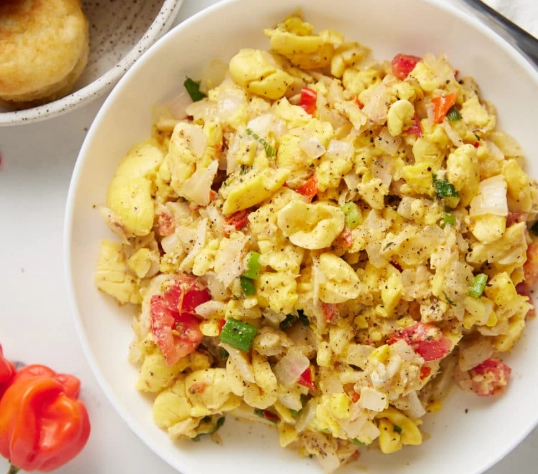
Common Mistakes and How to Dodge Them
I've messed up enough times to know the pitfalls. Here's what to watch for.
Over-soaking the saltfish: If you soak it beyond 12 hours, it loses all salt and becomes bland. Aim for 8-10 hours with water changes.
Rinsing the ackee: As mentioned, this strips its texture. Drain, don't wash.
High heat cooking: Ackee is delicate. Use medium-low heat to prevent it from disintegrating.
Skimping on Scotch bonnet: This pepper defines the dish's heat profile. If unavailable, habanero is a close substitute, but don't use jalapeño—it lacks the fruity depth.
Stirring too vigorously: Treat the mix like a fragile scramble. Fold gently with a spatula.
One more thing: many online recipes call for adding soy sauce or Worcestershire sauce. In traditional Jamaican cooking, that's a no-go—it overpowers the natural flavors. Stick to the basics.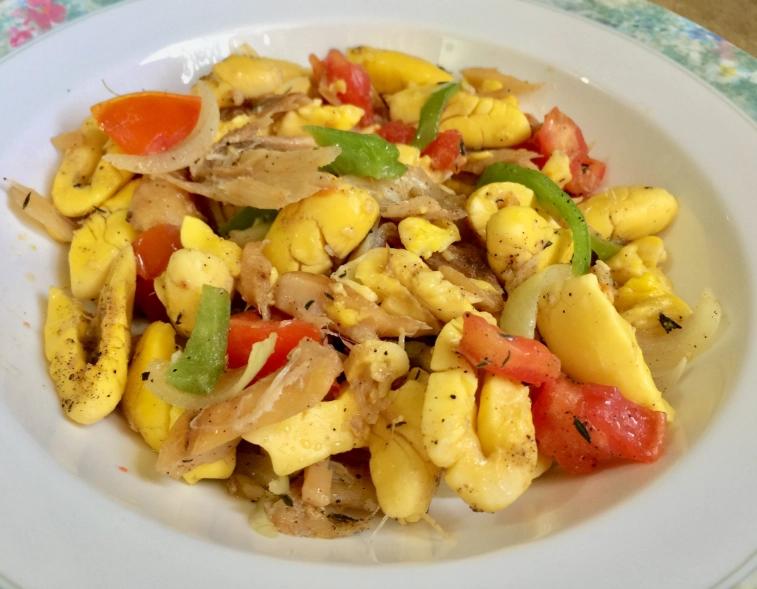
Serving and Pairings: Beyond Breakfast
Ackee and saltfish is versatile. Serve it hot with fried dumplings or boiled green bananas for a classic Jamaican breakfast. For lunch or dinner, pair it with white rice and peas—the creaminess of the ackee complements the starch perfectly. I've also enjoyed it with roasted breadfruit or even as a filling for wraps. Leftovers? They reheat well, but avoid microwaving on high; use a skillet on low to preserve texture. According to food historians, the dish's pairing with starchy sides stems from its roots as a hearty, economical meal. Today, it's a crowd-pleaser at brunches or potlucks.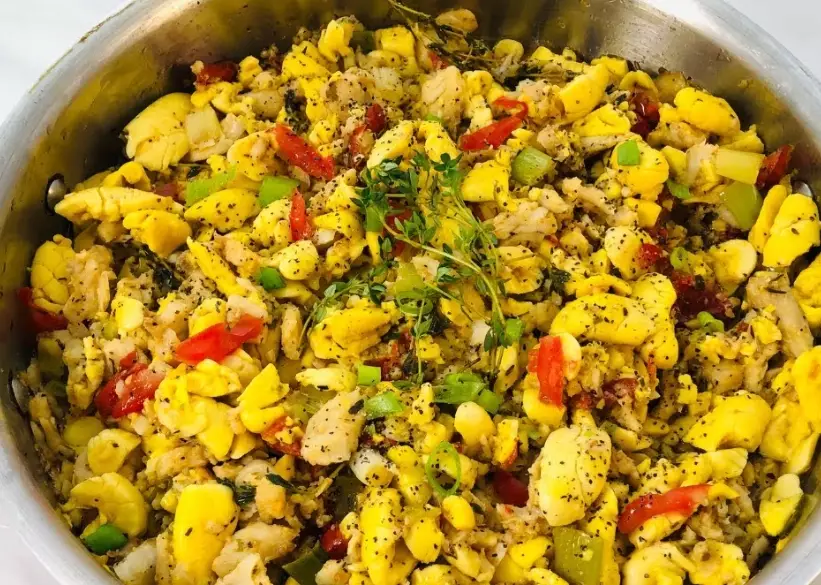
Your Questions Answered (FAQ)
There you have it—a comprehensive guide to ackee and saltfish that goes beyond the basics. Whether you're a Caribbean food newbie or a seasoned cook, this recipe delivers authenticity without fuss. Give it a try, and let the flavors of Jamaica brighten your table.