Let's talk about zabaglione. Or sabayon, if you're feeling French. It's that magical, cloud-like Italian dessert that sits somewhere between a custard and a mousse, made with just egg yolks, sugar, and wine. It sounds simple, and it is—if you know the tricks. I've seen too many people end up with a pan of sweet scrambled eggs or a sad, runny sauce. After making this for years (and yes, messing it up a few times early on), I've nailed down a method that works every single time. This isn't just another recipe list; it's the roadmap I wish I'd had.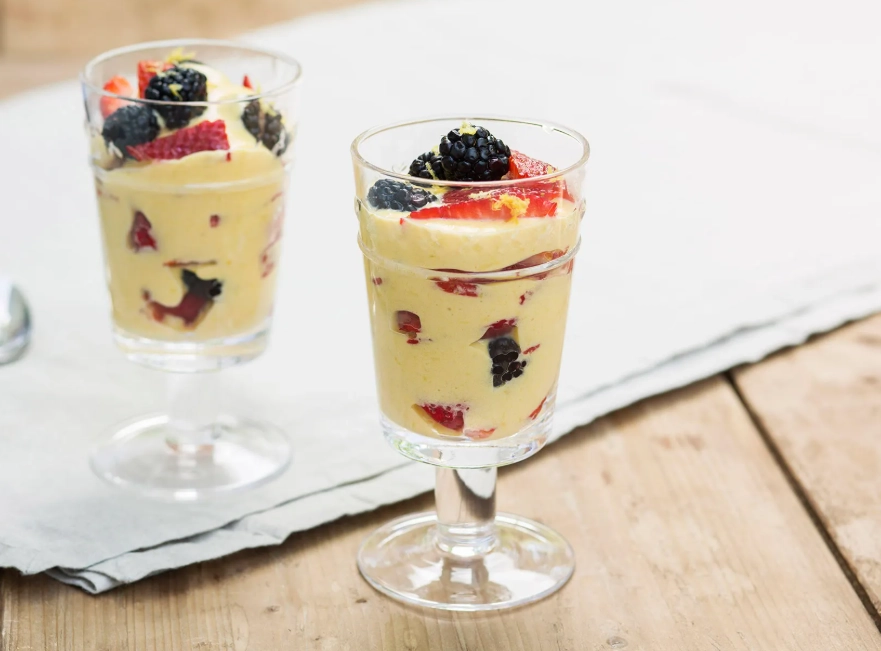
In This Article: What You'll Learn
- What Exactly Is Zabaglione (And Why It's Special)
- The Foolproof Zabaglione Recipe: Ingredients & Ratios
- How to Make Perfect Zabaglione: A Step-by-Step Guide
- 3 Common Mistakes That Ruin Zabaglione (And How to Avoid Them)
- Beyond the Glass: Creative Ways to Serve Zabaglione
- Your Zabaglione Questions, Answered
What Exactly Is Zabaglione (And Why It's Special)
Zabaglione is a classic Italian dessert from the Piedmont region. It's essentially a cooked foam. You whisk egg yolks and sugar over a gentle, simmering water bath (a bain-marie or double boiler) until they become pale and thick. Then, you slowly stream in Marsala wine—the traditional choice—while continuing to whisk, until the mixture triples in volume and holds a soft, luscious shape.
The magic is in the transformation. You start with three basic, liquid ingredients and end up with a warm, fragrant, spoonable cloud. The wine isn't just for flavor; its alcohol and acidity help stabilize the foam. While Marsala is the gold standard, the beauty of this dessert is its adaptability. We'll get to alternatives.
It's often served warm in a glass, but it's also incredible as a sauce for fruit, cake, or even poured over ice cream. It feels fancy but requires no special equipment beyond a bowl, a pot, and a whisk. Or, let's be honest, a hand mixer if you want to save your arm.
The Foolproof Zabaglione Recipe: Ingredients & Ratios
Getting the ratio right is 80% of the battle. Too much sugar and it won't foam properly. Too much wine and it might not thicken. This is my tested, balanced formula for 4 generous servings.
| Ingredient | Quantity | Notes & Why It Matters |
|---|---|---|
| Large Egg Yolks | 6 | Use fresh, room temperature eggs. The yolks are the engine of the foam. Cold yolks take forever to thicken. |
| Granulated Sugar | 75g (about 6 tbsp) | Fine sugar dissolves faster. This amount provides sweetness without weighing down the foam. |
| Marsala Wine (Fine/Dry) | 150ml (about 2/3 cup) | The soul of the dish. Use a decent quality dry Marsala. Sweet Marsala makes it cloying. If you can't find it, see substitutions below. |
| Pinch of Salt | 1 | Non-negotiable. It balances the sweetness and brightens all the flavors. |
No Marsala? No Problem. While traditional, you can use other fortified wines. Dry Madeira or a sweet sherry like Pedro Ximénez work well. For a non-alcoholic version, replace the wine with an equal amount of fresh orange or tangerine juice mixed with a teaspoon of lemon juice and a teaspoon of vanilla extract. The acidity is key.
How to Make Perfect Zabaglione: A Step-by-Step Guide
Setting Up Your Station
First, find a heatproof bowl that fits snugly over a medium saucepan without touching the water. Fill the saucepan with about 2 inches of water and bring it to a bare simmer, then reduce the heat to low. You want gentle steam, not a rolling boil. If the water touches the bowl or boils violently, you're making scrambled eggs.
Combine the egg yolks, sugar, and salt in the bowl. Whisk them together off the heat until just combined and slightly pale. This initial mixing helps the sugar start dissolving.
The Whisking Process: Patience is Key
Place the bowl over the simmering water. Now, start whisking. Constantly. Use a balloon whisk or a hand mixer on medium speed. I prefer a hand mixer for consistency and to avoid fatigue.
Here's the visual timeline you're looking for:
- Minutes 1-3: The mixture will be thin and runny. You're just warming it up.
- Minutes 4-6: It will begin to thicken slightly, coating the back of a spoon. It will feel warm to the touch.
- Minutes 6-8: This is when you start adding the Marsala. Do not dump it in. Add it in a slow, steady stream while whisking continuously. This is crucial to prevent the mixture from cooling down too quickly and breaking.
Once all the wine is in, keep whisking. The volume will start to increase dramatically. You're looking for the mixture to form soft, billowing peaks that hold their shape for a second when the whisk is lifted. It should be the consistency of a very thick, airy whipped cream. This usually takes 10-12 minutes total from start to finish.
The Temperature Test: If you have a thermometer, aim for 160°F (71°C). This is hot enough to cook the eggs safely but not so hot that they curdle. If you don't have one, trust the "ribbon test": lift the whisk and let the mixture fall back into the bowl. It should sit on the surface for a few moments before melting in.
3 Common Mistakes That Ruin Zabaglione (And How to Avoid Them)
- Heat Too High. This is the number one killer. If your water is boiling or the bowl is touching it, the eggs will cook too fast and curdle. Keep it at a lazy simmer.
- Adding the Wine Too Early or Too Fast. If you add cold liquid to barely warmed yolks, it shocks them and they'll never achieve volume. Wait until the yolk-sugar mix is properly warm and thickened (the "coat the spoon" stage), then add the wine slowly.
- Under-whisking. You can't walk away. Constant agitation incorporates air and ensures even cooking. If you stop, the eggs at the bottom of the bowl will overcook. Put on a podcast and commit.
One more subtle point: the size of your bowl matters. If it's too large for the amount of mixture, the foam will spread too thin and won't build volume as effectively. A medium-sized bowl that fits over your pot is ideal.
Beyond the Glass: Creative Ways to Serve Zabaglione
Serving it warm in a coupe glass is classic and wonderful. But zabaglione is a versatile superstar.
- The Trifle Layer: Let it cool completely, then use it as a luxurious layer in a berry trifle instead of custard.
- Fruit Dip/Sauce: Pour it warm over a bowl of fresh berries, sliced peaches, or figs. It's incredible with pound cake or sponge cake too.
- The "Semifreddo" Hack: Fold the freshly made, warm zabaglione into an equal volume of softly whipped heavy cream. Pour it into a loaf pan and freeze. You've just made an insanely easy, no-churn frozen dessert.
- Breakfast Upgrade: A dollop on top of French toast or pancakes? Yes, please. Use a citrus juice version for this.
Your Zabaglione Questions, Answered
Can I make zabaglione ahead of time, and how do I store it?
Zabaglione is best served immediately, as it will slowly deflate and may separate as it cools. However, you can make it up to 2 hours ahead if you need to. Transfer it to a clean bowl, press plastic wrap directly onto the surface to prevent a skin, and keep it at room temperature (not in the fridge, as chilling will cause it to collapse). Give it a brief whisk before serving to fluff it back up. I don't recommend refrigerating it overnight for a standalone dessert—the texture suffers.
Why is my zabaglione runny and thin?
This usually means it didn't get hot enough or you didn't whisk it long enough. The eggs need to reach a temperature where they coagulate enough to hold the air bubbles. Go back to the double boiler and keep whisking over low heat. It might still salvage. Next time, use a thermometer to ensure you hit 160°F and whisk until you get definite, soft peaks.
My zabaglione looks grainy or slightly curdled. What happened?
The heat was too high, and the eggs cooked too fast. Unfortunately, once it's curdled, you can't fully reverse it. You can try straining it through a fine-mesh sieve to remove the larger bits, but the texture won't be perfectly smooth. This is a lesson in heat control for next time. Start with barely simmering water and keep it low.
Is it safe to eat zabaglione with raw eggs?
In this recipe, the eggs are cooked over simmering water to a safe temperature (160°F/71°C), which pasteurizes them. That's why the constant whisking over heat is a safety step as much as a textural one. If you're concerned or serving someone with a compromised immune system, you can use pasteurized egg yolks from the carton, though they may be slightly thinner and require a bit more whisking time.
Can I use a different sweetener like honey or maple syrup?
I wouldn't. Granulated sugar dissolves cleanly and helps aerate the yolks. Liquid sweeteners like honey add extra moisture and can inhibit the foam's structure, leading to a denser, less stable zabaglione. Stick with white sugar for the best results.
 So there you have it. Zabaglione seems like a restaurant dessert, but it's truly a 15-minute wonder you can make at home. It's about confidence and understanding the process. Get your ratios right, control your heat, and whisk like you mean it. The result is a taste of Italian sunshine that's far more impressive than the effort suggests. Now go raid your pantry for some Marsala.