Let's be honest. Indian desserts have a reputation. They seem complex, laden with exotic ingredients, and require skills passed down through generations. I thought the same when I first tried to make Gulab Jamun from a sketchy online recipe years ago. The result? Hard, greasy balls that no amount of sugar syrup could save. It was a disaster. But after countless trials, errors, and learning from my grandmother's cryptic notes (“a pinch of this,” “cook until it feels right”), I realized something. The core techniques are surprisingly straightforward. The magic isn't in secret ingredients, but in understanding a few key principles. This guide is here to demystify that process for you.
What's Cooking Inside?
The Ultimate Gulab Jamun Recipe
Gulab Jamun is the king of Indian sweets for a reason. A soft, melt-in-your-mouth dumpling soaked in fragrant cardamom and rose syrup. Most recipes online will tell you to use milk powder. It works, but it often yields a slightly grainy texture. The traditional method uses khoya (reduced milk solids), which is richer and smoother. Here’s how to make the real deal, with a reliable workaround if you can't find khoya.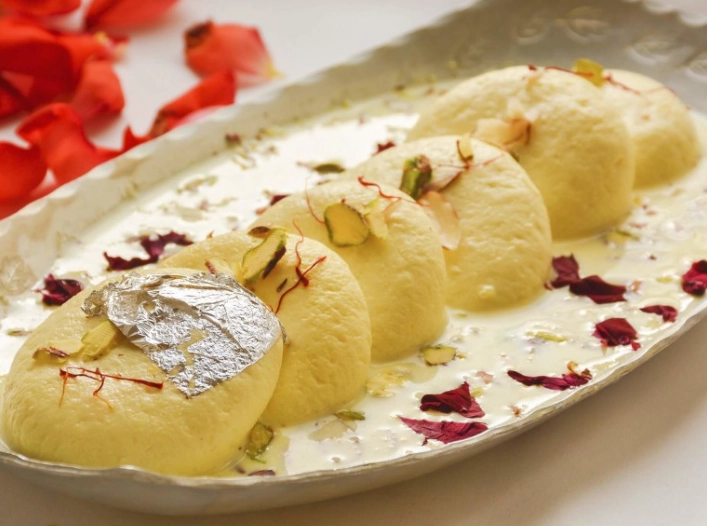
Gulab Jamun: Ingredients & Method
For the dough:
- 1 cup (200g) khoya (grated). No khoya? Use 1 cup full-fat milk powder + 2 tbsp all-purpose flour + 1/4 cup milk to bind.
- 3 tbsp all-purpose flour (maida)
- 1/4 tsp baking soda
- 1-2 tbsp milk (as needed)
- A pinch of cardamom powder
- Ghee or oil for deep frying
For the sugar syrup (chashni):
- 1.5 cups sugar
- 1.5 cups water
- 4-5 green cardamom pods, lightly crushed
- A few strands of saffron (optional)
- 1 tsp rose water (add after syrup cools slightly)
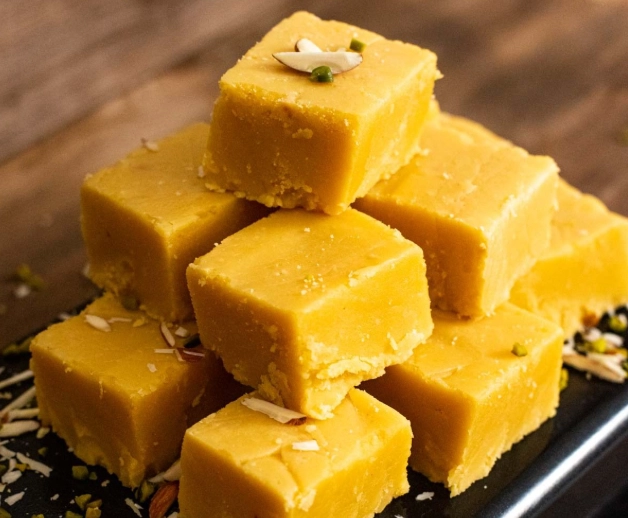
Step-by-Step:
- Make the syrup first. Combine sugar and water in a wide pan. Heat on medium until the sugar dissolves. Add cardamom and saffron. Simmer for 5-7 minutes until it's slightly sticky (one-string consistency). Turn off heat, stir in rose water, and keep warm.
- Knead the dough. In a bowl, mix grated khoya, flour, baking soda, and cardamom powder. Add milk, a teaspoon at a time, to form a soft, smooth dough. It should not be wet or sticky. Over-kneading makes them hard, so stop as soon as it comes together.
- Shape the balls. Divide the dough into 15-18 equal portions. Roll them into flawless, crack-free balls. Any cracks will cause them to break while frying.
- Fry with patience. Heat ghee/oil on low-medium heat. This is crucial. The oil should be just warm, not smoking hot (around 130°C/265°F). Add the balls. They will sink initially. Gently stir. Fry for 7-8 minutes until they slowly turn a deep golden brown. Increase heat slightly for the last minute for color.
- Soak. Immediately transfer the hot Gulab Jamuns to the warm syrup. Let them soak for at least 2-3 hours (overnight is heaven). They double in size.
The biggest lightbulb moment for me was the frying temperature. Too hot, and they brown outside but stay raw inside. Too cool, and they soak up too much oil. Low and slow is the mantra.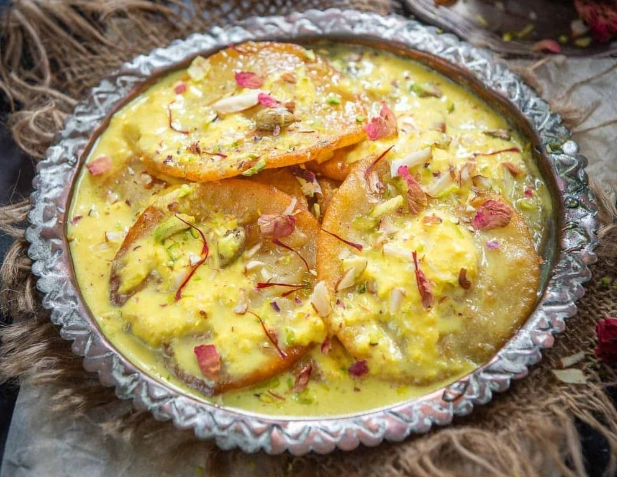
Fluffy Bengali Rasgulla: A Step-by-Step Guide
Rasgulla is a test of patience and technique. These spongy, white cheese balls floating in light syrup are a Bengali masterpiece. The main ingredient is chenna(fresh paneer). Store-bought paneer won't work—it's too firm. You have to make chenna from scratch, which is simpler than it sounds.
Here’s the breakdown.
Making the Chenna: Bring 1.5 liters of full-fat milk to a boil. Turn off the heat. Add 3-4 tablespoons of lemon juice or vinegar mixed with some water. Stir gently until the milk curdles completely (the whey should be clear greenish-yellow). Strain through a muslin cloth. Rinse the chenna under cold water to remove the sourness of the lemon. Now, the critical part: hang the cloth for 30 minutes to drain excess whey. The chenna should be moist but not wet. If it's too dry, the rasgulla won't be soft. If it's too wet, they'll disintegrate in the syrup.
Kneading and Cooking: Knead the chenna on a smooth surface for 8-10 minutes until it becomes smooth, glossy, and releases a bit of grease. No grains should remain. Make small, smooth balls. In a wide pressure cooker, make a light syrup with 4 cups of water and 1.5 cups of sugar. Bring it to a boil. Gently drop the balls in. They will expand. Close the pressure cooker lid without the whistle/weight. Cook on medium heat for 10 minutes, then on low for another 5. Let the pressure drop naturally. Open to find beautiful, spongy rasgullas.
The kneading time is non-negotiable. Under-kneaded chenna produces dense, rubbery balls. I’ve timed it—anything less than 7-8 minutes of proper kneading and the texture is off.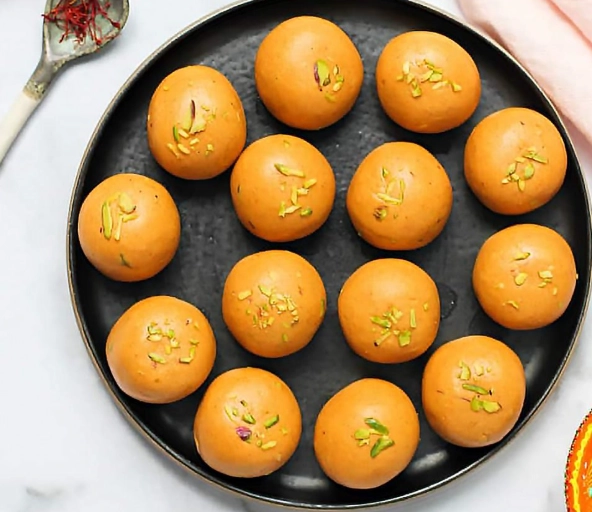
Gajar Halwa (Carrot Pudding) for Any Season
Gajar Halwa is the cozy, comforting dessert. While winter red carrots are traditional, you can make a delicious version year-round with regular carrots. The effort is in the grating, but the process is forgiving.
| Ingredient | Quantity | Note |
|---|---|---|
| Red carrots (grated) | 1 kg (about 8 cups) | Peel and grate coarsely. |
| Full-fat milk | 1 liter | Evaporated milk can be used for a richer, quicker result. |
| Sugar | 3/4 to 1 cup | Adjust to taste. |
| Ghee | 4-5 tablespoons | Clarified butter is essential for flavor. |
| Khoya (optional) | 1/2 cup (grated) | For extra richness. |
| Cardamom powder | 1 tsp | |
| Nuts (almonds, cashews) | 2 tbsp, chopped | For garnish. |
Method: In a heavy-bottomed pan or kadai, heat 2 tbsp ghee. Add the grated carrots and sauté for 5 minutes. Pour in the milk. Bring to a boil, then simmer on medium-low heat. Stir occasionally. This is the long part—it can take 45-60 minutes for the milk to reduce and thicken around the carrots. Once the milk is almost absorbed, add sugar. The halwa will become loose again. Cook until it thickens to your desired consistency. Add the remaining ghee, cardamom powder, and khoya (if using). Fry for another 5-7 minutes until it gathers together. Garnish with fried nuts.
Pro tip: Don't rush the milk reduction on high heat. It can scorch the bottom and give a burnt taste. Slow cooking brings out the natural sweetness of the carrots.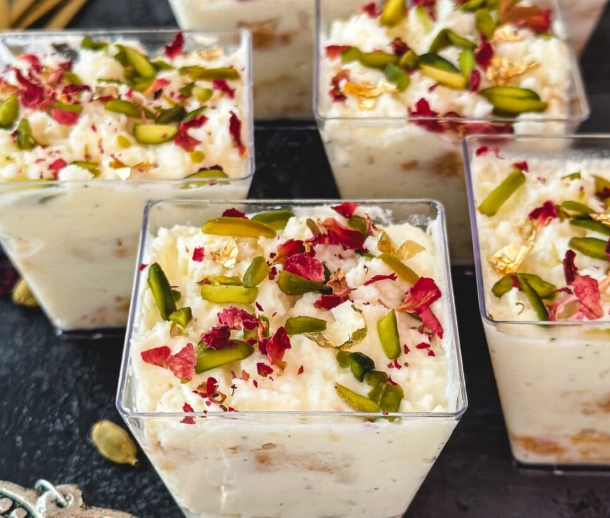
The 5 Mistakes Everyone Makes (And How to Fix Them)
After teaching these recipes for years, I see the same errors pop up. Avoiding these will instantly elevate your results.
1. Overworking the Gulab Jamun Dough: You knead it like bread dough. Don't. Mix until just combined. Over-kneading develops gluten in the flour, leading to tough Gulab Jamuns.
2. Frying Gulab Jamun in Hot Oil: This is the #1 reason for raw centers. The oil must be on low-medium. If you don't have a thermometer, test with a tiny piece of dough. It should slowly rise to the surface over 30 seconds.
3. Using Wet Chenna for Rasgulla: If your chenna bundle drips water when pressed lightly, it's too wet. Hang it longer or gently press it between layers of paper towel. Dry it out just enough.
4. Adding Sugar Too Early in Gajar Halwa: Sugar releases water. If you add it before the milk is fully reduced, you'll be cooking forever, and the carrots can become mushy.
5. Substituting Ghee with Butter: In desserts like halwa, butter burns at a lower temperature and lacks the nutty, aromatic depth of ghee. It's worth getting a jar of good ghee.