Let's talk about heat. Not the uncomfortable kind, but the glorious, sweat-on-your-brow, flavor-exploding kind that comes from a perfectly crafted spicy dish. I've been chasing that burn for over a decade, from sweating over a wok in Sichuan to nursing a glass of milk after my first encounter with a ghost pepper. Most guides just throw a list of recipes at you. That's like giving someone a scalpel without teaching them anatomy. The real magic isn't just in following steps; it's in understanding the *why* behind the heat. Why does a jalapeño in a salsa taste different from one in a stir-fry? Why does your tongue feel numb, not just hot, with Sichuan peppercorns? Let's dig into that.
Spice Up Your Reading: Quick Navigation
Understanding Heat: It's Not Just About Pain
First thing most people get wrong: they think "spicy" equals "painful." It's more nuanced. The heat in chilies comes from capsaicinoids, primarily capsaicin. This compound tricks your brain's heat receptors. But different chilies have different capsaicinoid profiles, which is why a habanero's heat feels sharp and immediate, while a Carolina Reaper's creeps up and lingers like a bad decision.
The Scoville Scale is a decent starting point, but it only measures intensity, not character. A Thai bird's eye chili (50,000-100,000 SHU) delivers a clean, sharp punch perfect for cutting through coconut milk. A chipotle pepper (2,500-8,000 SHU), which is a smoked jalapeño, brings a deep, smoky warmth that builds in the back of your throat. Treating them interchangeably is the first ticket to a disappointing meal.
Your Spicy Pantry: Essential Chili Peppers
You don't need twenty different chilies. Start with these five workhorses. I've organized them not just by heat, but by their flavor role.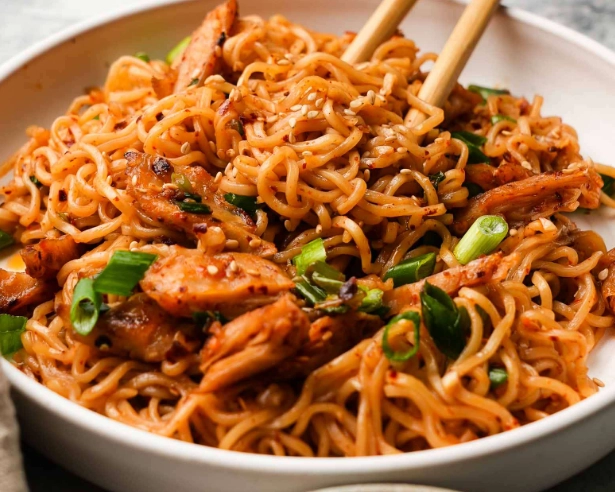
| Chili Pepper | Scoville Heat Units (Approx.) | Flavor Profile & Best Use | Form to Keep On Hand |
|---|---|---|---|
| Jalapeño | 2,500 - 8,000 | Grassy, bright, slightly sweet. The all-rounder. Perfect for salsas, pickling, stuffing, or fresh garnish. | Fresh, pickled slices, canned (for nachos). |
| Serrano | 10,000 - 23,000 | Like a jalapeño's more intense, sharper cousin. Less sweet, more herbal punch. Ideal for pico de gallo or blended hot sauces where you want heat to stand out. | Fresh. They lose something when dried. |
| Chipotle (in Adobo) | 2,500 - 8,000 | Smoky, sweet, tangy, with a deep umami warmth. This isn't just heat; it's a complex sauce base. Blends into marinades, stews, and creamy sauces beautifully. | Canned chipotles in adobo sauce. Freeze leftovers in an ice cube tray. |
| Gochugaru (Korean Red Pepper Flakes) | 1,500 - 10,000 (varies widely) | Sun-dried, coarsely ground, with a sweet-smoky-fruity flavor and moderate heat. The soul of kimchi and gochujang. It toasts wonderfully for aroma. | Flakes. Store in the fridge to preserve color and flavor. |
| Cayenne / Crushed Red Pepper | 30,000 - 50,000 | Pure, direct, dry heat with a slightly bitter edge. Your utility player for sprinkling into oils, dusting on pizza, or adding a quick kick to dry rubs. | Ground powder or flakes. |
See the pattern? It's about flavor first, heat second. A dish with only cayenne will be hot but one-dimensional. A dish with chipotle and jalapeño will have layers.
The Golden Rule: Balancing Heat with Flavor
This is where most home cooks stumble. They add chili and call it a day. The heat should be a component in the symphony, not the only instrument playing. You need to build bridges for that heat to travel across.
Fat is your best friend. Capsaicin is fat-soluble. Cooking chilies in oil (like frying chili flakes in sesame oil for a Sichuan start) spreads the heat evenly and mellows its harshness. Dairy fats (yogurt, cream, cheese) are particularly effective at coating the mouth and neutralizing the burn temporarily—that's why raita works with curry.
Acidity cuts through. A squeeze of lime juice, a dash of vinegar, or a spoonful of tamarind paste can lift and brighten a spicy dish, preventing the heat from feeling heavy or oppressive. Think of the lime in a spicy Thai soup.
Sweetness tames. A pinch of sugar, a swirl of honey, or the natural sugars in roasted vegetables or fruits (like mango or pineapple) can round out sharp heat, creating a more complex, pleasant experience. It's not about making it sweet; it's about harmony.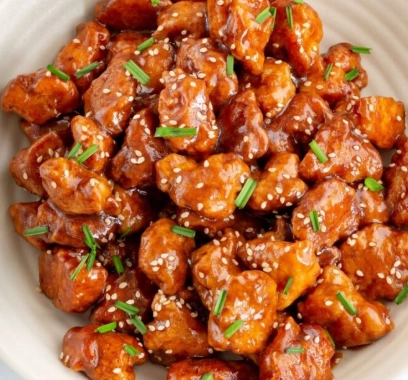
How Do You Actually Build a Spicy Dish?
Let's move from theory to practice. Here are three frameworks, from weeknight easy to weekend project.
1. The 20-Minute Weeknight Warrior: Spicy Garlic Noodles
This is a template, not a prison. Cook your noodles (udon, spaghetti, rice noodles). In a wok or large pan, heat 3 tbsp neutral oil over medium. Add 4 minced garlic cloves, 1-2 finely chopped serranos (seeds in for heat, out for mild), and the white parts of 2 scallions. Fry for 60 seconds until fragrant. Add 2 tbsp soy sauce, 1 tbsp oyster sauce, 1 tsp sugar, and 1 tsp toasted sesame oil. Toss in the noodles and a splash of pasta water. Finish with the green parts of the scallions and a squeeze of lime. The fat from the oil carries the chili heat, the soy and sugar balance it, the lime lifts it. Dinner's done.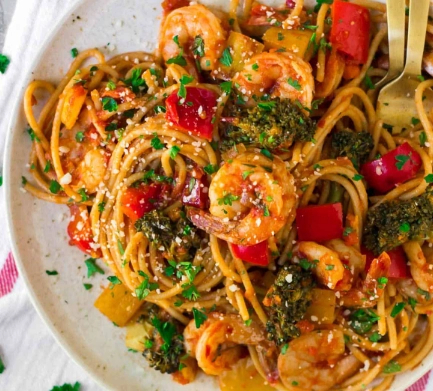
2. The Deep Flavor Build: A Simple Chipotle Chicken Tinga
This uses that can of chipotles. Shred cooked chicken (rotisserie works). In a blender, combine 2 chipotle peppers from the can, 1 tbsp of the adobo sauce, 1 can of fire-roasted tomatoes, half an onion, and 2 garlic cloves. Blend smooth. In a pot, sauté the other half of the onion, sliced. Pour in the blended sauce and simmer for 10 minutes. Add the chicken and heat through. Serve on tostadas with crema and avocado. Notice the process: the chilies are blended into a complex sauce base, not just sprinkled on top. The long simmer melds the smoky heat with the tomato's acidity.
3. The Global Technique: Sichuan Ma Po Tofu at Home
This teaches you about "mala"—the numbing-spicy sensation from Sichuan peppercorns. Get Sichuan peppercorns and doubanjiang (fermented broad bean paste) from an Asian market. Soften 1 tbsp of minced ginger and 2 tbsp of doubanjiang (which is spicy and salty) in oil. Add 200g of ground pork, cook until browned. Add 2 cups of stock, then cubes of soft tofu. Simmer gently. Mix 2 tsp cornstarch with water, stir in to thicken. The magic finish: heat 2 tbsp of neutral oil until smoking. In your serving bowl, place 1-2 tsp of ground Sichuan peppercorns and 1 tbsp of chili flakes. Pour the smoking oil over the spices—it will sizzle and bloom their aromas instantly. Then ladle the tofu and pork over this oil. The dish is layered: salty-umami from the paste, meaty richness, soft tofu, and the final aromatic, tingly heat from the bloomed spices.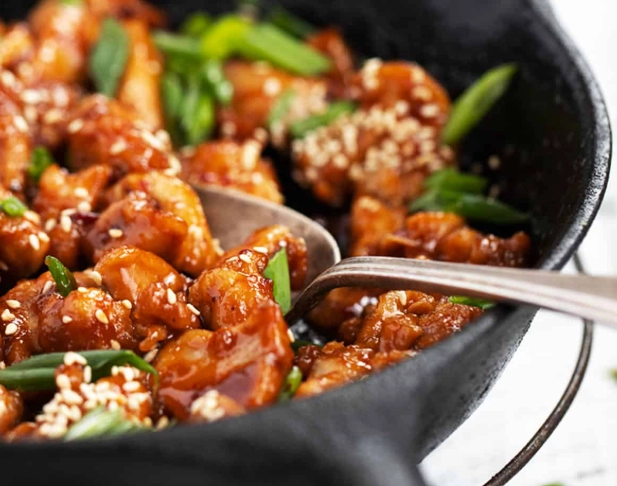
What Are Common Mistakes When Cooking Spicy Food?
Beyond adding chili at the wrong time, here are subtle errors I see even experienced cooks make.
Not Toasting Whole or Ground Spices. Throwing ground cumin or coriander directly into a wet curry means you'll taste them, but you won't *smell* them. Dry-toast them in a pan for 30 seconds until fragrant first. The aroma compounds wake up, making the entire dish more vibrant and better able to stand up to heat.
Forgetting the Cooling Counterpoint. Every spicy meal needs a plan for the palate. It's not an admission of weakness; it's intelligent design. A simple cucumber-yogurt raita, a crisp, slightly sweet slaw, or even just plain white rice are not afterthoughts. They are essential safety valves that let people enjoy more heat because they know there's relief available.
Using Stale Chili Powder or Flakes. That jar of red pepper flakes that's been in your cabinet for three years has lost most of its volatile oils—its flavor and much of its heat. It will just add dustiness. Buy small quantities from stores with high turnover, or better yet, buy whole dried chilies and grind them as needed. The difference is night and day.
I learned this the hard way trying to impress friends with a "fiery" chili. Used old powder. The beans were great. The heat was a no-show.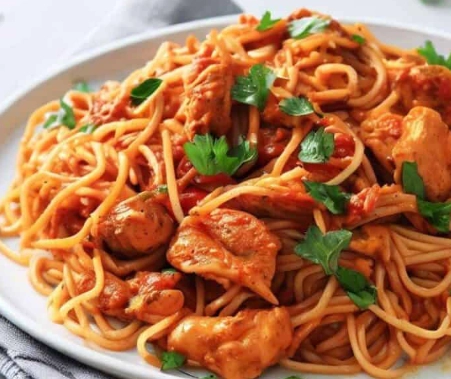
Your Burning Questions Answered (FAQ)
The goal isn't to suffer through the hottest pepper. It's to make food that vibrates with life, where the heat is a joyful, integral part of the flavor story. Start with understanding your ingredients, balance them with fat, acid, and sweet, and don't be afraid to mess up. My first attempt at a spicy salsa was so acidic and hot it was practically a weapon. Now, it's a reason friends come over. Grab a chili and start cooking.