When the summer heat makes turning on the stove feel like a punishment, watermelon gazpacho is my salvation. It’s not just another cold soup; it’s a sweet, savory, and incredibly refreshing meal that comes together in the time it takes to chop a few vegetables. Forget the heavy, tomato-only versions. This recipe leans into watermelon’s natural sweetness and high water content, creating a soup that’s lighter, brighter, and genuinely hydrating. The best part? No cooking required. Just a blender, some fresh produce, and about 15 minutes of your time. I’ve been making variations of this for a decade, and I’ve nailed down the balance so it’s never too sweet, never too acidic, but always delicious.
What You’ll Find in This Guide
Ingredients & Equipment: What You Really Need
Let’s get specific. The beauty of this cold summer soup is its simplicity, but the quality of your ingredients makes or breaks it. You don’t need a fancy farmer’s market haul, but do seek out ripe, in-season produce.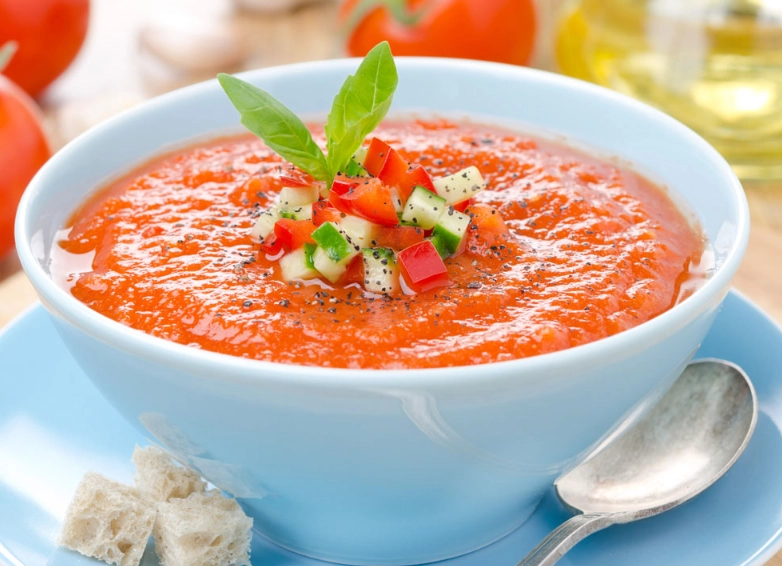
| Ingredient | Quantity & Notes | Key Role |
|---|---|---|
| Seedless Watermelon | 4 cups, cubed (about 1/2 a medium melon). Get the sweetest one you can find. | Provides the base liquid, sweetness, and refreshing quality. |
| Ripe Tomatoes | 2 medium (like Roma or Vine-ripened), cored and roughly chopped. | Adds acidity and body, the classic gazpacho backbone. |
| English Cucumber | 1/2 large, peeled and chopped (about 1 cup). | Contributes a clean, fresh flavor and coolness. |
| Red Bell Pepper | 1/2, seeded and chopped. | Offers a subtle sweetness and beautiful color. |
| Red Onion | 1/4 cup, finely chopped. Soak in cold water for 5 mins if you want milder bite. | Adds essential savory depth and a little sharpness. |
| Fresh Garlic | 1 small clove, minced. Start with half if you're sensitive. | A flavor powerhouse; non-negotiable. |
| Fresh Basil or Mint | 1/4 cup packed leaves. Basil is more savory, mint is brighter. | The herbal lift that ties everything together. |
| Extra Virgin Olive Oil | 3 tablespoons. Use a good, fruity one you like. | Emulsifies the soup, adds richness and mouthfeel. |
| Sherry Vinegar | 1-2 tablespoons. Red wine vinegar works in a pinch. | Balances sweetness with complex acidity. |
| Salt & Black Pepper | To taste. Be generous with the salt. | Seasoning is crucial to wake up all the flavors. |
Equipment: You need a decent blender. A high-speed one (like a Vitamix) will give you the silkiest texture, but any standard blender works. A sharp knife and a cutting board are your other essentials. A fine-mesh sieve is optional but helpful if you prefer a super-smooth soup.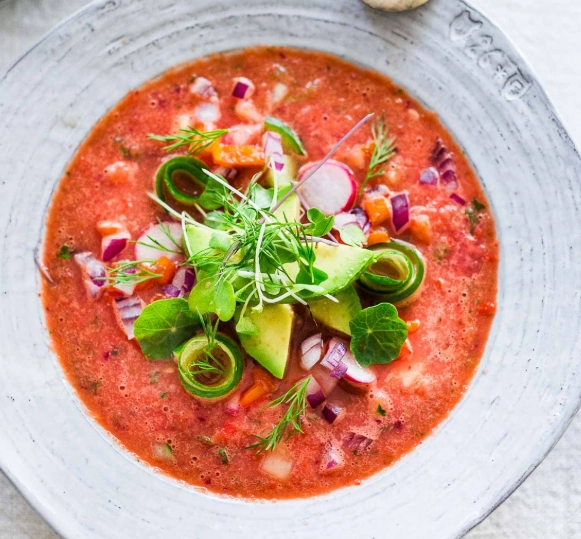
The Foolproof Step-by-Step Guide
This isn't rocket science, but order matters a bit to get the texture right.
1. Prep Your Veggies (The 5-Minute Chop)
Cube the watermelon, chop the tomatoes, cucumber, and bell pepper. Mince the garlic and onion. Don't obsess over perfect dice here—they're all going into the blender. Just make the pieces small enough for your blender to handle easily. Tear the basil leaves off the stems.
2. The Blender Sequence
Here’s a trick I learned the hard way: don’t just dump everything in at once. Start with the watermelon and tomatoes. Blend them on high until completely liquefied. This creates your soup base. Now add the cucumber, bell pepper, red onion, garlic, and herbs. Blend again until smooth. This two-stage process helps ensure everything breaks down evenly.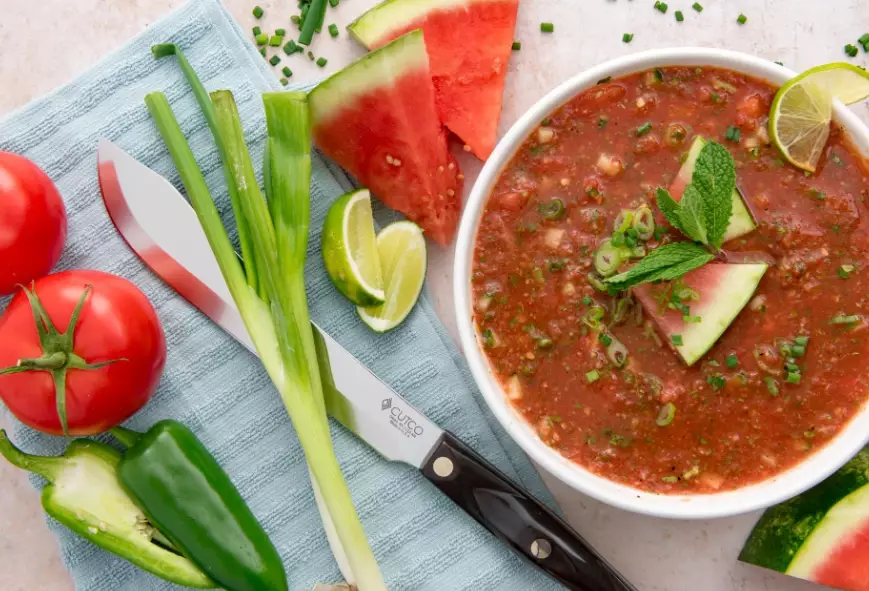
3. Seasoning & Emulsifying
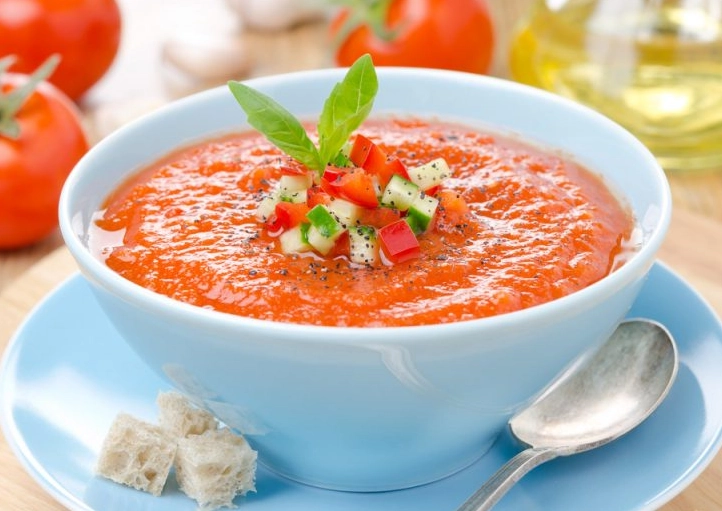
With the blender running on low, slowly drizzle in the olive oil. This helps it emulsify into the soup, making it creamy rather than oily. Stop the blender. Add the sherry vinegar, a big pinch of salt, and a few cracks of black pepper. Blend for 10 more seconds to combine.
4. The Chill (The Hardest Part)
Pour the soup into a large container or pitcher. Cover it and refrigerate for at least 2 hours, ideally 4 or overnight. This isn't just about making it cold. The chilling time lets the flavors meld and deepen in a way that's transformative. The sharp edges of the garlic and onion mellow, and the soup becomes a cohesive, delicious whole.
Expert Tips & Common Mistakes to Avoid
After years of making this, I've seen (and made) all the errors. Here’s how to sidestep them.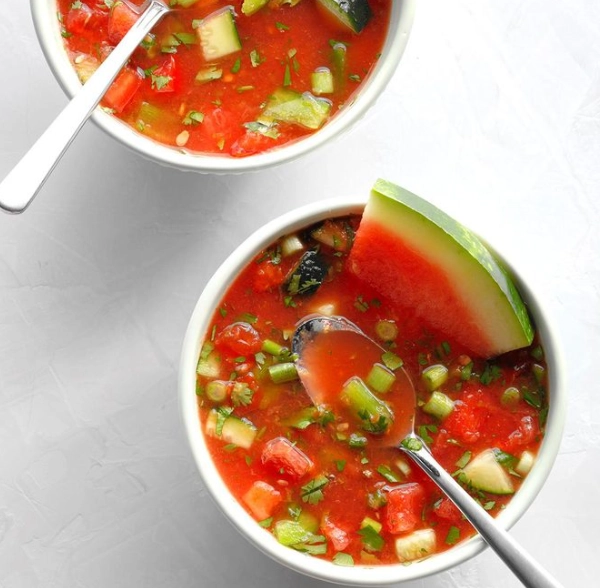
Biggest Mistake: Over-blending after adding the oil. Once the oil is emulsified in, blending on high for too long can sometimes "break" the emulsion, making the soup feel a bit greasy on the palate. Blend just to combine.
Texture Trouble: If you hate any texture, blend the living daylights out of it and then strain it through a fine-mesh sieve. You'll lose some volume, but gain silkiness. Personally, I like a little tiny bit of texture—it feels more rustic and real.
Watermelon Quality is Key. A bland, underripe watermelon makes a bland soup. You can't fix it with sugar. Smell the melon; it should have a sweet, fragrant aroma at the stem end. According to the USDA Agricultural Marketing Service, a creamy yellow spot (the "field spot") indicates it ripened on the vine, which is what you want.
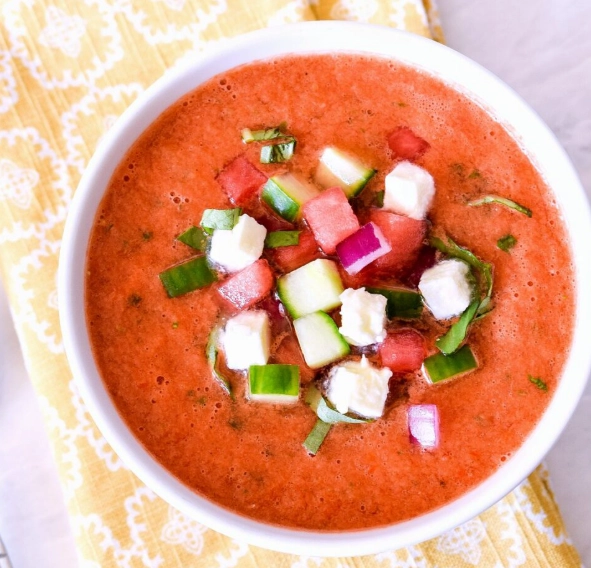
Garnish for the Win. Serve it with a drizzle of good olive oil, a grind of pepper, small diced cucumber, and maybe a few crumbles of feta cheese. It adds visual appeal and contrasting textures.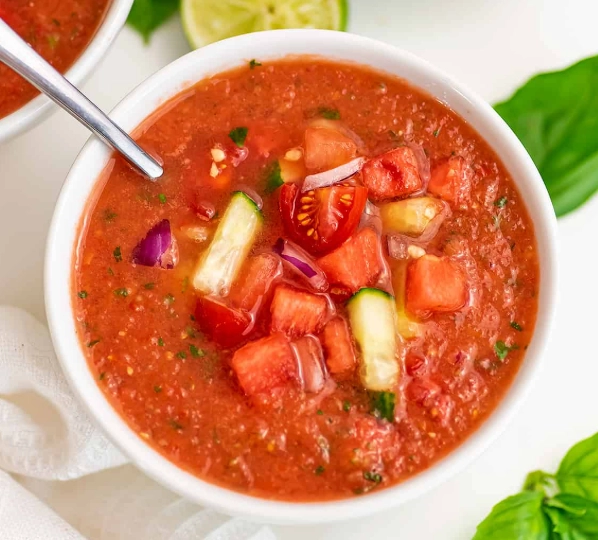
How to Adjust the Flavor to Your Taste
This recipe is a template. Make it yours.
- Want it sweeter? Add a tiny drizzle of honey or agave after blending.
- Want more savory depth? Add a teaspoon of tomato paste to the blender, or garnish with finely chopped olives.
- Like it spicy? Add half a jalapeño (seeds removed) to the blender, or finish with a dash of hot sauce.
- Too thick? Add a splash of cold water or tomato juice to thin it out.
- Herb Swap: Cilantro works for a more Mexican-inspired twist. Dill is interesting with the cucumber.
- Vinegar Variations: White balsamic adds a sweet acidity. Champagne vinegar is light and elegant.
Why These Ingredients Work: A Quick Science Bit
This isn't random. Traditional Spanish gazpacho, as documented by authorities like the Spanish Food Guide, relies on the emulsion of olive oil into a vegetable puree. The pectin from the tomatoes and peppers helps stabilize it. Watermelon, being about 92% water and full of natural sugars, lightens the mixture and adds a huge hydration factor. The cucumber isn't just filler; it contains compounds like cucurbitacins that provide that distinctive "cooling" sensation on the palate. The olive oil isn't fat for fat's sake; it carries fat-soluble flavors and creates a luxurious texture that water alone cannot. Every ingredient has a job.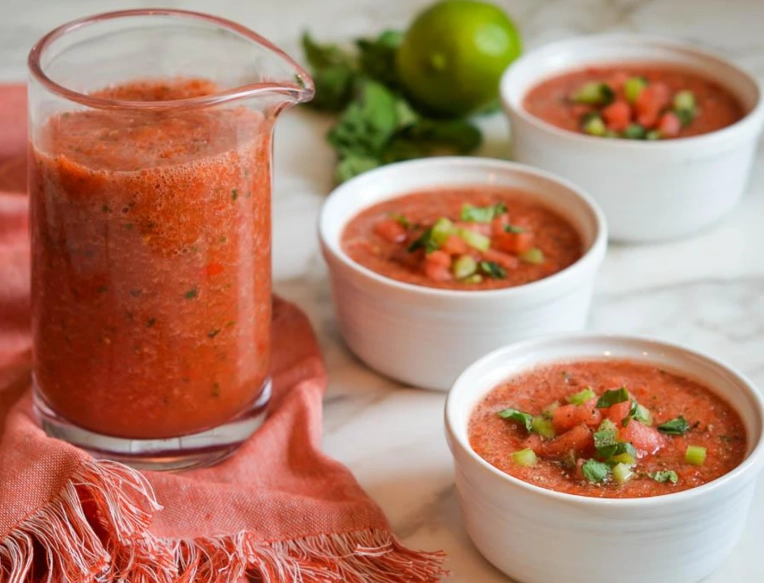
Your Watermelon Gazpacho Questions Answered
So there you have it. More than just a list of ingredients, it's a blueprint for the most refreshing no-cook meal of your summer. Grab a blender, a ripe watermelon, and give it a shot. Taste as you go, adjust it to your liking, and don't skip the chill time. Once you try this method, I doubt you'll go back to any other recipe.