You see it at the farmers market every fall. That crazy, lime-green vegetable covered in perfect spirals, looking like something from a math textbook crossed with a coral reef. It’s romanesco, sometimes called Romanesco broccoli or fractal cauliflower. It’s stunning, but then you get it home and stare at it on the counter. Now what?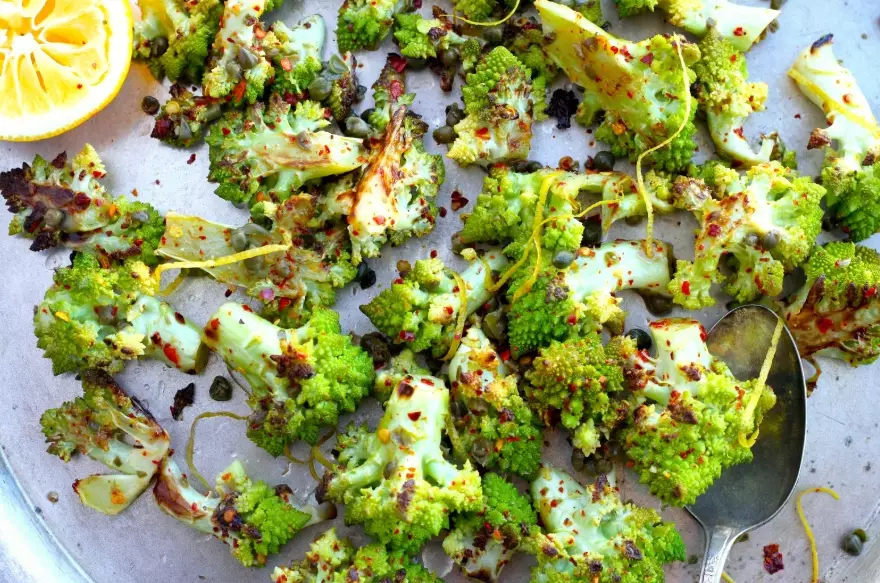
Honestly, I was intimidated the first time I bought one. It’s too beautiful to mess up. But after a decade of cooking them (and yes, messing up a few), I’ve learned it’s one of the most forgiving and versatile veggies in the brassica family. This guide will walk you through everything—from picking the perfect head to three foolproof romanesco recipes that will make it a regular on your dinner table.
What's Inside This Guide?
What Exactly Is Romanesco?
Let's clear this up. Romanesco (Brassica oleracea var. botrytis) is a distinct cultivar. It’s not a hybrid of broccoli and cauliflower, though it’s closely related to both. Its flavor is its own thing: milder and nuttier than broccoli, with a subtle sweetness and a crisp, dense texture that holds up brilliantly to heat.
The coolest part? Those spirals are a real-world example of a fractal pattern, where each smaller bud is a copy of the larger shape. It’s edible geometry.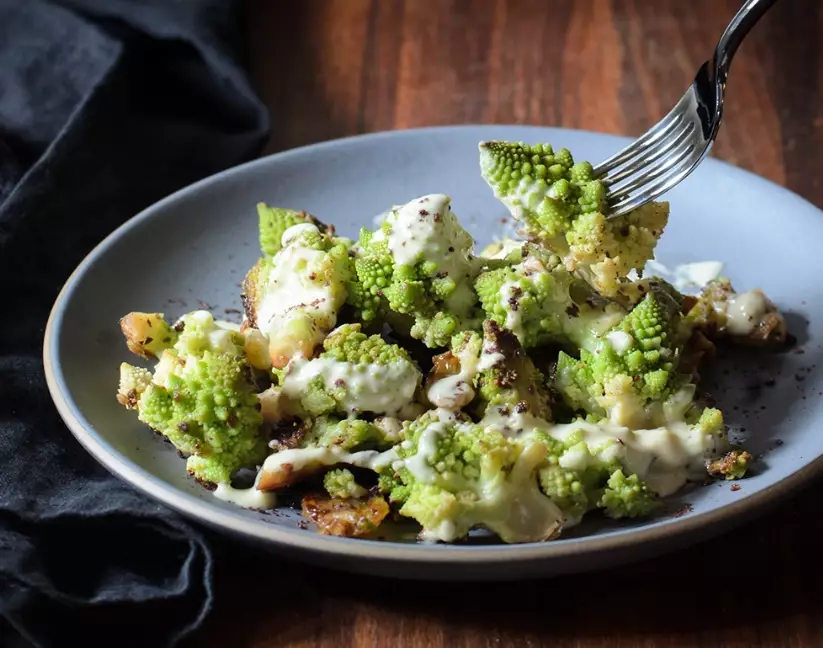
Nutrition Note: Like its cousins, romanesco is packed with vitamins C and K, fiber, and carotenoids. According to nutrient data from sources like the USDA FoodData Central, its nutritional profile is comparable to broccoli, making it a fantastic addition to a healthy diet.
How to Pick and Store Romanesco (Don't Skip This)
Choosing the right head makes all the difference. A good romanesco should feel heavy for its size. The color should be a vibrant, almost neon green—avoid any with yellowing or brown spots. The florets should be tight and firm, not starting to separate or look fuzzy.
Run your hand over it. It should feel densely packed, not spongy. The leaves at the base, if attached, should look fresh and green, not wilted.
Once home, treat it like broccoli. Don’t wash it until you’re ready to cook. Store it loosely wrapped in a plastic bag in the crisper drawer of your fridge. It’ll keep well for about 5-7 days, but the flavor is best within the first 3-4.
Mastering Romanesco Prep (The Right Way)
Here’s where most beginners fumble. That thick, beautiful stalk intimidates people. You don’t need to peel it. The entire thing, minus the very bottom, is edible and delicious.
Step 1: Wash. Give the whole head a good rinse under cold water. Those spirals can trap little bits of grit.
Step 2: Trim. Slice off the very bottom of the stalk, about a quarter-inch. Remove any tough outer leaves.
Step 3: Break it down. This is key. Use a sharp knife to cut the head into quarters through the core. From there, you can easily break or cut it into florets of even size. Don’t discard the core! Slice it into thin coins or small pieces—it’s sweet and takes just a minute longer to cook.
Pat everything dry with a kitchen towel or paper towels. Moisture is the enemy of good browning, especially for our first cooking method.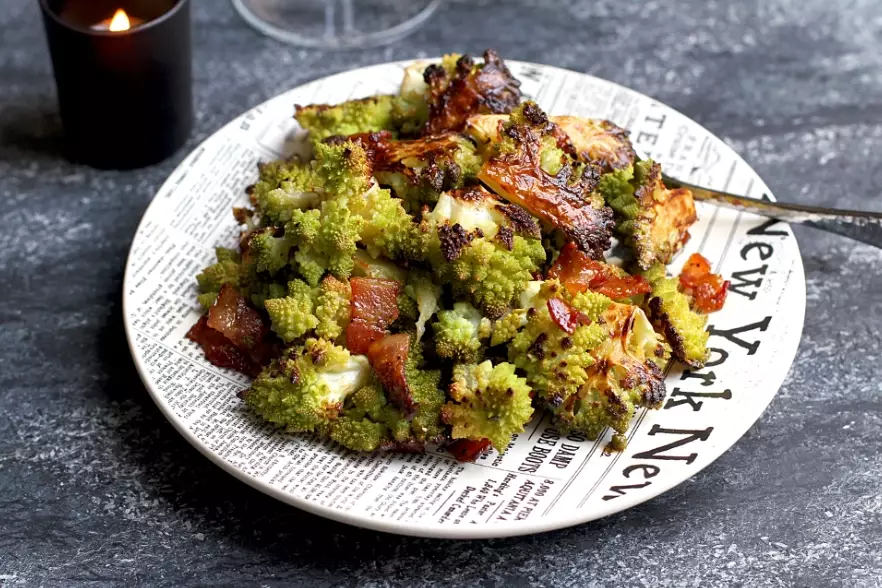
Three Core Cooking Methods for Romanesco
You can treat romanesco like broccoli or cauliflower, but remember it’s denser. It often needs a touch more time. These three methods cover 95% of what you’ll want to do with it.
1. Roasting (The Flavor Champion)
High, dry heat concentrates romanesco's nutty sweetness and creates incredible caramelized edges. It’s the best way to convert skeptics. The trick is high heat (425°F/220°C or above) and enough space on the pan so the florets roast, not steam.
2. Stir-Frying or Sautéing (The Weeknight Hero)
Quick, high heat in a skillet or wok preserves its bright color and crisp-tender bite. It’s perfect for integrating into pastas, grain bowls, or Asian-inspired dishes. For even cooking, consider adding the sliced stalk pieces a minute before the florets.
3. Steaming (The Purest Form)
Steaming retains the most nutrients and its vibrant green hue. It’s the ideal method if you plan to puree it for a soup or want a simple, clean-tasting side. The danger? Over-steaming leads to mush. Aim for tender-crisp, about 5-7 minutes.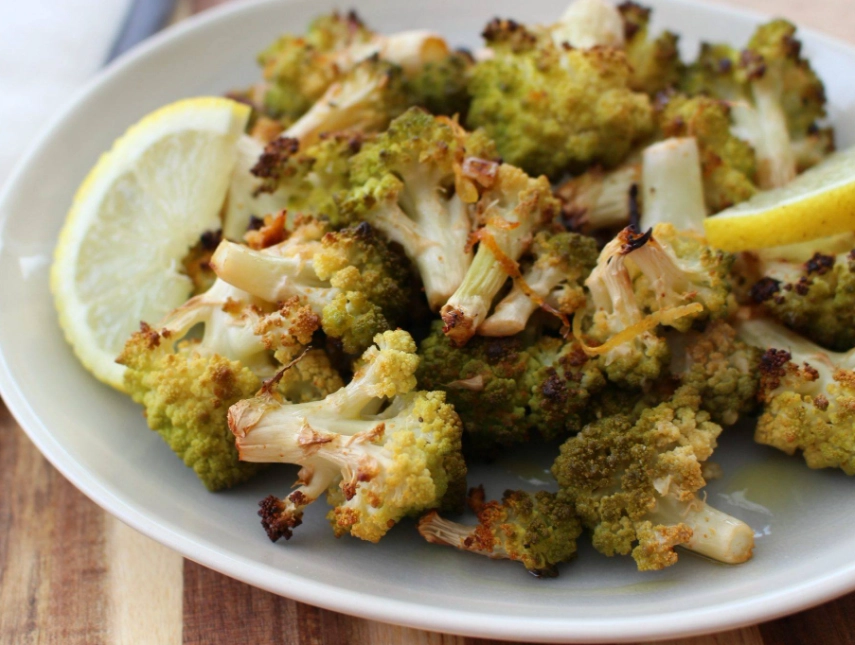
The Ultimate Roasted Romanesco Recipe
Garlic & Parmesan Roasted Romanesco
This is the recipe I make most often. It’s simple, but the results are spectacular. The parmesan forms a savory crust, and the lemon zest at the end cuts through the richness.
You'll need:
1 large head romanesco, prepped into florets
3 tbsp olive oil
4 garlic cloves, minced
1 tsp kosher salt
1/2 tsp black pepper
1/3 cup grated parmesan cheese
Zest of 1 lemon
Red pepper flakes (optional)
Do this:
1. Preheat your oven to 425°F (220°C). Line a large, rimmed baking sheet with parchment.
2. In a large bowl, toss the romanesco florets and stalk pieces with olive oil, minced garlic, salt, and pepper until evenly coated.
3. Spread the pieces out in a single layer on the baking sheet. Don’t crowd them!
4. Roast for 15 minutes. Remove from oven, sprinkle the parmesan cheese evenly over the top, and give the pan a gentle shake.
5. Return to the oven for another 10-15 minutes, until the florets are tender with deeply browned edges and the cheese is golden.
6. Transfer to a serving dish. Immediately sprinkle with lemon zest and a pinch of red pepper flakes if using. Serve hot.
A Quick Romanesco and Garlic Stir-Fry
This comes together in 15 minutes. It’s my go-to for a fast, healthy side or to toss with cooked pasta and a splash of pasta water.
Heat 2 tbsp of olive oil in a large skillet or wok over medium-high heat. Add the romanesco (florets and sliced stalk) and stir-fry for 5-6 minutes until it starts to get some color. Add 3 sliced garlic cloves and a pinch of salt. Cook for another 2-3 minutes, stirring constantly so the garlic doesn’t burn. Finish with a tablespoon of soy sauce or a squeeze of lemon juice. That’s it. The high heat keeps it crunchy and vibrant.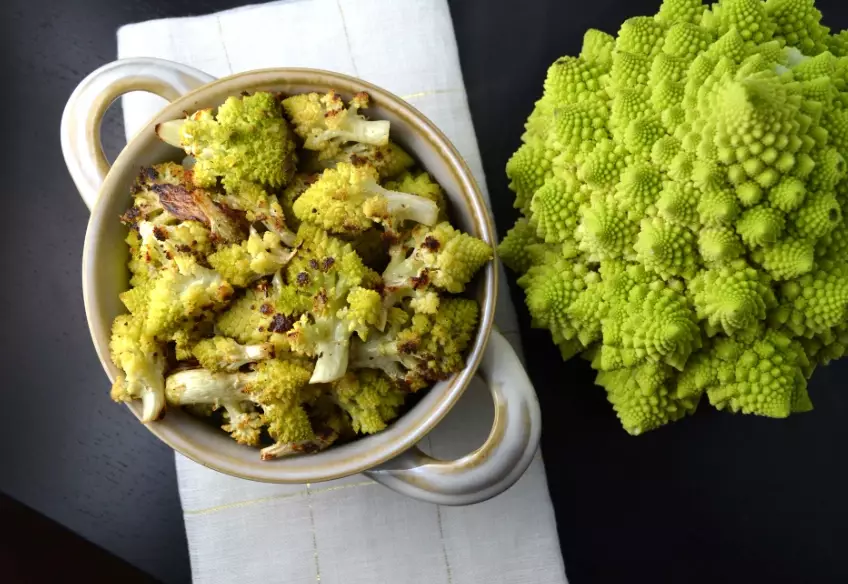
Simple Steamed Romanesco with Zesty Dressing
When you want to really taste the vegetable itself. Bring an inch of water to a boil in a pot with a steamer basket. Add the romanesco, cover, and steam for 5-7 minutes until just tender when pierced with a fork. While it steams, whisk together 3 tbsp extra virgin olive oil, 1 tbsp fresh lemon juice, 1 tsp Dijon mustard, and a small, minced shallot. Drizzle the warm romanesco with the dressing and toss gently. The warmth helps it absorb the flavors.
Your Romanesco Questions, Answered
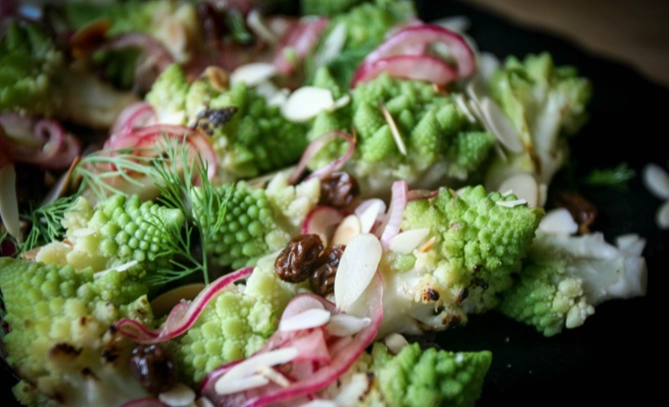 So next time you’re at the market and that fractal wonder catches your eye, grab it with confidence. It’s not just a showpiece. With a sharp knife, a hot oven, or a sizzling pan, you can turn it into a meal that’s as delicious as it is beautiful. Start with the roasted recipe. You won’t regret it.