I still remember the first time I cooked bulgur wheat. It was a disaster—I followed a generic recipe, used too much water, and ended up with a mushy blob that tasted like cardboard. That was ten years ago, and since then, I've learned the tricks that make bulgur a staple in my kitchen. If you're tired of boring grains or need quick, nutritious meals, bulgur wheat recipes can be a game-changer. This guide cuts through the noise to give you practical, tested advice and recipes that work.
What You'll Find in This Guide
What Is Bulgur Wheat and Why Should You Care?
Bulgur wheat isn't some fancy health fad—it's an ancient grain that's been around for centuries, especially in Middle Eastern and Mediterranean cuisines. It's made by parboiling, drying, and cracking whole wheat berries. What sets it apart? It cooks fast, has a nutty flavor, and packs a nutritional punch. According to the USDA FoodData Central, a cup of cooked bulgur provides about 6 grams of fiber and 6 grams of protein, making it a solid choice for filling meals.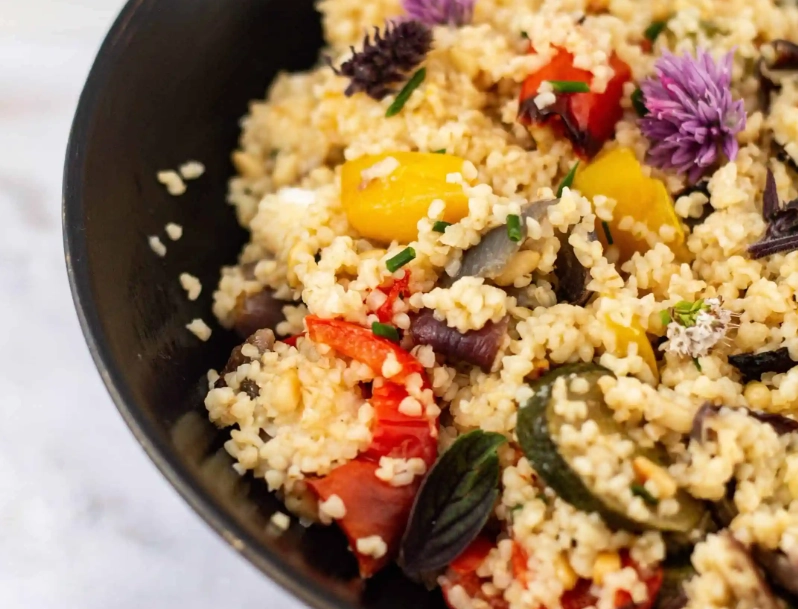
But here's the thing most blogs don't tell you: not all bulgur is created equal. I've found that store-bought bulgur can vary wildly in quality. Some brands are bland and processed, while others, like those from Bob's Red Mill or local co-ops, retain more flavor. If you can, opt for organic bulgur—it often has a better texture.
A Brief History
Bulgur dates back to ancient civilizations in the Fertile Crescent. It was a survival food because it's shelf-stable and easy to prepare. Today, it's gaining popularity for its health benefits, but many people still overlook it in favor of quinoa or rice. That's a mistake, in my opinion. Bulgur is cheaper and cooks faster than quinoa, and it has a more satisfying chew than overcooked rice.
Nutritional Powerhouse
Beyond fiber and protein, bulgur is rich in vitamins like B6 and minerals like magnesium. The Whole Grains Council highlights its role in supporting heart health and digestion. But let's be real—you're probably here for the recipes. So, let's get cooking.
How to Cook Bulgur Wheat: The Foolproof Method
Most recipes overcomplicate this. The basic ratio is 1 part bulgur to 2 parts liquid (water or broth), but I tweak it based on the dish. For salads, I use 1:1.5 to keep it firmer. Here's my go-to method:
- Rinse the bulgur under cold water if it looks dusty (but skip this for pre-toasted varieties—they lose flavor).
- In a pot, bring the liquid to a boil. Add a pinch of salt and a drizzle of olive oil for extra richness.
- Stir in the bulgur, reduce heat to low, cover, and simmer for 10-12 minutes. Don't peek! That steam is crucial.
- Remove from heat and let it sit covered for 5 minutes. Then fluff with a fork.
Common mistake? Overcooking. Bulgur continues to absorb moisture off the heat, so err on the side of underdone. If it's too wet, spread it on a baking sheet to dry slightly.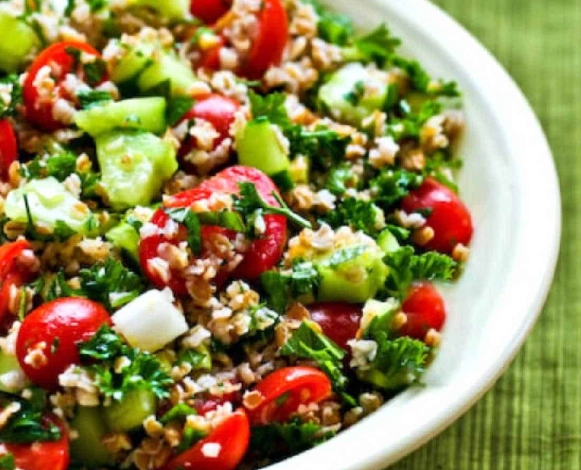
The Basic Ratio and Steps
For a visual guide, think of it like cooking rice but faster. Fine bulgur takes about 10 minutes, coarse up to 15. I always keep cooked bulgur in the fridge for quick meals—it lasts 4 days if stored properly.
Common Mistakes to Avoid
I've seen people boil bulgur like pasta, which leaches nutrients and turns it gummy. Another pitfall: using bland liquid. Always use broth or add herbs. And don't skip the resting time—that's when the grain finishes cooking evenly.
Top 3 Bulgur Wheat Recipes You Need to Try
These recipes are based on my family's favorites, tested over years. They're simple, adaptable, and perfect for weeknights. Each serves 4 and takes under 30 minutes active time.
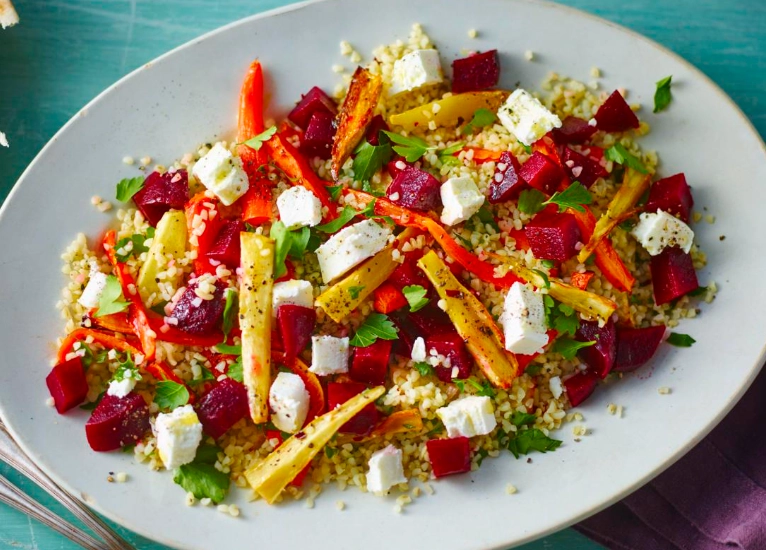
1. Mediterranean Bulgur Salad
Why it works: This is my go-to for potlucks—it's fresh, colorful, and holds up well. The key is to dress it while the bulgur is warm so it absorbs the flavors.
Ingredients:
- 1 cup fine bulgur wheat
- 1.5 cups boiling water
- 1 cucumber, diced
- 2 tomatoes, chopped
- 1/2 red onion, thinly sliced
- 1/4 cup chopped parsley
- Juice of 1 lemon
- 3 tbsp olive oil
- Salt and pepper to taste
Steps:
- Place bulgur in a bowl, pour boiling water over it, cover, and let sit for 15 minutes.
- Fluff with a fork, then mix in vegetables and herbs.
- Whisk lemon juice, olive oil, salt, and pepper, then toss with the salad.
- Chill for 10 minutes before serving. It keeps for 2 days in the fridge.
Prep time: 15 minutes | Cook time: 0 minutes (passive) | Servings: 4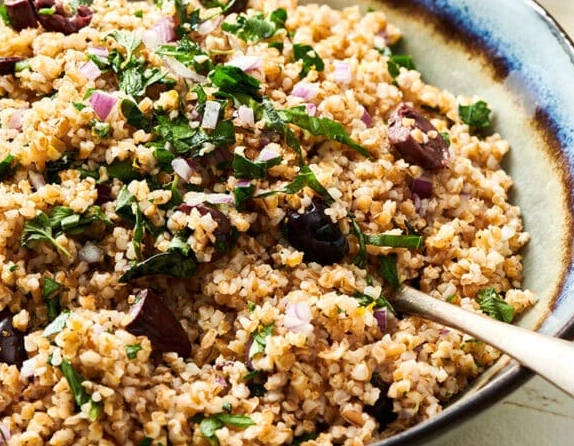
2. Hearty Bulgur and Lentil Soup
Why it works: This one-pot meal is comforting and packed with protein. I use coarse bulgur here because it doesn't disintegrate. It's based on a Turkish recipe I learned from a friend.
Ingredients:
- 1 tbsp olive oil
- 1 onion, chopped
- 2 carrots, diced
- 1 cup brown lentils, rinsed
- 1/2 cup coarse bulgur wheat
- 6 cups vegetable broth
- 1 tsp cumin
- Salt and pepper to taste
Steps:
- In a large pot, heat olive oil over medium heat. Sauté onion and carrots for 5 minutes.
- Add lentils, bulgur, broth, and cumin. Bring to a boil.
- Reduce heat, cover, and simmer for 25 minutes until lentils are tender.
- Season with salt and pepper. Serve hot with a squeeze of lemon.
Prep time: 10 minutes | Cook time: 30 minutes | Servings: 4
3. Quick Bulgur Stir-Fry
Why it works: This is my busy-night savior—it's faster than takeout and customizable. I use pre-cooked bulgur from the fridge to cut time.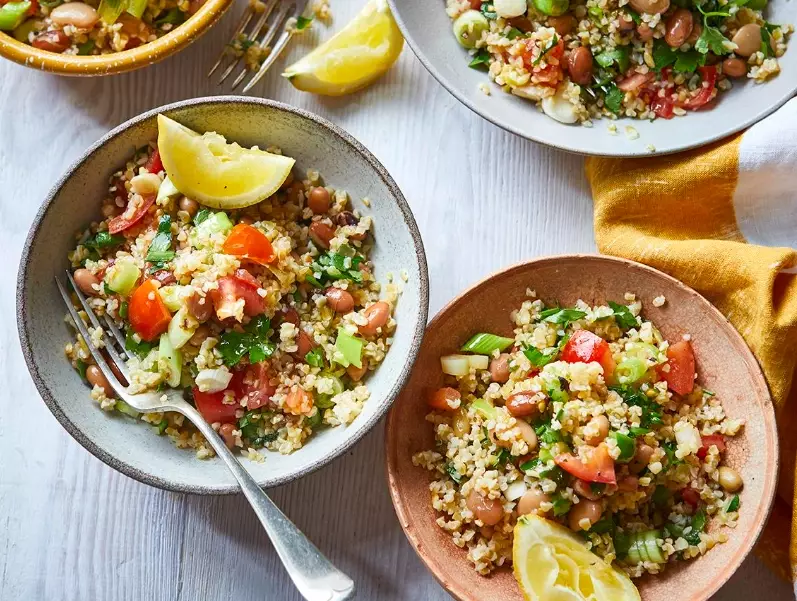
Ingredients:
- 2 cups cooked bulgur wheat (from about 2/3 cup dry)
- 1 tbsp sesame oil
- 2 cloves garlic, minced
- 1 bell pepper, sliced
- 1 cup broccoli florets
- 2 tbsp soy sauce
- 1 tsp ginger, grated
Steps:
- Heat sesame oil in a wok or large pan over high heat.
- Stir-fry garlic, bell pepper, and broccoli for 4-5 minutes until crisp-tender.
- Add cooked bulgur, soy sauce, and ginger. Toss for 2-3 minutes until heated through.
- Serve immediately. Add tofu or chicken for extra protein.
Prep time: 10 minutes | Cook time: 10 minutes | Servings: 4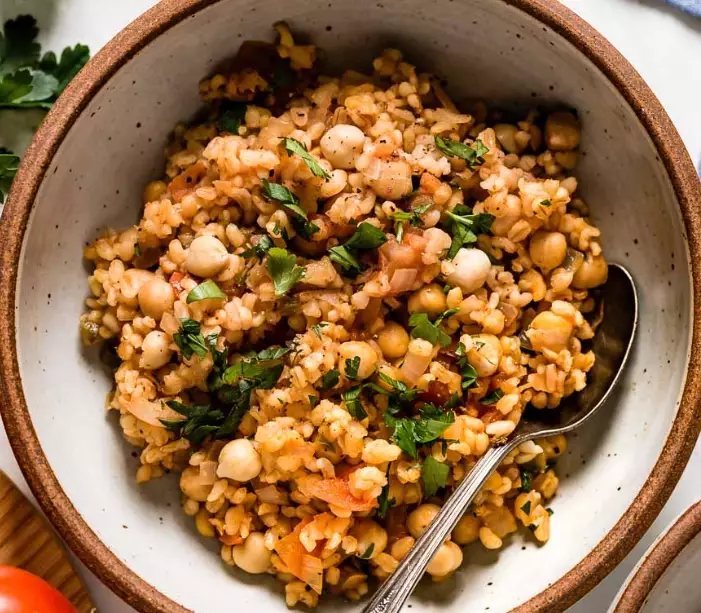
Expert Tips and Non-Consensus Advice
After a decade of cooking with bulgur, I've picked up nuances that most recipes ignore. For instance, many sources insist on rinsing bulgur to remove bitterness, but for toasted varieties, rinsing washes away flavor. Instead, toast it dry in a pan for 2 minutes to enhance nuttiness—this works wonders for salads.
Another tip: bulgur pairs surprisingly well with sweet elements. Try adding dried cranberries or apples to pilafs for a contrast that balances savory dishes. And don't be afraid to experiment with spices; bulgur absorbs flavors like a sponge, so things like smoked paprika or sumac can elevate it.
On the downside, some cheap bulgur brands can be gritty. If you encounter this, soak it in warm water for 10 minutes before cooking to soften any hard bits. It's a small step that makes a big difference.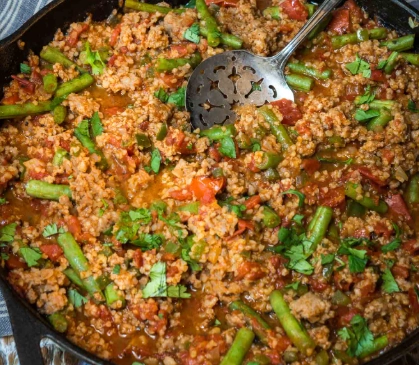
Frequently Asked Questions