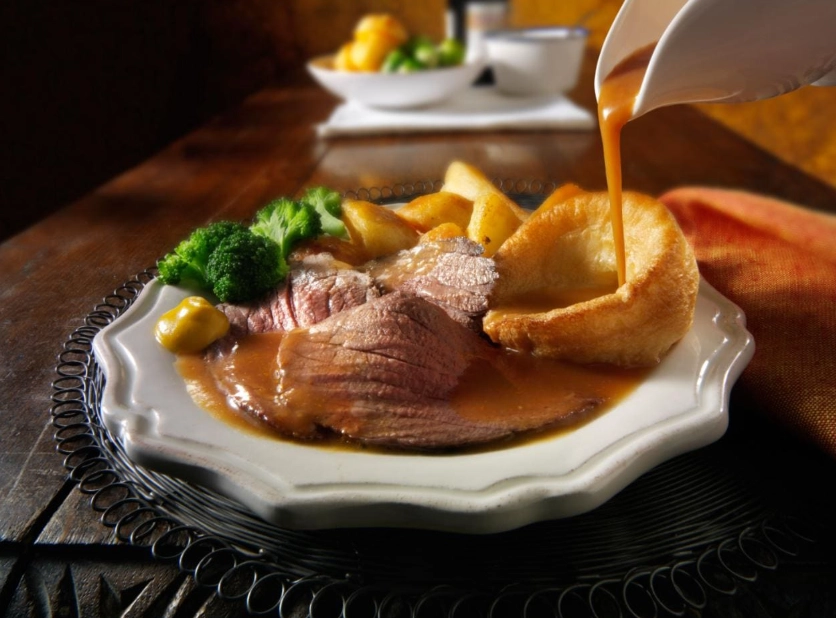
Let's be honest. The idea of a perfect Sunday roast – that glorious spread of tender, juicy meat, potatoes crisp enough to shatter, Yorkshire puddings like golden clouds, all swimming in rich gravy – can feel more like a stressful exam than a relaxing family meal. I've been there. I've served beef grey as a rainy Tuesday, potatoes that doubled as hockey pucks, and Yorkshires that never rose from the tin. It took me years of trial, error, and a few near-disasters to crack the code.
This isn't just another list of ingredients. It's the system, the timing, and the little tricks that make the difference between a good Sunday lunch and a legendary one. We're going to build the whole feast together, step-by-step.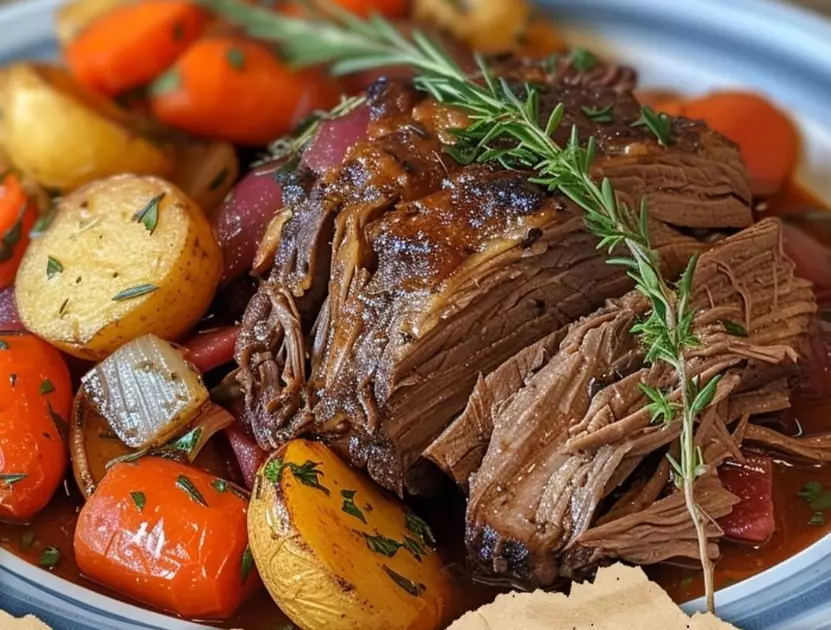
Your Sunday Roast Roadmap
- Picking Your Perfect Sunday Roast Joint
- The Vegetable Prep Secrets Nobody Tells You
- Yorkshire Pudding Masterclass: No More Sad Sinks
- Cooking the Meat: Timing, Temperature, and Resting
- Gravy Alchemy: Turning Pan Juices into Liquid Gold
- The Final Countdown: Serving Strategy
- Your Sunday Roast Questions, Answered
Picking Your Perfect Sunday Roast Joint
It all starts with the meat. This is your centerpiece, so choose something you love. Don't just grab the first thing you see. Think about cooking time, budget, and how many you're feeding.
Here’s a quick breakdown of the classics:
| Joint | Best For | Key Tip | Approx. Cooking Time (per 500g) |
|---|---|---|---|
| Beef (Topside/Sirloin) | A classic, celebratory roast. Best served pink. | Bring to room temp. Sear hard in a pan first for epic crust. | 20 mins (medium-rare) + 20 mins rest |
| Pork (Loin/Leg) | Crispy crackling lovers. Forgiving and feeds a crowd. | Score the skin deeply, rub with salt and oil. Start hot for crackling. | 25-30 mins + 30 mins rest |
| Chicken (Whole) | Family-friendly, economical, and leftovers for days. | Butter under the skin with herbs. Truss the legs. | 20 mins + 20 mins rest |
| Lamb (Leg/Shoulder) | Intense flavor, falls-apart tender when slow-cooked. | Shoulder is cheaper and more forgiving. Stud with garlic and rosemary. | 25 mins (pink) / 30 mins (well-done) + 30 mins rest |
My personal favorite for a stress-free Sunday is a pork loin. Why? The crackling is a showstopper, it's almost impossible to dry out, and it pairs with everything. But if you're going for beef, don't skimp. A good piece of well-hung sirloin is worth every penny.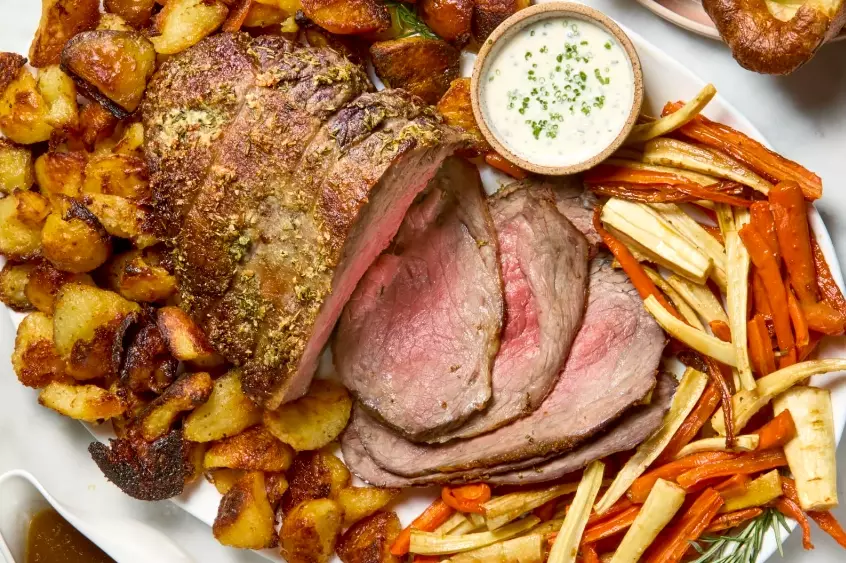
The Vegetable Prep Secrets Nobody Tells You
The vegetables aren't just a side thought. Done right, they steal the show. The biggest mistake? Boiling your roast potatoes. Don't do it.
The Ultimate Roast Potato Method
Forget fluffy insides. We want maximum crisp. Use Maris Piper or King Edward potatoes.
Peel and cut into even, large chunks. Not too small. Parboil them in salted water for 10-12 minutes until the *outsides* are soft. Drain well, then give them a really good shake in the colander. This fluffs up the edges – those are your crispy bits.
While they drain, heat a roasting tray with a good layer of fat (goose fat is king, but vegetable oil works) in a 200°C (400°F) oven until it's shimmering hot. Carefully tip your potatoes into the hot fat – it should sizzle aggressively. Turn them to coat. Season well. Roast for 45-60 mins, turning once, until deep golden and crisp.
Yorkshire Pudding Masterclass: No More Sad Sinks
The fear is real. A tin full of greasy, stodgy puddings is heartbreaking. The secret isn't in a fancy recipe – it's in the physics. Your batter needs to be cold, and your fat needs to be smoking hot.
I use the simple ratio from the BBC Good Food guide: equal volumes of plain flour, eggs, and milk (by weight or using a measuring jug). Whisk it smooth, season, and put it in the fridge for at least an hour. Overnight is even better.
When your meat is resting, crank the oven to 230°C (450°F). Put a little fat (beef dripping from the roast tray is ideal) into each hole of a muffin tin and place it in the oven until the fat is literally smoking. Quickly pull the tray out, pour the cold batter into each hole about halfway up, and get it back in the oven ASAP. Do NOT open the door for 20 minutes. They will rise. I promise.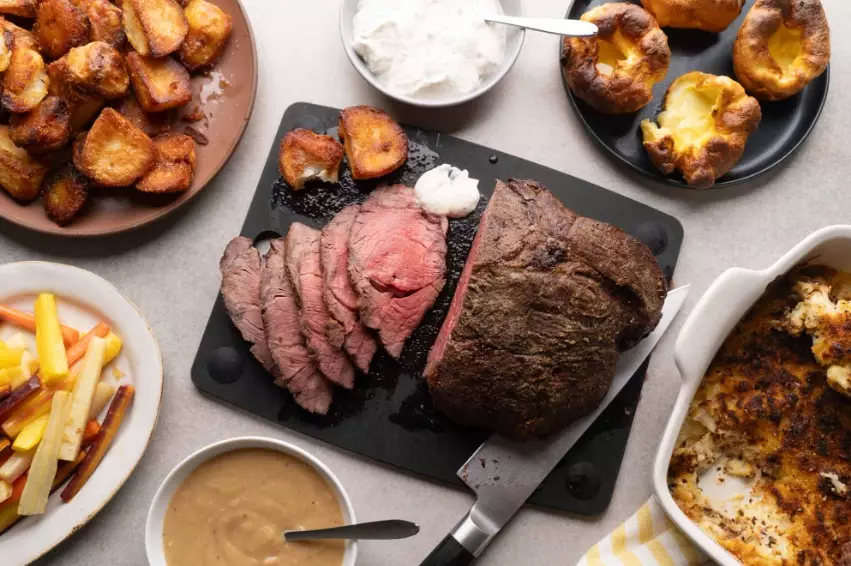
Cooking the Meat: Timing, Temperature, and Resting
This is where most Sunday roasts fail. Overcooked meat and no resting time.
Take your meat out of the fridge at least an hour before cooking. A cold joint going into a hot oven will seize up and cook unevenly. Season it generously all over.
For beef and lamb you like pink, use a meat thermometer. Aim for 52-55°C (125-130°F) for rare/medium-rare in the thickest part. It will carry over cooking while resting. For pork and chicken, cook to 65°C (150°F) and 75°C (165°F) respectively.
But here's the non-negotiable part: resting. When your meat hits temperature, take it out, tent it loosely with foil, and leave it for at least 20-30 minutes. This allows the frantic juices to relax back throughout the meat. If you cut it straight away, all that flavor will end up on the board, not on your plate. Use this time to make your Yorkshires and gravy.
Gravy Alchemy: Turning Pan Juices into Liquid Gold
Gravy from a granule is a crime when you have a roasting tray full of flavor. After removing your meat, you'll have browned bits (fond) and fat in the tray. Pour off most of the fat, leaving about a tablespoon and all the tasty bits.
Place the tray on the hob over medium heat. Sprinkle in a heaped tablespoon of plain flour. Cook this paste, stirring, for a minute to cook out the floury taste. Now, slowly whisk in your liquid. Start with about 500ml of hot stock (beef for beef/lamb, chicken for chicken/pork). Keep whisking to scrape up all the fond. Let it bubble and thicken for 5-10 minutes. Too thick? Add a splash of water or wine. Season. Strain if you want it super smooth. That's proper gravy.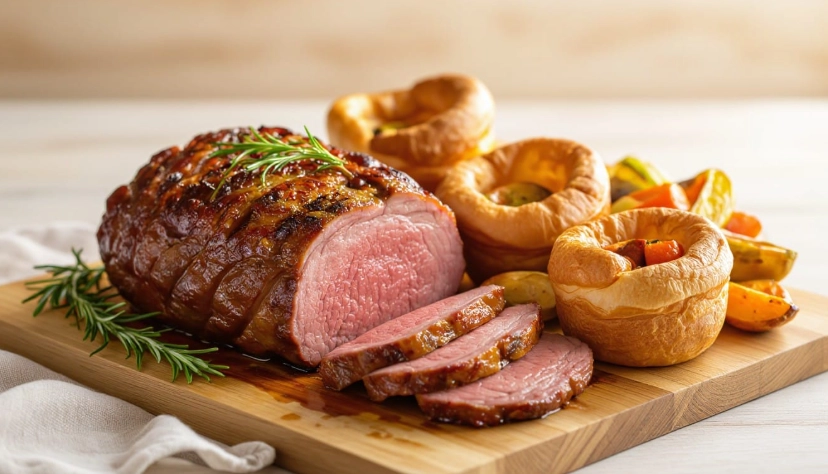
The Final Countdown: Serving Strategy
Timing is everything. Work backwards from when you want to eat.
Let's say you want to sit down at 2 PM.
- 11:00 AM: Take meat out of fridge. Make Yorkshire batter, refrigerate. Parboil potatoes if doing ahead.
- 12:30 PM: Get meat in oven (adjust based on size/type). Prep all vegetables.
- 1:15 PM: Put potatoes in hot fat to roast. Put other veg in later, based on cooking time.
- 1:45 PM: Meat should be done. Take out to rest. Crank oven for Yorkshires.
- 1:50 PM: Make Yorkshires. Make gravy in the meat tray.
- 2:10 PM: Carve meat. Everything else comes out of the oven. Serve immediately.
Warm your plates. It makes a difference. Carve the meat on a board with a lip to catch any last juices, and pour those into the gravy boat.
Your Sunday Roast Questions, Answered
My roast beef always comes out dry and grey, not pink and juicy. What am I doing wrong?
Can I prepare any parts of the Sunday roast ahead of time to reduce stress?
 What's a good vegetarian or vegan alternative for the main centerpiece?
My Yorkshire puddings never rise. They're just oily pancakes. Help!
Is it worth buying a more expensive cut of meat for a Sunday roast?