Peruvian food isn't just trendy; it's a deep, flavorful conversation between the Andes, the Amazon, and the coast. I've seen too many home cooks get intimidated by the idea of making it themselves. They think it needs special equipment or impossible-to-find ingredients. That's not true. With a bit of guidance, you can make stunning Peruvian meals right on your stove. This guide cuts through the noise and gives you three foundational, foolproof recipes that capture the soul of Peru. We'll start with the stir-fry that defies categories, move to the iconic citrus-cured seafood, and finish with a creamy, spicy chicken stew that feels like a hug.
What's Inside This Guide
Lomo Saltado: The Ultimate Peruvian Stir-Fry
Lomo Saltado is where Peru meets China on a plate. It's a stir-fry, but it's served with rice and french fries. Don't question it, just embrace the carb-on-carb glory. The magic is in the sauce—a mix of soy sauce and vinegar that creates a savory, tangy glaze.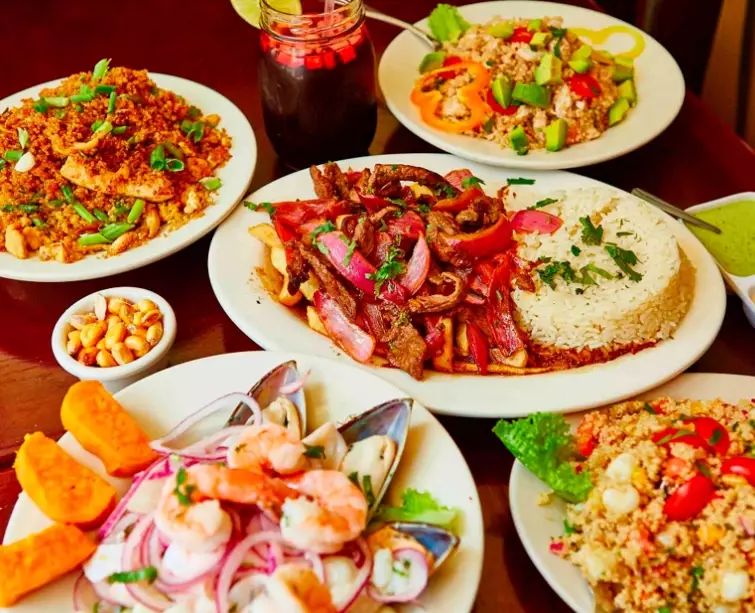
The Step-by-Step Method
First, get your ingredients ready. This cooks fast.
| Ingredient | Quantity & Notes |
|---|---|
| Beef tenderloin or sirloin | 1.5 lbs, cut into 1-inch strips against the grain |
| Red onions | 1 large, cut into thick wedges |
| Roma tomatoes | 2, also in wedges |
| Fresh cilantro | A big handful, chopped |
| Soy sauce (preferably dark) | 1/4 cup |
| Red wine vinegar | 3 tablespoons |
| Aji Amarillo paste* | 1 tablespoon (the flavor key) |
| Cooked white rice & fries | For serving |
*Find aji amarillo paste in Latin markets or online. If you absolutely must substitute, mix a little habanero paste with a pinch of turmeric for color, but the flavor won't be the same.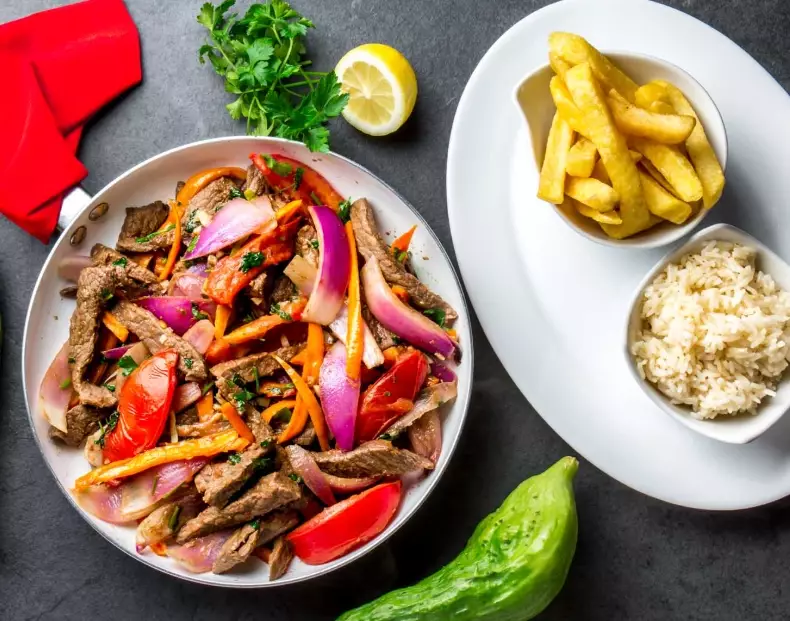
Heat a large wok or skillet over the highest heat your stove can muster. Add a high-smoke-point oil like vegetable or canola. Pat your beef strips very dry—this is non-negotiable for a good sear. Season them with salt and pepper. Working in batches so you don't crowd the pan, sear the beef for about 90 seconds total until browned but still pink inside. Remove and set aside.
In the same pan, add a bit more oil if needed. Toss in the onion wedges. Stir-fry for 2 minutes until they start to soften but still have crunch. Add the tomato wedges and cook for another minute.
Now, pour in the soy sauce, red wine vinegar, and aji amarillo paste. Let it bubble and reduce for about 30 seconds. Return the beef and any accumulated juices to the pan. Toss everything together fiercely for just another 30 seconds to coat and warm the beef through. Kill the heat and stir in the fresh cilantro.
Serve immediately over a mound of white rice with a pile of crispy french fries on the side or mixed right in.
Peruvian Ceviche: The 20-Minute Wonder
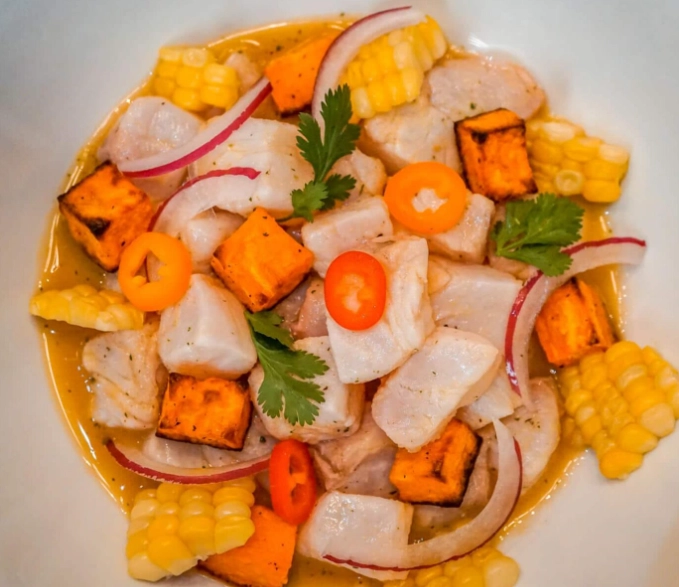
This is not Mexican ceviche. Peruvian ceviche is about the "cook" in citrus, the kick of aji, and the powerful aroma of cilantro. The fish should be firm, not mushy, and the leche de tigre (the citrus marinade) is so good you'll drink it with a spoon.
Fish selection is critical. You need a super-fresh, firm white fish. In the US, I've had great success with fluke, sea bass, or corvina. Avoid oily fish like salmon or tuna for this classic style. Talk to your fishmonger. Tell them you're making ceviche and need sushi-grade or the freshest possible.
How to Cure Fish Like a Lima Chef
Cut 1.5 lbs of your chosen fish into 3/4-inch cubes. Place them in a glass or ceramic bowl (metal can react).
In a blender, combine the juice of 10-12 key limes (about 1 cup), 1-2 cloves of garlic, a 1-inch piece of ginger, 1 tablespoon of aji amarillo paste, and a big pinch of salt. Blend until smooth. Strain this liquid over the fish. The acid will start turning the fish opaque at the edges immediately. Add 1 thinly sliced red onion that you've rinsed under cold water (this removes harshness). Gently mix.
Here's the timing trick everyone gets wrong: Let it marinate for 8-12 minutes only. Any longer and the fish starts to get tough and chalky. Stir once halfway through. Right before serving, mix in a handful of chopped cilantro.
Serve in bowls with the leche de tigre, and have sides of boiled sweet potato and choclo (large-kernel Peruvian corn) if you can find it. Regular corn works too.
The first time I made this, I marinated it for 25 minutes like I read online. The texture was ruined. 12 minutes is the sweet spot.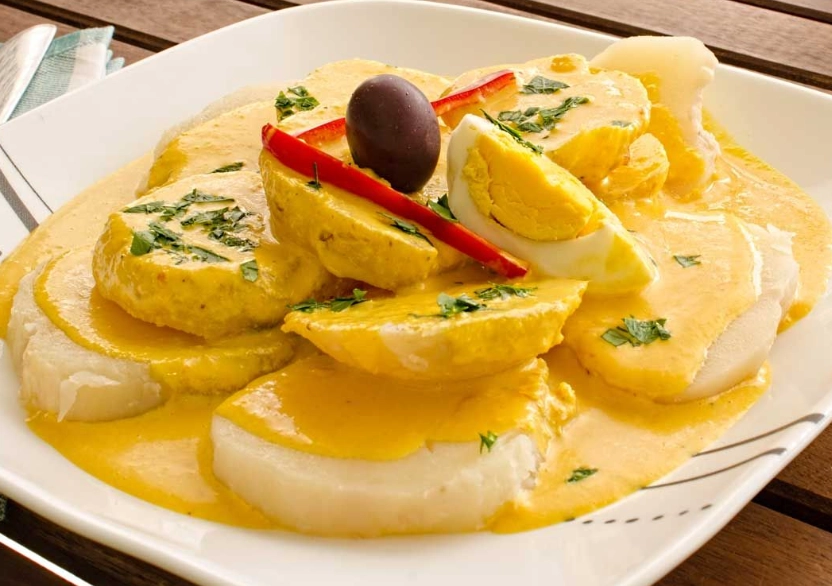
Aji de Gallina: Creamy Comfort Food
This is Peru's answer to chicken pot pie. Shredded chicken in a velvety, nutty, slightly spicy yellow sauce. It feels fancy but is built from humble ingredients. The base is bread and nuts, which thicken the sauce beautifully.
Start by poaching 2 lbs of chicken breasts in water with an onion, carrot, and celery stalk for flavor. Save that broth! Shred the chicken and set aside.
Now, soak 4 slices of white bread (crusts removed) in 1 cup of evaporated milk. In a blender, combine the soaked bread, 1/2 cup of walnuts or pecans, and 1/4 cup of grated Parmesan cheese. Blend into a smooth paste.
In a pot, sauté a finely chopped onion. Add 3 tablespoons of aji amarillo paste and cook for a minute. Stir in the nut-bread paste from the blender. Slowly add 2 cups of your reserved chicken broth, stirring constantly until you have a smooth, creamy sauce. It should coat the back of a spoon. Add the shredded chicken and simmer for 10 minutes. Finish by stirring in 1/2 cup of evaporated milk.
Serve over white rice, garnished with hard-boiled egg slices and black olives. It's rich, comforting, and unlike any other chicken dish you've had.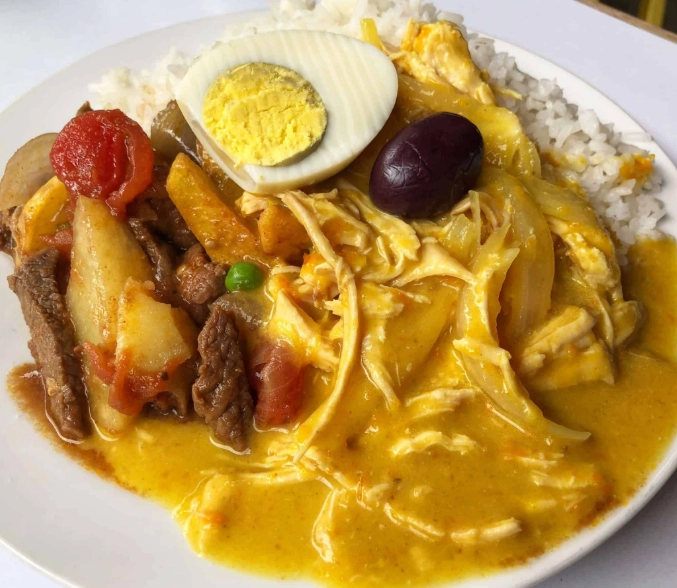
Avoid These Common Peruvian Cooking Pitfalls
After cooking these dishes for years and teaching others, I see the same mistakes.
Using the wrong pepper. Aji amarillo is fruity, floral, and medium-hot. Substituting with generic chili powder or cayenne will give you heat without the signature flavor. Order the paste online—it lasts for months in the fridge.
Over-marinating the ceviche. I said it before, but it's the biggest textural error. The fish "cooks" in the acid. Think of it like searing a steak—you want it just done, not well-done.
Not getting the pan hot enough for Lomo Saltado. This is a stir-fry technique. If your pan isn't screaming hot, the beef will stew in its own juices instead of searing. You won't get those delicious browned bits (the fond) that flavor the sauce.
Rushing the sauce for Aji de Gallina. When you add the broth to the nut paste, go slow and stir constantly. You're creating an emulsion. Dumping it all in at once risks a grainy, separated sauce.