I remember the first time I cooked a top sirloin steak. It came out gray, chewy, and utterly disappointing. I almost gave up on beef altogether. But after years of trial and error—and learning from butchers and chefs—I cracked the code. Now, top sirloin is my go-to cut for weeknight dinners and weekend grilling. It’s affordable, flavorful, and when cooked right, as tender as any premium steak. Let me show you how to avoid the pitfalls and master a top sirloin recipe that delivers juicy results every single time.
What You'll Find in This Guide
What is Top Sirloin and Why It's a Great Cut
Top sirloin comes from the hip area of the cow, just behind the loin. It's a lean cut with a robust beefy flavor, but it lacks the fat marbling of a ribeye or strip steak. That’s why many people end up with tough meat—they treat it like a tenderloin. The truth is, top sirloin has more connective tissue, which means it benefits from careful handling. According to the Beef Checkoff program, it's one of the most versatile cuts for grilling, broiling, or pan-searing. I love it because it’s budget-friendly; at my local butcher, a 1-inch thick steak costs around $12-$15 per pound, compared to $20+ for filet mignon.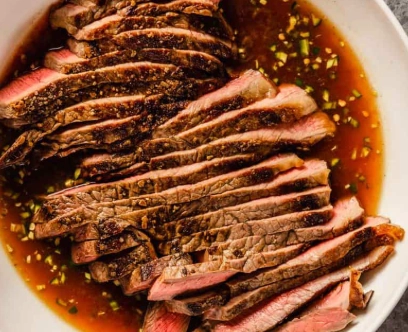
Here’s a quick comparison to put it in perspective:
| Cut | Flavor | Tenderness | Best For |
|---|---|---|---|
| Top Sirloin | Bold, beefy | Moderate (with proper cooking) | Grilling, pan-searing, salads |
| Ribeye | Rich, fatty | High | Special occasions |
| Filet Mignon | Mild, buttery | Very high | Fine dining |
If you’re looking for a steak that won’t break the bank but still impresses, top sirloin is your answer. Just don’t skip the marinating step—I’ll explain why later.
How to Choose the Best Top Sirloin Steak
Picking the right steak is half the battle. I’ve seen too many home cooks grab the first package they see, only to end up with a disappointing meal. Here’s what to look for:
Color and Texture: The meat should be bright red, not brown or dull. Avoid steaks with excessive liquid in the package—that’s a sign of poor handling or aging. A little marbling (those white fat streaks) is good, but top sirloin won’t have much. Instead, focus on a firm texture; press it gently—it should spring back.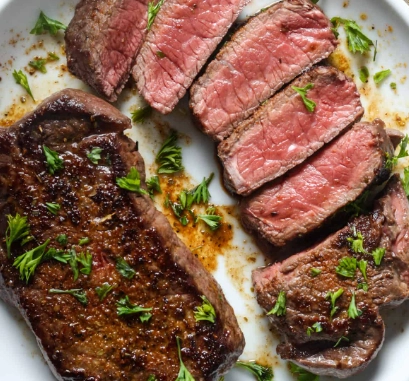
Thickness Matters: Go for steaks at least 1 inch thick. Thinner cuts cook too fast and dry out. I prefer 1.5 inches for a better sear and juicier interior. At the grocery store, you might find pre-cut steaks around 0.75 inches; ask the butcher for a custom cut if possible.
Grade and Source: USDA Choice is fine for top sirloin; Prime is overkill here. Look for grass-fed or grain-finished based on your taste—grass-fed tends to be leaner and more flavorful, but grain-finished can be more tender. I get mine from a local farm that practices sustainable grazing, and the difference in flavor is noticeable.
Step-by-Step Guide to Cooking Perfect Top Sirloin
This isn’t just another recipe; it’s a method I’ve refined over a decade. Follow these steps, and you’ll nail it on the first try.
Ingredients and Tools
For a basic top sirloin recipe, you’ll need:
- 1 top sirloin steak (1 to 1.5 inches thick, about 1 pound)
- 2 tablespoons olive oil
- Salt and freshly ground black pepper
- 2 cloves garlic, minced (optional)
- Fresh herbs like rosemary or thyme
Tools: A cast-iron skillet or grill, meat thermometer, tongs. Don’t use a fork to flip—it pierces the meat and releases juices.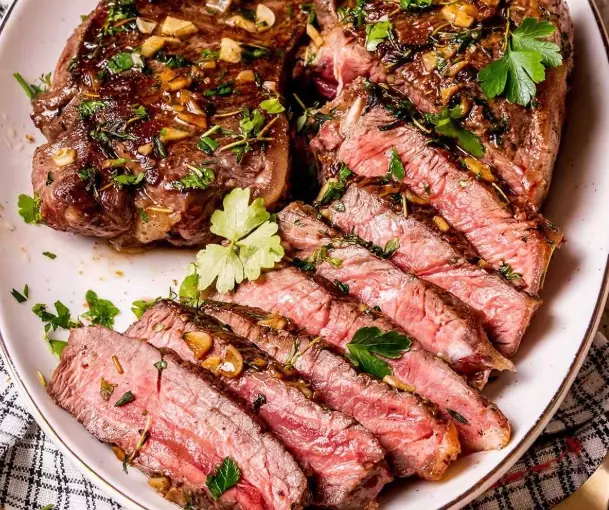
Step 1: Season and Marinate
Pat the steak dry with paper towels. Moisture is the enemy of a good sear. Season generously with salt and pepper on both sides—I use about 1 teaspoon of kosher salt per steak. For extra flavor, rub with minced garlic and herbs. Let it sit for at least 30 minutes, or up to 4 hours in the fridge. Marinating isn’t mandatory, but for top sirloin, it helps break down fibers. A simple marinade of olive oil, acid (like lemon juice or vinegar), and spices works wonders. I often use a mix of soy sauce, Worcestershire sauce, and a splash of balsamic vinegar for depth.
Step 2: Preheat and Sear
Heat your skillet or grill over high heat until smoking hot. Add a thin layer of oil. Place the steak and don’t touch it for 3-4 minutes. You want a deep brown crust. Flip once and cook for another 3-4 minutes. This initial sear locks in juices.
Step 3: Cook to Desired Doneness
Reduce heat to medium or move to a cooler part of the grill. Continue cooking, flipping occasionally, until the internal temperature hits your target. Use a meat thermometer—guessing leads to overcooking. Here’s a quick guide:
- Rare: 125°F (52°C) – very red center
- Medium-rare: 135°F (57°C) – warm red center (my preference for top sirloin)
- Medium: 145°F (63°C) – pink center
- Well-done: 160°F (71°C) – gray throughout (not recommended for this cut)
For a 1.5-inch steak, total cooking time is usually 10-12 minutes. But rely on temperature, not time.
Step 4: Rest and Serve
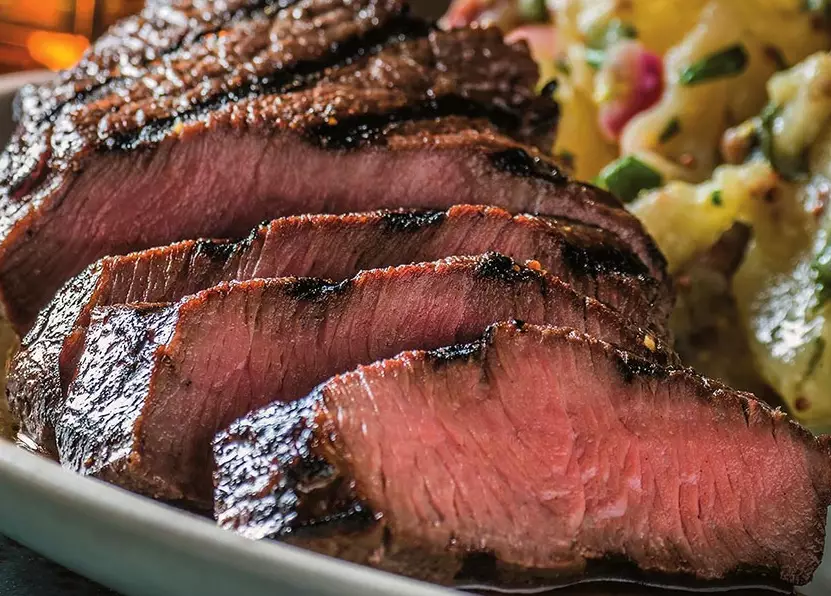
Remove the steak and let it rest on a cutting board for 5-10 minutes. This is crucial—the juices redistribute, making it tender. I cover it loosely with foil. Slice against the grain (look for the muscle fibers and cut perpendicular) to shorten fibers and enhance tenderness.
Top Sirloin Recipe Variations
Once you master the basics, try these twists. They’re perfect for meal prep or impressing guests.
Asian-Inspired Top Sirloin: Marinate in soy sauce, ginger, garlic, and a touch of honey. Sear quickly and serve over rice with steamed veggies. The sweetness balances the beefiness.
Classic Herb-Crusted: Coat the steak with a mix of chopped parsley, thyme, and breadcrumbs before searing. It adds a crunchy texture. I learned this from a French chef who swore by it for lean cuts.
Slow-Cooked Top Sirloin: Yes, you can slow-cook it! Braise in a Dutch oven with red wine and onions at 300°F for 2-3 hours. It becomes fall-apart tender—great for tacos or sandwiches. This method saves tougher cuts from the trash.
Experiment with different acids in your marinade. Lime juice works well for a zesty kick, while yogurt-based marinades (common in Indian cuisine) tenderize remarkably. I once used pineapple juice, but be careful—the enzymes can turn the meat mushy if left too long.
Common Mistakes to Avoid When Cooking Top Sirloin
After teaching cooking classes, I’ve seen the same errors repeatedly. Here’s how to fix them.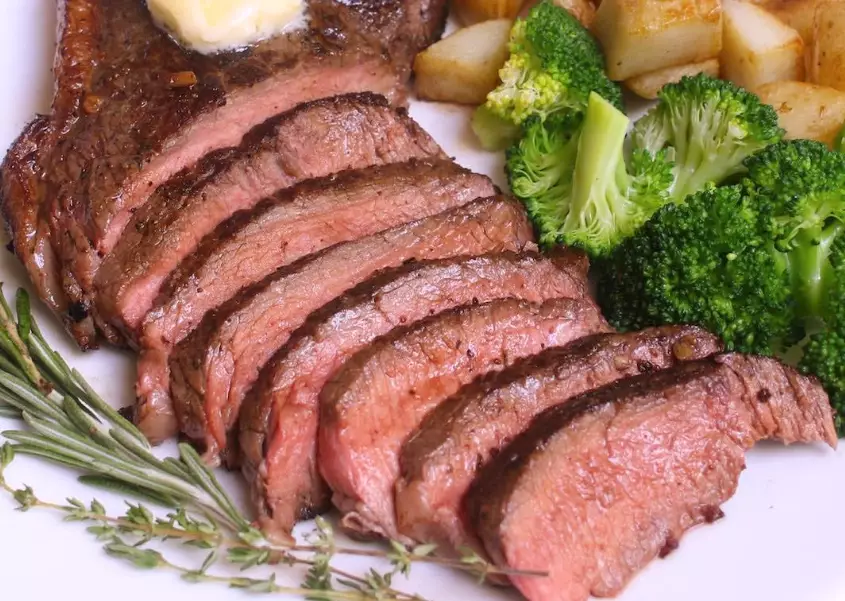
Over-marinating with Acid: Acids like vinegar or citrus break down proteins, but more than 4 hours can make the surface mealy. For top sirloin, limit acidic marinades to 2 hours. Instead, use enzymatic marinades with pineapple or papaya for longer periods.
Cooking Straight from the Fridge: A cold steak won’t cook evenly. That 30-minute rest at room temperature is non-negotiable. I’ve tested it side-by-side, and the difference in juiciness is stark.
Ignoring the Grain: Slicing with the grain makes the steak chewy. Always identify the fiber direction and cut across it. On top sirloin, the fibers run lengthwise, so slice perpendicularly.
Using Low Heat for Searing: A weak sear means no flavor development. Get that pan smoking hot. If you’re worried about smoke, open a window—it’s worth it. I use an infrared thermometer to check; aim for 400°F+ on the surface.
One subtle mistake: salting too late. Salt draws out moisture, but if you do it right before cooking, the steak steams instead of sears. Salt at least 30 minutes ahead, or just before if you’re in a rush. The Serious Eats food science team has great articles on this, confirming that early salting improves texture.
FAQ: Your Top Sirloin Questions Answered
Top sirloin doesn’t have to be a gamble. With these tips, you can turn an affordable cut into a restaurant-quality meal. Start with a good steak, don’t rush the process, and trust your thermometer. Happy cooking!