Let's talk about Cochinita Pibil. You might have seen it on a menu, a vibrant orange pile of succulent pork, or maybe you caught a glimpse of it being unearthed from a pit in a travel documentary. It's not just another taco filling. It's a centuries-old ceremony turned into food, from the Yucatán Peninsula. And the good news? You can make a killer version at home without digging a hole in your backyard. This isn't about a quick weeknight meal; it's about a project that fills your house with incredible aromas and rewards you with some of the most tender, flavorful meat you'll ever taste.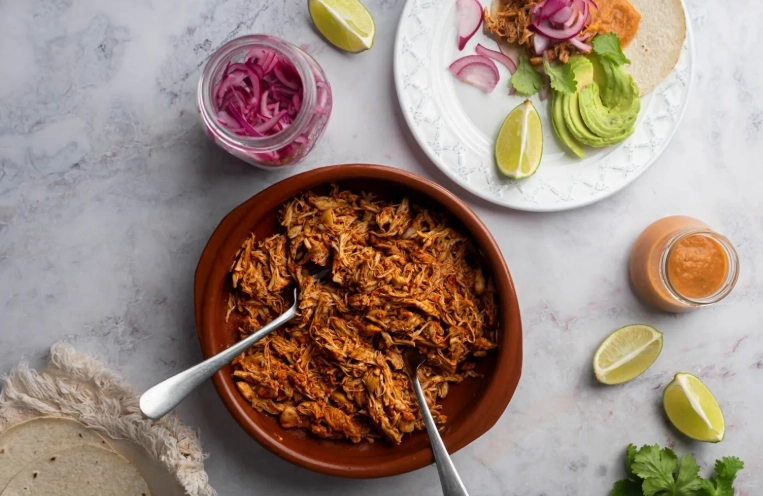
What's Inside This Guide
What Exactly Is Cochinita Pibil?
Cochinita means "little pig," and Pibil refers to the Mayan cooking method "p'ib," meaning "buried" or "cooked underground." Traditionally, a whole suckling pig is marinated in achiote and citrus, wrapped in banana leaves, and slow-cooked in a pit lined with hot stones. The result is meat that's absurdly juicy and perfumed with earthy, citrusy, and peppery notes.
For the home cook, we're adapting that method. We use a pork shoulder (butt), which has the perfect fat content for long, slow cooking. Instead of a pit, we use a low oven. The soul of the dish remains intact: the achiote marinade and the protective, aromatic steam from the banana leaves.
The cultural significance runs deep. It's a staple for celebrations in the Yucatán. The Mexican Tourism Board often highlights Pibil as a culinary heritage dish, and its preparation is a point of regional pride, distinct from the better-known tacos al pastor or carnitas of central Mexico.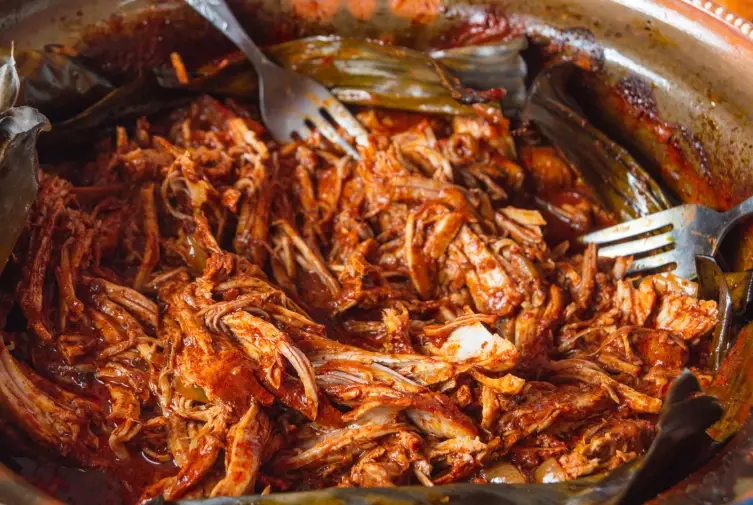
The Key Ingredients, Deconstructed
Getting these right is non-negotiable if you want authenticity. Substitutions exist, but they change the character.
Pro Tip from the Kitchen: The most common mistake I see? People use store-bought "achiote paste" that's already mixed with vinegar and spices. It's often too salty and lacks brightness. Making your own recado rojo (the marinade paste) is simpler than you think and makes a world of difference.
| Ingredient | Role in the Dish | What to Look For / Notes |
|---|---|---|
| Achiote (Annatto) Seeds | Provides the iconic red-orange color and a subtle earthy, slightly peppery, and faintly floral flavor. It does NOT taste "red." | Buy whole seeds, not powder. You'll grind them. Find them in Latin markets or online. They keep forever. |
| Fresh Banana Leaves | Not just wrapping. They impart a subtle grassy, tea-like aroma and create a sealed, steamy environment that braises the meat. | Find frozen leaves in Asian or Latin markets. Thaw, wipe clean, and briefly pass over an open flame to make them pliable. |
| Bitter Orange Juice (Naranja Agria) | The acidic component that tenderizes and flavors. It's sharp, tangy, and less sweet than regular orange. | No substitute is perfect, but a 2:1:1 mix of fresh orange juice, grapefruit juice, and lime juice is the best hack. |
| Pork Shoulder (Boston Butt) | The ideal cut. Well-marbled, connective tissue-rich, it breaks down over hours into shreddable perfection. | Don't use pork loin or tenderloin. They'll dry out. Shoulder is forgiving and flavorful. |
| Garlic, Oregano, Cumin, Black Pepper, Clove | The supporting spice cast. They build depth and warmth behind the achiote and citrus. | Use Mexican oregano if possible (it's more floral). Toasting whole spices before grinding elevates the flavor. |
The Non-Negotiables vs. The Flexible Bits
You can't skip the achiote, the citrus acid, or the slow cooking. That's the trinity. What you can play with? The heat. Traditional Yucatecan recado often includes a habanero or two blended right into the marinade paste. If you're sensitive to heat, leave it out and serve pickled habaneros on the side. The type of vinegar (some use white, some apple cider) is also a personal touch.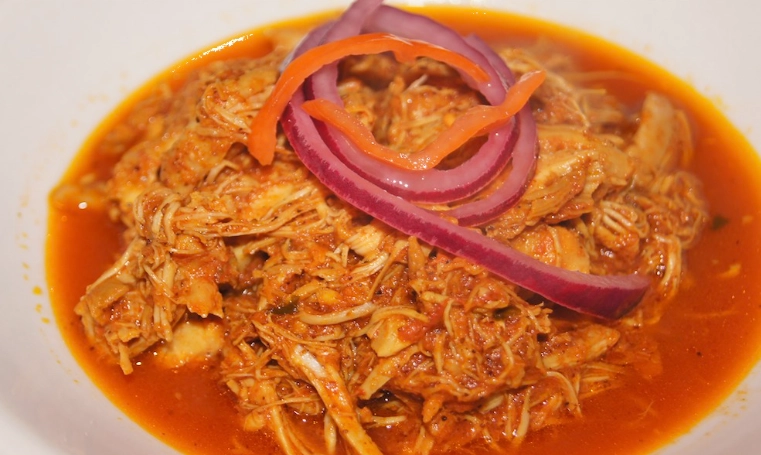
The Step-by-Step Process: From Marinade to Melt
Plan for this to be a two-day affair. Day one is prep and marinating. Day two is the long, slow cook. The waiting is the hardest part, but it's what makes it special.
1. Make the Recado Rojo (Achiote Paste)
Toast 3 tablespoons of achiote seeds in a dry pan for 60 seconds until fragrant. Let them cool, then grind them in a spice grinder as finely as possible. In a blender, combine the ground achiote with 1 head of peeled garlic, 2 teaspoons each of dried oregano and cumin, 1 tablespoon black peppercorns, 2 whole cloves, 1.5 teaspoons salt, and about 3/4 cup of your bitter orange juice substitute. Blend into a smooth, vibrant paste. It should be the consistency of a thick ketchup. Too thick? Add a splash more juice. This is your flavor bomb.
2. Marinate the Pork
Take a 4-5 pound boneless pork shoulder and cut it into 3-inch chunks. Don't make them too small—bigger chunks stay juicier. Massage the recado paste into every nook and cranny of the meat. Place it all in a glass or non-reactive container, cover, and refrigerate. Overnight is ideal. 8 hours minimum. 24 hours is heaven. This isn't just for flavor; the acid begins the tenderizing process.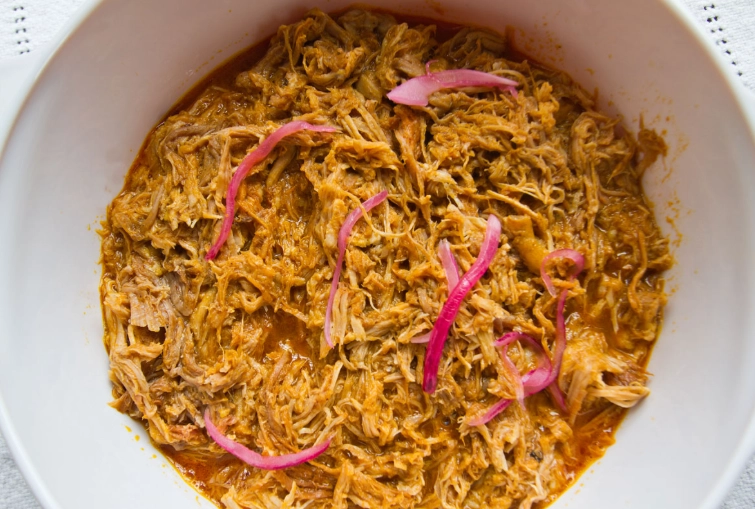
3. The Wrap and The Roast
Preheat your oven to 325°F (160°C). Line a Dutch oven or a deep, heavy baking dish with banana leaves. You want enough overhang to completely cover the meat. Place the marinated pork chunks inside. Pour any remaining marinade from the bowl over the top. Fold the banana leaves over to create a tight packet. If you have extra leaves, lay them on top. Then, crucially, seal the pot with a tight-fitting lid or a double layer of heavy-duty foil.
This sealed environment is your artificial "pib." It traps steam and gently braises the meat in its own juices.
Roast for 4 to 5 hours. Don't peek before 3.5 hours. You'll know it's done when you can easily shred a piece of pork with a fork. It should offer no resistance.
Serving, Storing, and Making It Shine
Once cooked, let it rest in the packet for 30 minutes. Then, shred the meat directly in the incredible juices that have accumulated at the bottom of the pot.
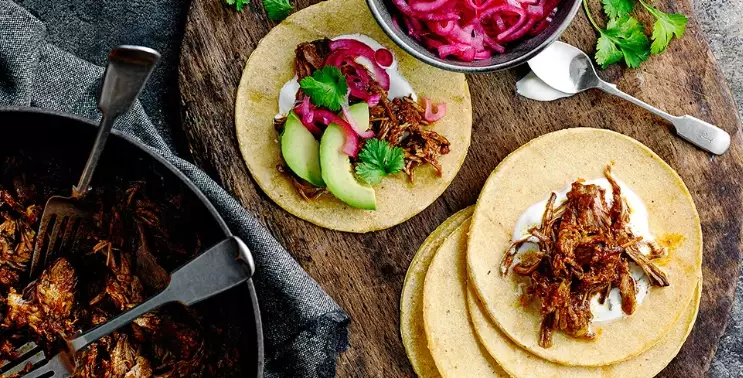
How to serve it: The classic Yucatecan way is on soft, small corn tortillas as tacos. Top with finely sliced red onion pickled in bitter orange juice (or lime juice), and fresh cilantro. A splash of the cooking juices over the taco is mandatory. It's also incredible served as a plate with black beans, rice, and tortillas.
Storing it: This is a make-ahead dream. It keeps in the fridge for up to 4 days, and the flavors actually improve. The fat will solidify on top—that's your protective layer. Reheat gently in a saucepan with a bit of its liquid. It freezes beautifully for up to 3 months.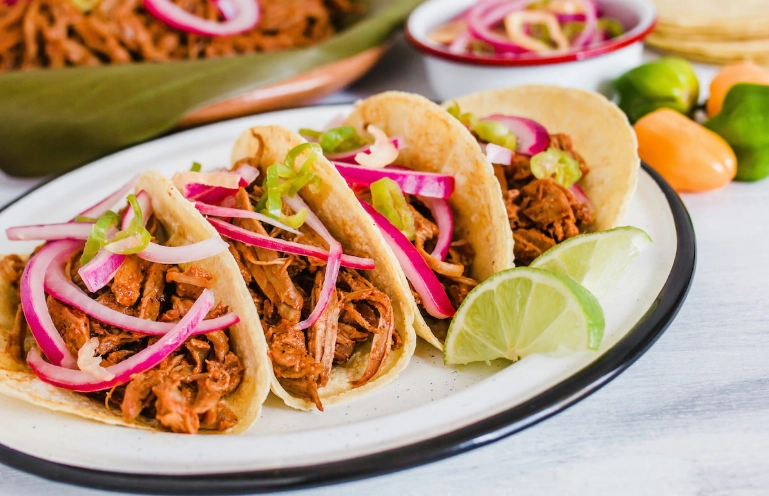
Your Pibil Questions, Answered
 I don't have a Dutch oven. What's the best alternative for slow roasting pibil?