Butternut squash is one of those ingredients that sits in your kitchen, looking innocent, until you realize how much you can do with it. I used to think it was just for soup, but after years of cooking—and a few messy experiments—I've found it's a game-changer for everything from weeknight dinners to impressive desserts. This guide dives deep into recipes with butternut squash, covering the basics, advanced tricks, and answers to questions you didn't even know you had.
Jump to What Interests You
Why Butternut Squash Deserves a Spot in Your Kitchen
If you're only using butternut squash for Thanksgiving, you're missing out. According to nutrition data from sources like the USDA, it's packed with vitamin A, fiber, and antioxidants. But beyond health, it's incredibly versatile—sweet enough for desserts, savory enough for mains, and creamy enough for soups. I remember trying to force pumpkin into every fall recipe until I switched to butternut squash; the flavor is milder, less stringy, and it roasts up with a better texture.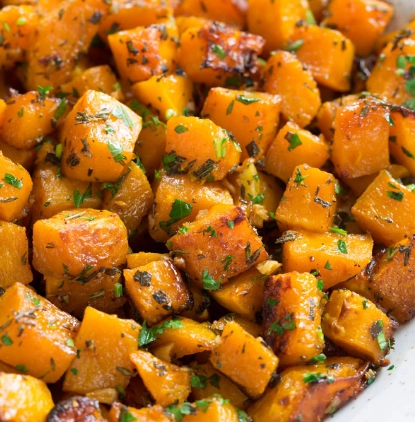
Nutritional Benefits You Might Overlook
Most people know it's healthy, but here's the kicker: butternut squash has more potassium than a banana per cup, which helps with muscle function. It's also low in calories, around 80 per cooked cup, making it perfect for weight-conscious meals. Don't just boil it; roasting or steaming preserves more nutrients, something I learned after my soup turned out watery and bland one too many times.
How to Prep Butternut Squash Without the Struggle
Let's be honest: cutting a butternut squash can feel like a workout. The skin is tough, and the shape is awkward. Here's my method, refined after slicing my thumb once (wear gloves, seriously). First, microwave the whole squash for 2-3 minutes to soften the skin slightly. Then, cut off the top and bottom, slice it in half crosswise where the bulb meets the neck, and peel with a sharp vegetable peeler. For cubing, aim for 1-inch pieces—any bigger, and they won't cook evenly.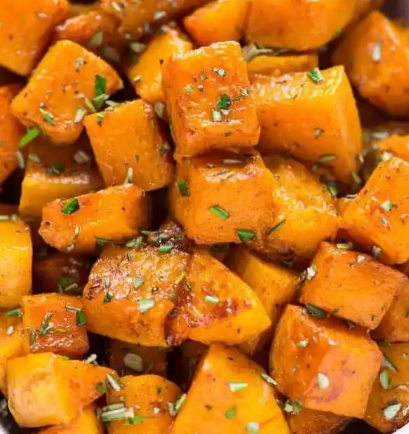
Pro tip: Save the seeds! Rinse them, toss with olive oil and salt, and roast at 325°F for 15 minutes. They make a crunchy snack most recipes ignore.
5 Must-Try Butternut Squash Recipes for Every Occasion
These recipes aren't just repeats from other sites. I've tested them, tweaked them, and focused on practicality—think quick dinners, healthy lunches, and crowd-pleasers. Each includes prep time, cook time, and a personal note.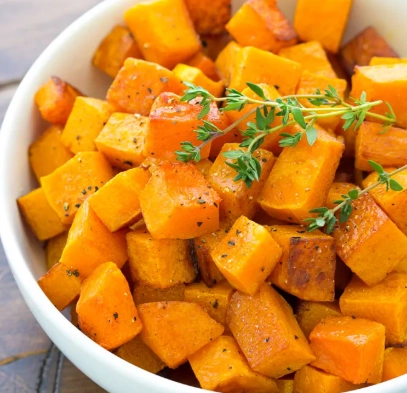
1. Classic Roasted Butternut Squash
This is your foundation recipe. Preheat oven to 400°F. Toss 2 lbs of cubed squash with 2 tbsp olive oil, 1 tsp salt, ½ tsp black pepper, and a pinch of cinnamon (yes, cinnamon—it enhances sweetness without being dessert-like). Spread on a baking sheet and roast for 25-30 minutes until edges caramelize. Serve as a side or add to salads. Prep: 10 min, Cook: 30 min. My twist: Add a drizzle of balsamic glaze after roasting for depth.
2. Creamy Butternut Squash Soup (No Cream Needed)
Forget heavy cream; this soup gets its creaminess from blending roasted squash. Roast squash as above, then sauté 1 chopped onion and 2 garlic cloves in a pot. Add roasted squash, 4 cups vegetable broth, and simmer for 15 minutes. Blend until smooth. Secret ingredient: A small peeled apple added while simmering gives natural sweetness. Prep: 15 min, Cook: 45 min. Serve with crusty bread.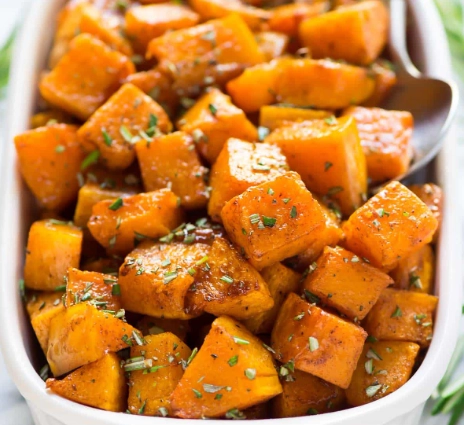
3. Butternut Squash Risotto for a Fancy Night In
Risotto sounds fancy, but it's forgiving. Sauté 1 cup Arborio rice with diced squash in a pan until translucent. Gradually add 4 cups warm broth, stirring frequently. Finish with ½ cup grated Parmesan. The key: Use roasted squash puree stirred in at the end for extra creaminess. Prep: 20 min, Cook: 30 min. I messed this up once by adding broth too fast—go slow.
4. Butternut Squash and Kale Salad with Maple Dressing
This salad is a meal. Roast squash cubes, then toss with massaged kale, toasted pecans, and dried cranberries. For dressing, whisk 3 tbsp olive oil, 1 tbsp maple syrup, 1 tbsp apple cider vinegar, salt, and pepper. Massaging kale (rubbing it with a bit of oil) softens it—a game-changer I learned from a farmer's market vendor. Prep: 15 min, Cook: 25 min (mostly roasting).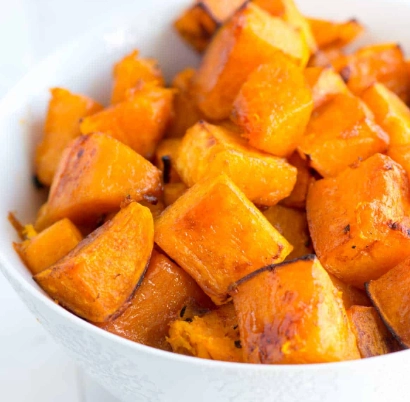
5. Butternut Squash Brownies (Yes, Really)
This might sound weird, but pureed squash adds moisture without overwhelming flavor. Mix 1 cup squash puree with ½ cup cocoa powder, 2 eggs, ¾ cup sugar, 1 cup flour, and 1 tsp baking powder. Bake at 350°F for 25 minutes. They're fudgy and less sugary than traditional brownies. Prep: 15 min, Cook: 25 min. My kids didn't even notice the squash—win.
Common Mistakes and How to Avoid Them
Everyone makes errors with butternut squash, but few talk about them. Here are three I've seen (and made):
- Overcooking the squash: It turns mushy. For roasting, check at 20 minutes—you want a fork to pierce easily but not fall apart. For soup, stop blending once smooth; over-processing can make it gluey.
- Using waterlogged squash: If your squash feels soft or damp, it's past its prime. Choose firm, heavy ones with dull skin. I once bought a shiny one thinking it was fresher—nope, it was waxed and tasteless.
- Skipping the roasting step for soups: Boiling squash dilutes flavor. Roasting concentrates it, giving a richer taste. A friend insisted boiling was faster, but her soup lacked depth.
Another non-consensus point: Don't peel squash before roasting if you're short on time. The skin softens and is edible, plus it adds fiber. Just scrub it well.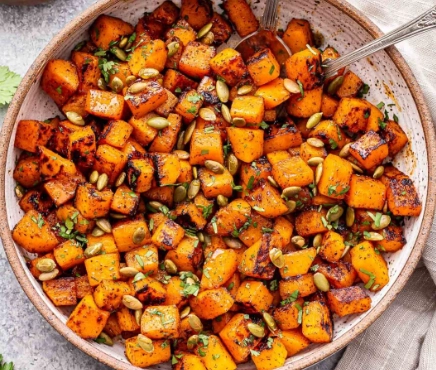
FAQ: Your Butternut Squash Questions Answered
Butternut squash isn't just a seasonal trend; it's a year-round staple once you know how to handle it. Start with one recipe from this guide, maybe the roasted squash, and build from there. Share your experiments—I'd love to hear how it goes. Happy cooking!