Quick Navigation
- What Exactly Is Fish Stock (And Why It's a Game Changer)
- Gathering Your Ingredients: What You Really Need
- The Foolproof, Step-by-Step Fish Stock Recipe
- Common Pitfalls & How to Avoid Them (The "What Went Wrong" Guide)
- How to Use Your Homemade Fish Stock: Beyond the Soup Bowl
- Answering Your Fish Stock Questions (The FAQ)
- Final Thoughts: It's Easier Than You Think
Let's be honest for a second. The idea of making fish stock from scratch can feel a bit intimidating, maybe even a little smelly. I used to think the same thing. I'd stare at fish bones at the market, think about the potential mess, and just grab a box of the store-bought stuff. Big mistake. The difference between a homemade fish stock recipe and the carton from the shelf is like night and day. One tastes like the essence of the sea, clean and complex. The other... well, it often tastes like salt and disappointment.
So I decided to figure it out. After a lot of trial and error (including one spectacularly cloudy and bitter batch that went straight down the drain), I finally nailed a method that's not only simple but delivers incredible results every single time. This isn't about fancy chef tricks you'll never use. It's about a straightforward, easy fish stock that forms the secret backbone of amazing seafood dishes.
Why bother? Because if you love making chowders, bisques, paella, or even a simple pan sauce for fish, this is your magic ingredient. It's the difference between a good soup and a great one. It's also a fantastic way to practice waste-free cooking. Those bones and heads that usually get tossed? They're liquid gold.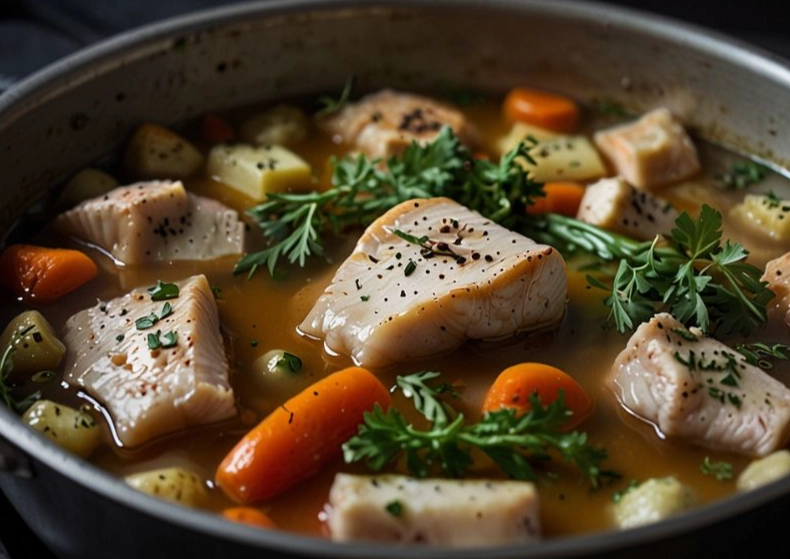
What Exactly Is Fish Stock (And Why It's a Game Changer)
First things first, let's clear up what we're making. Fish stock is a light, aromatic broth made by simmering fish bones, heads, and aromatics (like onions, celery, and herbs) in water. It's not the same as fish fumet, which is a more concentrated French version often made with wine and mushrooms, though the terms are used interchangeably these days. For our purposes, we're making a versatile, all-purpose stock.
The beauty of a great fish stock recipe is its subtlety. It shouldn't overpower. It should support. It adds a layer of savory depth (that's umami, if you want the fancy term) that water or even vegetable broth just can't match. Think of it as the bass line in a song—you might not always notice it immediately, but you'd definitely miss it if it were gone.
Gathering Your Ingredients: What You Really Need
Here's where many guides overcomplicate things. You don't need a laundry list of exotic ingredients. The core principle is simple: good bones + fresh aromatics + time = great stock. Let's break down the essentials.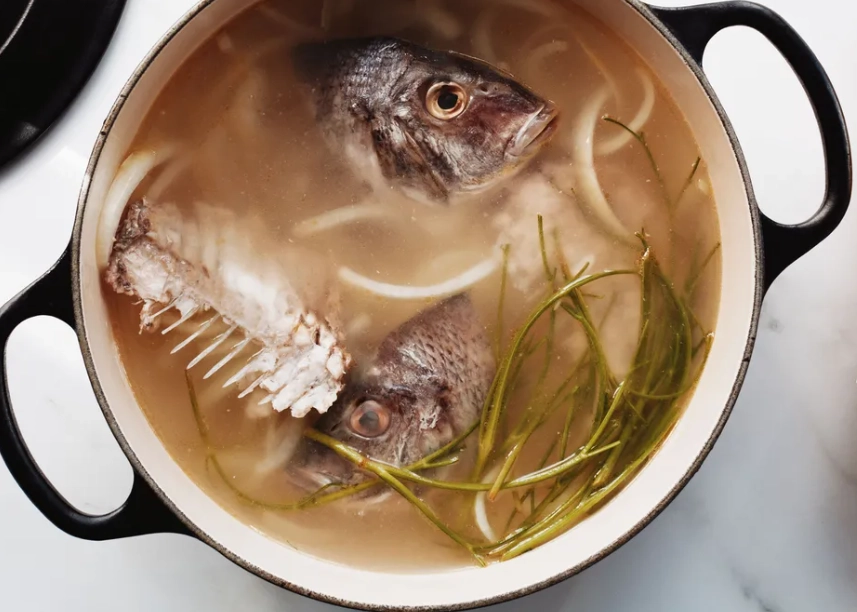
The Fish Bones: The Heart of the Matter
This is the most important decision. Not all fish are created equal for stock.
- White, Lean Fish are Best: You want bones from mild, non-oily fish. Think flounder, sole, snapper, cod, halibut, or turbot. Their bones yield a clean, sweet, and clear broth.
- Avoid Oily Fish: Steer clear of salmon, mackerel, sardines, or trout bones for a basic stock. Their stronger, fishier oils can make the stock cloudy, pungent, and bitter. (Save those for a dedicated salmon stock if you like that flavor profile—it's a different beast altogether).
- Where to Find Them: Your best bet is to befriend your local fishmonger. Simply ask for "bones for stock" or "frames." They're usually sold for a few dollars a pound, if not given away. Some grocery store seafood counters will also have them packaged up. You'll want about 2 to 3 pounds for a good batch.
- Heads are a Bonus: If you can get heads with the bones, even better! They contain lots of gelatin and flavor, especially from the cheeks and collars. Just ask the fishmonger to remove the gills, as they can impart bitterness.
The Aromatics: Building the Flavor Foundation
These vegetables and herbs gently infuse the stock without dominating it. The classic French combination is mirepoix.
- 1 large yellow onion, roughly chopped (no need to peel, it adds color).
- 2-3 celery stalks, roughly chopped (include the leafy tops for extra flavor).
- 1 large carrot, roughly chopped (optional for a truly classic clear stock, as it can add a slight sweetness and orange tint, but I usually include one).
- 1 leek, white and light green parts only, thoroughly washed and chopped (this adds a wonderful, gentle onion flavor).
- A small handful of fresh parsley stems (the stems have more flavor than the leaves for stock).
- 5-10 whole black peppercorns.
- 1-2 bay leaves.
- Optional but fantastic: A few sprigs of fresh thyme and/or a couple of fennel fronds.
Equipment: Keeping It Simple
A large stockpot (8-quart or bigger) is ideal. A fine-mesh strainer or a colander lined with cheesecloth is crucial for getting that crystal-clear broth. That's really it.
The Foolproof, Step-by-Step Fish Stock Recipe
Alright, let's get to the main event. This is my go-to method, refined over many batches.
Step 1: The All-Important Prep
Rinse your fish bones and heads under cold water. This washes away any residual blood or bits, which are the primary culprits for cloudy stock. Give them a good swish around in a bowl of cold water, then drain. Don't skip this! Pat them dry-ish with paper towels—they don't need to be bone-dry.
Step 2: The Quick Sweat (Not a Sauté)
In your large stockpot, add a tiny drizzle of a neutral oil (like canola or grapeseed). Add your chopped onions, celery, carrot, and leek. Cook them over medium-low heat for about 5-7 minutes. You're not looking to brown them or get any color. You just want them to soften slightly and sweat, which helps release their flavors into the stock more effectively. Some recipes skip this, but I find it gives a richer base flavor to the final fish stock recipe.
Step 3: The Simmer (Patience is Key)
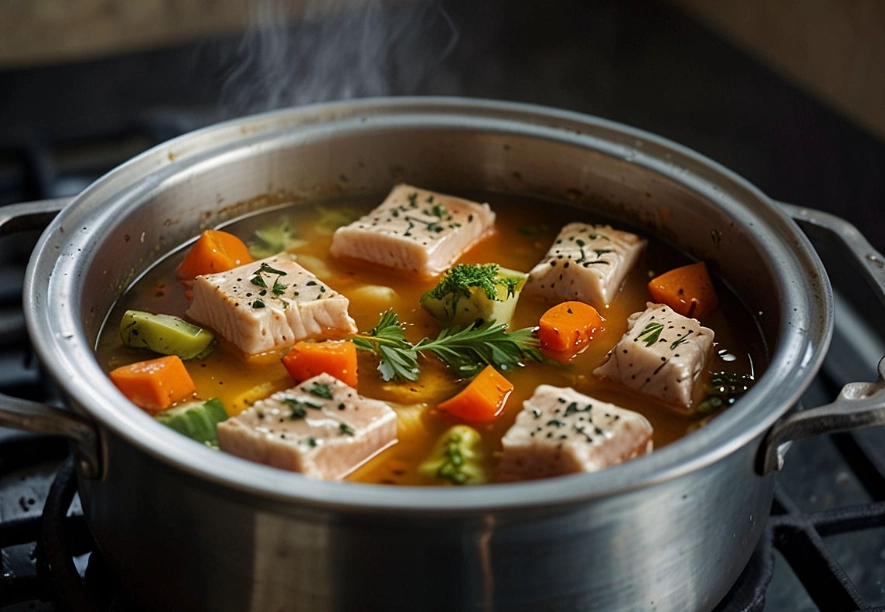
Add the rinsed fish bones and heads to the pot with the sweated veggies. Toss in the parsley stems, peppercorns, bay leaves, and any other optional herbs. Now, cover everything with cold water. Use just enough to submerge the ingredients by an inch or two—about 12-14 cups for a standard batch. Starting with cold water is another secret for clarity, as it allows impurities to dissolve gently.
Bring the pot to a very gentle simmer over medium heat. This is critical. You should see small bubbles lazily rising to the surface, not a rolling boil. A violent boil will churn the fat and proteins into the broth, creating a permanent, cloudy mess. It will also make the stock taste harsh.
Step 4: Skimming and Straining
As the stock begins to heat up, a white-ish foam (scum) will rise to the top. Use a ladle or a fine-mesh skimmer to gently remove this foam. It's mostly coagulated protein and will make your stock cloudy if left in.
Once your timer goes off, immediately turn off the heat. Carefully ladle or pour the entire contents of the pot through a fine-mesh strainer (lined with damp cheesecloth for ultra-clarity) into a large clean bowl or another pot. Discard all the solids—they've given up all their flavor.
Do not press on the solids in the strainer. Let the stock drain naturally. Pressing will force fine particles through and cloud your beautiful, clear broth.
Step 5: Cooling and Storing Your Liquid Gold
You now have a pot of gorgeous, aromatic fish stock. To stop the cooking process and preserve that delicate flavor, you need to cool it down quickly. Place the bowl of stock into a larger bowl or sink filled with ice water, stirring occasionally. Once it's no longer steaming hot, you can refrigerate it.
As it chills, any remaining fat will solidify on the surface as a white layer. You can easily scrape this off before using it. The stock itself will gel slightly if you used good, gelatin-rich bones—a sign of quality!
Storage: It keeps in the fridge for 3-4 days. For longer storage, freeze it. I pour cooled stock into ice cube trays (for small portions for sauces), 1-cup containers, and 1-quart containers. This fish stock recipe freezes beautifully for up to 3 months.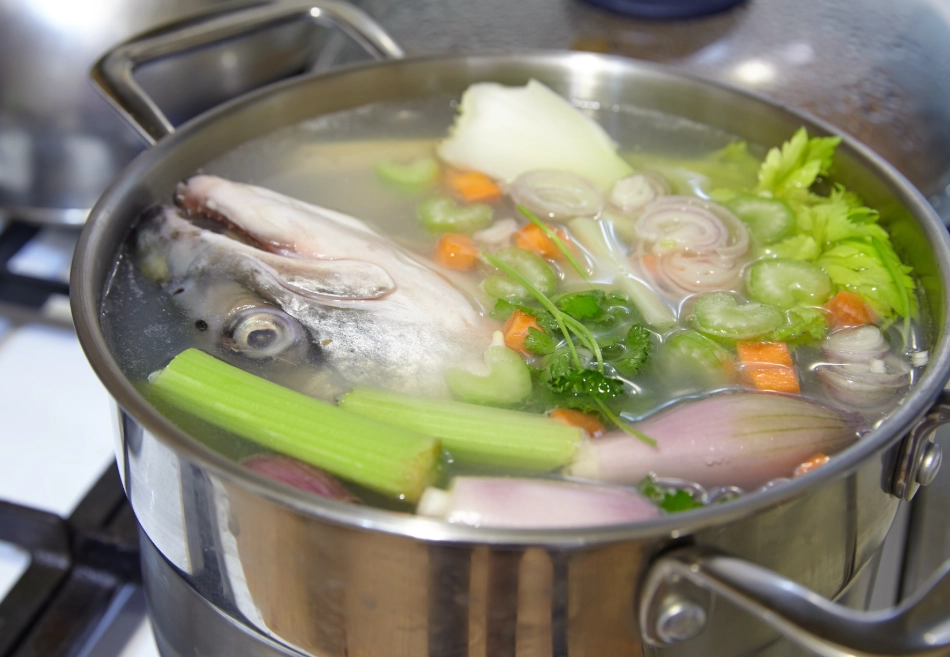
Common Pitfalls & How to Avoid Them (The "What Went Wrong" Guide)
Even with a great recipe, things can go sideways. Here’s a quick troubleshooting table based on my own mishaps.
| Problem | Likely Cause | How to Fix It Next Time |
|---|---|---|
| Cloudy, Murky Stock | 1. Didn't rinse bones. 2. Let it come to a rolling boil. 3. Simmered too long. 4. Pressed solids when straining. | Rinse bones, maintain a bare simmer, set a timer, strain gently without pressing. |
| Bitter or Harsh Taste | 1. Used oily fish bones (like salmon). 2. Simmered for over an hour. 3. Included fish gills. 4. Used too many strong herbs/spices. | Use only white fish bones, simmer max 45 mins, remove gills, keep aromatics simple. |
| Weak, Watery Flavor | 1. Too much water for the amount of bones. 2. Simmered for too little time. 3. Bones were from very small, lean fish. | Use a higher bone-to-water ratio (2-3 lbs bones per 12-14 cups water), ensure a full 25-min simmer. |
| Overly Fishy Smell | 1. Bones were not fresh. 2. Used oily fish. 3. Stock wasn't cooled quickly after making. | Source the freshest bones possible, stick to lean fish, cool stock rapidly in an ice bath. |
How to Use Your Homemade Fish Stock: Beyond the Soup Bowl
So you've made this amazing broth. Now what? Its uses are endless, and this is where the real fun begins.
- The Obvious: Seafood chowders, bisques (like lobster or crab), cioppino, and bouillabaisse. It's the non-negotiable base.
- Rice and Grains: Use it instead of water to cook rice for seafood risotto or paella. The flavor infusion is incredible.
- Pan Sauces & Deglazing: After pan-searing a fish fillet or scallops, deglaze the tasty browned bits in the pan with a splash of fish stock. Reduce it, whisk in a little butter, and you have a restaurant-quality sauce in minutes.
- Steaming: Steam clams, mussels, or fish fillets in a mix of fish stock and white wine with some garlic and herbs. The resulting broth is a meal in itself with some crusty bread.
- Braises and Stews: Use it as the liquid for braising vegetables or as part of the liquid in a hearty fish stew.
Honestly, once you have it in your freezer, you'll find yourself reaching for it constantly. It elevates everything it touches.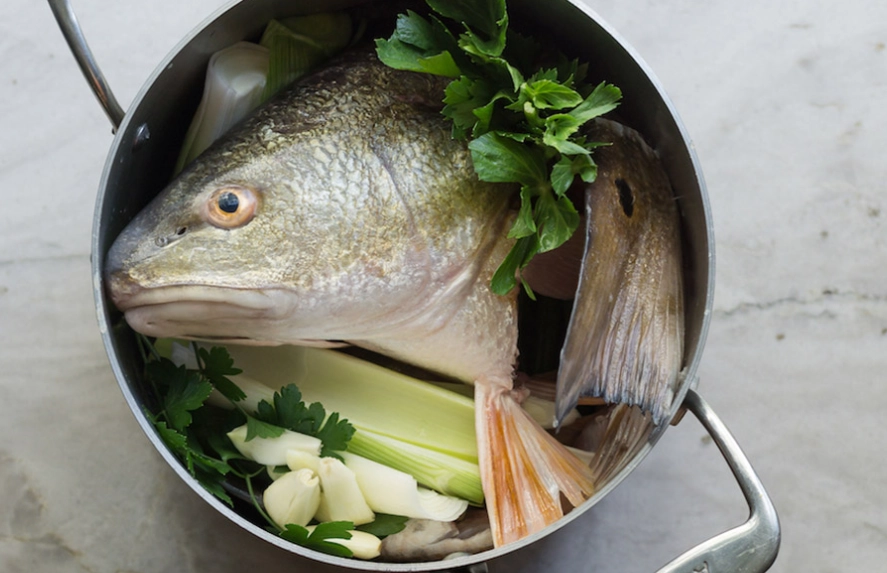
Answering Your Fish Stock Questions (The FAQ)
Can I use frozen fish bones for this fish stock recipe?
Absolutely! In fact, it's a great way to accumulate them. Just make sure they were fresh when frozen. Thaw them in the fridge before using, and give them a quick rinse as usual.
What's the difference between fish stock and clam juice or bottled seafood stock?
Clam juice is very specific—it's the juice from steamed clams, so it's briny and strong. Bottled "seafood stock" is often a one-note, salty product with additives. Your homemade fish stock recipe is a balanced, pure, and customizable foundation. There's no comparison in quality or versatility.
I'm vegetarian but cook for seafood lovers. Can I make a seafood-flavored vegetable stock?
You can get a hint of the sea without fish. Simmer dried kombu (edible kelp) and dried shiitake mushrooms with your standard vegetable aromatics. It won't be fish stock, but it creates a deeply savory, umami-rich broth that works wonderfully in many seafood-*inspired* vegetarian dishes.
Is it safe to make fish stock? What about food safety with fish heads?
Handling raw fish requires basic kitchen hygiene. Rinse everything well, keep things clean, and cool the finished stock rapidly. As with any stock, don't let it sit at room temperature for hours. Refrigerate or freeze it promptly. For authoritative guidance on safe seafood handling, you can refer to the FDA's guidelines on seafood safety.
How can I make my fish stock more sustainable?
This is a great question. First, use bones from sustainably sourced fish. Ask your fishmonger about the origin. The NOAA FishWatch website is an excellent government resource for learning about sustainable U.S. seafood. Second, you're already practicing sustainability by using parts of the fish (bones, heads) that would otherwise be waste. That's the core of a nose-to-tail, waste-conscious approach.
Final Thoughts: It's Easier Than You Think
Look, at its core, learning how to make fish stock is a simple skill. It asks for a little attention (that gentle simmer) and a bit of prep (rinsing those bones), but the active work time is maybe 15 minutes. The pot does the rest.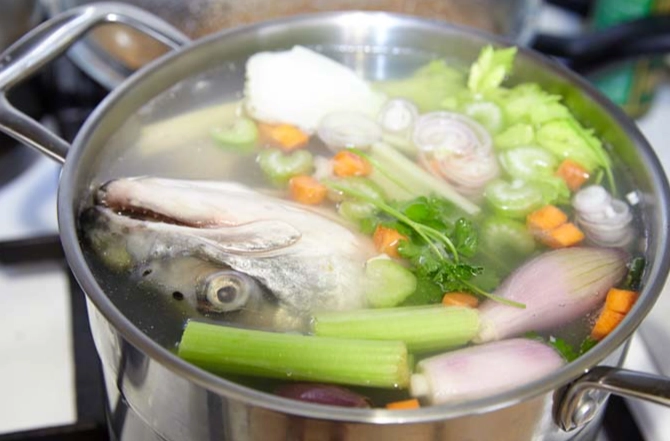
The reward is immense. You gain control over an essential flavor component. You save money. You reduce food waste. And you get to taste the real, clean essence of the sea in your cooking.
The next time you see fish bones at the market, don't walk past them. Grab them, take them home, and give this easy fish stock method a try. I promise, your seafood dishes will never be the same. They'll be better. They'll taste like they were made by someone who cares about the foundations of flavor. And that someone is you.