You got a sous vide machine. You followed the instructions, clipped a bag of food into a tub of water, and waited. The result was... fine. Edible. But not the mind-blowing, restaurant-quality transformation you were promised. Sound familiar? The gap between "fine" and "fantastic" in sous vide cooking isn't about the machine—it's about the recipe and a few critical details most guides gloss over. Let's fix that. This isn't just a list of dishes; it's a curated set of the best sous vide recipes that work every single time, built on a decade of getting it wrong so you can get it right.
What's Inside This Guide
How to Sous Vide a Perfect Steak (Step-by-Step)
This is the gateway recipe. Do this right, and you'll never question your sous vide purchase again. The goal: a steak that's edge-to-edge perfect pink (or red) with a crust that snaps.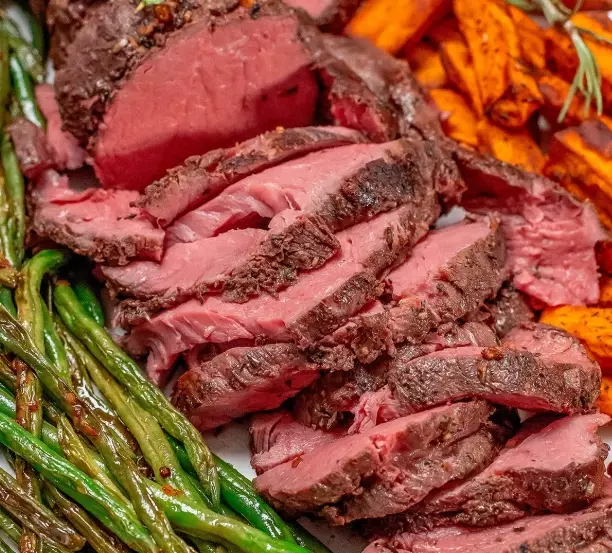
The Ultimate Sous Vide Steak
129°F to 137°F (53.9°C to 58.3°C) 1 to 4 hoursBest for: Ribeye, New York Strip, Filet Mignon, Sirloin (at least 1.5 inches thick).
The Process:
- Season Liberally, Early: An hour before cooking, pat your steak bone-dry with paper towels. Season aggressively with Kosher salt (like Diamond Crystal) and freshly ground black pepper. Don't be shy. This isn't the time for table salt.
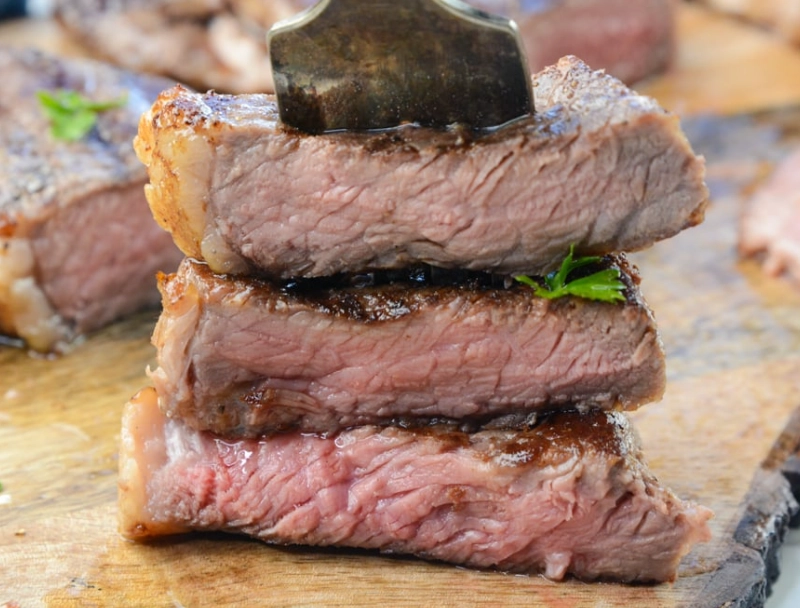
- Bag It Smart: Place the steak in a vacuum bag or a high-quality zip-top bag. Add a sprig of fresh thyme, a couple of crushed garlic cloves, and a knob of butter only if you want. (Controversial take: I skip butter in the bag for steak. It can dilute the beefy flavor. I add butter later during searing.)
- Bath Time: Set your precision cooker. For medium-rare, I live at 130°F (54.4°C). For a richer, more rendered fat on a ribeye, try 137°F (58.3°C)—it's a game-changer. Submerge the bag, ensuring the steak is fully underwater. Cook for 1 hour for a 1.5-inch steak, up to 4 hours for thicker cuts or if you're batch cooking.
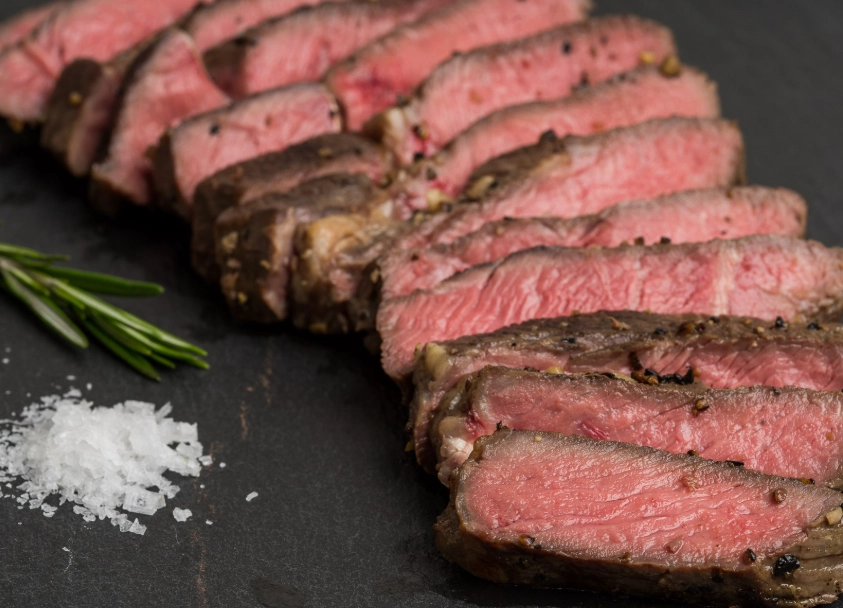
Here's the subtle mistake everyone makes: pulling the steak from the bath and immediately throwing it on a blazing pan. The surface is wet. A wet surface steams; it doesn't sear. You'll get a gray, disappointing crust.
Never-Ever-Dry Sous Vide Chicken Breast
Let's be real. The biggest fear with sous vide chicken breast is ending up with a dry, rubbery mess. This recipe eliminates that fear permanently.
Juicy Herb-Infused Chicken Breast
146°F (63.3°C) 1 to 2.5 hoursThe Magic Temperature: 146°F is the sweet spot. The chicken is fully cooked (safe, white throughout) but retains a juicy, almost poached texture that's impossible to achieve with traditional methods.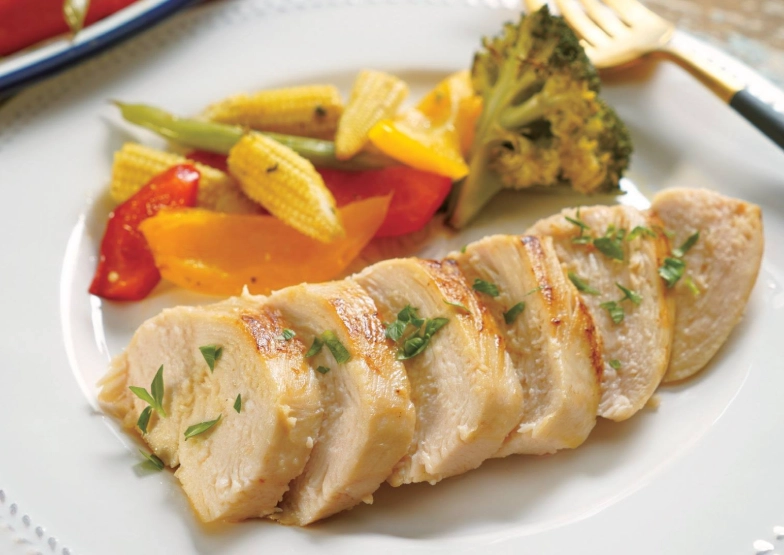
Steps:
- Season boneless, skinless chicken breasts with salt, pepper, and dried herbs like oregano or thyme.
- Bag them with a slice of lemon and a drizzle of olive oil.
- Cook at 146°F for 1.5 hours. You can go up to 2.5 hours if you need flexibility—it won't overcook.
- Remove, pat dry. For skin-on breasts, you can crisp the skin in a hot skillet. For skinless, a quick 30-second sear per side in avocado oil adds color and flavor, but it's optional. It's juicy enough to eat straight from the bag.
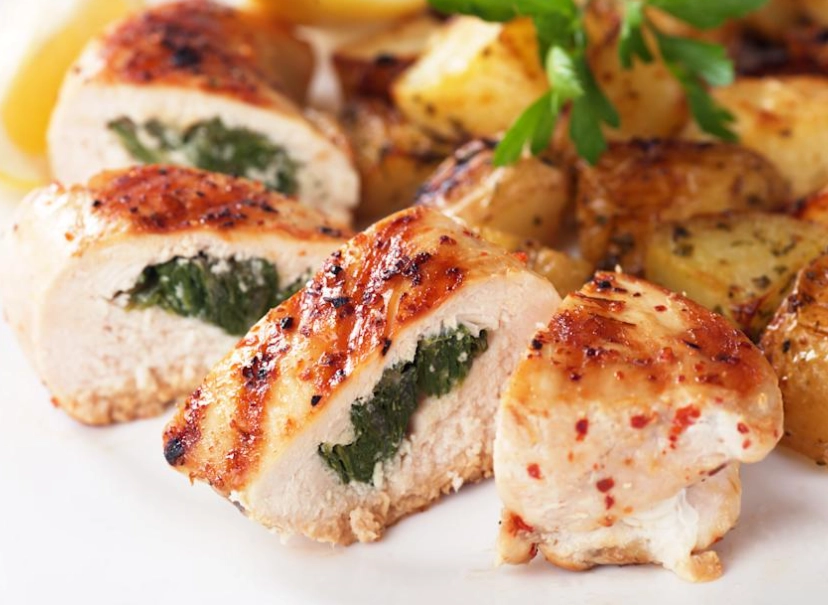
This chicken is a meal-prep superstar. Cook a batch, chill them in an ice bath after the sous vide, and store them in the fridge. Reheat gently in a warm water bath or slice cold over salads. The texture holds perfectly.
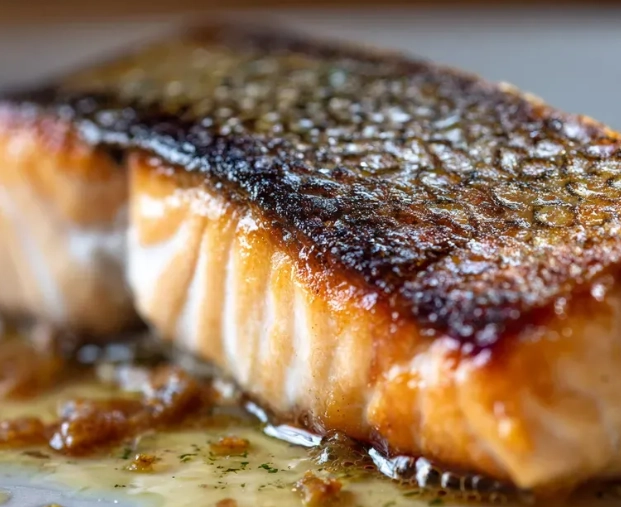
Buttery Sous Vide Salmon Fillet
Overcooked salmon is tragic. Undercooked salmon can be unappealing. Sous vide nails the precise texture where the fish is flaky yet moist, translucent yet cooked.
Restaurant-Style Salmon with Crispy Skin
122°F (50°C) 30 to 45 minutesI prefer skin-on, center-cut fillets for this. The skin gets fantastically crispy later.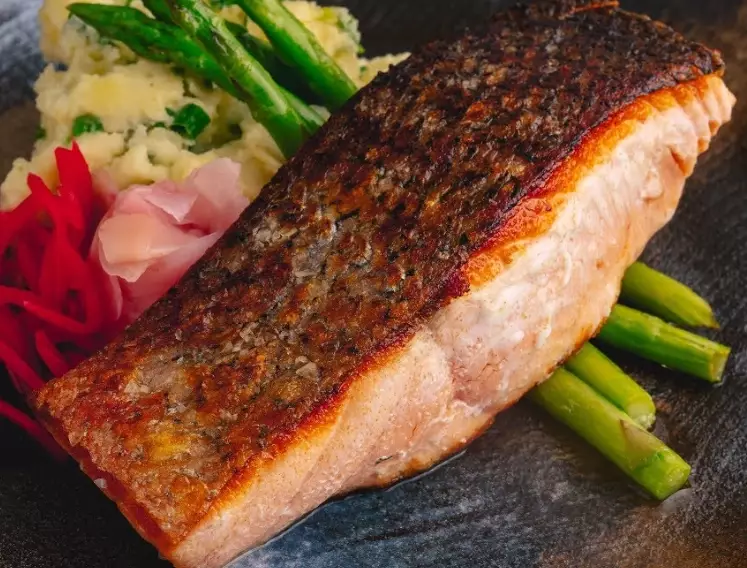
- Season the salmon with salt. You can add a tiny bit of maple syrup or honey in the bag for a glaze base.
- Cook at 122°F for 35 minutes. This yields a buttery, soft texture. For firmer flakes, go to 125°F (51.7°C).
- The Skin Trick: After cooking, remove the salmon from the bag. Use a spoon or your finger to gently separate the skin from the flesh—it should peel off cleanly in one piece. Pat the skin completely dry.
- Heat a thin layer of oil in a non-stick skillet over medium-high heat. Place the salmon skin-side down in the cold pan, then turn the heat to medium. Press it flat with a spatula. Cook for 2-3 minutes until golden and crisp. The flesh side only needs 15-30 seconds.
- Serve the crispy skin on top or on the side. It's chef's treat.
Creamy Sous Vide Eggs for Meal Prep
This might be the most underrated application. Forget peeling boiled eggs. You can achieve any yolk consistency you dream of.
For Soft-Boiled Style (runny yolk, set white): 147°F (63.9°C) for 1 hour. The white is tender, the yolk is custardy. Perfect for ramen or avocado toast.
For Hard-Boiled Style (fully set but not chalky): 167°F (75°C) for 1 hour. The yolk is set but remains a vibrant yellow, creamy, and never green or sulfurous.
Just place whole eggs (straight from the fridge) directly into the water bath. No bag needed. After cooking, transfer them to an ice bath to stop the cooking. They peel effortlessly because the consistent temperature prevents the white from bonding aggressively to the shell membrane.
The Non-Negotiable Step: The Perfect Sear
All these best sous vide recipes hinge on the finish. A weak sear ruins the work.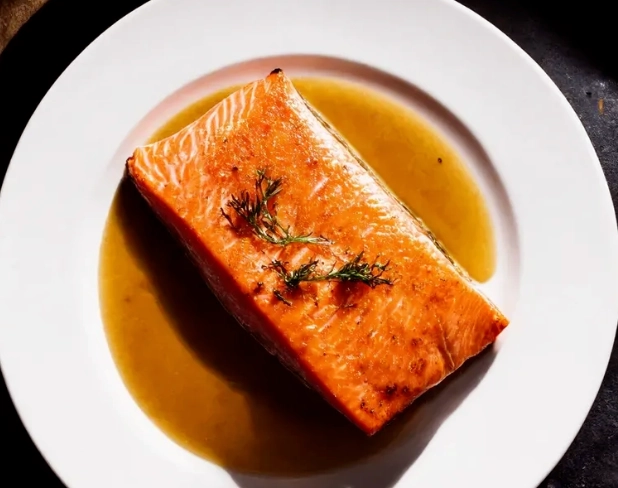
Your Searing Toolkit
- The Cast Iron Skillet: The classic. Get it smoking hot (literally, a wisp of smoke) over high heat. Add a high-smoke-point oil (avocado, grapeseed). Sear for 45-60 seconds per side, pressing gently for contact.
- The Grill: For steak, nothing beats charcoal. Get those coats white-hot. Pat your protein dry and sear directly over the flames for 60-90 seconds per side for intense flavor.
- The Searzall or Culinary Torch: Great for delicate items like fish or for touching up spots on irregularly shaped meats. It's direct and fast but can impart a slight gas flavor if you're not careful. Keep the flame moving.
My personal combo for steak: charcoal grill sear, followed by a minute of basting with butter, garlic, and thyme in a cast iron skillet I've placed right on the grill grates. Overkill? Maybe. Unbeatable? Absolutely.