Let's be real. That weekly dim sum craving hits hard. The plump shrimp dumplings (har gow), the juicy pork and shrimp siu mai, the delicate flavors... it feels like magic reserved for restaurant trolleys. I thought so too, until a failed attempt during lockdown forced me to figure it out. Turns out, making dim sum at home isn't just possible; it's deeply satisfying and, with the right approach, surprisingly straightforward. This isn't about replicating a 100-item menu. It's about mastering two or three iconic recipes so well that you'll question why you ever waited in line for a table.
What's Inside: Your Dim Sum Journey
Why Bother Making Dim Sum at Home?
Control and freshness. That's the short answer. In a restaurant, you don't know how long the filling has been sitting. At home, your shrimp are peeled and chopped minutes before steaming. You control the salt, the sugar, the quality of pork. The cost? Making two dozen har gow at home costs me about $12-$15 for premium ingredients. Ordering the same amount at a mid-range spot can easily be $25+. Plus, there's the quiet pride of serving something you crafted by hand. It changes the whole experience from consumption to creation.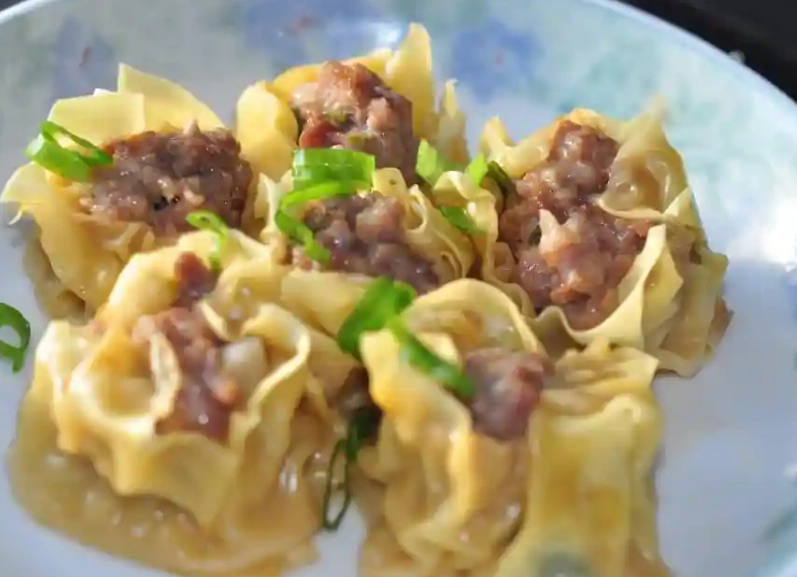
The Bare-Bones Toolkit You Actually Need
You don't need a bamboo steamer collection. Start with this:
- A Large Pot with a Lid: Any stockpot works.
- A Metal Steaming Rack or Trivet: To keep the plate above water.
- Heatproof Plates or Small Dishes: Ceramic or glass are perfect.
- Parchment Paper: Cut into small squares to prevent sticking. This is the game-changer that replaces specialized dim sum paper.
- A Sharp Knife and Cutting Board: For fine dicing.
- A Mixing Bowl and Spoon.
See? No exotic gear. The one specialty item I do recommend investing in if you get serious is wheat starch (for har gow dough). Find it at any well-stocked Asian grocery store or online. Don't substitute it with regular wheat flour—it won't work.
Common Pitfall: Trying to use a vegetable steamer insert with huge holes. Your small plates or dumplings will tip or fall through. A flat, solid rack is non-negotiable.
Har Gow Masterclass: The Crystal Skin Test
The hallmark of a great dim sum chef is translucent, chewy-yet-tender har gow skin that doesn't tear. Most home recipes overcomplicate this. Here's the method that finally worked for me after a dozen gummy or cracked failures.
Har Gow Filling (Do This First)
The filling needs time to chill and bind.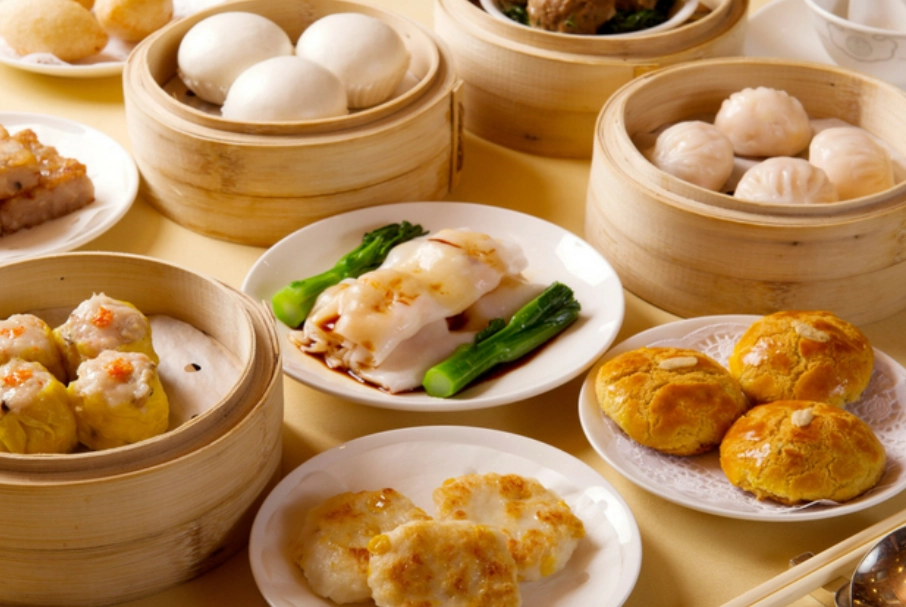
- 8 oz raw shrimp, peeled, deveined, roughly chopped
- 2 oz minced pork fatback (or 1 tbsp neutral oil for a leaner version)
- 1 tsp finely minced ginger
- 1/2 tsp salt
- 1/4 tsp white pepper
- 1/2 tsp sugar
- 1 tsp sesame oil
- 1 tsp cornstarch
Chop half the shrimp finely into a paste, the other half into small chunks for texture. Combine everything in a bowl, stir vigorously in one direction until sticky. Cover, refrigerate for at least 30 minutes.
The Infamous Crystal Dough
This is where people walk away. Don't.
- 1 cup (120g) wheat starch
- 1/4 cup (30g) tapioca starch (plus extra for dusting)
- 1/2 tsp salt
- 3/4 cup just-boiled water
- 1 tsp neutral oil (like vegetable or canola)
Mix the starches and salt in a heatproof bowl. Pour the boiling water in all at once and immediately stir with a chopstick or spoon. It will look like a lumpy mess. Let it sit for a minute to cool slightly, then add the oil. Now, knead with your hands (it will be hot but manageable) for 3-5 minutes until you get a smooth, pliable dough. Cover with a damp cloth. This dough dries out fast. Work with half at a time, keeping the rest covered.
Roll the dough into a log, cut into small pieces (about 12-14). Roll each piece into a ball, then flatten into a thin, round wrapper using a small rolling pin or the flat side of a cleaver. Aim for about 3 inches in diameter. Place a spoonful of filling in the center, fold and pleat the edges over to form a half-moon. The classic har gow has 7-9 pleats, but a simple crescent shape seals the deal for your first try. Place each dumpling on a small parchment square.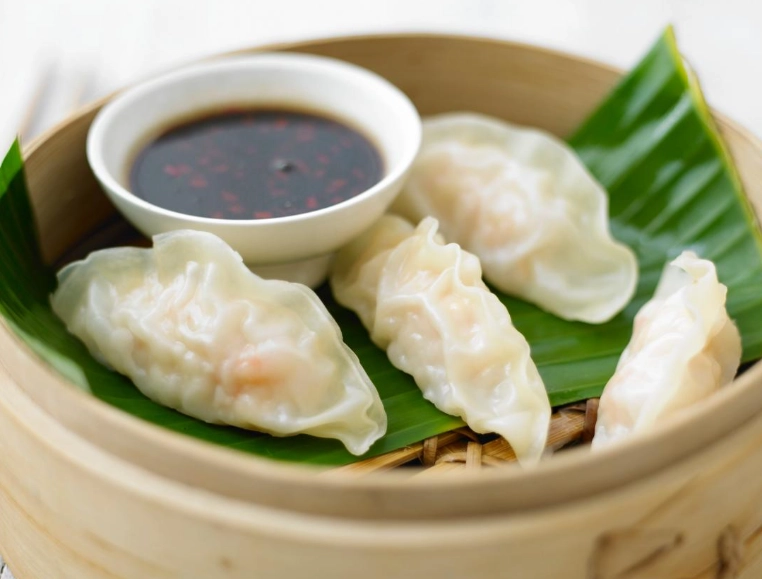
Pro-Tip from My Failures: If your dough cracks when you try to wrap, it's too dry. Knead in a few drops of hot water. If it's too sticky and tears, knead in a tiny bit more tapioca starch. The dough should feel like soft, warm modeling clay.
Siu Mai, Simplified: The Crowd-Pleaser
Siu mai is forgiving. It's an open-faced dumpling, so no intricate sealing required. This is the recipe I start friends on.
Classic Pork & Shrimp Siu Mai
- 6 oz ground pork (with some fat, 80/20 blend)
- 4 oz raw shrimp, peeled, deveined, minced
- 3 dried shiitake mushrooms, soaked in hot water for 30 mins, stems removed, finely diced
- 1/4 cup finely diced water chestnuts (for crunch)
- 1 tbsp soy sauce
- 1 tsp oyster sauce
- 1/2 tsp sugar
- 1/2 tsp sesame oil
- 1 tbsp cornstarch
- 1 tbsp Shaoxing wine (or dry sherry)
- White pepper to taste
- Round wonton wrappers (the yellow kind, about 30-40)
Combine all filling ingredients (except wrappers) in a bowl. Stir vigorously until the mixture becomes cohesive and slightly sticky. Let it rest in the fridge for 20 minutes.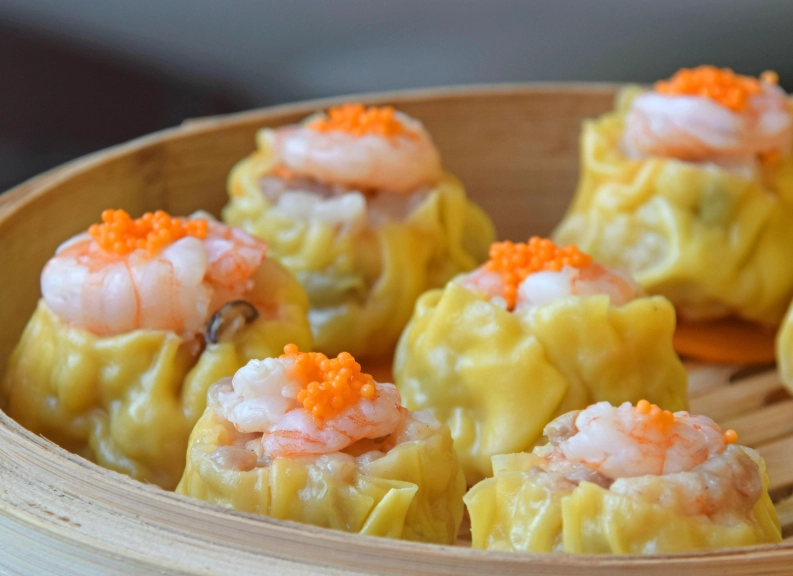
Take a wonton wrapper. Place a heaping teaspoon of filling in the center. Gather the edges up around the filling, leaving the top exposed. Squeeze gently at the "waist" to form the classic siu mai shape. Tap the bottom on the counter so it sits flat. Top with a single pea or a tiny piece of carrot for color. Place on parchment squares.
The Steaming Secrets Nobody Talks About
This is where your dim sum succeeds or becomes a soggy, sad mess.
| Do This... | Not That... | Why It Matters |
|---|---|---|
| Bring water to a rolling boil BEFORE placing food in the steamer. | Starting with cold water and the dumplings already inside. | Ensures immediate, aggressive steam for a quick "seal" and prevents sticking. |
| Space dumplings at least 1 inch apart on the plate. | Crowding them together. | Steam needs to circulate. Crowding leads to uneven cooking and torn skins from sticking. |
| Cover the pot with a tight-fitting lid. Wrap the lid in a kitchen towel if condensation drips a lot. | Using a loose lid or constantly peeking. | Maintains consistent high heat and steam pressure. Prevents water droplets from falling on your dumplings and making them wet. |
| Steam har gow for 6-8 minutes, siu mai for 8-10 minutes. | Guessing or steaming for 15+ minutes. | Over-steaming makes the skin tough and the filling dry. They cook fast. |
| Let them rest for 1 minute after steaming before serving. | Serving straight from the scalding steam. | Allows the starch in the skin to set slightly, making them easier to pick up. |
Beyond Soy Sauce: The Dipping Sauce Matrix
Soy sauce is fine, but boring. Mix these in a small dish:
- The All-Rounder: 3 parts light soy sauce, 1 part Chinkiang black vinegar, a few slivers of fresh ginger.
- The Sweet & Spicy Kick: 2 parts soy sauce, 1 part chili oil (like Lao Gan Ma), 1/2 part honey or sugar, a dash of sesame oil.
- The Bright & Zesty: 2 parts light soy sauce, 1 part fresh lime juice, finely chopped cilantro and bird's eye chili.
Let people customize. It's part of the fun.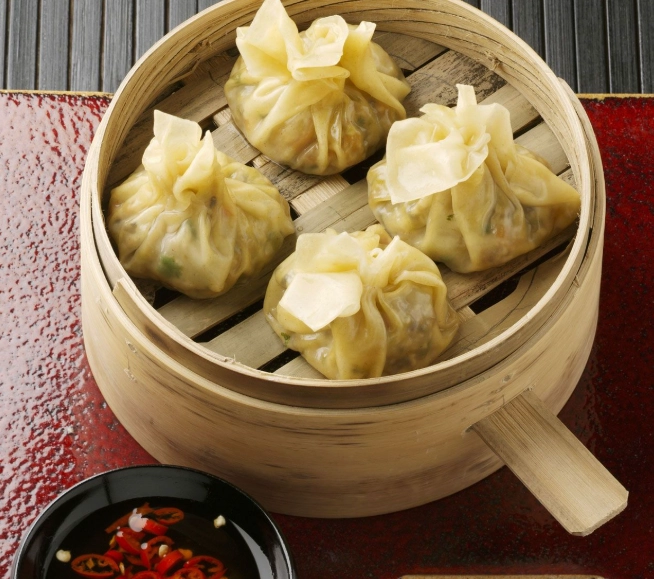
Your Dim Sum Roadblocks, Solved
The biggest barrier to homemade dim sum isn't skill—it's the belief that it's too difficult. Start with siu mai. Get comfortable with the steaming process. Then tackle the har gow dough. Once you hear that first satisfied murmur from someone eating a dumpling you made, there's no going back. Your kitchen has officially leveled up.