Let's be honest. When you hear "French cooking recipes," you probably picture a stressed chef in a towering white hat, yelling in French, surrounded by a hundred pans. That's television. The reality of cooking French food at home is different. It's about patience, a few good techniques, and understanding why certain steps matter. It's less about being fancy and more about building deep, satisfying flavors with what you have. I learned this the hard way, burning my first attempt at Coq au Vin because I rushed the browning. Today, we're cutting through the intimidation. We'll tackle three foundational recipes that teach you the core principles. You won't need a culinary degree, just your standard pots and a bit of time.
Your Quick Guide to French Cooking Success
- The Simple Philosophy Behind Great French Food
- How to Make the Perfect French Onion Soup (Caramelization is Key)
- Mastering Coq au Vin: Your Weeknight Dinner Hero
- Effortless French Chocolate Mousse: The 4-Ingredient Wonder
- Your French Recipe Roadmap: A Side-by-Side Look
- French Cooking FAQs: Your Questions, Answered
The Simple Philosophy Behind Great French Food
French cooking isn't a list of rules. It's a mindset. Think of it as building a house. You need a solid foundation. In food, that foundation is building layers of flavor.
Most home cooks' biggest mistake? They skip or rush the foundational steps. Browning meat isn't just for color; it creates the "fond"—those crispy, brown bits at the bottom of the pan—which becomes the base for your sauce. Sweating onions until they're translucent, not just warm, makes them sweet and soft, disappearing into the dish rather than crunching awkwardly. Reducing wine or broth isn't to make less liquid; it's to concentrate flavor and thicken the sauce naturally.
That's the philosophy. Now, let's apply it.
How to Make the Perfect French Onion Soup (Caramelization is Key)
This is where patience pays off literally. A great French onion soup is about one thing: deeply, slowly, properly caramelized onions. Not just golden, but a rich, mahogany brown. This can take 45 minutes to an hour. Don't try to speed it up with high heat; you'll burn the sugars and get a bitter taste.
Ingredients & The One Critical Choice
- Onions: 5 large yellow onions, thinly sliced. Yellow have the right sugar content.
- Fat: 4 tbsp unsalted butter. Some recipes use oil, but butter gives a richer, nuttier base flavor.
- Liquid: 6 cups of good beef broth. This is crucial. Use a quality store-bought broth or homemade. A weak broth makes a weak soup. A resource like Serious Eats often discusses the impact of broth quality on foundational soups.
- Seasoning: 1 tsp fresh thyme leaves, 1 bay leaf, salt, and black pepper.
- The Finish: 1 cup dry white wine (like Sauvignon Blanc), 1 tbsp all-purpose flour, a baguette, and 1-2 cups grated Gruyère cheese.
The Step-by-Step Process (Where Most Go Wrong)
1. The Long Cook: Melt butter in a heavy pot (like a Dutch oven) over medium-low heat. Add all the onions and a pinch of salt. The salt draws out moisture. Stir to coat. Now, let them cook. Stir every 10-15 minutes. They'll wilt, then slowly turn golden, then a deep brown. This is not the time for multitasking.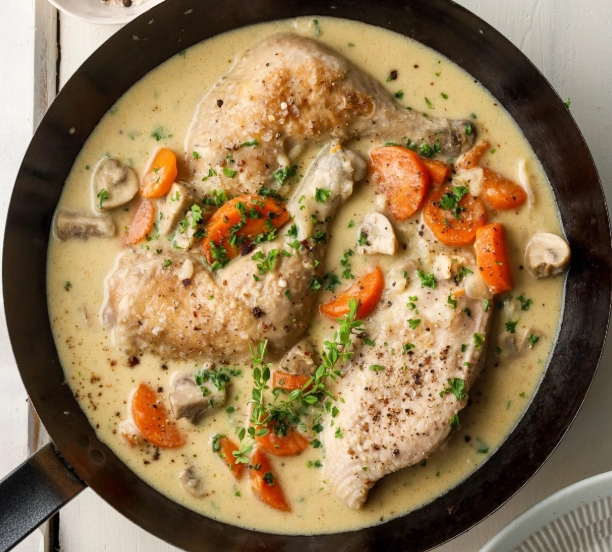
2. Deglaze and Thicken: Once the onions are a deep caramel color, sprinkle the flour over them. Cook for 2 minutes to get rid of the raw flour taste. Pour in the white wine, scraping up all the glorious brown bits (the fond!). Let it bubble until mostly evaporated.
3. Simmer: Add the beef broth, thyme, and bay leaf. Bring to a boil, then reduce to a simmer for 30 minutes. Season with salt and pepper. The flavor should be rich, sweet, and savory.
4. The Classic Finish: Ladle the soup into oven-safe bowls. Top with a slice of toasted baguette and a generous handful of Gruyère. Broil until the cheese is melted, bubbly, and spotted with brown. Serve immediately—the contrast of hot soup, crunchy bread, and stretchy cheese is everything.
See? No fancy skills. Just time and attention.
Mastering Coq au Vin: Your Weeknight Dinner Hero
Coq au Vin is chicken braised in red wine. It sounds luxurious, but it's essentially a one-pot wonder that makes you look like a kitchen genius. The wine doesn't make it boozy; it transforms into a complex, silky sauce.
My personal disaster story? I used a cheap, overly tannic wine once. The whole dish tasted harsh and astringent. Lesson learned.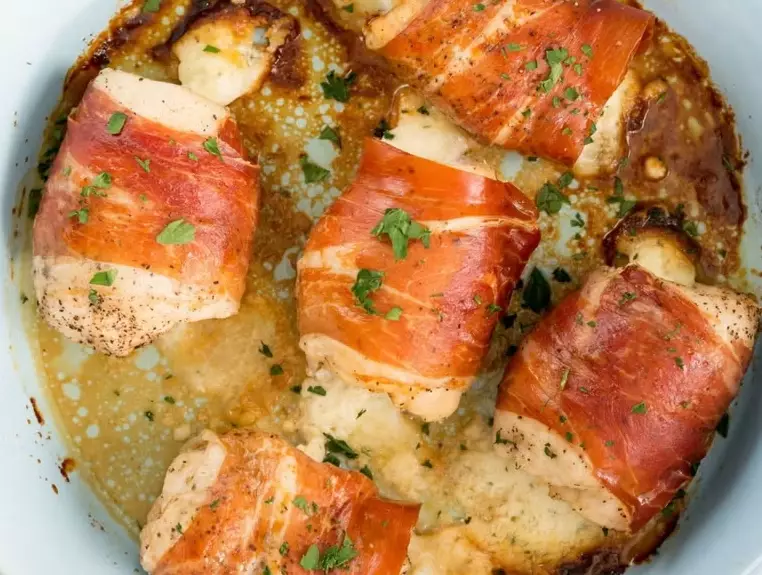
What You'll Need
- Protein: 3-4 lbs chicken thighs and drumsticks (bone-in, skin-on). The bones and skin add immense flavor.
- The Aromatics: 6 oz bacon or pancetta, diced; 1 large onion, chopped; 2 carrots, sliced; 8 oz mushrooms (cremini), halved; 4 garlic cloves, minced.
- The Braising Liquid: 1 (750ml) bottle of dry red wine (Pinot Noir or Côtes du Rhône are perfect—nothing you wouldn't drink), 2 cups chicken broth.
- Herbs: 2 tbsp tomato paste, a few sprigs of fresh thyme, 2 bay leaves.
- The Thickener: 2 tbsp butter + 2 tbsp flour mashed together into a paste (called "beurre manié").
Cooking It Right: The Flavor Layers
Layer 1: Render the Bacon. Cook the diced bacon in your Dutch oven until crisp. Remove it, leaving the fat. This bacon fat is your first layer of flavor.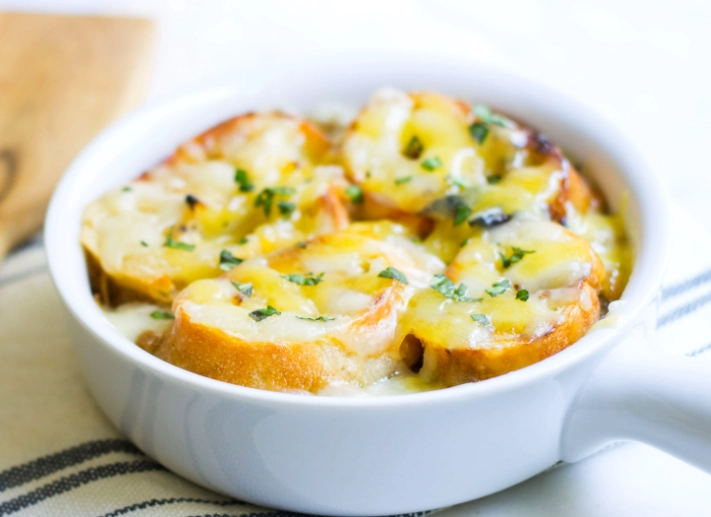
Layer 2: Brown the Chicken. Pat the chicken dry (wet skin won't brown!). Season it. In batches, brown it well in the bacon fat. Don't move it around. Let it get a proper crust. Remove and set aside.
Layer 3: Cook the Veggies. In the same fat, cook the onions and carrots until softened. Add the mushrooms and cook until they release their water and brown. Add garlic and tomato paste, cook for 1 minute.
Layer 4: The Braise. Pour in the entire bottle of wine. Scrape the bottom. Add the broth, thyme, bay leaves, the reserved bacon, and the chicken (with any juices). Liquid should almost cover the chicken. Bring to a simmer, then cover and cook on low heat for about 1 hour 15 minutes, until the chicken is fall-off-the-bone tender.
Layer 5: The Final Sauce. Remove the chicken. Skim excess fat from the surface. Bring the sauce to a simmer. Whisk in small pieces of the butter-flour paste until the sauce thickens to a gravy-like consistency. Taste and season. Return the chicken to heat through.
Serve over mashed potatoes or egg noodles. It's even better the next day.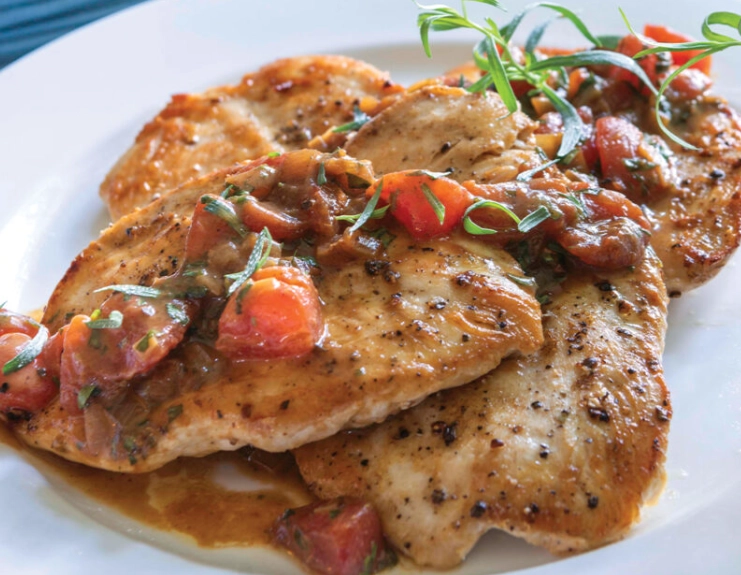
Effortless French Chocolate Mousse: The 4-Ingredient Wonder
This is the ultimate proof that French desserts can be simple. No baking, no complicated techniques if you know one trick. The classic recipe uses raw eggs, which makes some people nervous. We'll use a method that gently cooks the eggs for peace of mind.
The Minimalist Ingredient List
- 7 oz (200g) high-quality dark chocolate (around 60-70% cocoa), finely chopped.
- 4 tbsp (60g) unsalted butter, cut into pieces.
- 4 large eggs, separated.
- A pinch of salt and 2 tbsp sugar (optional, depends on chocolate sweetness).
The Foolproof Method
1. Melt Chocolate Gently: Place the chopped chocolate and butter in a heatproof bowl. Set it over a pot of barely simmering water (double boiler), making sure the bowl doesn't touch the water. Stir until melted and smooth. Remove from heat and let cool slightly.
2. Prepare the Egg Yolks (The Safe Way): Whisk the egg yolks into the warm (not hot) chocolate mixture. The residual heat gently cooks them. If you're worried, you can temper them: whisk a little warm chocolate into the yolks first, then whisk it all back into the main bowl.
3. Whip the Egg Whites: In a scrupulously clean, dry bowl, whip the egg whites with a pinch of salt until soft peaks form. If using sugar, add it now and whip until stiff, glossy peaks form.
4. Fold, Don't Stir: This is the key. Add about one-third of the whipped whites to the chocolate mixture and stir vigorously to lighten it. Then, gently fold in the remaining whites using a spatula, cutting down and lifting up, until no white streaks remain. Be gentle to keep the air in.
5. Chill: Divide into glasses or a serving bowl. Chill for at least 4 hours, preferably overnight. The texture becomes magically light and creamy.
That's it. Rich, intense, and impressively light.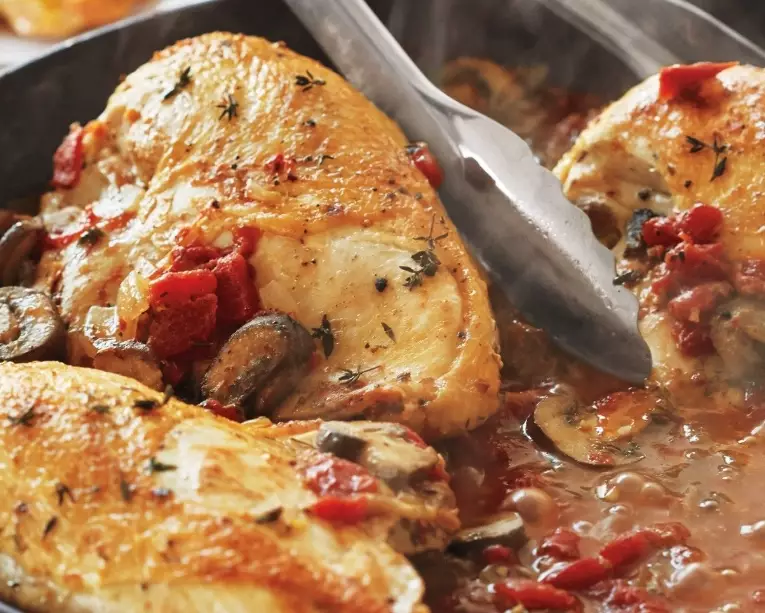
Your French Recipe Roadmap: A Side-by-Side Look
| Recipe | Core Technique Learned | Active Time | Total Time | Best For |
|---|---|---|---|---|
| French Onion Soup | Low & Slow Caramelization | ~30 mins | ~1.5 hours | A cozy weekend lunch or starter |
| Coq au Vin | Layered Braising & Sauce Making | ~45 mins | ~2 hours | An impressive yet hands-off dinner party main |
| Chocolate Mousse | Folding & Temperature Control | ~20 mins | 4+ hours (chill) | A make-ahead, elegant dessert |