Let's talk about the Bakewell tart. Not the factory-made, overly sweet, soggy-bottomed versions you sometimes find. I mean the real deal: a buttery, crisp pastry shell, a thin layer of tangy raspberry jam, and a rich, moist almond frangipane that's fragrant and perfectly baked. It's a British classic for a reason, and making it at home isn't just possible—it's deeply satisfying. Forget the mystery; this guide will walk you through every step, point out the common pitfalls (I've fallen into most of them), and deliver a foolproof recipe that tastes like it came from a proper bakery in the Peak District.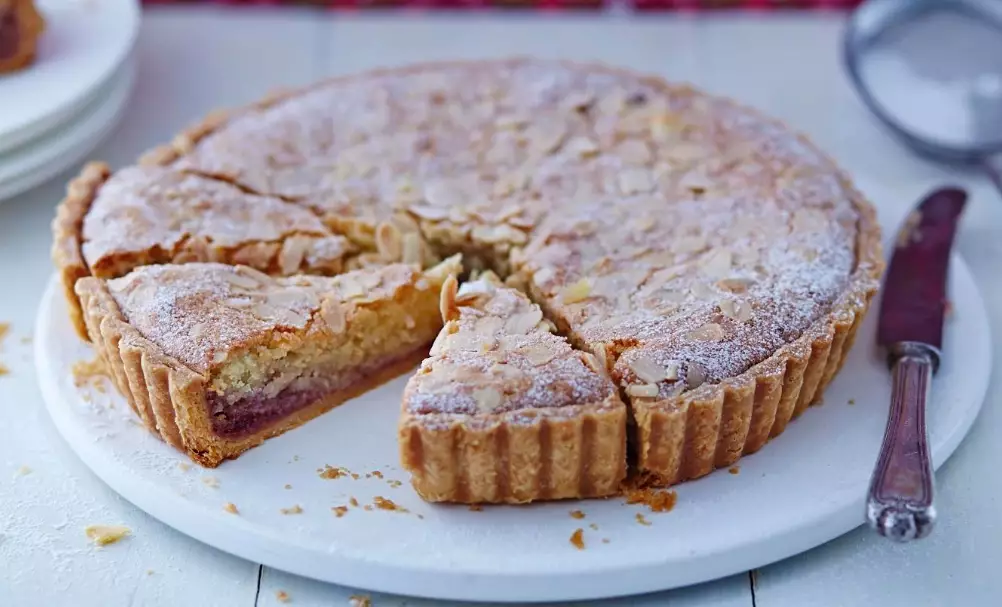
What You'll Find in This Guide
More Than Just a Recipe: History & The Non-Negotiables
First, a quick distinction. The "Bakewell Pudding" is the ancient, original egg-and-almond-paste-filled creation from the town of Bakewell. The Bakewell tart, with its frangipane layer, is a later, Victorian-era adaptation. We're making the tart. It's more common, and frankly, more reliable for the home baker.
What defines a great one? Three non-negotiable elements:
- A crisp, short pastry base that holds its structure. Soggy bottoms are the enemy.
- A sharp, fruity jam layer, traditionally raspberry. It must cut through the sweetness of the frangipane.
- A light, moist, and flavourful frangipane made with ground almonds, not almond extract as the primary flavour. It should be tender, not dense or eggy.
Get these right, and you've won.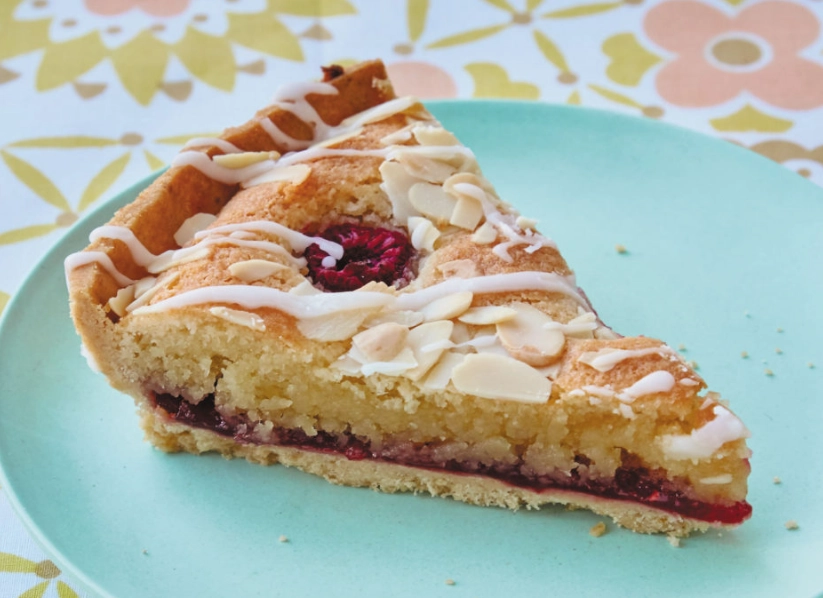
Your Bakewell Tart Shopping List: Ingredients Explained
Quality matters here. This isn't a throw-everything-in-a-bowl cake.
| Ingredient | Quantity | Why It Matters & Pro Notes |
|---|---|---|
| For the Sweet Shortcrust Pastry: | ||
| Plain (All-Purpose) Flour | 175g | Use a good brand for consistent protein content. |
| Cold Unsalted Butter, cubed | 85g | Unsalted lets you control salt. Must be cold. |
| Caster (Superfine) Sugar | 25g | Fine sugar dissolves easily, sweetening the shell. |
| Egg Yolk | 1 large | Binds the pastry and adds richness. |
| Ice-Cold Water | 1-2 tbsp | Just enough to bring it together. Too much = tough pastry. |
| For the Filling: | ||
| Raspberry Jam | 4-5 heaped tbsp | The biggest trap: most supermarket jams are too sweet and set too firm. Seek out a high-fruit-content, slightly tart jam. Bonne Maman Raspberry Conserve is a reliable global find, or a local artisan brand. |
| Unsalted Butter, softened | 150g | Room temperature for easy creaming. |
| Caster (Superfine) Sugar | 150g | Same as above for a smooth frangipane. |
| Ground Almonds (Almond Meal) | 150g | This is the star. Don't use almond flour that's super-fine and oily. A medium-ground almond meal gives the perfect texture. Blanched is traditional, but unblenched adds a rustic look. |
| Eggs | 3 large | Room temperature. They incorporate better into the butter mix. |
| Almond Extract | ½ tsp (optional) | A tiny boost, but the ground almonds should lead. Avoid artificial extract. |
| Plain Flour | 25g | A little helps stabilize the frangipane. |
| Flaked Almonds (for topping) | A handful | For crunch and looks. Toast them lightly first for maximum flavour. |
The Step-by-Step Process: From Pastry to Perfection
1. Making & Baking the Pastry Case (The Foundation)
This is where many go wrong, rushing the chilling. Don't.
- Rub the cold butter into the flour and sugar until it resembles breadcrumbs. Use your fingertips, not your palms (heat is the enemy).
- Mix in the egg yolk and just enough cold water to bring it into a dough. Knead briefly, just until smooth.
- Wrap and chill for at least 30 minutes. This relaxes the gluten and firms the butter, preventing shrinkage.
- Roll out on a floured surface to about 3mm thick. Line a 23cm loose-bottomed tart tin. Don't stretch the dough; let it fall into the corners. Prick the base all over with a fork.
- Chill again for 15 minutes. Yes, again. Then line with baking parchment and baking beans (or rice).
- Bake blind at 200°C (390°F) for 15 minutes. Remove beans and paper, bake for another 5-7 minutes until the base looks dry and sandy. Let it cool slightly before filling. This partial pre-bake ("blind baking") is your insurance against a soggy bottom.
 2. Assembling and Baking the Tart
Lower your oven to 180°C (350°F).
- Spread the jam evenly over the base of the cooled pastry shell. Don't go right to the edge—leave a 5mm border to prevent jam bubbling over and sticking to the tin.
- For the frangipane: Beat the softened butter and sugar until very pale and fluffy. This incorporates air, making the filling lighter. Beat in the eggs one at a time, adding a spoonful of the ground almonds if it looks like it might curdle.
- Fold in the remaining ground almonds, flour, and almond extract (if using) until just combined. Don't overmix.
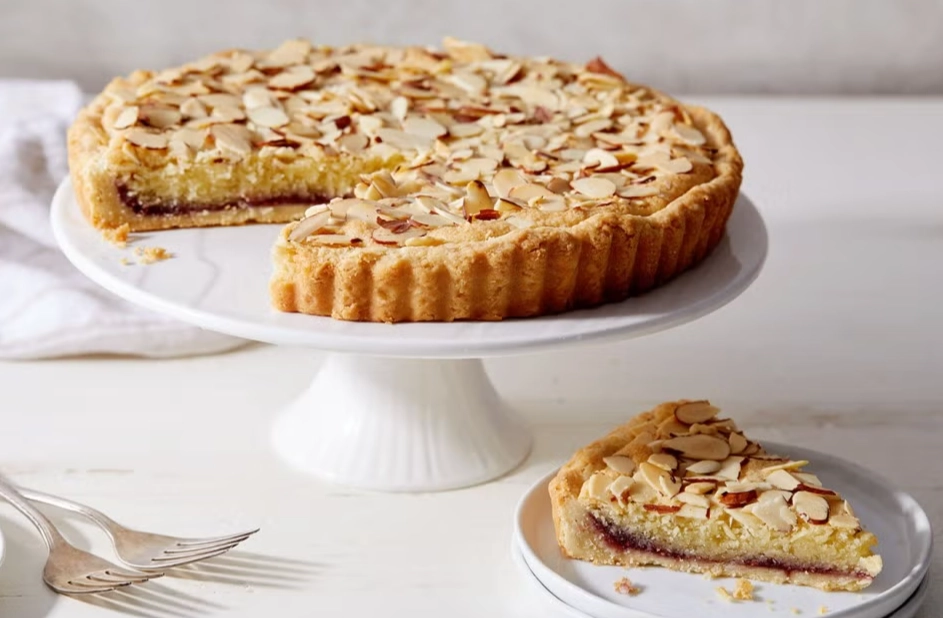
- Spoon this mixture over the jam and spread gently to cover it completely. Scatter over the toasted flaked almonds.
- Bake for 25-30 minutes. The top should be a deep golden brown, firm to a gentle touch, and a skewer inserted into the centre should come out clean.
Let the tart cool completely in the tin on a wire rack. I know it's hard, but a warm Bakewell tart is fragile and won't slice cleanly. The flavours also settle as it cools.
The Pro Baker's Corner: Tips & Troubleshooting
Here's where a decade of baking them pays off. These are the subtle things nobody tells you.
The Frangipane Texture Secret: The ratio of ground almonds to butter/sugar/eggs is key. Too many eggs, and it becomes custardy. Not enough almonds, and it's just sweet butter sponge. Our recipe hits the balance. If your frangipane seems too runny before baking, your butter might have been too soft or the eggs too large. A tablespoon more ground almonds can rescue it.
Why is my pastry shrinking? You didn't chill it enough, or you stretched it while lining the tin. Chill thoroughly and let the dough fall into place.
The jam bubbled up and mixed with the frangipane. You either spread the jam too close to the edge, or you didn't leave enough of a lip on your pastry shell when blind baking. That lip acts as a dam.
Can I use other jams? Absolutely. Black cherry is fantastic. Apricot or blackberry work well too. Just ensure they have a good fruit-to-sugar balance.
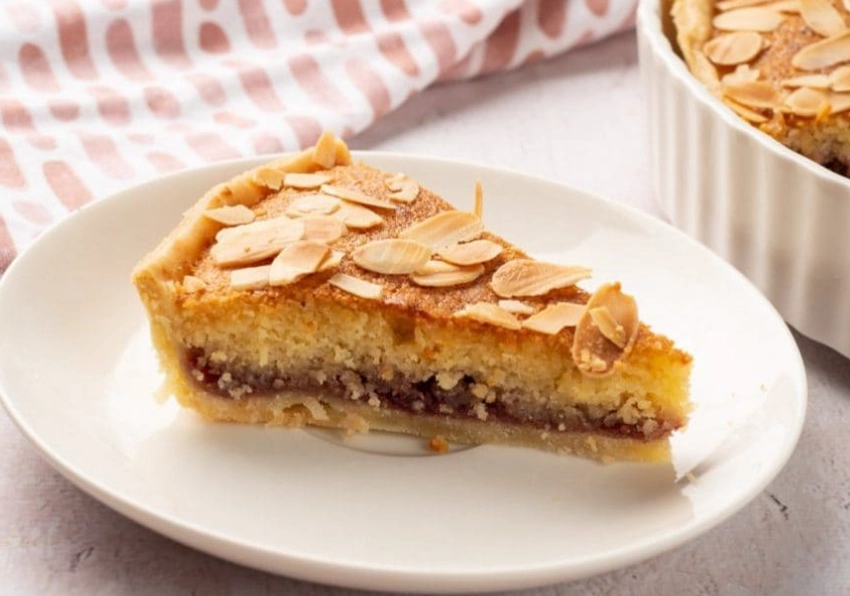
The Ultimate Test: A perfect slice should hold its shape, show distinct layers, and have a frangipane that's moist but not wet, with a fine, tender crumb. The pastry should shatter, not bend.
Your Bakewell Tart Questions, Answered
Why did my Bakewell tart turn out with a wet, soggy bottom?
This is the number one complaint. Nine times out of ten, it's insufficient blind baking. Your pastry shell must be fully set and dry-looking on the base before you add the jam. Also, ensure your jam isn't overly watery. If you're still having issues, try brushing the hot, just-blind-baked pastry base with a thin layer of beaten egg white and returning it to the oven for 2 minutes. This creates a waterproof seal.
Can I make a Bakewell tart recipe ahead of time, and how do I store it?
You can make the pastry dough up to 2 days ahead and keep it chilled, or freeze it for a month. The fully baked and cooled tart keeps beautifully at room temperature in an airtight container for 2-3 days. The flavours actually improve. Don't refrigerate it unless your kitchen is very hot, as the cold can dry out the frangipane and make the pastry chewy.
 My frangipane cracked on top. What did I do wrong?
A few small cracks are normal and rustic. Large, deep cracks usually mean the oven was too hot, causing the outside to set before the inside has finished expanding. Next time, try reducing the temperature by 10°C (20°F) and baking for a few minutes longer. Over-beating the frangipane mixture after adding the flour can also develop too much gluten, leading to cracking.
Is there a way to make a gluten-free Bakewell tart?
Easily. For the pastry, replace the plain flour with a good 1:1 gluten-free flour blend (one with xanthan gum included works best). The frangipane is naturally gluten-free as long as you use gluten-free ground almonds and replace the 25g of plain flour with either more ground almonds or a gluten-free flour blend. The texture will be slightly more crumbly but delicious.
Can I freeze a baked Bakewell tart?
Yes, but with strategy. Freeze the fully cooled, unsliced tart whole, wrapped tightly in cling film and foil. Thaw overnight at room temperature. The pastry will lose a tiny bit of its ultimate crispness, but it's still excellent. I don't recommend freezing slices, as they dry out faster.
There you have it. More than just a list of ingredients and steps, but the *why* behind them. Making a Bakewell tart is a process, a bit of a project for a weekend afternoon. But when you pull that golden, almond-scented masterpiece from the oven and later serve a slice with a cup of tea (or a dollop of clotted cream, no judgment), you'll understand why this dessert has endured. It's homely, elegant, and utterly delicious. Now, go preheat your oven.