Sole fish. It sounds fancy, doesn't it? You see it on restaurant menus priced way up there. But here's the truth: cooking sole at home is one of the easiest, fastest paths to a stunning dinner. The problem? It's a delicate fish. A minute too long in the pan, and it turns from tender to rubber. Use the wrong heat, and it sticks and shreds. I've ruined my share of fillets figuring this out.
This isn't just another list of sole fish recipes. This is the guide I wish I had when I started—packed with the nitty-gritty details on buying the right fish, handling it with confidence, and executing three classic preparations that work every single time. Let's get you cooking sole like a pro, without the restaurant bill.
Jump Straight to What You Need
What Makes Sole Special (And Where Most Recipes Go Wrong)
First, a bit of clarity. "Sole" often refers to flatfish in the Soleidae family, like Dover sole (the gold standard, often from Europe) or petrale sole (common on the West Coast of the US). What you'll find in most North American supermarkets is often actually flounder—another delicious flatfish. For our purposes, any thin, delicate white fillet labeled "sole" or "flounder" will work perfectly with these methods.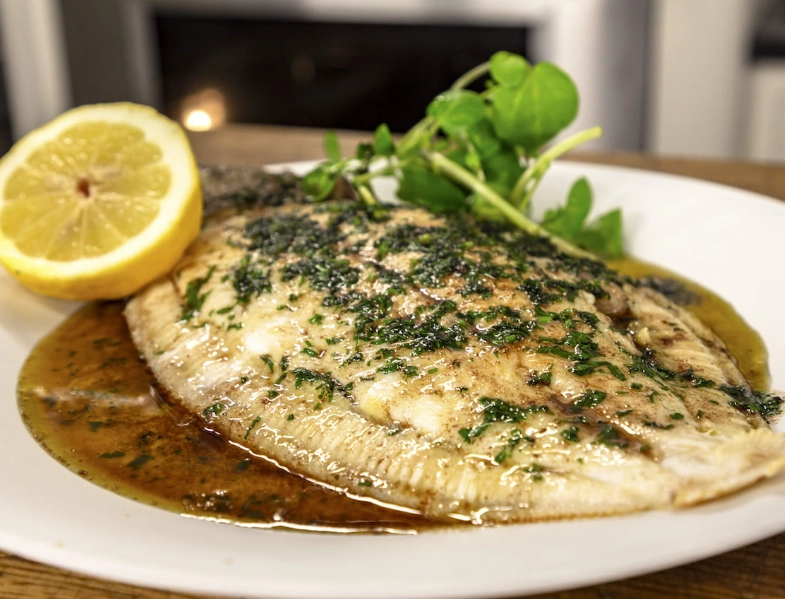
The key characteristic? Extreme delicacy. The flesh is mild, slightly sweet, and has a fine, tender flake. This is its glory and its curse. The single biggest mistake I see in sole fish recipes is treating it like salmon or cod. You cannot walk away from it. You cannot "check it in 10 minutes." High heat and brief cooking are non-negotiable.
How to Choose and Prep Your Sole Fish
Getting this part right sets you up for success. It takes two minutes but makes all the difference.
At the Fish Counter: What to Look For
- Freshness is everything: The fillets should look translucent and glossy, not dull or dry. There should be zero fishy smell—just a clean, oceanic scent.
- Touch test: Gently press the flesh. It should spring back immediately. If your finger leaves an indent, it's past its prime.
- Thickness matters: For pan-frying, aim for fillets of even, medium thickness (about 1/2 inch). Very thin fillets are better for quick rolls or parchment baking.
- Sustainability check: Look for labels from the Marine Stewardship Council (MSC) or consult the Monterey Bay Aquarium Seafood Watch guide. Pacific petrale sole is often a "Good Alternative."
The 5-Minute Prep Ritual (Don't Skip This)
Take your fillets out of the fridge 15 minutes before cooking. Pat them absolutely bone-dry with paper towels. This is the secret to golden, non-stick skin. Moisture is the enemy of browning. Season both sides generously with salt and pepper just before they hit the heat—salting too early can draw out moisture.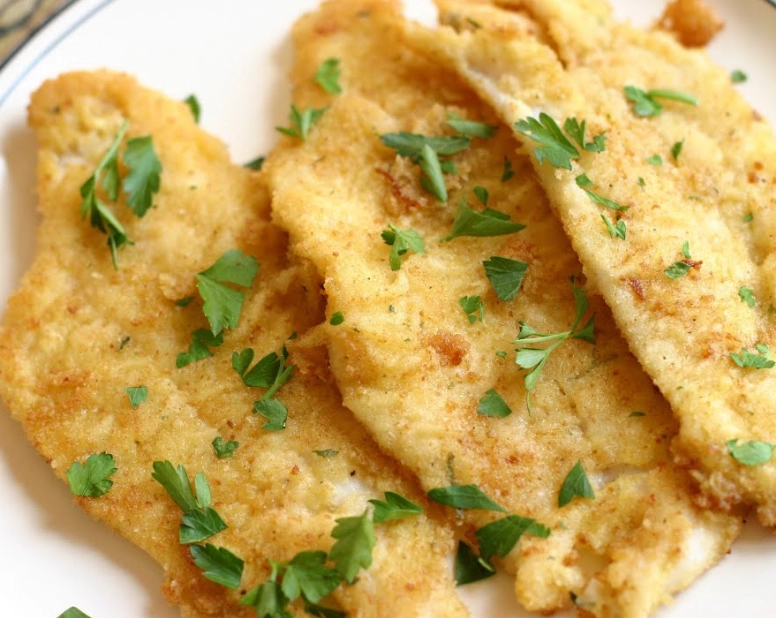
Recipe 1: The Foolproof Lemon Butter Pan-Fried Sole
This is the classic, the bistro staple, the 10-minute wonder. The goal: a crisp, golden exterior giving way to moist, flaky flesh, finished with a simple pan sauce.
What You'll Need:
- 4 sole fillets (about 6 oz each), patted dry
- Salt and freshly ground black pepper
- 1/4 cup all-purpose flour (or gluten-free alternative)
- 3 tbsp unsalted butter, divided
- 2 tbsp olive oil or high-heat oil (like avocado)
- 2 tbsp fresh lemon juice
- 2 tbsp chopped fresh parsley or chives
- 1 small shallot, minced (optional, for the sauce)
How to Do It:
- Dredge lightly: Season fillets. Place flour on a plate. Lightly dredge each fillet, shaking off all excess flour. A whisper-thin coat is all you need.
- Heat the pan: Place a large non-stick or well-seasoned skillet over medium-high heat. Add 1 tbsp butter and the oil. Wait until the butter foam subsides and the oil shimmers.
- Cook the fish: Gently lay fillets in the pan, not crowding them (cook in batches if needed). Cook for 2-3 minutes until the bottom is golden brown and the edges start to look opaque.
- The flip: This is the moment of truth. Use a thin, flexible spatula. Slide it completely under the fillet and confidently flip. Cook for another 1-2 minutes until just cooked through. The fish should flake easily with a fork. Transfer to a warm plate.
- Make the sauce: Reduce heat to medium. Add the shallot (if using) and cook for 30 seconds. Add lemon juice, scraping up any browned bits. Swirl in the remaining 2 tbsp of butter until melted and slightly emulsified. Stir in herbs. Spoon immediately over the fish.
Serving: Done. Serve with steamed asparagus, roasted baby potatoes, or a simple green salad. The whole process shouldn't take more than 15 minutes.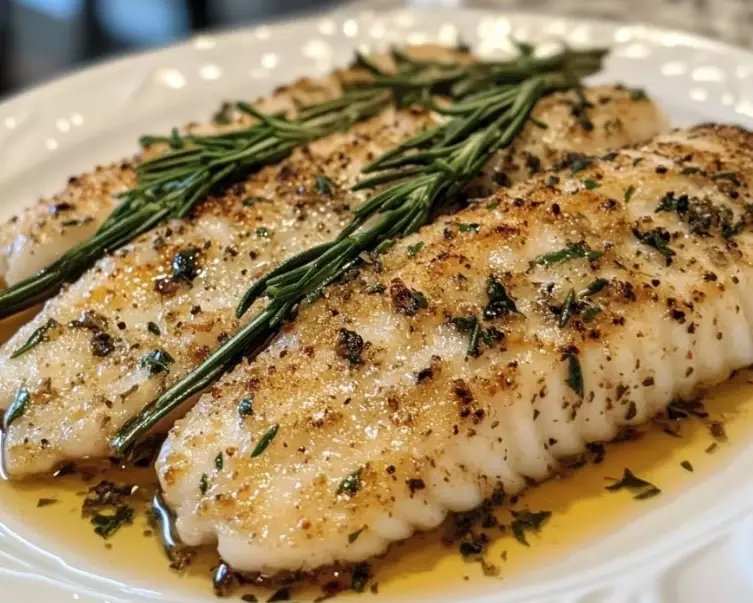
Recipe 2: Simple Herb & Parmesan Crumb Baked Sole
No flipping, no spatter, minimal fuss. Baking is the most forgiving method for nervous cooks. This version adds a flavorful, crunchy topping that keeps the fish moist.
What You'll Need:
- 4 sole fillets
- Salt and pepper
- 1/4 cup mayonnaise or Greek yogurt
- 1 tbsp Dijon mustard
- 1/2 cup panko breadcrumbs
- 1/4 cup grated Parmesan cheese
- 2 tbsp chopped fresh herbs (parsley, dill, thyme)
- 1 tbsp olive oil
- Lemon wedges for serving
How to Do It:
- Prep oven and dish: Preheat oven to 400°F (200°C). Lightly oil a baking dish or line with parchment.
- Season fish: Place fillets in the dish, season. In a small bowl, mix mayo and mustard. Spread a thin layer over the top of each fillet.
- Make topping: In another bowl, combine panko, Parmesan, herbs, and olive oil. Mix until crumbs are slightly moistened.
- Top and bake: Pat the crumb mixture evenly over the mayo-coated fillets. Bake for 10-12 minutes. Then, switch the oven to broil (grill) for 1-2 minutes to crisp the topping—watch it closely!
- Check for doneness: The fish should be opaque and flake easily, and the topping golden brown.
The mayo mixture acts as both a flavor layer and a glue for the crumbs, ensuring they stay put and the fish stays juicy.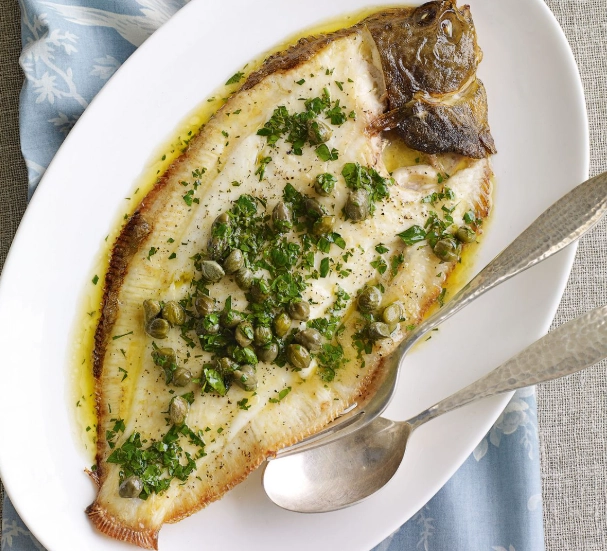
Recipe 3: Healthy Parchment-Baked Sole with Spring Vegetables
Also known as "en papillote," this method steams the fish in its own juices with aromatics. It's impossibly moist, incredibly healthy, and the presentation is a showstopper. No clean-up either.
What You'll Need (per packet):
- 1 sole fillet
- Salt and pepper
- 1/4 cup thinly sliced vegetables (asparagus, zucchini, cherry tomatoes, bell peppers)
- 2 thin slices of lemon
- 1 tsp fresh herbs (dill, tarragon, thyme)
- 1 tbsp white wine or fish stock (optional)
- 1 tsp olive oil or butter
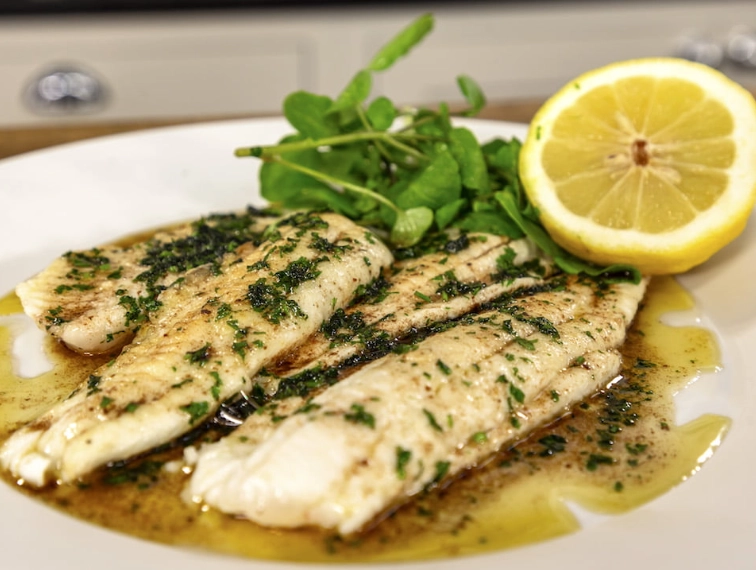
How to Do It:
- Prep parchment: Cut a large heart-shaped piece of parchment paper (about 15x24 inches). Fold in half to crease, then open.
- Build the packet: On one side of the crease, layer your veggies. Place the seasoned sole fillet on top. Add lemon slices, herbs, and a drizzle of wine/stock and oil.
- Seal it: Fold the other half of the parchment over. Starting at the top of the heart, make small, tight overlapping folds all the way around the edge to create a sealed half-moon packet. Leave a little air inside.
- Bake: Place packets on a baking sheet. Bake at 375°F (190°C) for 12-15 minutes.
- Serve: Carefully transfer each packet to a plate. Let each person cut open their own at the table to release the aromatic steam.
The beauty here is customization. Use what's in season. The fish will be perfectly steamed every time.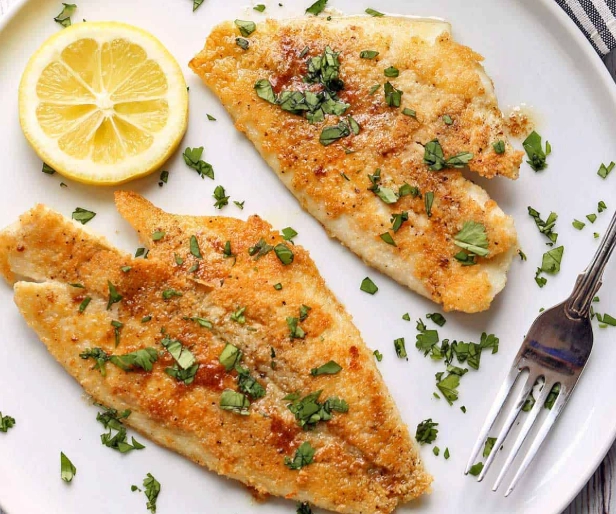
A Quick Guide to Sole Varieties
| Type | Flavor & Texture | Best Cooking Method | Sustainability Note |
|---|---|---|---|
| Dover Sole | Firm, delicate, sweet. The premium choice. | Pan-fry, Meunière | Check source; some stocks are overfished. |
| Petrale Sole | Mild, tender, fine flake. Common on US West Coast. | Pan-fry, Bake, Sauté | Often a "Good Alternative" (Seafood Watch). |
| Lemon Sole | Very mild, soft texture. | Bake, Parchment, Light sauces | Varies by region; ask your fishmonger. |
| Flounder (often sold as sole) | Mild, tender, similar to sole. | All methods listed above. | Many US stocks are well-managed. |
Your Sole Fish Questions, Answered
So there you have it. Sole isn't just for white-tablecloth dinners. It's a quick, healthy, and versatile fish that deserves a regular spot in your weeknight rotation. Start with the pan-fry. Master the flip. Then experiment. Once you get the feel for its delicate nature, you'll realize how simple it is to make something truly special, any night of the week.