Quick Navigation
- What Exactly is Creme Patissiere?
- The Essential Tools You'll Need
- The Classic Creme Patissiere Recipe: A Step-by-Step Walkthrough
- Why Did My Pastry Cream Go Wrong? Troubleshooting Guide
- Delicious Variations on the Classic Creme Patissiere
- How to Use Your Perfect Pastry Cream
- Storing and Food Safety
- Your Creme Patissiere Recipe Questions, Answered
- Taking It to the Next Level: Pro Tips & Resources
Let's be honest. The first time I tried to make creme patissiere, it was a disaster. I ended up with something between sweet scrambled eggs and a lumpy soup. Not the smooth, luxurious pastry cream I was dreaming of for my fruit tarts. It was frustrating, and I almost gave up. But then I got stubborn. I asked a baker friend for help, read way too many old French cookbooks, and practiced. A lot.
Now, I want to save you from that same frustration. This guide isn't just another recipe. It's the culmination of all those mistakes and lessons. We're going to break down the classic creme patissiere recipe into simple, foolproof steps. We'll talk about the science in plain English (why does the cornstarch matter so much?), tackle every possible problem you might face, and explore delicious variations. By the end, you'll be whipping up perfect pastry cream with confidence.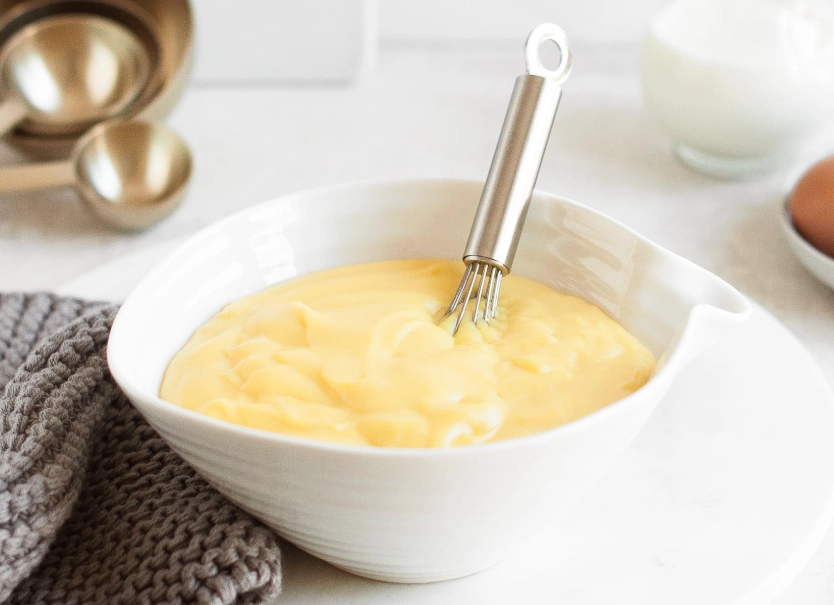
What Exactly is Creme Patissiere?
Before we dive into the pastry cream recipe, let's clarify what we're making. Creme patissiere, often called pastry cream in English, is a thick, cooked custard. It starts with a base similar to pudding—milk, eggs, sugar, and a starch (usually cornstarch or flour) for thickening. The magic happens when you cook it just right, activating the starch and gently cooking the eggs without curdling them. The result is a silky, rich cream that's stable enough to pipe and hold its own in pastries.
It's different from creme anglaise (a pourable custard sauce), creme legere (pastry cream lightened with whipped cream), and definitely different from buttercream. It has a distinct, elegant flavor that complements rather than overpowers.
The Essential Tools You'll Need
You don't need fancy equipment. Really. A good heavy-bottomed saucepan is non-negotiable—it distributes heat evenly and prevents scorching. I learned that the hard way with a thin pot. A whisk is your best friend for constant stirring. A fine-mesh sieve is a lifesaver for catching any tiny cooked egg bits, guaranteeing that ultra-smooth texture. And a heatproof bowl for tempering the eggs. That's pretty much it.
The Classic Creme Patissiere Recipe: A Step-by-Step Walkthrough
Here is the foundational recipe for creme patissiere I always come back to. It's perfectly balanced—not too sweet, with a rich vanilla flavor and a flawless consistency.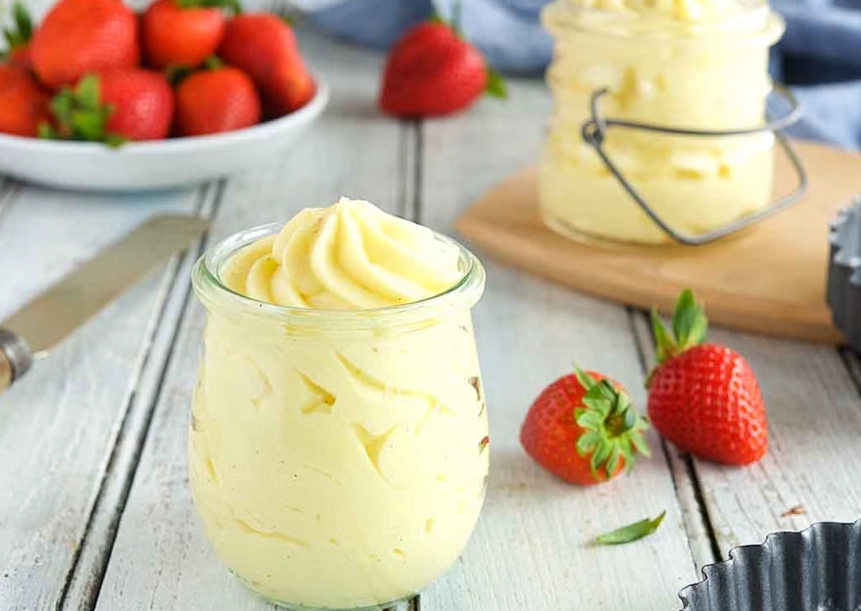
Classic Vanilla Creme Patissiere
Yields enough to fill about 12 éclairs or one 9-inch tart.
Ingredients:
- 500 ml (2 cups + 2 tbsp) whole milk (low-fat milk just won't give you the same richness, trust me)
- 1 vanilla bean, split and seeds scraped (or 2 teaspoons of real vanilla bean paste. Extract works in a pinch, but the flavor is different)
- 100 g (1/2 cup) granulated sugar, divided
- 50 g (1/2 cup) cornstarch (this is our key thickener)
- 5 large egg yolks (save the whites for macarons!)
- 30 g (2 tbsp) unsalted butter, cubed and cold
Step 1: Infuse the Milk. In your heavy-bottomed saucepan, combine the milk, the scraped vanilla bean seeds and the empty pod, and about half of the sugar (50g). Place it over medium heat. Bring it just to a simmer—you'll see small bubbles forming around the edges. Don't let it boil over. Once simmering, turn off the heat, cover, and let it steep for 15-20 minutes. This infuses the milk deeply with vanilla flavor. If you're in a rush, you can skip the steeping, but the flavor difference is noticeable.
Step 2: Prepare the Yolk Mixture. While the milk steeps, whisk the egg yolks and the remaining 50g of sugar in a medium bowl until the mixture becomes pale and slightly thickened. This takes a minute or two of vigorous whisking. Then, sift in the cornstarch. Whisk it into the yolk mixture until it's completely smooth and no lumps remain. It will look like a very thick paste. This is normal.
Step 3: Tempering – The Most Important Step. Remove the vanilla bean pod from the warm milk. Reheat the milk until it's just simmering again. Now, here's the crucial part: you need to slowly raise the temperature of the egg yolks to prevent them from scrambling. While whisking the yolk mixture constantly, very slowly drizzle in about one-third of the hot milk. Go slow! You're creating a warm egg base. Once that's incorporated, you can pour the now-warmed yolk mixture back into the saucepan with the remaining hot milk.
Step 4: Cooking to Perfection. Return the saucepan to medium heat. Whisk constantly and vigorously. Don't stop. At first, nothing will happen. Then, after a couple of minutes, it will start to thicken. Suddenly, it will turn into a thick, bubbling mass. This is the starch activating. Keep whisking and let it bubble for a full 60 to 90 seconds. This cooks out the raw starch flavor. You'll feel it thicken significantly. It should be very thick and smooth.
Step 5: Finishing. Immediately take the pan off the heat. Whisk in the cold butter cubes until fully melted and incorporated. The butter adds richness, shine, and helps prevent a skin from forming too quickly.
Step 6: Cooling Properly. Pour the hot cream through a fine-mesh sieve into a clean bowl. This catches any potential bits. Press a piece of plastic wrap directly onto the surface of the cream. This is mandatory—it prevents that rubbery skin from forming. Let it cool to room temperature, then refrigerate for at least 4 hours, preferably overnight. It will thicken further as it chills.
And that's it. The core process. Simple, right? But the devil is in the details.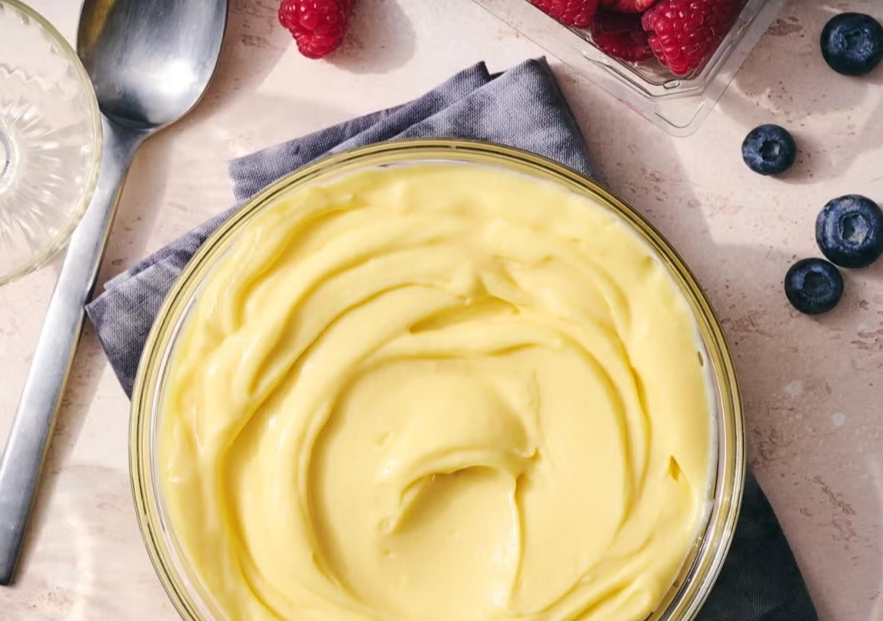
Why Did My Pastry Cream Go Wrong? Troubleshooting Guide
We've all been there. Here are the common issues and how to fix (or better, avoid) them next time.
| Problem | Likely Cause | How to Fix/Prevent |
|---|---|---|
| Lumpy Texture | 1. Eggs scrambled during tempering (added hot milk too fast). 2. Not whisked constantly during cooking, causing localized overheating. | Always drizzle the first bit of hot milk slowly while whisking like crazy. Never stop whisking once it's on the heat. If you get lumps, immediately sieve the finished cream—it will save it. |
| Too Runny / Won't Thicken | 1. Not cooked long enough after thickening. 2. Inaccurate measurement of cornstarch. 3. Didn't bring to a full boil (the starch needs to reach near-boiling to fully activate). | Once it thickens, let it bubble for a full 60-90 seconds. Use a kitchen scale for cornstarch; volume measures can be inconsistent. |
| Rubbery Skin on Top | Cooled without plastic wrap directly on the surface. | Always press plastic wrap onto the cream. No air gaps. |
| Eggy Taste | Undercooked, so the egg flavor isn't mellowed. | Ensure you cook it for the full time after it thickens and bubbles. |
| Scorched/Burnt Taste | Heat too high, or using a thin-bottomed pan. | Use medium heat and a heavy-bottomed saucepan. Scrape the bottom constantly. |
Delicious Variations on the Classic Creme Patissiere
The basic creme patissiere recipe is a blank canvas. Once you've mastered it, the fun begins. Here are some of my favorite twists.
Chocolate Creme Patissiere
Whisk 100g of finely chopped dark chocolate (at least 60% cocoa) into the hot cream right after you take it off the heat, before adding the butter. Let the chocolate melt completely, then whisk until smooth, then proceed with the butter. It's incredible in profiteroles.
Coffee Creme Patissiere
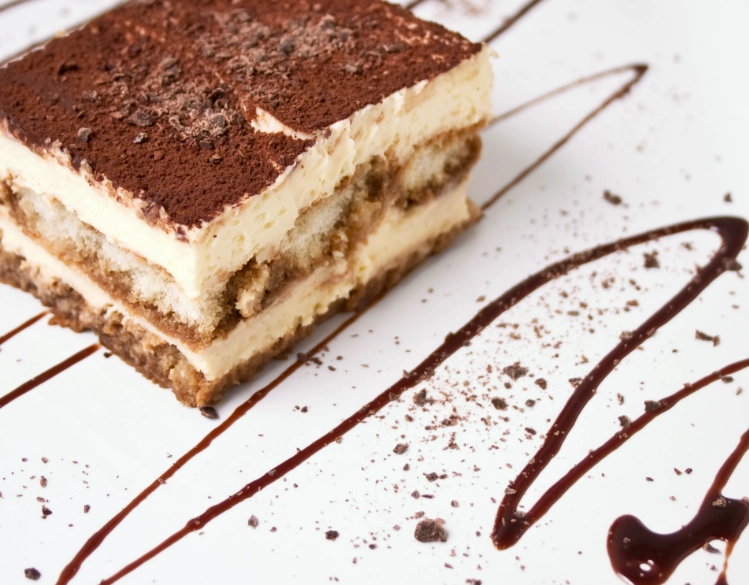
Add 2 tablespoons of instant espresso powder or very finely ground coffee to the milk along with the vanilla. Steep as usual. The coffee flavor becomes deep and rich, not bitter. Perfect for tiramisu-style desserts.
Fruit-Infused Creme Patissiere
Replace 120ml (1/2 cup) of the milk with a fruit puree like raspberry, passion fruit, or mango. Add it when you add the egg yolks back to the saucepan. The acidity in some fruits can affect thickening, so you might need a tiny bit more cornstarch (an extra 5g).
Feeling adventurous? Try infusing the milk with lavender, cardamom pods, or citrus zest.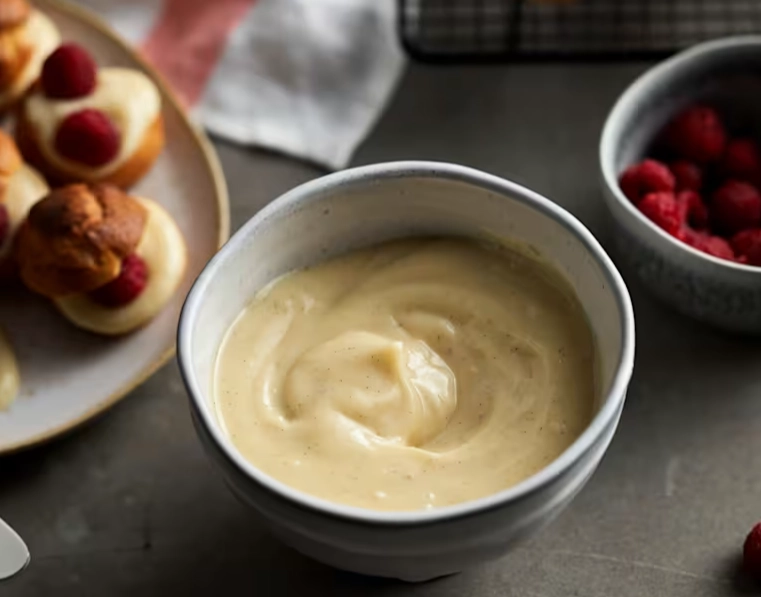
How to Use Your Perfect Pastry Cream
Once chilled, your cream is ready. Give it a good whisk to loosen it up. If it seems a bit stiff after refrigeration, you can fold in a tablespoon or two of softly whipped cream to lighten it—this is now called creme legere.
- Fruit Tarts: The classic. Spread it in a pre-baked tart shell and top with fresh berries.
- Eclairs & Profiteroles: Pipe it inside using a bismarck piping tip. It's the authentic filling.
- Layered Cakes: Use it as a layer filling, often paired with fresh fruit.
- Mille-Feuille (Napoleon): Layer it between crispy puff pastry sheets.
- As a Simple Dessert: Layer it in glasses with crumbled cookies and fruit for a quick parfait.
Storing and Food Safety
This is important. Because it contains dairy and eggs, creme patissiere needs to be stored in the refrigerator. It will keep, tightly covered with plastic wrap, for up to 3 days. The flavor is best within 48 hours.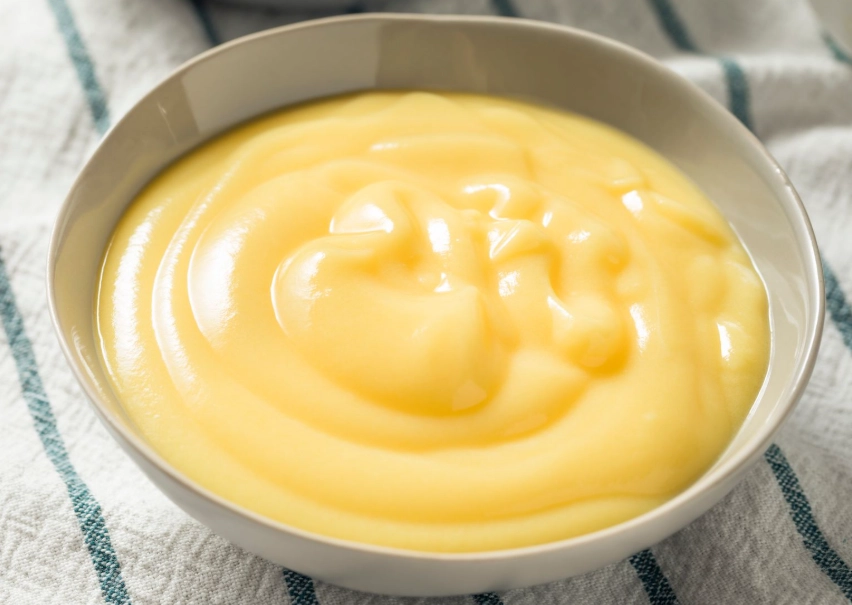
Your Creme Patissiere Recipe Questions, Answered
Taking It to the Next Level: Pro Tips & Resources
If you want to geek out further, understanding the stabilizers is key. Cornstarch is the standard, but some bakers use a mix with flour, or even a small amount of gelatin for extra stability in very warm environments. For the most authoritative technical breakdowns on custards and starches, resources from professional culinary institutions are invaluable. For instance, the science behind starch gelatinization and egg coagulation is explained clearly in many textbooks from culinary schools. While I can't link directly here, searching for resources from established institutions like The Culinary Institute of America or Le Cordon Bleu on pastry fundamentals will provide deep, reliable knowledge.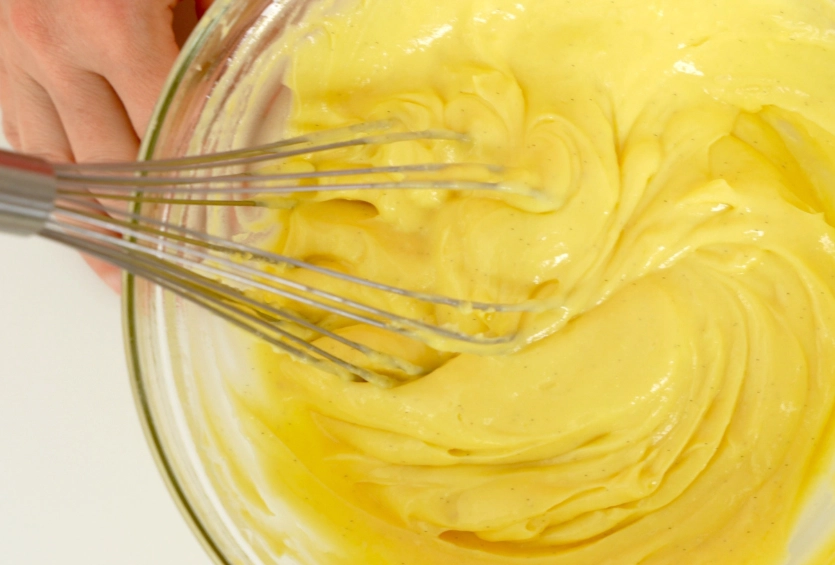
My final piece of advice? Don't fear the boil. That's where most home bakers get nervous and stop cooking, leading to a runny cream. Have confidence, whisk through the bubbles for that full minute, and you'll be rewarded with a perfect, stable creme patissiere recipe result every single time.
Now go warm up your milk and grab your whisk. Your perfect pastry cream is waiting.