Let's be honest. Most apple preserves recipes online are vague. They tell you to "cook until set" but don't explain what that looks or feels like. You end up with a jar of sweet, runny applesauce or, worse, a brick of overcooked fruit leather. After years of trial and error (and more than a few failed batches), I've nailed down a method that works every single time. This isn't just a recipe; it's a complete guide to understanding the process, so you can make a preserve with deep flavor, perfect spreadable texture, and no commercial pectin required.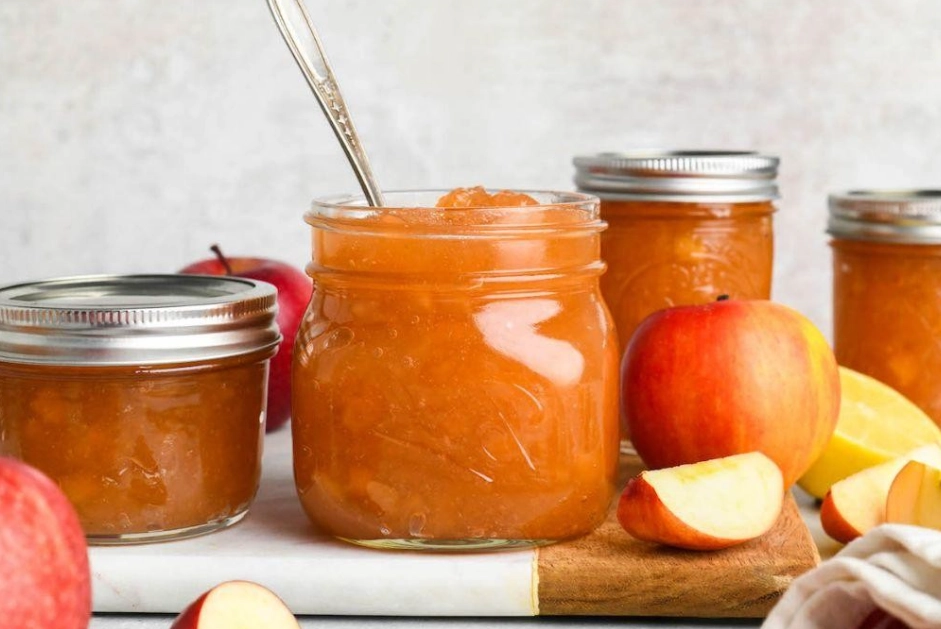
What You'll Find Inside
Why This Homemade Apple Preserves Recipe Beats Store-Bought
You can grab a jar of jam for a few dollars. So why bother? Control. When you make apple preserves at home, you control the sugar. Most commercial jams are 60% sugar or more. Our recipe balances sweetness with the apple's natural tartness. You control the texture—no gums or thickeners, just real fruit. And the flavor? It's concentrated, pure apple, often missing from mass-produced versions that rely on flavor packs.
There's also the hidden bonus: using the whole fruit. A pro tip most recipes skip? Simmer the apple peels and cores in a separate muslin bag with the jam. They're packed with pectin and flavor. Discard the bag at the end, and you've naturally boosted your set without any additives. It's a game-changer for a firm set.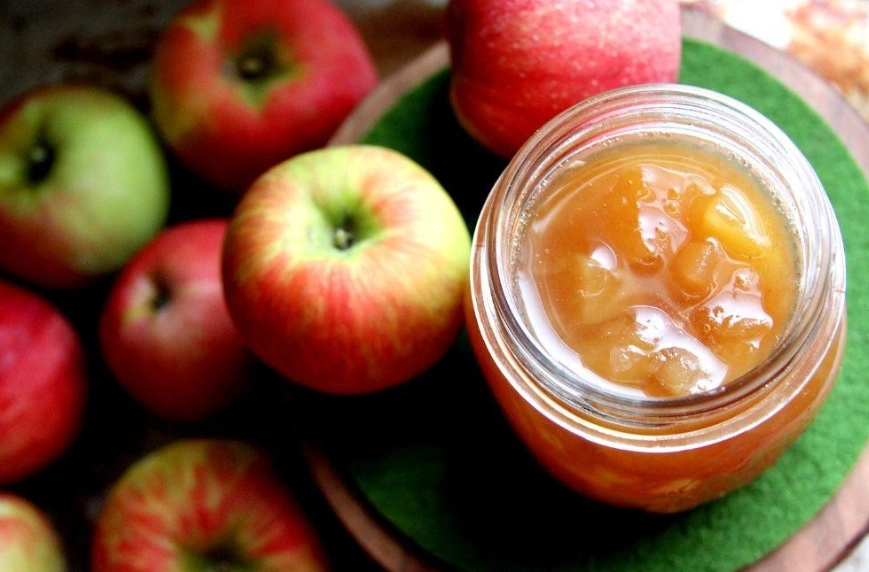
Ingredients That Matter: Choosing Your Apples
This is where most people go wrong. You can't use any apple and expect great jam. You need a mix of high-pectin, tart apples for structure and flavor, and some sweeter varieties for balance and depth.
A Quick Word on Pectin
Pectin is a natural fiber in fruit that causes jam to gel. Apples have lots of it, especially when under-ripe and in the skins/cores. We leverage that, so you don't need to buy powdered pectin. Using a blend of apples listed below guarantees enough natural pectin for a perfect set.
Here’s a breakdown of the best apples for preserves:
| Apple Variety | Pectin Level | Flavor Profile | Best For |
|---|---|---|---|
| Granny Smith | High | Very tart, crisp | Providing structure and tang. The backbone of your jam. |
| Braeburn | Medium-High | Sweet-tart, spicy | Adding complex flavor notes. |
| Jonathan or McIntosh | Medium | Tart, tender | Breaking down easily to create the jammy base. |
| Honeycrisp or Fuji | Lower | Very sweet, juicy | Balancing tartness and adding liquid. Use sparingly. |
My go-to blend is 50% Granny Smith, 30% Braeburn, and 20% McIntosh. It never fails. If you only have sweet apples, you'll likely need to add lemon juice and possibly commercial pectin, which is a different recipe altogether.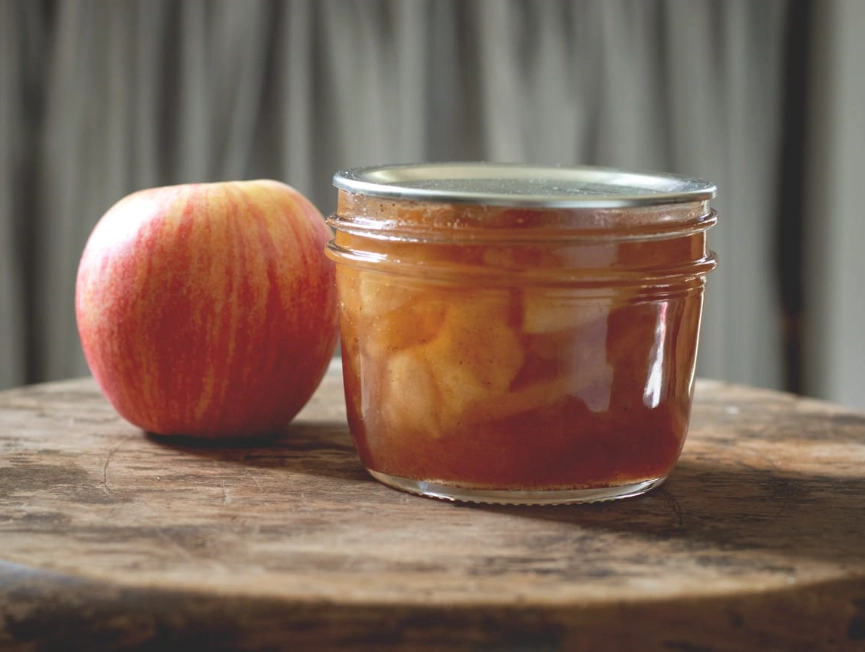
How to Make Apple Preserves: A Step-by-Step Guide
This process is more about technique than exact timing. Pay attention to the visual and textural cues.
What You'll Need
- Apples: 3 pounds (about 1.4 kg) total, using the blend suggested above.
- Granulated Sugar: 3 to 4 cups (600-800g). Start with 3 cups. You can add more later if needed, but you can't take it out. The sugar amount depends on your apple tartness and personal taste.
- Lemon Juice: From 1 large lemon (about 1/4 cup). This acid is crucial for set and flavor balance.
- Water: 1/2 cup.
- Spices (Optional): 1 cinnamon stick, 3-4 whole cloves, or a pinch of nutmeg. Tie them in a muslin bag for easy removal.
- Equipment: Large, wide, heavy-bottomed pot (copper or stainless steel is ideal), wooden spoon, canning jars (if preserving), muslin cloth or bag.
The Process
1. Prep the Apples. Don't peel them all. Core and chop the apples into small, even pieces (about 1/2-inch). As you work, toss the peels and cores from about half the apples into a muslin bag or square tied with kitchen string.
2. Initial Cook. Place the chopped apples, the bag of peels/cores, water, lemon juice, and optional spice bag in your large pot. Bring to a simmer over medium heat. Cook, stirring occasionally, until the apples are completely softened and mushy, about 20-25 minutes. This step extracts maximum pectin.
3. Add Sugar. Remove the bag of peels/cores and the spice bag. Squeeze the peels/core bag against the side of the pot to get every last bit of pectin-rich juice out. Discard the bags. Add 3 cups of sugar to the cooked apples. Stir over low heat until fully dissolved.
4. The Boil & The Set Test. This is the critical phase. Crank the heat to medium-high and bring the mixture to a full, rolling boil that can't be stirred down. Boil vigorously, stirring frequently to prevent scorching. Start testing for set after about 10 minutes of boiling.
How to Test for Set: Place a small plate in the freezer. After a few minutes of boiling, drop a teaspoon of jam onto the cold plate. Let it sit for 30 seconds. Push the edge with your finger. If it wrinkles and seems set, it's done. If it's still liquidy, keep boiling and test again every 3-4 minutes. This can take 15-25 minutes total boiling time. The biggest mistake? Stopping too early because you're impatient. A runny jam won't thicken in the jar.
5. Jar It Up. Once set, remove from heat. Skim off any foam. If you're processing for shelf-stable storage, follow a proper canning guide like the one from the National Center for Home Food Preservation. For immediate use, simply ladle the hot preserves into clean, warm jars, leaving 1/4-inch headspace. Seal and let cool at room temperature. The jam will continue to thicken as it cools.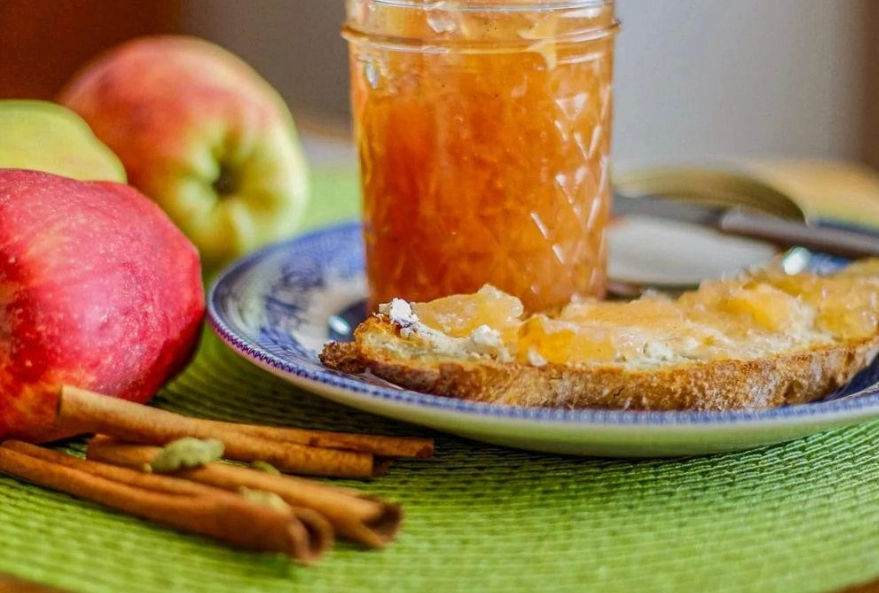
Storing Your Preserves: Canning vs. Refrigeration
If you followed the steps above and achieved a good set, your preserves are high-acid and perfect for water bath canning for long-term storage. Process filled jars in a boiling water bath for 10 minutes (adjusting for altitude). This gives you shelf-stable jam for up to 18 months.
For smaller batches, refrigeration is easier. Cooled jars will keep in the fridge for at least 3 months. You can also freeze preserves in airtight containers for up to a year, though the texture may be slightly softer upon thawing.
Expert Troubleshooting & FAQ
My apple preserves turned out too runny. What went wrong?
This is almost always one of two things. First, you didn't boil it long enough to reach the setting point. The set test is non-negotiable. Second, your apple blend may have been too low in pectin (e.g., all Golden Delicious). For a fix, you can re-cook the runny jam. Pour it back into the pot, add a little extra lemon juice (1 tbsp), and boil again, testing frequently. Alternatively, use it as a delicious ice cream topping or pancake syrup.
Can I reduce the sugar in this apple preserves recipe?
You can, but it changes everything. Sugar is a preservative and contributes to the set. Significantly reducing it (by more than 1/4) will result in a much softer set and drastically reduce the shelf life, even in the fridge. If you want less sugar, look for specific "low-sugar" or "no-sugar" pectin recipes that are formulated for that purpose. They use different chemistry.
 Why did my jam become overly dark or taste slightly burnt?
Your pot was likely too thin or your heat too high, causing scorching on the bottom. Always use a heavy-bottomed pot and stir frequently during the vigorous boil phase. A wide pot also helps liquid evaporate faster, reducing cooking time and the risk of caramelization (which, while tasty, isn't the goal for a bright preserve).
Is it safe to skip the water bath canning and just put hot jam in a jar?
That's called "open-kettle" or "hot-fill" canning, and food safety experts like those at the USDA do not recommend it for fruits. While the hot jam may create a vacuum seal, the jar and food inside are not sterilized by the boiling water process, increasing the risk of spoilage microorganisms surviving. For shelf storage beyond a few weeks, the boiling water bath is the safe, proven method.
My preserves are too hard, almost like candy. How do I avoid this next time?
You overcooked it. Once the mixture reaches the setting point, it continues to cook from residual heat in the pot. The moment it passes the wrinkle test, get it off the heat and start filling your jars. Next time, be more vigilant with testing a minute or two earlier. An overcooked batch can sometimes be salvaged by gently reheating it with a small amount of water or apple juice to soften it, but it won't be perfect.
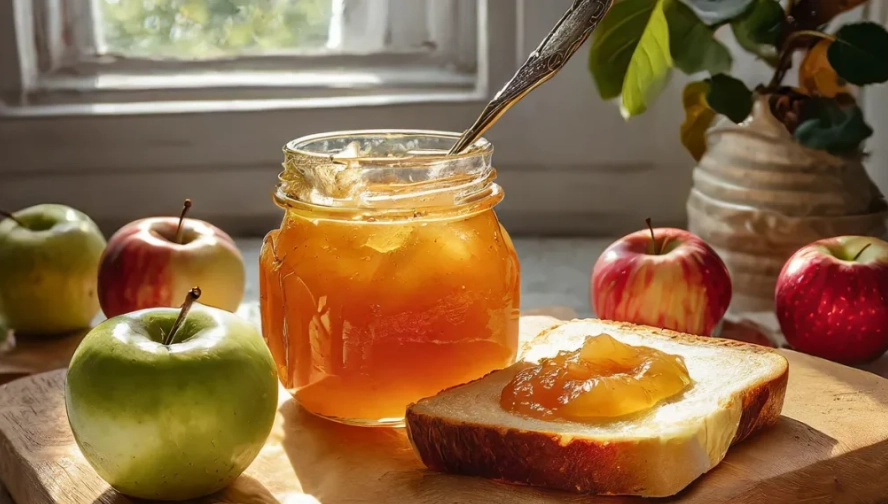 Making apple preserves is one of the most rewarding kitchen projects. It captures the essence of the season in a jar. Forget the uncertainty. With the right apples, a watchful eye during the boil, and trust in the cold plate test, you'll produce a preserve that puts any supermarket jar to shame. The flavor of your own homemade apple jam, spread on morning toast, is a taste of real success.