Let's be honest. Most recipes tell you to use a shallot without explaining why. You chop one up, it looks like a small, fancy onion, and you wonder if it's worth the extra dollar. I've been cooking with them for over a decade, and the answer is a definitive yes—but only if you know how to treat them. A shallot isn't just a mild onion. It's a flavor transformer, a secret weapon that adds a subtle, sweet complexity that regular onions can't match. The mistake most home cooks make is using them exactly like onions. That's like using a sports car just to drive to the grocery store. This guide is about unlocking their full potential with shallot recipes that are simple, impactful, and will change how you cook.
What You'll Find in This Guide
Why Shallots Are Your Secret Weapon (And It's Not Just Hype)
Think of a shallot as the bridge between a sharp white onion and sweet, mellow garlic. They have a higher sugar content and lower water content than yellow onions, which is the key. When cooked, that sugar caramelizes beautifully, creating a deep, savory-sweet base without the aggressive pungency of onion. Raw, they're sharp but less harsh, perfect for vinaigrettes where you want bite without overwhelm.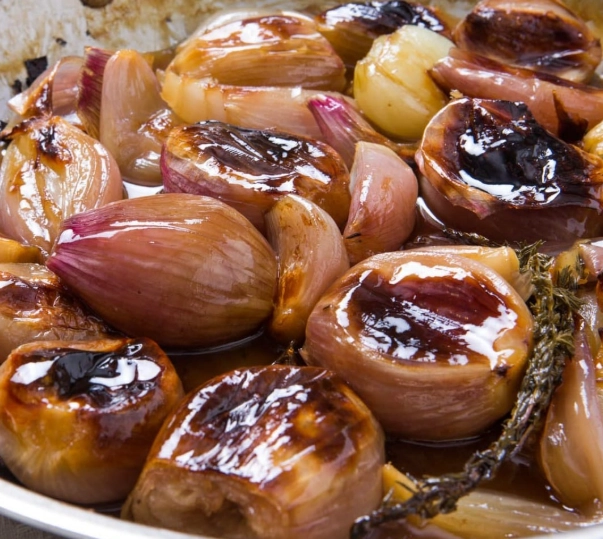
I learned their value the hard way. Early in my cooking, I substituted a yellow onion in a classic French beurre blanc sauce. The result was okay, but it lacked that delicate, refined sharpness that makes the sauce sing. The shallot's flavor is more integrated, less likely to dominate a dish. That's why they're a cornerstone of French and Southeast Asian cuisines—they build complexity without shouting.
The Master Technique: How to Caramelize Shallots Perfectly (Every Time)
This is the skill that unlocks dozens of easy shallot recipes. Perfectly caramelized shallots are like liquid gold: jammy, sweet, deeply savory, and versatile.
Your Step-by-Step Method
Peel and slice your shallots evenly, about 1/4-inch thick. Rings are fine, but half-moons give more surface area. Heat a generous knob of butter or a mix of butter and olive oil in a skillet over medium-low heat. Add the shallots and a big pinch of salt. The salt draws out moisture, helping them soften.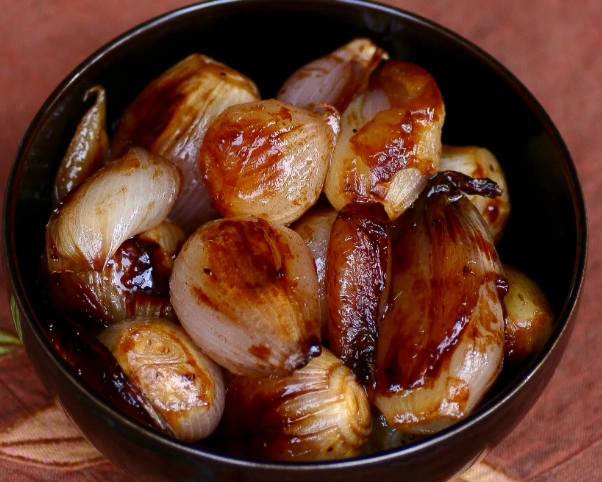
Now, stir. Not constantly, but often. This isn't a "set it and forget it" process. You're looking for them to wilt, turn translucent, and then slowly start picking up a golden-brown color. This takes 15 to 25 minutes. Be patient. If they start sizzling aggressively or browning in spots within 5 minutes, your heat is too high. Turn it down.
The finish line is a uniform deep golden brown with a jam-like consistency. If they look dry at any point, add a tablespoon of water, wine, or broth to deglaze the pan and scrape up the tasty browned bits (the fond). Those bits are flavor.
What can you do with a batch of these? Fold them into mashed potatoes, top a steak or burger, mix into sour cream for a killer dip, or stir into cooked grains like farro or quinoa. I make a big batch on Sundays and use it throughout the week to instantly upgrade meals.
3 Essential Shallot Recipes to Start With
Let's move from theory to practice. These three recipes are foundational. They're reliable, highlight different uses, and will give you immediate confidence.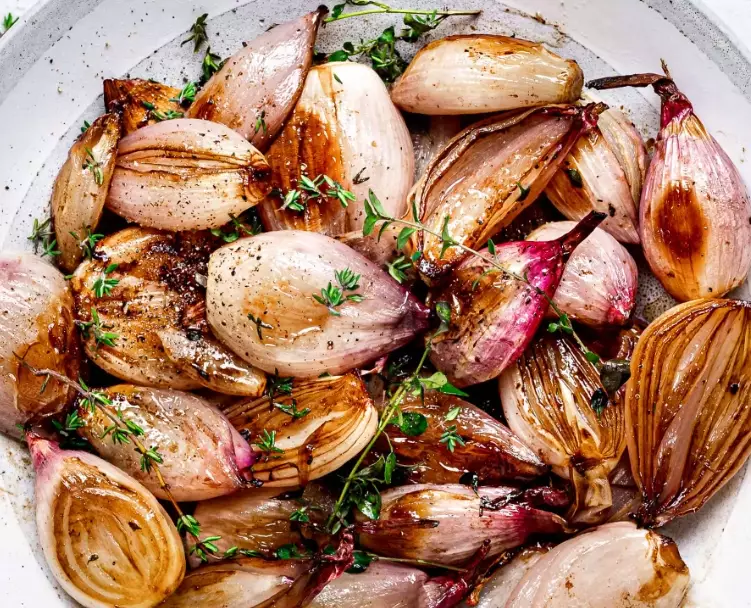
1. The Weeknight Hero: Creamy Shallot Pasta
This is the ultimate shallot pasta for when you're tired but want something satisfying. It comes together in the time it takes to boil water.
Thinly slice 3 large shallots. Cook them slowly in 3 tablespoons of butter and 2 tablespoons of olive oil until soft and golden, about 10 minutes. Add two minced cloves of garlic for the last minute. Meanwhile, cook 12 oz of spaghetti or linguine, reserving a mug of the starchy pasta water before draining.
Add the drained pasta to the shallot pan. Toss everything together, adding a splash of that pasta water to create a silky sauce that coats every strand. Off the heat, stir in a big handful of grated Parmesan and lots of black pepper. The sauce isn't heavy cream-based; it's built on the emulsified butter, shallot juices, and pasta water. It's elegant, fast, and deeply flavorful.
2. The Crowd-Pleaser: Crispy Roasted Chicken with Shallots & Lemon
This is a one-pan wonder that makes you look like a pro. Chicken thighs get crispy skin, and the shallots underneath turn meltingly sweet.
Preheat your oven to 425°F (220°C). Toss a whole bunch of peeled shallots (about 10-12, halved if large) and a lemon (cut into wedges) in the bottom of a roasting dish with olive oil, salt, and thyme. Place bone-in, skin-on chicken thighs on top. Drizzle the chicken with more oil, season generously, and roast for 40-45 minutes until the skin is golden and the shallots are tender and caramelized at the edges. The shallots soak up the chicken juices. Serve it all together.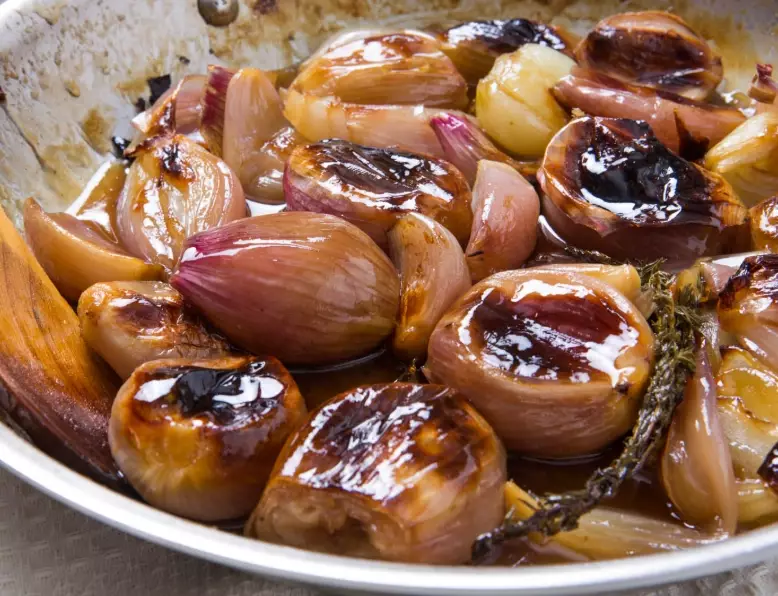
3. The Flavor Bomb: Quick-Pickled Shallots
This is less a recipe and more a habit you should adopt. Thinly slice 2-3 shallots (a mandoline helps). Place them in a jar. Heat equal parts vinegar (apple cider or red wine) and water (about 1/2 cup each) with a big pinch of sugar and salt until dissolved. Pour the hot liquid over the shallots. Let cool. They're ready in 30 minutes and keep for weeks.
Use them on tacos, salads, sandwiches, grain bowls, or alongside rich meats. They cut through fat and add a bright, tangy crunch. It's the easiest way to add a chef's touch to any plate.
Building Your Flavor Arsenal: A Shallot Recipe Roadmap
Once you're comfortable, think of shallots as a tool for specific flavor jobs. This table breaks down the classic uses.
>Soups, stews, risotto, quiche, gravy.>Mashed potatoes, pizza topping, burger garnish, pasta sauces.>Salad topper, soup garnish, finishing touch for steaks or green beans.>Tacos, sandwiches, grain bowls, rich cheese plates.
| Preparation Method | Flavor Profile | Best Used In |
|---|---|---|
| Finely Minced, Raw | Sharp, pungent, clean bite. | Vinaigrettes, tartare, ceviche, yogurt sauces. |
| Slowly Sweated/Softened | Mellow, sweet, aromatic base. | |
| Deeply Caramelized | Rich, jammy, umami-sweet. | |
| Fried into Crisps | Savory, crunchy, intense. | |
| Quick-Pickled | Tangy, sweet, crisp. |
See the pattern? The finer you cut them and the less you cook them, the more bite they have. The more you cook them, the sweeter and more integrated they become. It's about choosing the right tool for the job.
Buying, Storing & Prepping: The Boring (But Critical) Stuff
Great shallot recipes start with good shallots. Look for firm, heavy bulbs with dry, papery skins. Avoid any that are soft, sprouting (a green shoot emerging from the top), or have dark spots. They should feel dense for their size.
Store them like onions: in a cool, dark, dry place with good air circulation. Not in a sealed plastic bag, and definitely not next to potatoes (the moisture from potatoes makes them spoil faster). A mesh bag or a basket in a pantry is perfect. Properly stored, they last for weeks, even a month or two.
Prepping is straightforward. Cut off the top and root end, peel off the papery skin, and slice or chop as needed. A sharp knife is crucial because they can be slippery. If you're mincing a lot for a vinaigrette, cut them in half through the root first, make horizontal cuts without going through the root, then vertical cuts, and finally slice across. The root holds it all together until the last second, giving you a fine, even mince.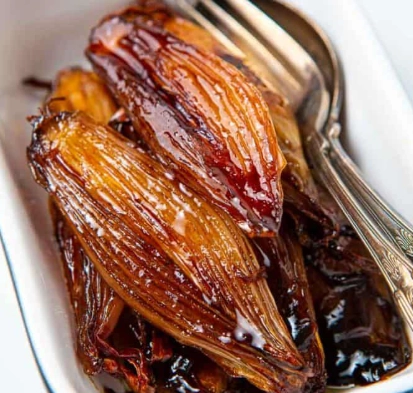
Your Shallot Questions, Answered (By Someone Who's Burnt a Few)
The goal isn't to memorize a hundred recipes. It's to understand how this one ingredient works. Start with caramelizing a single shallot. Make that quick pickle. Toss a minced one into your next salad dressing. You'll quickly see—and taste—the difference it makes. It's the small shift that elevates everyday cooking from good to something worth savoring.