That wrinkly purple or yellow orb in the fruit aisle holds one of the most explosive flavors in the world. Passion fruit. Tart, sweet, floral, and utterly addictive. But once you get it home, the question hits: what now? You're not alone if you've stared at a passion fruit, unsure how to crack its code beyond spooning it into yogurt. This guide is your answer. We're moving past the basic ideas and diving into the how, what, and why of cooking with passion fruit. From foolproof desserts that will impress anyone to savory twists you probably haven't tried, consider this your masterclass.
What's Inside This Guide?
What is Passion Fruit? A Quick Flavor Profile
Let's clear something up first. Passion fruit isn't just one thing. The most common variety you'll find is the purple passion fruit (Passiflora edulis), about the size of a large egg with a dimpled, purple-black shell. Inside, it's all about the golden, jelly-like pulp packed with crunchy, edible black seeds. The flavor is a intense balance of sharp citrus and tropical sweetness. Then there's the yellow passion fruit (often called maracuja), which is larger, has a smoother yellow shell, and tends to be more acidic. Both work in recipes, but the purple one is often considered more aromatic.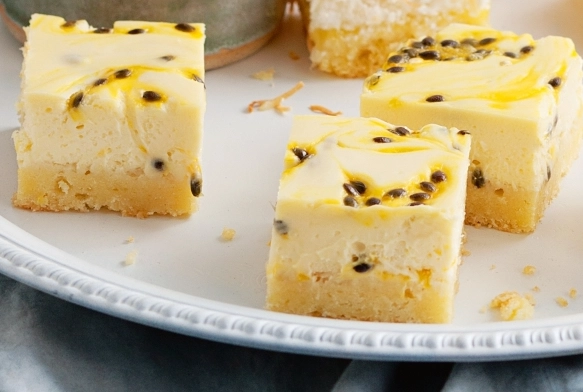
The seeds? Totally edible. They add a pleasant crunch. A lot of recipes tell you to strain them out, but unless you're making a super-smooth sauce or curd, I say leave them in. They're part of the experience.
How to Choose and Store Passion Fruit
This is where most people go wrong. A smooth, shiny passion fruit is underripe and will taste like nothing. You want the opposite.
Look for fruit that's heavy for its size and has a deeply wrinkled, almost shriveled skin. The wrinkles mean the inside has concentrated its sugars and juices. Don't be afraid of a few brown spots—that's normal. Give it a gentle squeeze; it should have a slight give.
If you only find smooth ones, buy them and let them ripen on your counter for a few days until they wrinkle up. Once ripe, they last about a week at room temperature or up to two weeks in the fridge. The real game-changer? Freeze the pulp. Scoop it into ice cube trays, freeze, then pop the cubes into a bag. You'll have passion fruit ready to go for months. I do this every time I find a good batch.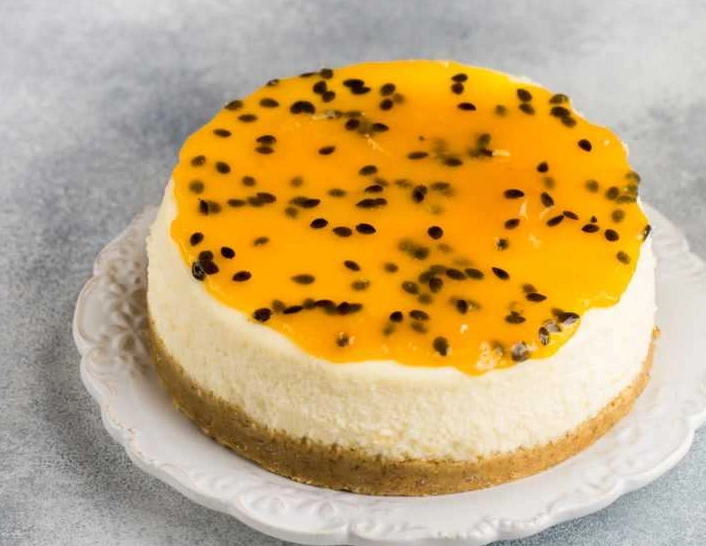
How to Prepare Passion Fruit for Recipes
It's simple. Slice the fruit in half horizontally with a sharp knife. Use a spoon to scoop out all the glorious, seedy pulp into a bowl. That's your base ingredient. For recipes that need just the juice, you can press the pulp through a fine-mesh sieve. You'll get less, but it'll be seed-free. Personally, I rarely bother unless the texture is critical.
Top Sweet Passion Fruit Recipes
This is where passion fruit shines. Its acidity cuts through fat and sugar perfectly.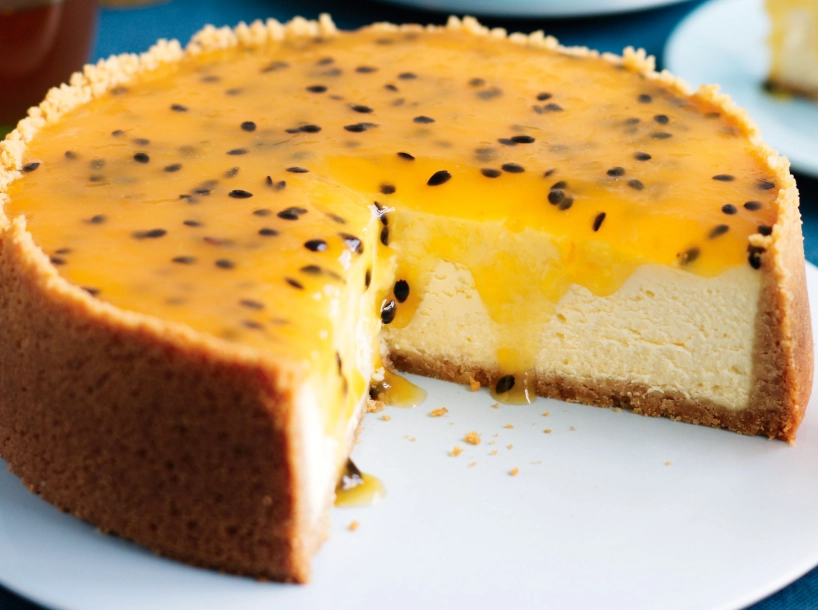
#1: The Non-Negotiable Classic: Passion Fruit Curd
If you only make one thing, make this. It's brighter and more complex than lemon curd. Spread it on toast, swirl it into yogurt, or use it as a cake filling.
My method: Whisk together 3/4 cup passion fruit pulp (about 6-7 fruits), 3/4 cup sugar, 3 large eggs, and a pinch of salt in a heatproof bowl. Place over a saucepan of simmering water (double boiler). Whisk constantly for 10-15 minutes until thick enough to coat the back of a spoon. Off heat, whisk in 115g of cold, cubed butter until melted and smooth. Strain if you hate seeds (I don't). Chill. It thickens as it cools.
More Can't-Miss Sweet Treats
- No-Churn Passion Fruit Ice Cream: Fold 1 cup of passion fruit pulp (seeds and all) into a mixture of one 14-oz can of sweetened condensed milk and 2 cups of heavy cream, whipped to soft peaks. Freeze. No machine needed, just incredible tropical flavor.
- Passion Fruit Pavlova: The crisp meringue, soft marshmallow center, and whipped cream are the perfect canvas for a passion fruit topping. Drizzle the pulp mixed with a little sugar right over the top before serving.
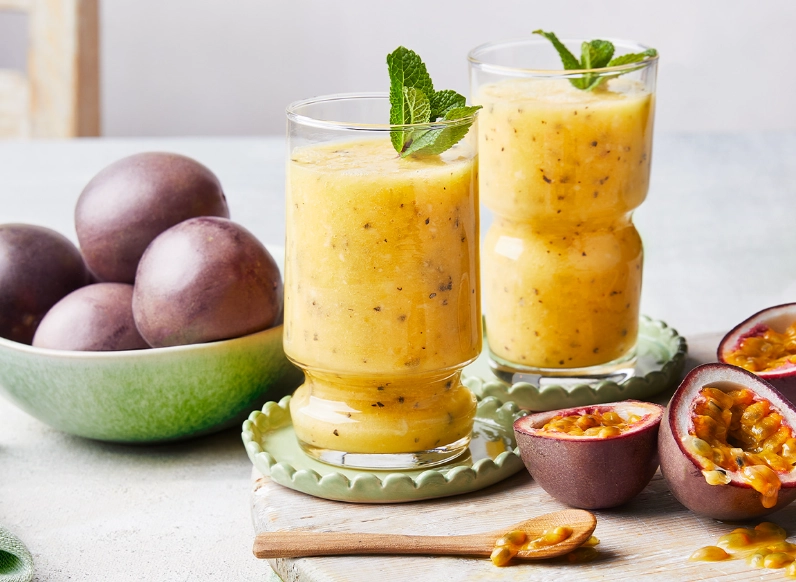
- Simple Syrup for Drinks: Equal parts passion fruit pulp and sugar, heated just until the sugar dissolves. Cool. This is your secret weapon for cocktails, lemonades, and iced tea.
| Recipe | Key Ingredients | Prep Time | Best For |
|---|---|---|---|
| Passion Fruit Curd | Pulp, eggs, sugar, butter | 20 mins | Breakfast, cake filling, dessert topping |
| No-Churn Ice Cream | Pulp, condensed milk, heavy cream | 15 mins + freezing | Easy, impressive dessert |
| Pavlova Topping | Pure pulp & a touch of sugar | 2 mins | Elevating a store-bought meringue |
| Cocktail Syrup | Pulp, sugar, water | 10 mins | Drinks all summer long |
Unexpected Savory Passion Fruit Ideas
This is the frontier. Passion fruit's acidity works like vinegar or lime juice in dressings and marinades, but with a fruity backnote.
Passion Fruit Vinaigrette: Whisk 3 tbsp passion fruit pulp, 2 tbsp olive oil, 1 tbsp honey or agave, salt, and pepper. Toss with a salad of avocado, mango, and grilled shrimp. It's transformative.
Glaze for Proteins: Simmer 1/2 cup pulp with 2 tbsp soy sauce, 1 tbsp honey, and a grated garlic clove until slightly thickened. Brush on chicken, salmon, or tofu in the last few minutes of grilling or roasting.
I tried a passion fruit-based ceviche “leche de tigre” once, and it was a revelation. The fruit's enzymes help "cook" the fish just like citrus, adding a unique fragrance.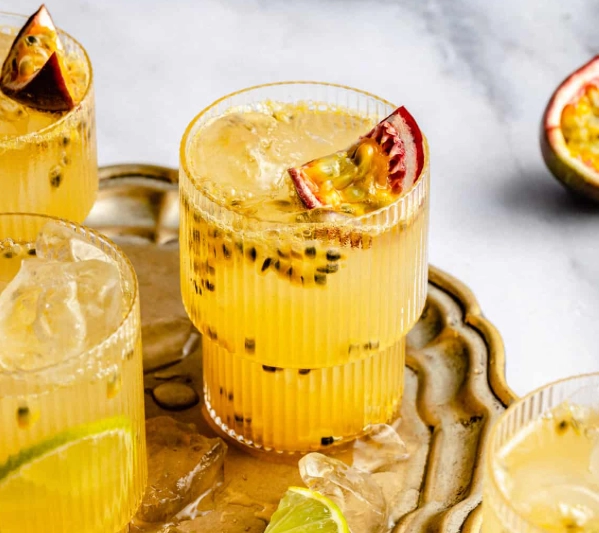
Expert Tips & Common Pitfalls to Avoid
After years of experimenting, here's what most recipes won't tell you.
- Don't fear the seeds. Straining is often an unnecessary, messy step that wastes precious pulp. Embrace the texture.
- Balance is everything. Passion fruit is tart. Always taste your mixture before finalizing. You'll almost always need a sweetener—honey, sugar, agave—to bring it into harmony.
- The frozen pulp trick is a lifesaver. Seriously, it lets you make a passion fruit dessert in the dead of winter. I always have a bag in my freezer.
- One common mistake: Adding raw passion fruit pulp to a dairy-based mixture and then heating it too high or too fast. The acid can cause the dairy to curdle. Temper it by adding it off heat or at the end of cooking.