You don't need a plane ticket to Lima to taste real Peruvian food. The magic lies in understanding a few key techniques and embracing the bold, fresh flavors that define this cuisine. I've spent years cooking and eating my way through Peru, from street stalls to home kitchens, and I'm here to cut through the noise. Forget complicated restaurant-style presentations. Let's focus on nailing three foundational, soul-satisfying dishes you can actually make at home: the iconic Ceviche, the sizzling stir-fry Lomo Saltado, and the creamy comfort of Aji de Gallina.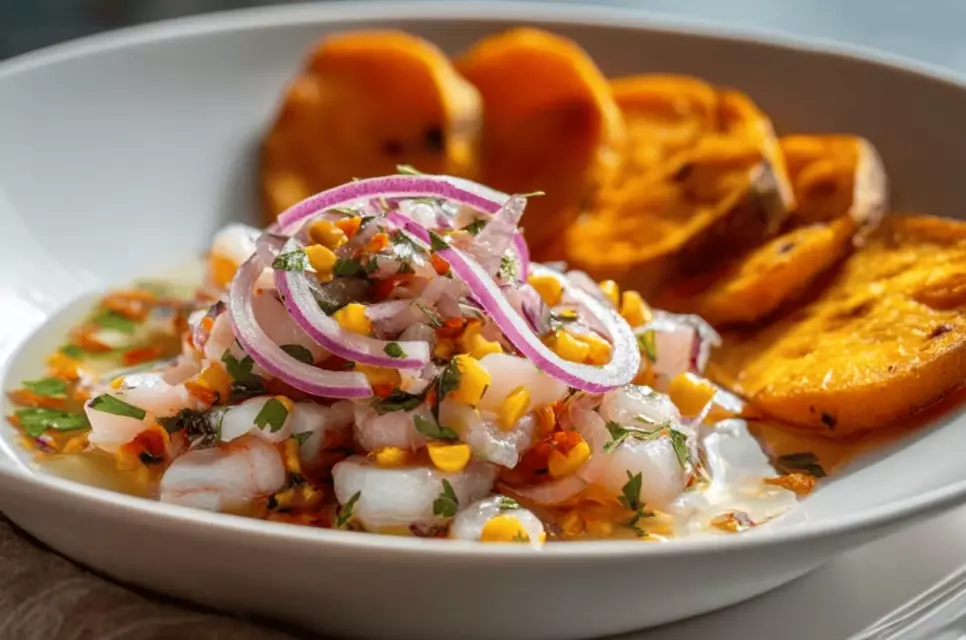
Your Peruvian Kitchen Roadmap
The Non-Negotiable Peruvian Pantry
Before we start cooking, let's talk ingredients. Most are findable now in well-stocked supermarkets or online. Don't skip this part—using the right base flavors is what separates an authentic taste from a vague imitation.
Aji Amarillo Paste: This is the heart of so many Peruvian dishes. It's a yellow chili with a fruity, medium heat (like a 6/10). The fresh pepper is almost impossible to find abroad, but the jarred paste is a fantastic substitute. Brands like "Frito" or "El Trigal" are reliable. It adds that distinctive Peruvian flavor and color. If you absolutely can't find it, a mix of yellow bell pepper puree and a pinch of habanero can be a distant cousin, but it's not the same.
Aji Panca Paste: The other essential chili paste. Panca is darker, smokier, and milder than amarillo. It provides depth and a rich burgundy color. You need both for a complete flavor profile.
Leche de Tigre: Not an ingredient you buy, but a concept. It translates to "tiger's milk"—the citrusy marinade for ceviche. It's the soul of the dish, a bracing mix of lime juice, fish broth, chili, and aromatics. You'll drink it at the end.
How to Make Authentic Peruvian Ceviche at Home?
Most recipes get the basics right but miss the subtle balance. The biggest mistake? Over-marinating. In Peru, ceviche is served almost immediately—the fish is "cooked" but still retains a fresh, almost raw texture. Letting it sit for 30 minutes turns it rubbery.
Peruvian Ceviche: The 15-Minute Method
The Fish: Use the freshest, sushi-grade white fish you can find. Sea bass (corvina) is traditional, but flounder, sole, or even very fresh tilapia work. Ask your fishmonger—tell them it's for ceviche.
| Ingredient | Quantity & Notes |
|---|---|
| Sushi-grade white fish fillets | 1 lb, cut into 3/4-inch cubes |
| Fresh lime juice (key limes if possible) | 1 cup (about 10-12 limes) |
| Red onion | 1 medium, thinly sliced and rinsed in cold water |
| Aji Amarillo paste | 1 tablespoon |
| Garlic | 1 small clove, minced to a paste |
| Fresh cilantro | 1/2 cup, finely chopped + extra for garnish |
| Salt | 1 tsp, or to taste |
| Sweet potato | 1, boiled and sliced (for serving) |
| Corn on the cob (choclo) | 1 ear, boiled or steamed (or use large-kernel corn) |
Steps:
1. Prep the Leche de Tigre: In a bowl, mix the lime juice, aji amarillo paste, garlic, half the cilantro, and salt. Stir well. This is your marinade.
2. Combine & Serve Immediately: Right before you're ready to eat, place the fish cubes and rinsed red onion in a chilled bowl. Pour the leche de Tigre over them. Gently toss for about 20 seconds.
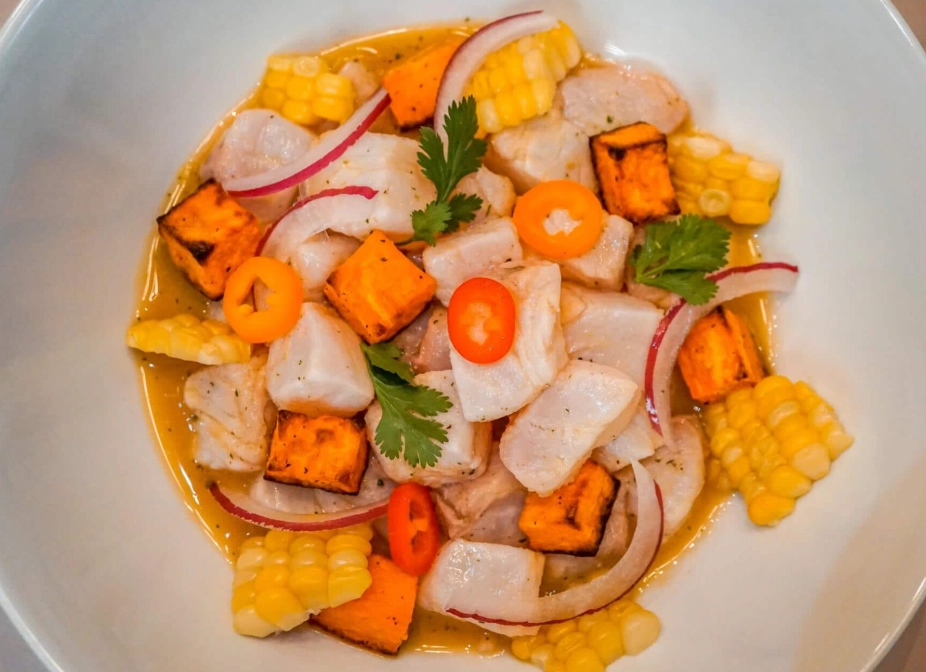
3. Plate and Garnish: Divide into bowls. Spoon the onions and liquid over the top. Garnish with the remaining cilantro. Serve immediately with slices of sweet potato and corn on the side. The whole process, from mixing to table, should take under 5 minutes.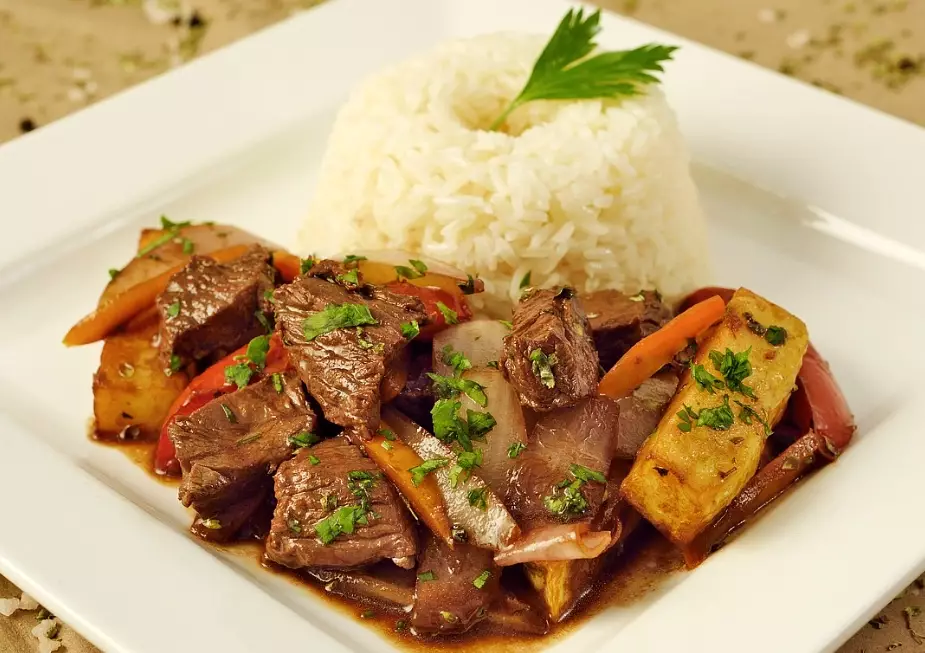
Mastering Lomo Saltado: The Peruvian-Chinese Fusion Stir-Fry
This dish is a beautiful mess—tender beef, tomatoes, onions, french fries, all tossed in a wok with a savory, slightly sweet soy-vinegar sauce. The key is high, restaurant-level heat, which most home cooks are scared of. You need to see flames (a quick flambe) to get the right "wok hei" or breath of the wok flavor.
The Stir-Fry That Requires Confidence
The Meat: Use sirloin or tenderloin (lomo). Slice it against the grain into thin strips. Marinate it briefly in soy sauce and a touch of vinegar—this is non-negotiable for tenderness and flavor absorption.
Critical Equipment: A large carbon steel wok or the heaviest, largest skillet you own. Don't crowd the pan. Cook in batches if you have to.
The Process in a Nutshell:
- Fry your fries. Yes, use frozen shoestring fries or make your own. They get added at the end.
- Sear the beef. Get your wok smoking hot with a high-heat oil (like avocado or vegetable). Add the beef in a single layer and let it sear for 60-90 seconds without touching it. Then toss until just browned. Remove.
- Stir-fry the veggies. In the same wok, add more oil, then thick slices of red onion and firm tomatoes. You want them slightly charred but still crisp.
- The Flame. Return the beef. Add a mix of soy sauce, red wine vinegar, and aji amarillo paste. Toss everything. Now, carefully pour a tablespoon of Pisco or brandy down the side of the wok. It should ignite (or you can use a lighter). Let the flames subside—this burns off the alcohol and adds a smoky depth.
- The Final Toss. Add the fries and a handful of chopped cilantro. Give it two or three big tosses to combine. Serve immediately over white rice. The fries should be slightly soggy in parts, still crisp in others—that's authentic.
If you don't get the flame, the flavor will be one-dimensional, just a soy sauce stir-fry. The flambe is what makes it Saltado.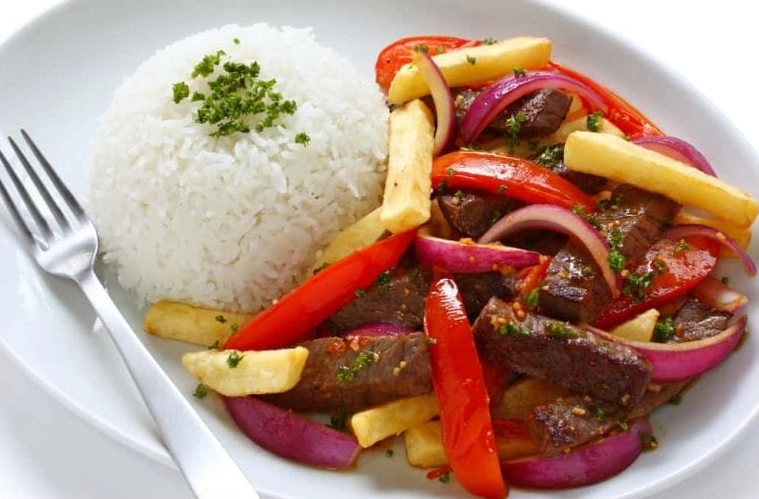
Aji de Gallina: Peru's Creamy, Spicy Chicken Stew
This is Peruvian comfort food at its finest. Shredded chicken in a velvety, nutty, slightly spicy sauce made from aji amarillo, bread, and walnuts or pecans. It's richer than you expect, and perfect for a cozy dinner. The common fail point? A grainy sauce.
The secret is in the blending. You must soak stale white bread in milk to create a panade (a paste), and blend it thoroughly with the nuts, cheese, and chilies until completely smooth before adding it to the chicken broth. Rushing this step gives you a sauce with unpleasant little grits.
My streamlined method: Boil a whole chicken breast with an onion and garlic. Save the broth. Shred the chicken. In a blender, combine 4 slices of crustless bread (soaked in 1 cup of evaporated milk), 1/2 cup grated Parmesan, 1/3 cup walnuts, and 3 tablespoons of aji amarillo paste. Blend on high for a full 2 minutes until it's a completely smooth, creamy paste.
In a pot, sauté a finely chopped onion. Add the blended paste and cook for a few minutes. Slowly stir in 2 cups of the reserved chicken broth. Simmer until it thickens to a gravy-like consistency. Add the shredded chicken. Heat through. Serve over rice with black olives and hard-boiled eggs. It's forgiving, it reheats beautifully, and it's always a crowd-pleaser.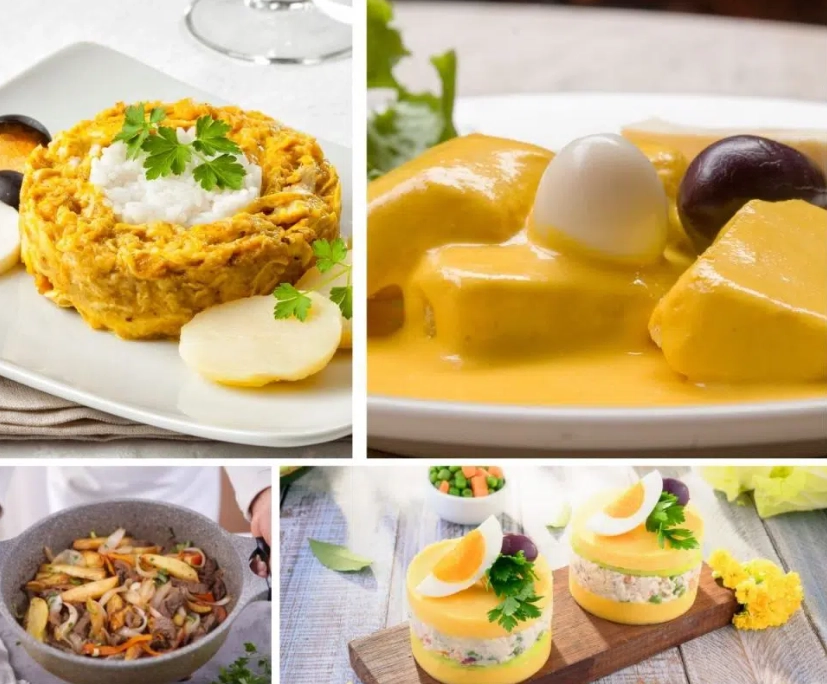
What Are Common Mistakes When Making Peruvian Recipes?
After teaching these recipes for years, I see the same errors repeatedly.
Using bottled lime juice for ceviche. It has preservatives that alter the chemical "cooking" process of the fish and tastes flat. Fresh limes are non-negotiable.
Substituting aji amarillo with generic "chili powder" or sriracha. The flavor profile is completely different. It will not taste Peruvian. Order the paste online—it keeps for months in the fridge.
Overcooking the beef in Lomo Saltado. It's a stir-fry, not a stew. The beef should be seared quickly over the highest heat to stay tender. If you simmer it in the sauce, it turns tough.
Not rinsing the red onions for ceviche. A quick soak in ice water takes the raw, pungent bite out and leaves a pleasant crispness. It makes a huge difference.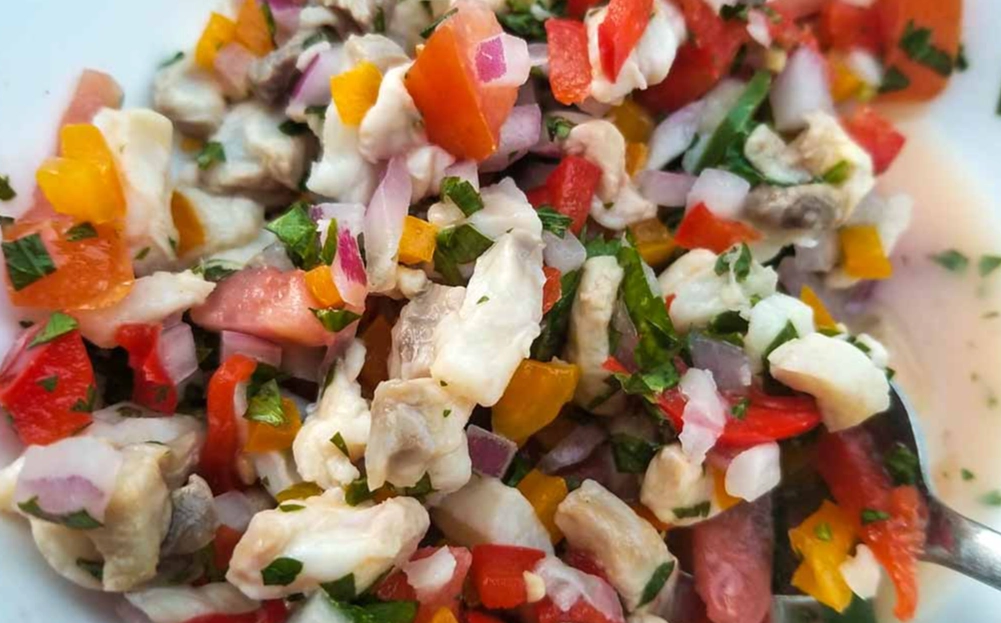
Your Peruvian Cooking Questions, Answered
 What's a good vegetarian substitute for the chicken in Aji de Gallina?
 Where can I learn more about traditional Peruvian cooking techniques?