Let's be honest. The idea of cooking venison can be intimidating. You've probably heard the horror stories: meat as tough as leather, a wild, gamey flavor that's impossible to mask, a cooking process shrouded in mystery. I get it. My first attempt years ago was a disaster—a beautiful backstrap I managed to turn into a dry, chewy disappointment. But here's the truth I learned through trial, error, and talking to real hunters and chefs: venison is one of the most rewarding proteins you can cook. When you treat it right, it's lean, deeply flavorful, and incredibly versatile. This guide isn't just a collection of venison recipes; it's the manual I wish I'd had. We're going to strip away the complexity and give you the confidence to cook deer meat perfectly, every single time.
What's Inside This Guide
Knowing Your Venison Cuts: A Quick-Reference Chart
This is where most beginners trip up. You can't cook a shank like a loin. Venison is much leaner than beef, with almost no intramuscular fat marbling. That means each cut has a very specific job. Think of it like assigning tasks—you want the right tool for the job.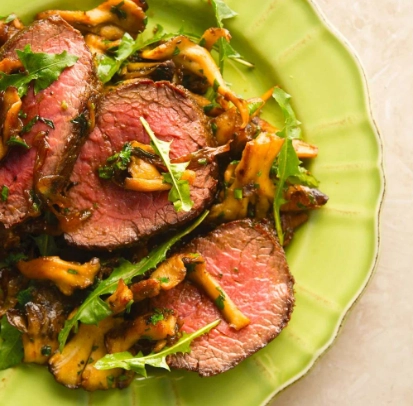
If you're buying from a butcher or a service like Broken Arrow Ranch or D'Artagnan, they'll label the cuts. If you have a hunter in the family, ask them! Here’s the breakdown you need:
| Cut of Venison | Characteristics & Texture | Best Cooking Methods | Beginner-Friendly? |
|---|---|---|---|
| Backstrap / Loin | The prime cut. Extremely tender, lean, and mild in flavor. The venison equivalent of filet mignon or New York strip. | Quick, high-heat: Pan-searing, grilling, roasting. Cook to medium-rare at most. | Yes. This is the easiest and most forgiving for quick-cook methods. |
| Tenderloin | Even more tender than the backstrap, if you can believe it. Small, delicate, and prized. | Very quick searing or roasting. Can be cooked whole or as medallions. | Yes, but be careful not to overcook due to its small size. |
| Shoulder / Chuck | Tough, flavorful, and contains connective tissue. Requires patience. | Slow, moist cooking: Braising, stewing, pot roasting, slow-cooking. The connective tissue melts into gelatin, creating incredible richness. | Yes, if you're patient. Hard to mess up with long, slow cooking. |
| Shank | The toughest cut, loaded with collagen and rich flavor from the leg. | Braising is the only way. Think osso buco. Needs hours of gentle simmering. | Intermediate. Requires a good braising technique. |
| Ground Venison | Usually a mix of trimmings. Very lean, so it can dry out. | Best mixed with a bit of fat (like bacon or pork) for burgers, meatballs, chili, or Bolognese sauce. | Very Yes. Extremely versatile and familiar. |
| Ribs | Not like pork ribs. Very little meat, mostly bone and membrane. | Slow roasting or braising first, then a quick glaze and broil/grill. | No. For enthusiasts only due to the low yield and tricky prep. |
See that last column? If you're new to this, start with backstrap or ground venison. They offer the highest success rate and will build your confidence. The shoulder is also fantastic for a weekend project—just give it the time it demands.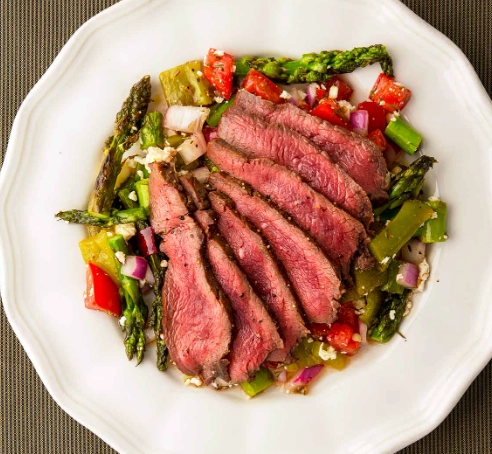
The Non-Negotiable Prep Work: Tenderizing and Flavor
You've got your cut. Now, the magic (or the mistakes) happen before the meat even hits the pan. Skipping these steps is the single biggest error I see.
1. Dealing with the "Gamey" Taste
That wild, sometimes metallic flavor comes from two things: fat and blood. Venison fat doesn't render well and tastes strong. Silver skin (that silvery membrane on some cuts) is pure connective tissue and is chewy.
Action Plan: Trim ALL visible fat and silver skin with a sharp, flexible boning knife. Be ruthless. For ground venison, ask if it's been trimmed. For stew meat, do your best. This step alone improves the flavor by about 70%.
2. The Marinade & Brine Debate
Most articles will tell you to marinate venison. I'm going to give you a more nuanced take.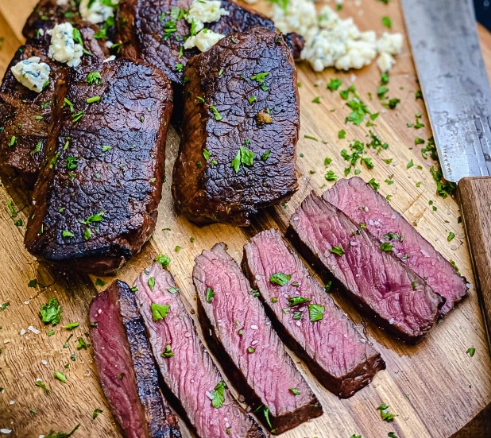
- For tender cuts (loin, backstrap, tenderloin): Skip the acidic marinade (wine, vinegar). Acid can start to "cook" and toughen the exterior of these delicate muscles. Instead, use a dry brine. Generously salt the meat 1-4 hours before cooking, leave it uncovered in the fridge. This seasons it deeply and helps it retain moisture.
- For tough cuts (shoulder, shank): An acidic marinade can be helpful to break down fibers slightly. But honestly, for these cuts, the long, slow cooking process does all the tenderizing you need. A flavorful braising liquid is more important than a pre-marinade.
- The Secret Weapon: For any cut, but especially steaks, try a yogurt or buttermilk marinade (12-24 hours). The enzymes and lactic acid work wonders on tenderness and mellow flavor without making the surface mushy. Rinse and pat very dry before cooking.
3. The Temperature Rule
Get your meat out of the fridge 30-60 minutes before cooking. Cooking ice-cold meat guarantees a burnt outside and a raw, cold inside. Let it come closer to room temperature for even cooking.
How to Cook Venison: Heat, Time, and Technique
This is where we put theory into practice. Remember: Low fat content = high risk of dryness. Your goal is to preserve moisture.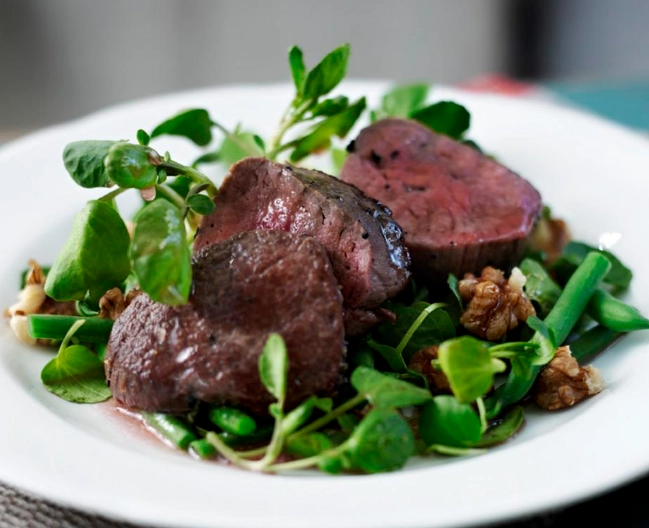
Pan-Searing the Perfect Venison Steak
This is for backstrap, tenderloin, or any steak cut.
- Dry it: Pat the steak completely dry with paper towels. Moisture is the enemy of a good sear.
- Hot pan: Use a heavy skillet (cast iron is king). Get it screaming hot with a high-smoke-point oil (avocado, grapeseed).
- Sear: Add the steak. Don't touch it for 2-3 minutes to form a gorgeous crust. Flip, sear the other side.
- Butter baste (optional but glorious): Reduce heat, add butter, crushed garlic, and herbs like rosemary. Tilt the pan and spoon the foaming butter over the steak for a minute.
- Rest: This is not optional. Transfer to a plate, tent loosely with foil, and let it rest for at least 5-8 minutes. The juices redistribute. If you cut it open immediately, all the flavor runs onto the board.
Target internal temperature: 125-130°F (52-54°C) for medium-rare. Use an instant-read thermometer. It will carry over to 135°F (57°C) while resting. Do not cook venison well-done. It will be dry and tough.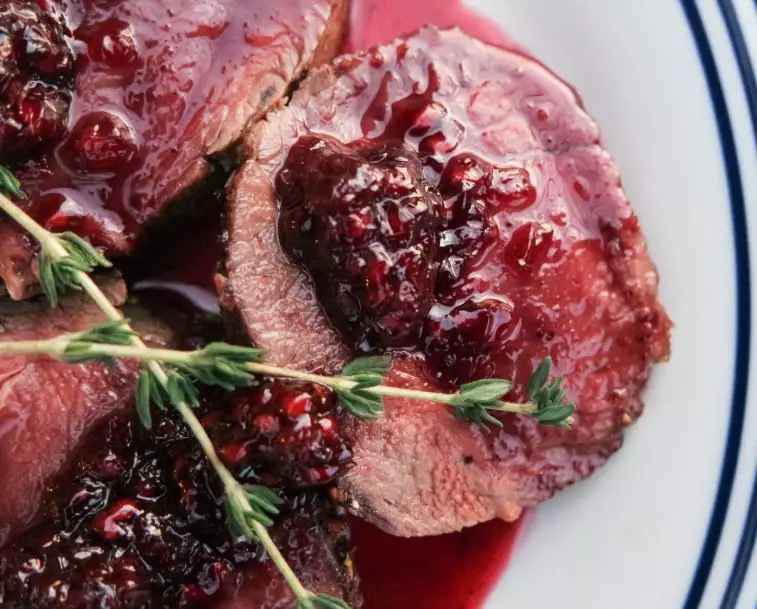
Slow-Roasting or Braising Tough Cuts
For shoulder, shank, or neck.
Brown the meat well in your Dutch oven first. That's flavor. Then, add aromatic vegetables (onion, carrot, celery), cover the meat about 2/3 with a flavorful liquid—red wine, beef or venison stock, maybe some tomatoes. Bring to a bare simmer on the stovetop, then cover and transfer to a 300°F (150°C) oven. Forget about it for 3-4 hours. It's done when you can shred it easily with a fork. The liquid becomes your sauce. This method is virtually foolproof.
3 Can't-Miss Venison Recipes for Any Night
Let's get specific. Here are three blueprints that work.
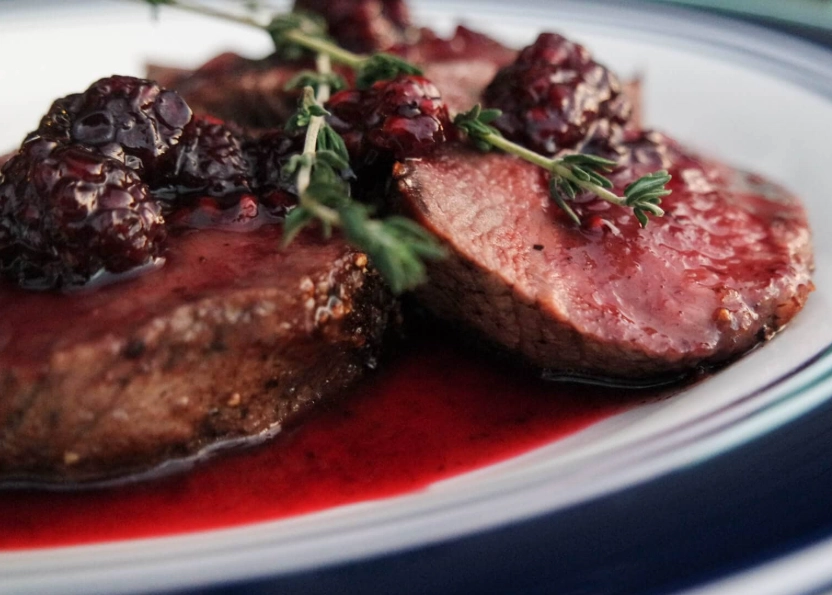
1. Simple Pan-Seared Venison Backstrap with Red Wine Sauce
The Goal: Showcase the quality of the meat with minimal fuss.
For two people: One 12-16 oz backstrap, trimmed. Salt, pepper, 2 tbsp oil, 2 tbsp butter, 2 cloves garlic (smashed), 2 sprigs rosemary, 1/2 cup red wine, 1/2 cup beef stock.
Dry brine the backstrap with salt for an hour. Pat dry, pepper heavily. Sear in hot oil as described above, adding butter, garlic, and rosemary to baste. Remove meat to rest. In the same pan, pour off excess fat, add red wine to deglaze (scrape up the browned bits—that's flavor). Let it reduce by half. Add beef stock, reduce until slightly thickened. Slice the rested backstrap against the grain, spoon sauce over.
2. "Set It and Forget It" Slow-Cooked Venison Chili
The Goal: Hearty, hands-off comfort food perfect for ground venison.
Brown 2 lbs of ground venison (mixed with 1/4 lb ground pork if you like) in a skillet. Drain any excess fat. Transfer to a slow cooker. Add 1 diced onion, 1 diced bell pepper, 3 minced garlic cloves, 2 cans (15 oz) kidney beans (drained), 1 can (28 oz) crushed tomatoes, 2 tbsp chili powder, 1 tbsp cumin, 1 tsp smoked paprika, salt, and pepper. Stir. Cook on LOW for 6-8 hours. The long cook melds the flavors and ensures the lean meat stays moist.
3. Classic Venison Bourguignon
The Goal: A show-stopping, company-worthy French stew using a tough cut.
Cut 3 lbs of venison shoulder into 2-inch chunks, pat dry. Brown in batches in a Dutch oven in oil. Remove. In same pot, cook 8 oz bacon lardons until crisp, remove. Sauté 1 lb pearl onions and 1 lb mushrooms (quartered) until browned. Return meat and bacon to pot. Add 3 tbsp flour, stir for 1 minute. Pour in a full bottle of dry red wine (like Pinot Noir) and enough beef stock to just cover the meat. Add a bouquet garni (thyme, bay leaf, parsley stems tied together). Bring to a simmer, cover, and place in a 325°F (160°C) oven for 3 hours until meat is fork-tender. Skim fat, adjust seasoning. Serve over mashed potatoes.