Let's talk about orange curd. You know, that luscious, tangy-sweet spread that's sunshine in a jar. Most recipes online give you the basics: juice, sugar, eggs, butter. But they often skip the why behind the steps, leaving you with a curd that's too runny, grainy, or just bland. After years of testing (and a few disappointing batches), I've nailed down a method that works every single time. This isn't just a list of ingredients; it's the blueprint for a vibrant, silky-smooth orange curd that will make your scones, cakes, and morning toast infinitely better.
What's Inside This Guide?
What You'll Need: Ingredients & Substitutions
Quality matters here, but you don't need anything fancy. The magic is in the balance.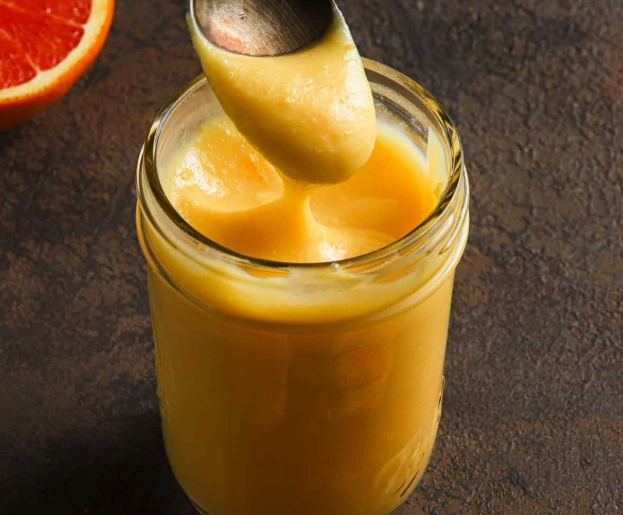
For about 2 cups of perfect orange curd:
- Fresh Orange Juice & Zest: 1 cup (240ml) freshly squeezed juice and the zest of 2-3 large oranges. This is non-negotiable. Bottled juice lacks the bright, volatile oils and acidity you need. Navel oranges are reliable, but for an incredible flavor boost, seek out Cara Cara or blood oranges when in season.
- Granulated Sugar: 3/4 cup (150g). Sugar does more than sweeten; it tenderizes the proteins in the eggs, preventing a rubbery texture.
- Large Eggs: 3 whole eggs + 2 egg yolks. The extra yolks are your secret weapon for an ultra-rich, custardy body. Don't waste the whites—make a pavlova or meringues.
- Unsalted Butter: 6 tablespoons (85g), cut into small cubes and chilled. Cold butter added at the end stops the cooking process and creates that signature velvety emulsion. Salted butter can work in a pinch, but you lose control over the final saltiness.
- Lemon Juice: 1 tablespoon (15ml). A pro trick. The extra acid from a bit of lemon sharpens the orange flavor and helps the curd set more firmly. Trust me on this one.
- A Pinch of Salt: Just a pinch to balance the sweetness and make the citrus pop.
What if you're missing something? Here's a quick swap guide.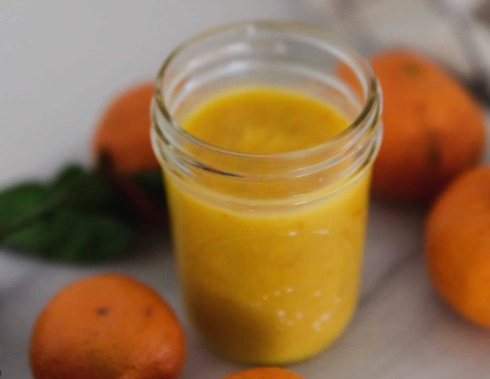
| Ingredient | Best Substitute | Note |
|---|---|---|
| Fresh Orange Juice | High-quality, not-from-concentrate juice. Or use tangerine/mandarin juice. | Flavor will be less complex. Avoid "orange drink." |
| Granulated Sugar | Caster/superfine sugar. | Dissolves faster, but granulated works fine. |
| Whole Eggs + Yolks | 4 whole eggs. | Curd will be slightly less rich and a bit paler in color. |
| Unsalted Butter | Salted butter. | Omit the added pinch of salt. |
The Foolproof Step-by-Step Method
This is a stovetop, double-boiler style method. It's slower than direct heat, but it gives you total control and virtually eliminates scrambling the eggs.
Prep Work is 80% of the Battle
Zest your oranges first, before juicing. It's easier. Juice them, making sure to strain out any pulp or seeds. Measure everything out and have it by the stove. This "mise en place" is critical because once you start cooking, you can't walk away.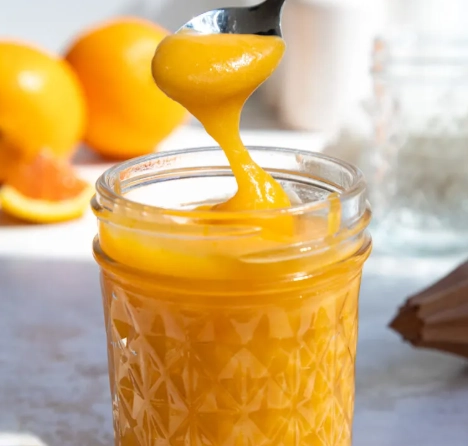
The Gentle Cooking Process
- Combine & Whisk: In a heatproof bowl (stainless steel or glass), whisk together the orange juice, zest, sugar, eggs, egg yolks, lemon juice, and salt until completely smooth. No streaks of egg white should remain.
- Create a Double Boiler: Place the bowl over a saucepan of simmering water, making sure the bottom of the bowl does not touch the water. This is your gentle, indirect heat source.
- Cook & Stir Constantly: Now, stir. And keep stirring. Use a silicone spatula or a flat-bottomed whisk. Scrape the sides and bottom continuously. We're aiming for a slow, even thickening. This will take 10-15 minutes. Patience is key. You'll know it's ready when the mixture coats the back of a spoon, and you can draw a clear line through it with your finger.
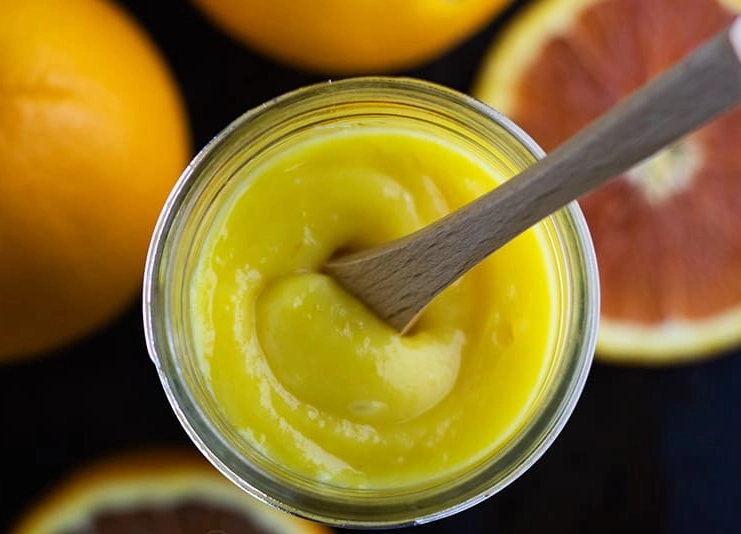
- The Butter Finish: Remove the bowl from the heat. Immediately start adding the cold butter cubes one at a time, whisking until each is fully melted and incorporated before adding the next. This step cools the curd and creates that luxurious, glossy finish.
Pour your finished orange curd into clean jars. Press a piece of plastic wrap directly onto the surface to prevent a skin from forming. Let it cool to room temperature before refrigerating.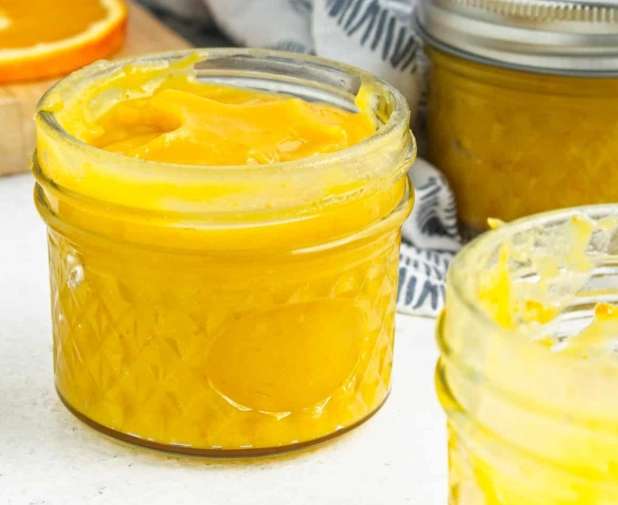
How to Fix Common Orange Curd Problems
Things don't always go perfectly. Here's how to diagnose and rescue your batch.
Curd is too runny: It likely didn't cook long enough. The eggs didn't reach their full thickening power. You can pour it back into the double boiler and cook it for a few more minutes, stirring constantly. It will thicken more as it chills, but only marginally.
Curd is grainy or has bits of cooked egg: You overheated it or didn't stir enough. Don't panic. Strain the warm curd through a fine-mesh sieve into a bowl before adding the butter. This will catch all the solids, leaving you with a smooth texture. The sieve is your best friend.
Curd tastes bland or "eggy": Not enough citrus punch or possibly old eggs. The lemon juice is crucial here to balance the sweetness and brighten the orange. Next time, add an extra tablespoon of lemon juice or a bit more zest. Always use the freshest eggs you can for the cleanest flavor.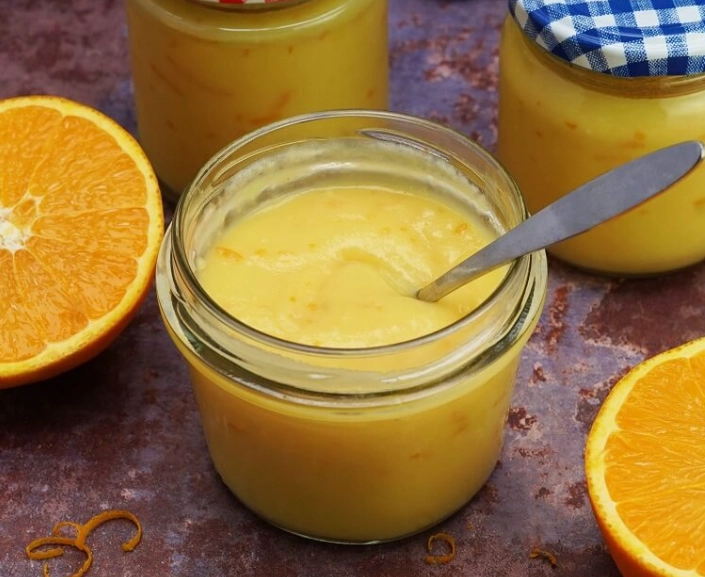
Storing Your Curd & Creative Ways to Use It
Properly stored in an airtight container in the fridge, homemade orange curd will last for up to 2 weeks. You can also freeze it for up to 3 months—thaw overnight in the fridge.
Now, what to do with it? Beyond slathering it on toast...
- Layer it in a parfait with yogurt and granola.
- Swirl it into cheesecake batter before baking.
- Use it as a cake filling for Victoria sponge or between layers of a white cake.
- Fold a spoonful into whipped cream for an instant fruit fool.
- Dollop it on pancakes or waffles instead of syrup.
- Fill pre-baked tart shells and top with fresh berries.
It's incredibly versatile. A jar in your fridge is like a secret weapon for instant dessert upgrades.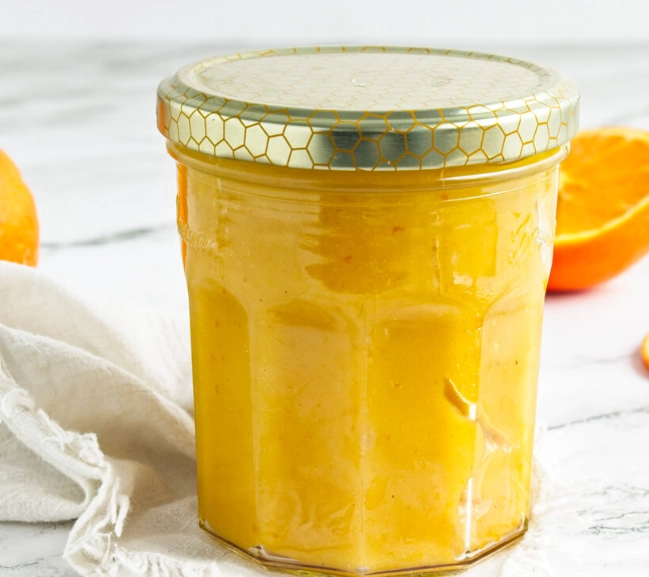
Your Orange Curd Questions, Answered
Making perfect orange curd isn't about complex techniques; it's about understanding a few simple principles and having the patience to let them work. Start with the best oranges you can find, respect the gentle heat, and don't rush the butter. The result is worth every minute—a homemade preserve that captures the essence of sunshine.