Let's talk about taho syrup. If you've ever had authentic Filipino taho—that warm, silky soy pudding topped with sweet syrup and sago pearls—you know the syrup isn't just an afterthought. It's the soul of the dish. A bad syrup makes bland taho. A great one? Pure comfort in a cup. Yet, most recipes online gloss over it, giving you a basic "mix sugar and water" instruction that often leads to a watery, overly sweet, or crystallized mess. After years of trial and error (and more than a few failed batches), I've nailed down a method that consistently delivers that perfect, glossy, deeply flavored syrup that clings to the tofu just right. This guide is about sharing that, going beyond the basics to cover the why and how, so you never have a disappointing taho breakfast again.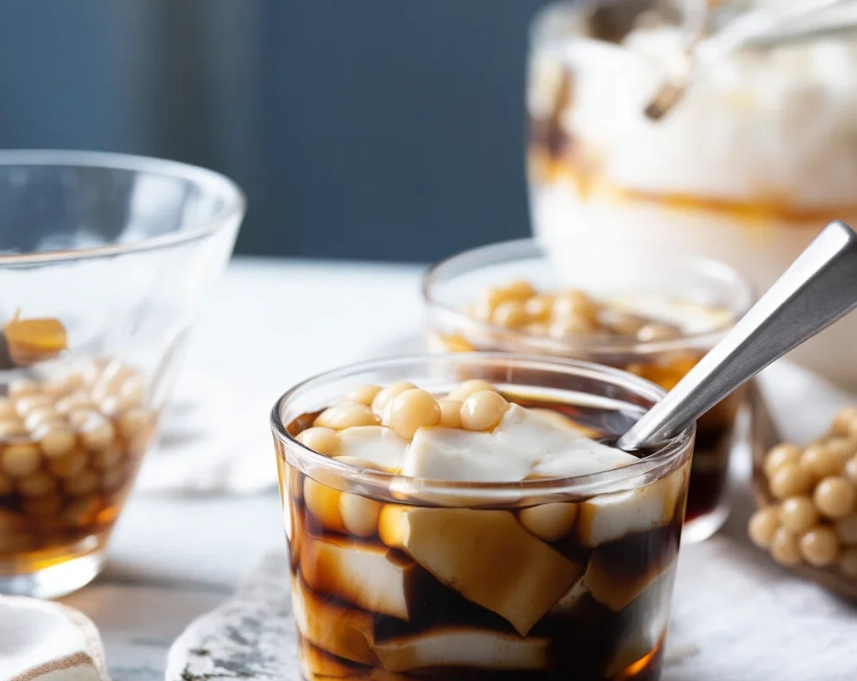
What's Inside This Taho Guide?
The Only Two Ingredients You Really Need
Simplicity is key here. You only need two things, but choosing the right ones makes all the difference.
| Ingredient | What to Use & Why | What to Avoid |
|---|---|---|
| Brown Sugar | Dark Muscovado or Philippine Muscovado: This is the non-negotiable secret. Its high molasses content gives the syrup its signature deep caramel color, rich toffee-like flavor, and thick, luxurious body. It's what makes taho syrup taste like taho syrup, not just sweet water. | Light brown sugar or "golden" sugar. They lack the molasses punch, resulting in a pale, one-dimensionally sweet syrup. White granulated sugar is a complete no-go—it will taste flat and look wrong. |
| Water | Filtered or regular tap water. The amount is critical for controlling thickness. A standard 1:1 ratio (sugar to water by volume) is a good start, but I prefer a slightly thicker 1:0.8 ratio for a syrup that really coats. | Using too much water. This is the #1 reason homemade syrup ends up thin and runny. Measuring by weight (grams) is more accurate than cups for consistency. |
Some recipes add vanilla or pandan. They're nice for variation, but for the classic taste, just sugar and water, done right, is unbeatable. The quality of your brown sugar is 90% of the battle. Look for brands that are sticky, moist, and smell intensely of molasses. According to the Philippine Department of Agriculture, genuine muscovado retains most of its natural minerals, which contributes to its complex flavor profile—something refined white sugar completely lacks.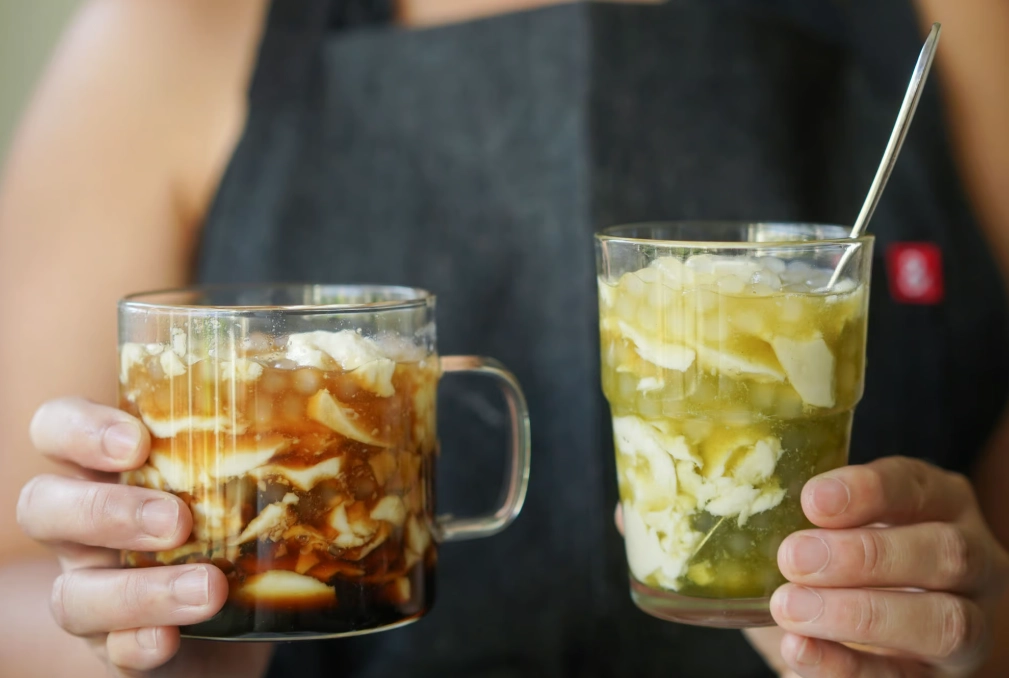
My Foolproof Step-by-Step Cooking Process
Here's where most people slip up. It's not just about boiling; it's about controlling the boil.
The Perfect Taho Syrup Recipe
Yield: Enough for 4-6 servings of taho
Prep: 2 minutes | Cook: 10-15 minutes
Step 1: Combine Cold. In a heavy-bottomed saucepan, combine 1 cup (packed) of dark muscovado sugar and 3/4 cup + 2 tablespoons of water. Why start cold? It gives the sugar time to dissolve evenly before heating, preventing gritty crystals from forming later. Stir it a few times.
Step 2: Dissolve, Don't Boil (Yet). Place the pan over medium heat. Stir occasionally until the sugar is completely dissolved and the liquid is clear. This takes 3-4 minutes. Do not let it boil at this stage. If you see undissolved sugar granules on the spoon, keep stirring.
Step 3: The Controlled Simmer. Once clear, stop stirring. Bring the mixture to a boil, then immediately reduce the heat to maintain a steady, gentle simmer. You should see small bubbles consistently breaking the surface, not a violent roll. This is crucial.
Step 4: The Waiting Game. Let it simmer, uncovered and unstirred, for 8 to 12 minutes. Stirring now can cause crystallization. You'll see the bubbles get slightly larger and the syrup visibly thicken. To test, dip a spoon in, let it cool for a second, then check the coating. It should coat the back of the spoon in a thin, glossy layer.
Step 5: The Cool Down. Remove from heat. The syrup will continue to thicken as it cools. Let it sit in the pan for 5-10 minutes before using. It should have the consistency of warm maple syrup—thick enough to cling, but fluid enough to drizzle.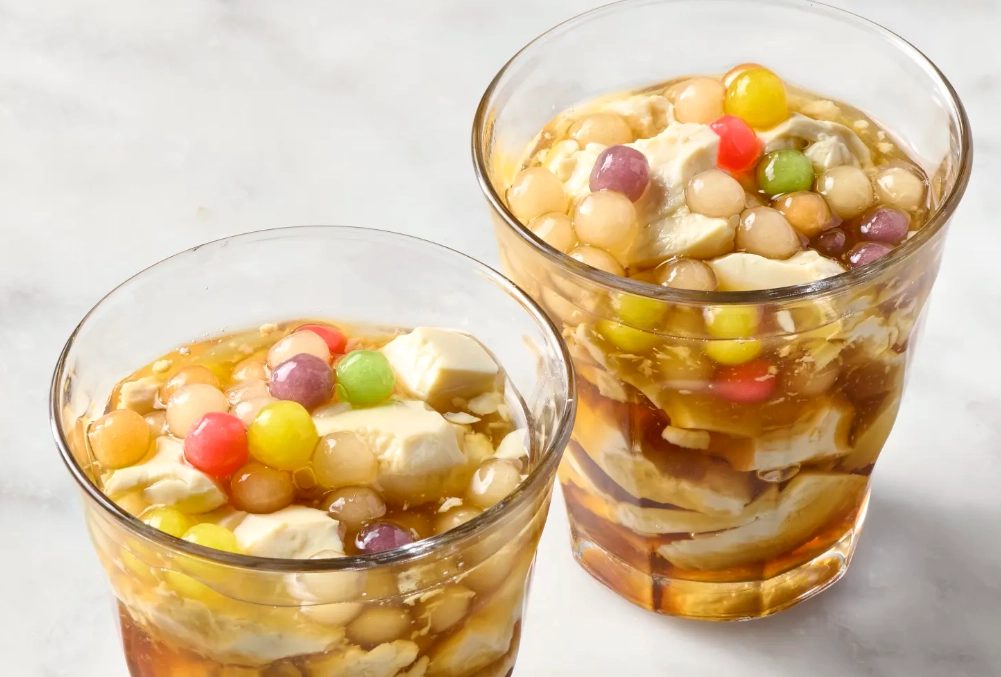
3 Common Taho Syrup Mistakes (And How to Fix Them)
I've made these so you don't have to.
Mistake 1: The Watery Syrup. You pour it on the taho and it just sinks to the bottom, leaving the tofu bare. Cause: Too much water in the ratio, or not simmering long enough. Fix: Use the 1:0.8 sugar-to-water ratio and simmer for the full time until it passes the spoon test. If it's already made, you can pour it back into a pan and simmer it down for a few more minutes to reduce.
Mistake 2: The Rock Candy Syrup. It crystallizes in the jar, turning into a grainy, solid mass. Cause: Stirring after the boil has started, or getting sugar crystals on the sides of the pan early on. Fix: Don't stir once it's boiling. Also, after combining the sugar and water, you can brush down the sides of the pan with a wet pastry brush to dissolve any stray sugar crystals before turning on the heat.
Mistake 3: The Burnt Bitter Syrup. It tastes acrid and looks darker than intended. Cause: Heat too high, especially with a thin pan. Muscovado sugar burns easily. Fix: Use medium to medium-low heat and a heavy-bottomed pan for even heat distribution. Never walk away from it.
Beyond Basic: Flavor Variations to Try
Once you've mastered the classic, play around.
Pandan Taho Syrup: Add 2-3 knotted pandan leaves to the pot with the sugar and water. Remove them after cooking. It gives a beautiful, fragrant, grassy aroma that's incredibly popular.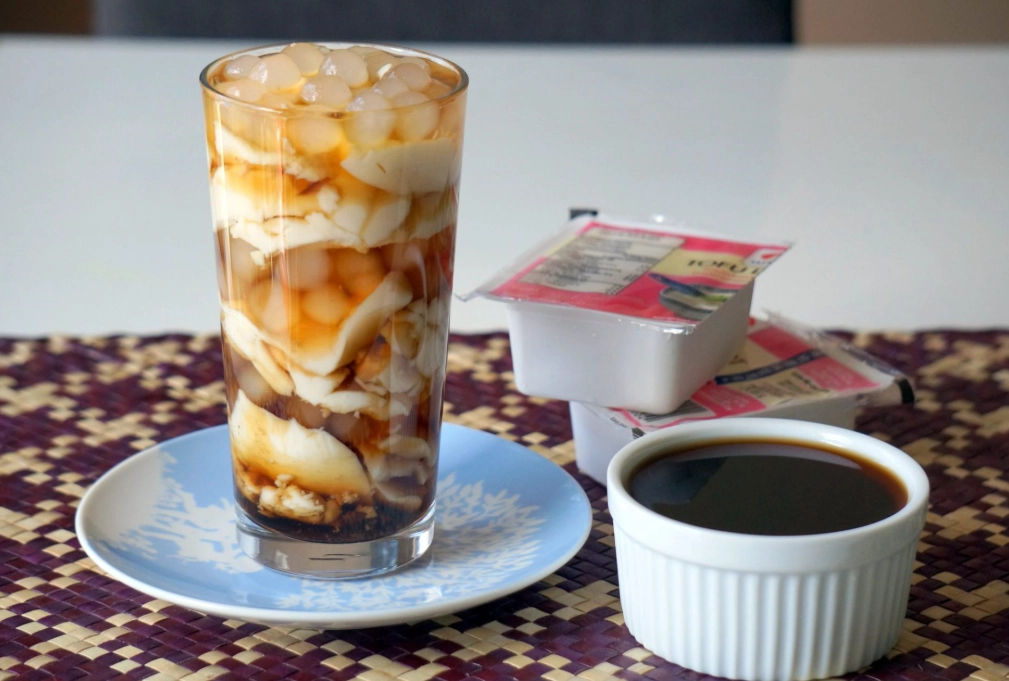
Ginger-Infused Syrup: Add a 1-inch piece of smashed ginger during the simmer. Strain it out at the end. The spicy warmth cuts through the sweetness perfectly on a chilly morning.
Vanilla Bean Syrup: Split a vanilla bean pod and scrape the seeds into the mixture before heating. It adds a luxurious, floral depth. A teaspoon of good vanilla extract works in a pinch, but add it after removing from heat to preserve its flavor.
How to Store Your Syrup and Keep It Perfect
You can make a batch ahead. Let the syrup cool completely, then pour it into a clean glass jar or bottle. Seal it tightly.
It will keep at room temperature for about a week. For longer storage (up to a month), refrigerate it. The cold will make it very thick. To use, simply place the jar in a bowl of hot water for a few minutes, or microwave it in short bursts (without the lid) until it's pourable again.
If you see mold, toss it. But if it just crystallizes a bit, gently reheat it with a tablespoon of water, stirring until clear again.
Your Taho Syrup Questions, Answered
 My syrup hardened in the fridge. Did I ruin it?