Quick Navigation
- First Things First: Understanding Your Foie Gras
- Method 1: Pan-Seared Foie Gras (The Quick Showstopper)
- Method 2: Foie Gras Terrine (The Make-Ahead Centerpiece)
- Method 3: Foie Gras Torchon (The Chef's Challenge)
- Foie Gras Recipe FAQ: Answering Your Real Questions
- Choosing Your First Foie Gras Recipe: A Quick Comparison
- Final Thoughts Before You Start
Let's be honest. The first time you think about making foie gras, it feels a bit intimidating. It's that thing you order at a fancy restaurant for a small fortune, cooked by chefs who seem to possess some ancient culinary secret. I remember staring at a whole lobe of duck foie gras I'd splurged on, feeling a mix of excitement and pure panic. What if I ruined it? That's a lot of money down the drain.
But here's the truth I learned after plenty of trial and error (and yes, a couple of less-than-perfect results): cooking foie gras is more about technique and patience than magic. If you can sear a steak or follow steps for a pâté, you can absolutely handle this. This guide isn't about fluff or food snobbery. It's about giving you the clear, practical steps you need to transform that luxurious ingredient into something incredible in your own kitchen. We'll cover the three main ways you'll want to tackle a foie gras recipe: the quick and glorious pan-sear, the classic terrine, and the elegant torchon. By the end, you'll know exactly which method suits your skill level and occasion.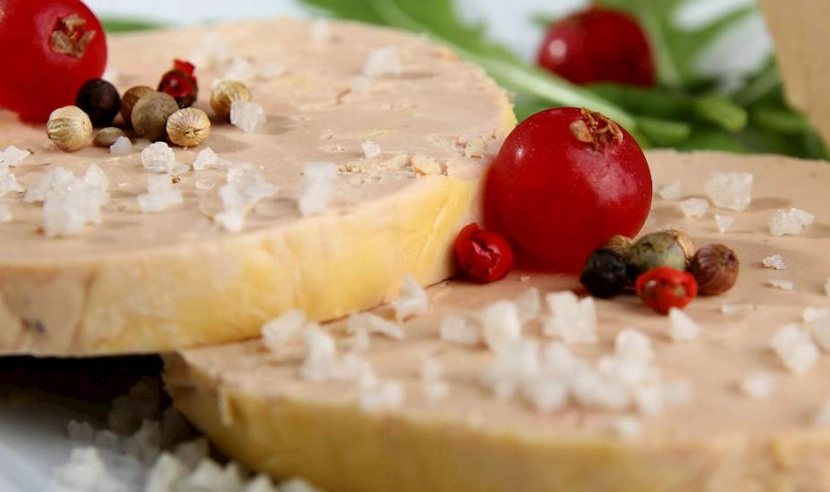
First Things First: Understanding Your Foie Gras
You can't follow a great foie gras recipe if you don't start with the right product. Walking into a specialty shop or ordering online can be confusing. Is duck or goose better? What's a lobe versus a block? Let's clear that up.
Duck foie gras is more common, has a stronger, more robust flavor, and is what you'll find in most modern recipes. Goose foie gras is more traditional, especially in French terrines, and is often described as having a subtler, richer taste. For a home cook, high-quality duck foie gras is more accessible and forgiving. You'll typically buy it as a whole, raw lobe (which looks like a large, beige-pink lump) or as pre-sliced medallions. For terrines and torchons, you need the whole lobe. For pan-searing, you can use either a whole lobe you slice yourself or pre-cut medallions.
When you get your foie gras, it should feel firm but supple, have a uniform color, and a clean, slightly sweet smell. Any greenish tinges or overly strong odors are bad signs. The French have an entire grading system for this stuff, which you can read about on sites like the CIFOG (Interprofessional Committee of Foie Gras) website, the official industry group. For us, just look for Grade A or "Extra" if it's specified.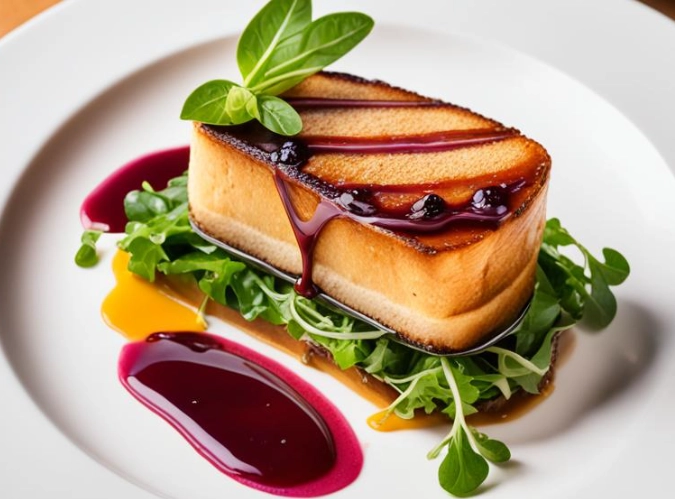
The Essential Prep: Cleaning and Deveining
This is the step most beginners dread, and it's where many foie gras recipes gloss over the details. It's not hard, but it requires a gentle touch. The veins are what they sound like—thin blood vessels running through the lobe. If you leave them in, they can create unpleasant textures and bitter flavors when cooked.
Here's my method: let the lobe sit at room temp for about 30-45 minutes until it's just pliable, not soft and greasy. Use your fingers to gently separate the two main lobes. You'll see the veins. With a small paring knife (dipped in hot water for cleaner cuts) and your fingers, carefully tease them out. Don't be a perfectionist—get the big ones, and don't worry about every tiny filament. You'll lose some fat, which you should save! That liquid gold is amazing for cooking potatoes or eggs later.
Method 1: Pan-Seared Foie Gras (The Quick Showstopper)
This is the gateway foie gras recipe. It's fast, it's dramatic, and it delivers that iconic crispy-on-the-outside, melting-on-the-inside experience in minutes. Perfect for a special appetizer.
The principle is simple: high heat, minimal time. You're not cooking it through; you're creating a beautiful crust. Slice your cleaned lobe into 3/4-inch thick medallions. Pat them incredibly dry with paper towels. This is non-negotiable for a good sear. Season generously with just salt and pepper right before they hit the pan—salting too early draws out moisture.
Use a very hot, heavy skillet (cast iron is perfect). No oil or butter needed—the foie gras is pure fat. Place the slices in, and don't touch them for about 60-90 seconds. You'll see the fat rendering. Once they have a deep golden-brown crust, flip them carefully. Cook for another 60 seconds on the other side. That's it. Immediately transfer them to a warm plate lined with a paper towel to drain excess fat for a second, then serve.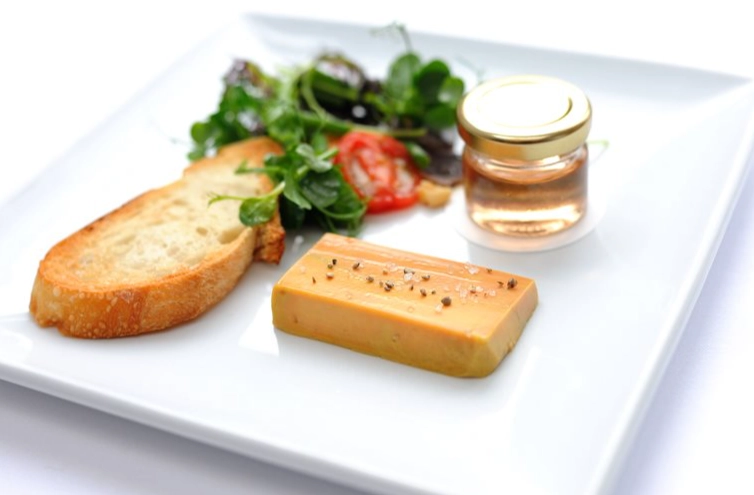
My Go-To Pan-Seared Foie Gras Recipe & Serving Ideas
The Basic Formula: Hot pan, dry slices, salt, 90 seconds per side, rest. Serve immediately.
But what do you serve it with? You need something to cut the richness. Here are my favorites, ranked by how often I make them:
- Classic Balsamic Glaze & Toasted Brioche: Unbeatable. The sweet-tart reduction and buttery bread are the perfect foil.
- Caramelized Stone Fruit: Peaches, figs, or cherries cooked down with a little butter and honey. Amazing in summer.
- Apple & Calvados Compote: A French classic. Tart apples, a splash of apple brandy, a hint of thyme.
- Simple Greens with a Sharp Vinaigrette: A small pile of frisée or arugula with a mustardy dressing right under the seared slice. It's lighter and lets the foie gras shine.
What about wine? A Sauternes is the legendary pairing, but a good late-harvest Riesling or even a rich Champagne works wonders. The key is sweetness and acidity to balance the fat.
Method 2: Foie Gras Terrine (The Make-Ahead Centerpiece)
If a pan-seared foie gras recipe is a sprint, making a terrine is a marathon of patience. But the reward is a stunning, sliceable masterpiece that you can keep in the fridge for days (weeks, even) and impress guests with. It's a process of seasoning, pressing, and slow, gentle cooking.
The core idea is to pack the cleaned, seasoned foie gras into a mold (a terrine dish or even a small loaf pan), cook it in a water bath at a very low temperature until just set, then press it under weight as it chills. This pressing is what gives it that dense, uniform texture.
A Step-by-Step Walkthrough for a Simple Terrine
After cleaning, season the lobes well with salt, pepper, and maybe a splash of cognac or Sauternes. Let it marinate in the fridge for a few hours or overnight.
Pack the lobes tightly into your terrine mold, pushing out any air pockets. Cover with foil or the terrine lid.
Preheat your oven to around 95°C (200°F). Place the terrine in a deep roasting pan and fill the pan with hot water until it comes halfway up the sides of the terrine. This water bath (bain-marie) is crucial for gentle cooking.
Bake until the internal temperature hits 46-48°C (115-118°F). This can take 45-90 minutes depending on size. Use a probe thermometer—guessing here is a recipe for disaster (either undercooked mush or overcooked, grainy pâté).
Once it hits temp, take it out of the water bath. You'll see a lot of fat has rendered out. Carefully pour this fat off and save it (it's gold!). Now, the pressing stage. Place a piece of cardboard or a smaller lid wrapped in plastic wrap directly on the foie gras in the mold. Put a weight on top (a couple of cans work). Let it cool to room temperature, then refrigerate for at least 24 hours, preferably 2-3 days. The flavors meld and the texture sets perfectly.
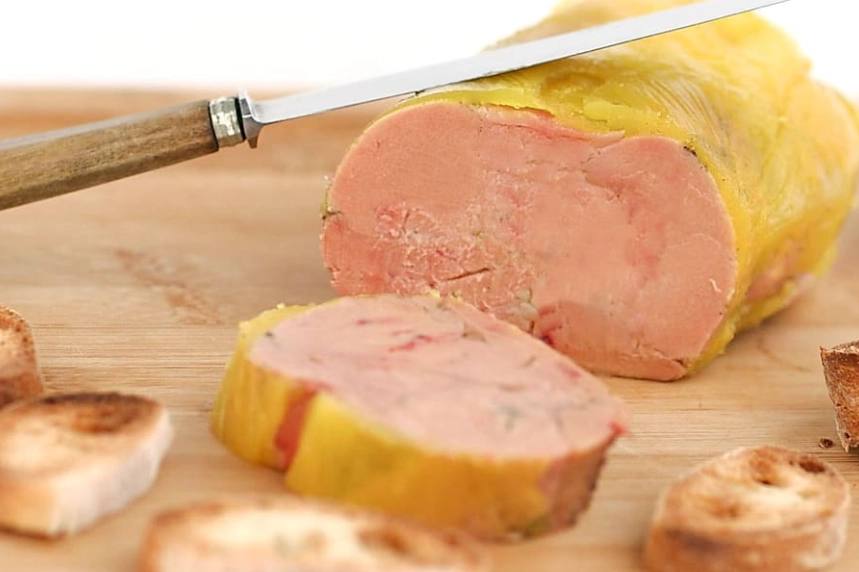
To serve, dip the mold briefly in hot water, run a knife around the edge, and invert it onto a board. Slice with a hot, wet knife for clean cuts. Serve with toast points, cornichons, and maybe a sweet onion jam.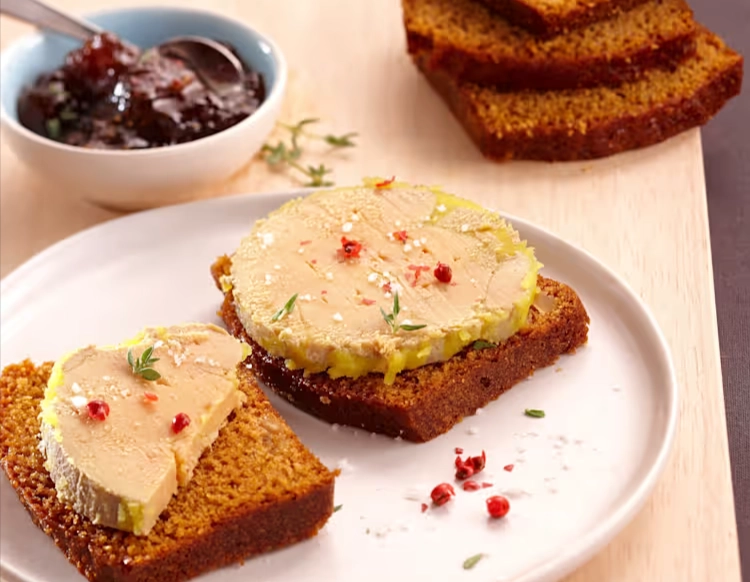
Method 3: Foie Gras Torchon (The Chef's Challenge)
The torchon is the pinnacle of foie gras recipes for the ambitious home cook. "Torchon" means dish towel in French, and that's the traditional method—wrapping the seasoned liver in a cloth, poaching it, then hanging it to chill. The result is an incredibly smooth, cylindrical log that slices into perfect rounds. It's more refined than a terrine, with a silkier texture.
It involves an extra step called "deveining and re-forming." After cleaning, you carefully open the lobe like a book to remove all veins, then you press it back together into a seamless roll. You then roll it tightly in cheesecloth, tie the ends like a Christmas cracker, and poach it in a flavorful broth (often a court-bouillon) at a very low simmer for just a few minutes. After poaching, you immediately shock it in ice water, then hang it in the fridge to drain and set.
I won't lie, my first torchon attempt was a bit lopsided and I slightly overcooked it, making it firmer than I wanted. It's a technique that rewards practice. If you're a confident cook looking for a project, it's deeply satisfying. For most people wanting to try a foie gras recipe for the first time, I'd start with pan-searing or a terrine.
Foie Gras Recipe FAQ: Answering Your Real Questions
Here are the things I actually wondered (and people ask me all the time) when I started.
Choosing Your First Foie Gras Recipe: A Quick Comparison
| Method | Best For | Skill Level | Time Commitment | Key to Success |
|---|---|---|---|---|
| Pan-Seared | A quick, impressive appetizer for a dinner party. | Beginner | 15 minutes | A screaming hot pan and perfectly dry slices. |
| Terrine | Make-ahead elegance, gifts, multiple servings over time. | Intermediate | Active: 1 hr, Inactive: 2-3 days | Precise temperature control during baking and patient pressing. |
| Torchon | A culinary project, the ultimate in texture and presentation. | Advanced | Active: 2 hrs, Inactive: 1-2 days | Gentle handling during deveining and precise poaching time. |
Final Thoughts Before You Start
Diving into a foie gras recipe is one of the more rewarding things you can do as a home cook interested in gourmet food. It demystifies something that feels exclusive. Start with the pan-sear. Get a feel for the product. Then, maybe on a quiet weekend, try the terrine.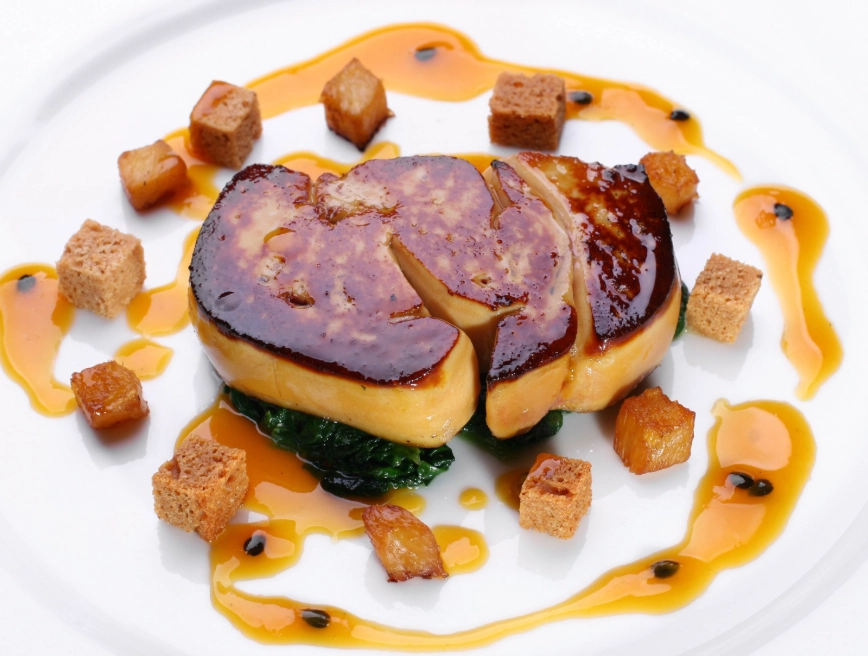
The most important ingredient isn't listed in any recipe: confidence. You can do this. Read through the steps, get your mise en place ready, and go for it. Even if it's not perfect the first time (mine wasn't), it'll probably still be delicious. And the second time? It'll be spectacular.
Remember, that rendered fat you save is liquid treasure. Don't you dare throw it away. Cook some diced potatoes in it, or fry an egg. It's the chef's bonus for a job well done.