I still remember the first time I used allspice. It was for a pumpkin pie, and I just tossed in a teaspoon because the recipe said so. The result? A pie that tasted like someone mixed cloves, cinnamon, and nutmeg into a confusing blob. It wasn’t terrible, but it wasn’t great either. That’s when I realized allspice is one of those spices everyone has in their cabinet but hardly anyone uses right. If you’ve ever stared at that jar wondering what to do with it, you’re in the right place. This guide will walk you through everything from what allspice actually is to three recipes that’ll make it your new favorite ingredient.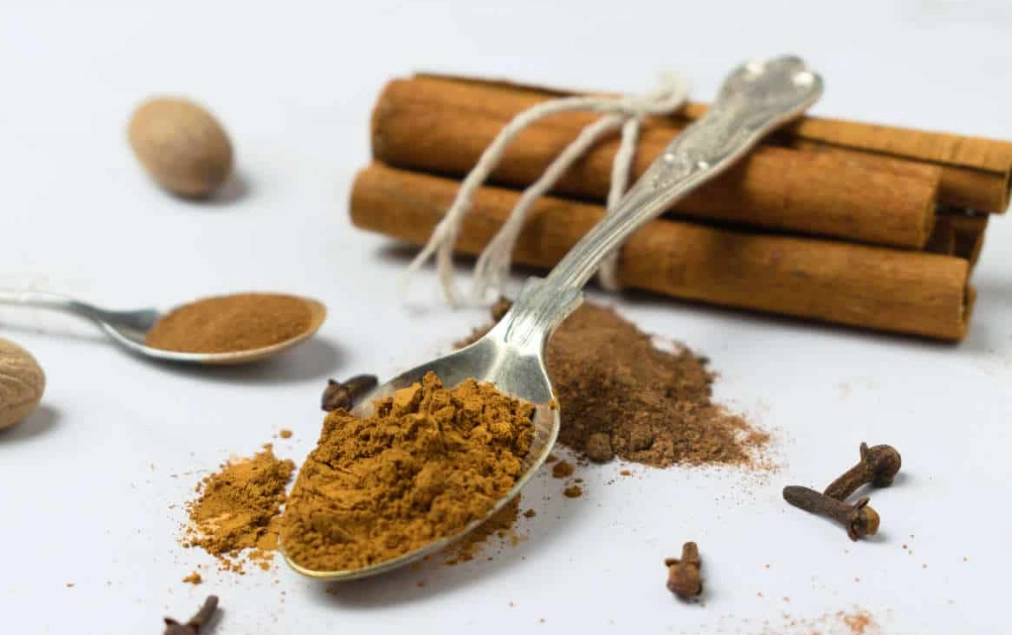
Jump to What You Need
What is Allspice? It’s Not What You Think
Let’s clear this up first: allspice isn’t a blend of spices. I know, the name is misleading. It’s actually a single berry from the Pimenta dioica tree, native to Central America and the Caribbean. When dried, it looks like a large peppercorn and packs a punch of flavor that reminds people of cinnamon, cloves, nutmeg, and pepper all at once—hence the name “allspice.” The Spice House, a well-known spice retailer, notes that its flavor profile is uniquely warm and slightly peppery, making it versatile for both sweet and savory dishes.
Most grocery stores sell it ground, but if you can find whole berries, grab them. Grinding your own allspice releases a fresher, more aromatic flavor. I made the switch years ago, and it’s like going from stale coffee beans to freshly roasted ones. The difference is night and day, especially in recipes where allspice is the star.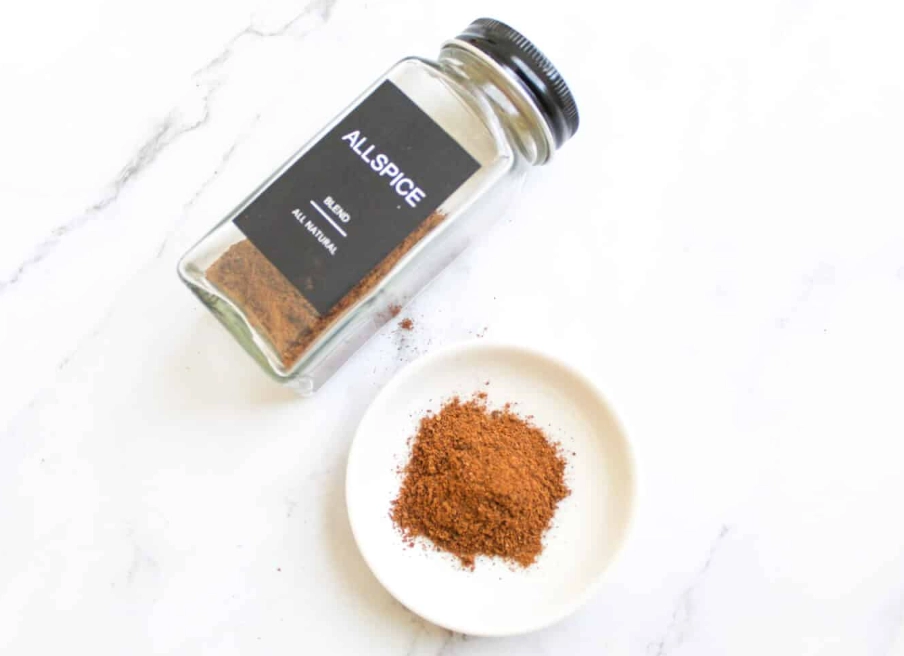
Why Allspice Deserves a Spot in Your Spice Rack
You might think allspice is just for holiday baking or Jamaican jerk chicken. That’s a common misconception. In reality, its warm, slightly sweet notes can elevate everyday cooking. Think about it: it adds depth to stews, balances the acidity in tomato sauces, and even gives a subtle kick to roasted vegetables. A study from the American Spice Trade Association highlights that allspice contains eugenol, the same compound found in cloves, which has antioxidant properties. But let’s be practical—its real value is in making your food taste better without much effort.
Here’s a quick list of dishes where allspice shines:
- Savory: Meat marinades, soups, braised dishes, and spice rubs. It’s a secret weapon in my beef stew.
- Sweet: Baked goods like pies, cakes, and cookies. It pairs beautifully with fruits like apples and pears.
- Global cuisines: Essential in Caribbean, Middle Eastern, and Scandinavian cooking. If you’ve ever had Swedish meatballs, allspice is likely in there.
I once tried skipping allspice in a mulled wine recipe, substituting with extra cinnamon and nutmeg. The drink tasted flat, almost bland. That’s when I learned allspice isn’t just a filler—it’s the glue that holds complex spice blends together.
3 Allspice Recipes You Can Make Tonight
Enough theory. Let’s get cooking. These three recipes are my go-tos because they’re straightforward, use common ingredients, and showcase allspice in different ways. I’ve included personal tweaks I’ve picked up over years of trial and error.
1. Classic Jamaican Jerk Chicken
This isn’t just any chicken—it’s a flavor bomb. Allspice is non-negotiable here; it’s what gives jerk its signature warmth. I adapted this from a recipe I learned from a Jamaican home cook, who insisted on using whole allspice berries for the marinade.
Ingredients:
- 4 chicken thighs (bone-in, skin-on for best results)
- 2 tbsp whole allspice berries, toasted and ground (or 1.5 tbsp ground allspice)
- 3 scallions, chopped
- 2 Scotch bonnet peppers, seeds removed (use gloves!)
- 1 tbsp fresh thyme
- 1 tsp ground cinnamon
- Juice of 2 limes
- Salt and black pepper to taste
Steps: Blend all ingredients except chicken into a paste. Coat the chicken thoroughly and marinate for at least 4 hours, ideally overnight. Grill over medium heat for 25-30 minutes, turning occasionally. The key? Don’t rush the marinating. I’ve made it after just an hour, and the flavor didn’t penetrate. Serve with rice and peas.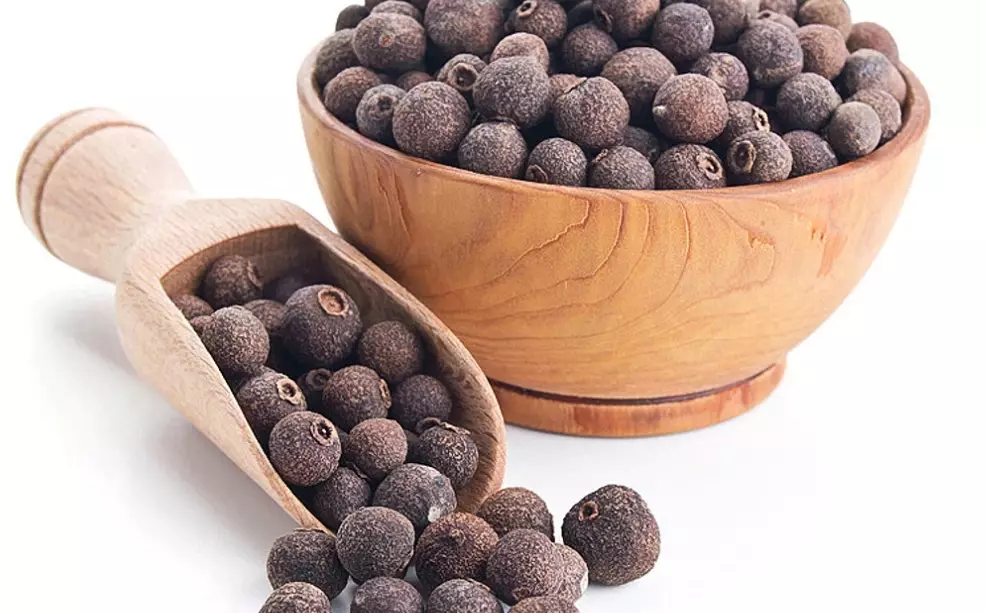
2. Hearty Allspice Beef Stew
This stew is my comfort food staple during colder months. Allspice adds a subtle warmth that makes it feel gourmet without extra fuss. I learned the hard way that adding allspice too early can make it bitter, so now I add it midway.
Ingredients:
- 2 lbs beef chuck, cubed
- 1 onion, diced
- 3 carrots, sliced
- 2 potatoes, cubed
- 4 cups beef broth
- 1 tsp ground allspice
- 2 bay leaves
- 2 tbsp tomato paste
- Salt and pepper to taste
Steps: Brown the beef in a pot, then remove. Sauté onions until soft. Add back beef, carrots, potatoes, broth, bay leaves, and tomato paste. Simmer for 1.5 hours. After 1 hour, stir in the allspice. This timing prevents the spice from overpowering the stew. Simmer another 30 minutes until beef is tender. Taste and adjust seasoning—sometimes I add a pinch more allspice at the end if it needs a boost.
3. Sweet Allspice Apple Pie
Forget just cinnamon—allspice makes apple pie sing. It adds a peppery note that cuts through the sweetness. I got this idea from an old bakery in Vermont, and it’s been my family’s favorite ever since.
Ingredients:
- 6-7 apples (mix of Granny Smith and Honeycrisp), peeled and sliced
- 1/2 cup sugar
- 1 tsp ground allspice
- 1/2 tsp ground cinnamon
- 1 tbsp lemon juice
- 2 pie crusts (store-bought or homemade)
- 1 egg for egg wash
Steps: Toss apples with sugar, allspice, cinnamon, and lemon juice. Let sit for 15 minutes to draw out juices. Place one crust in a pie dish, add filling, top with second crust, and seal edges. Brush with egg wash and bake at 375°F (190°C) for 45-50 minutes until golden. Pro tip: If your apples are very juicy, add a tablespoon of flour to the filling to prevent sogginess. The allspice should be subtle—if you taste it too strongly, you’ve used too much.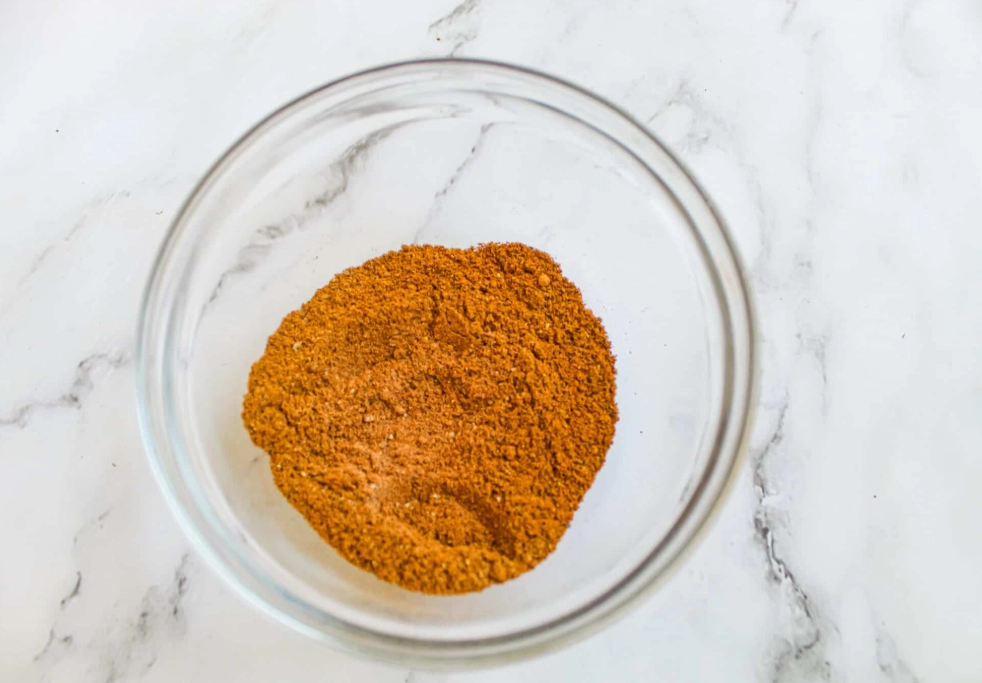
Common Allspice Mistakes (And How to Fix Them)
I’ve messed up with allspice more times than I’d like to admit. Here are the big ones and how to avoid them.
Overusing it: Allspice is potent. A little goes a long way. In savory dishes, start with 1/4 teaspoon per pound of meat or per pot of stew. In sweets, 1/2 teaspoon for a whole pie or cake is usually enough. I once added a full tablespoon to a batch of cookies—they tasted like medicine. Not recommended.
Using stale allspice: Ground allspice loses its punch after about six months. If yours smells like dust, it’s time to replace it. Whole berries last longer, up to two years in a cool, dark place. I store mine in a glass jar away from the stove.
Adding it at the wrong time: For long-cooked dishes like stews, add allspice in the last 30 minutes to preserve its flavor. If you add it too early, it can turn bitter. For baking, mix it with dry ingredients so it distributes evenly.
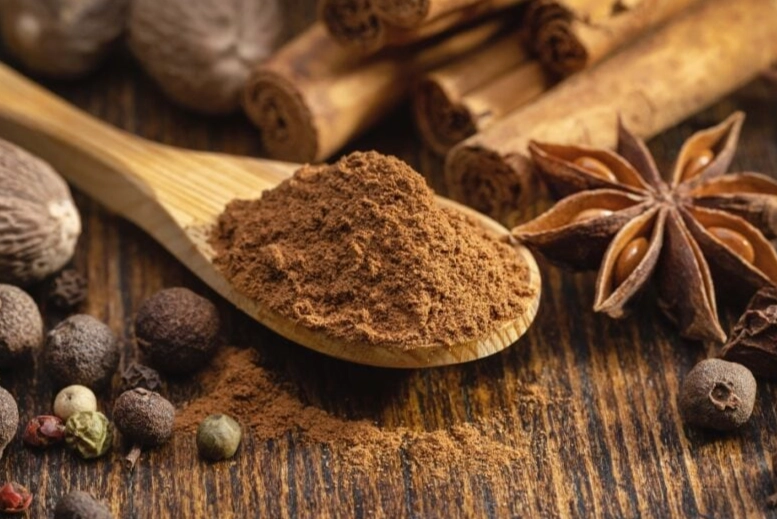
Confusing it with mixed spice: In some regions, “mixed spice” is a blend that includes allspice. Check your labels. If a recipe calls for allspice, use the pure berry or ground version, not a blend.
A friend of mine once substituted allspice with pumpkin pie spice in a savory rub. The result was oddly sweet and didn’t work. Lesson learned: allspice has a unique peppery edge that blends can’t replicate.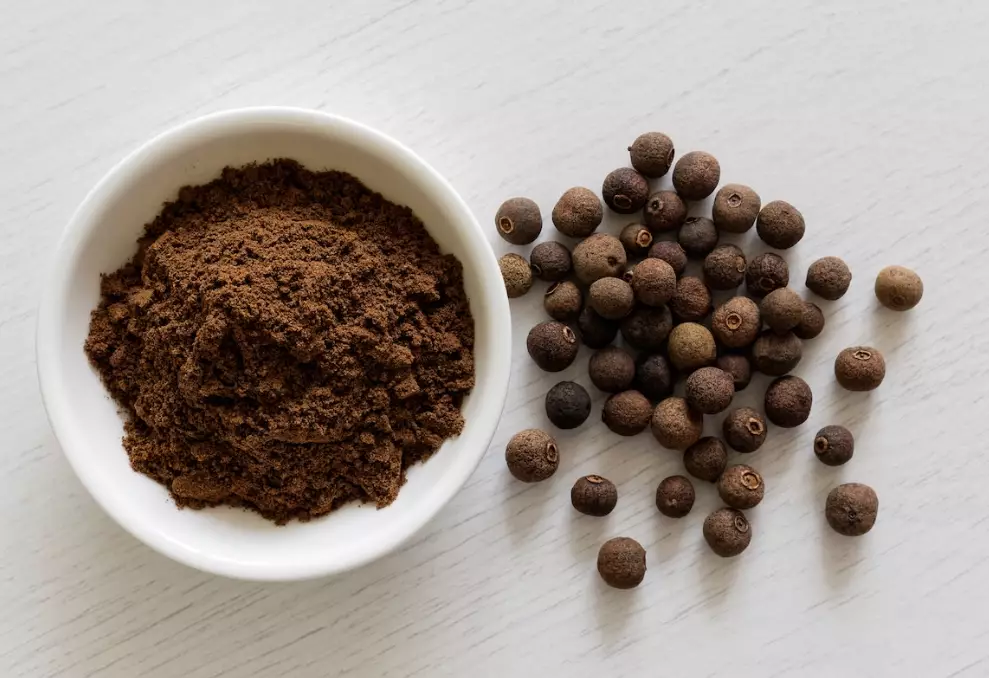
Your Allspice Questions Answered
 Allspice might seem like a niche ingredient, but once you start using it right, it becomes a kitchen workhorse. From that first disappointing pumpkin pie to now having it in my weekly rotation, I’ve learned that spices like allspice are what turn good cooking into great cooking. Give those recipes a try, avoid the mistakes I’ve made, and let me know how it goes. Your taste buds will thank you.