Let's be honest. Most dauphinoise potatoes recipes promise creamy, garlic-infused, golden-crusted perfection. Then you pull your dish from the oven, and it's either a soupy mess, the potatoes are still crunchy, or the top is burnt while the middle is cold. I've been there. After years of testing—and yes, a few disappointing dinners—I've nailed a method that works every single time. This isn't just a list of ingredients; it's the dauphinoise potatoes recipe that explains the why behind each step, so you understand the process, not just follow it.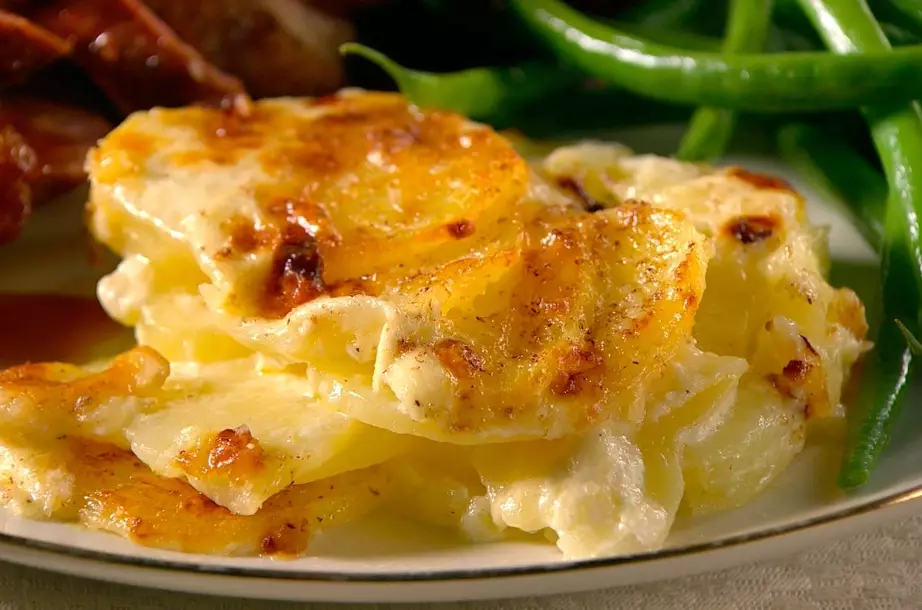
In This Article
Essential Ingredients for Authentic Dauphinoise Potatoes
You only need a handful of things, but the quality and type matter more than you think. This is where the flavor foundation is built.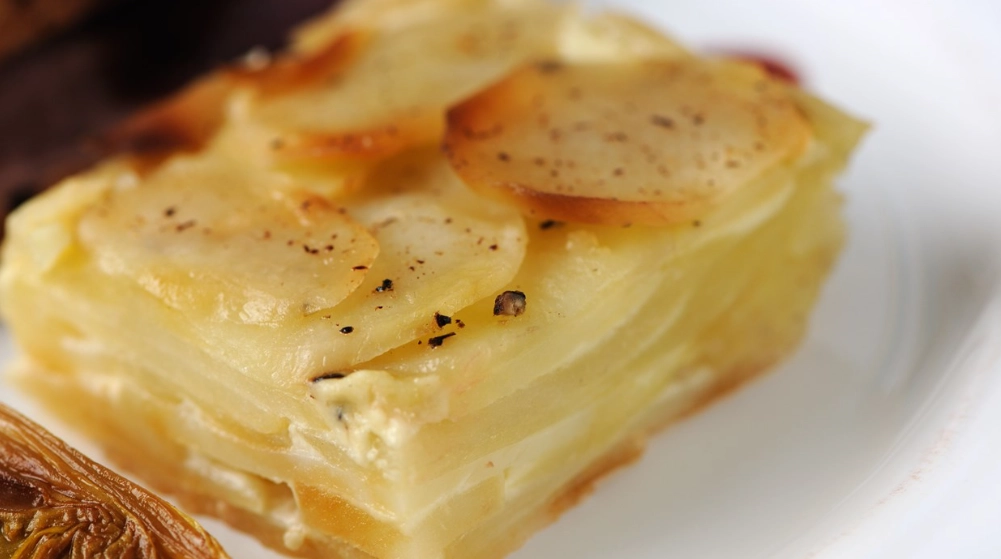
| Ingredient | Why It's Important & My Recommendations |
|---|---|
| Potatoes | Starchy potatoes are non-negotiable. Russets or Maris Pipers are ideal. Their high starch content helps thicken the cream as they bake, creating that signature cohesive, creamy sauce. Waxy potatoes (like red or new potatoes) will hold their shape too well and leave you with a runny, separated sauce. Trust me on this. |
| Cream & Milk | The classic ratio is heavy cream (double cream) and whole milk. Using all cream is too rich and can split. Using all milk won't give you the luxurious texture. A 2:1 cream-to-milk ratio is the sweet spot. For a slightly lighter version, you can use half-and-half, but the result won't be as unctuous. |
| Garlic | Don't just slice it. You need to infuse the dairy. Crushing the cloves and simmering them gently in the cream/milk mixture is the secret to a pervasive, mellow garlic flavor that isn't sharp or raw-tasting. |
| Butter & Cheese | Butter is for greasing the dish generously—it adds flavor and helps with browning. Cheese is a slight point of contention. Traditional Gratin Dauphinois from the Dauphiné region uses no cheese. But many modern recipes, including mine for extra flavor and that irresistible crust, add a handful of finely grated Gruyère or Comté between layers and on top. It's a welcome addition. |
| Nutmeg | A few gratings of fresh nutmeg. It's subtle but essential. It complements the cream and potatoes in a way that just feels "right." Pre-ground nutmeg loses its potency, so try to use fresh if you can. |
Pro Tip: Don't skimp on salt. Potatoes and cream need a good amount of seasoning. Season your cream infusion well, and don't forget a pinch between the potato layers. Underseasoned dauphinoise is sadly bland.
The Step-by-Step Method: From Slicing to Serving
This is where precision pays off. Rushing or approximating here leads to inconsistent results.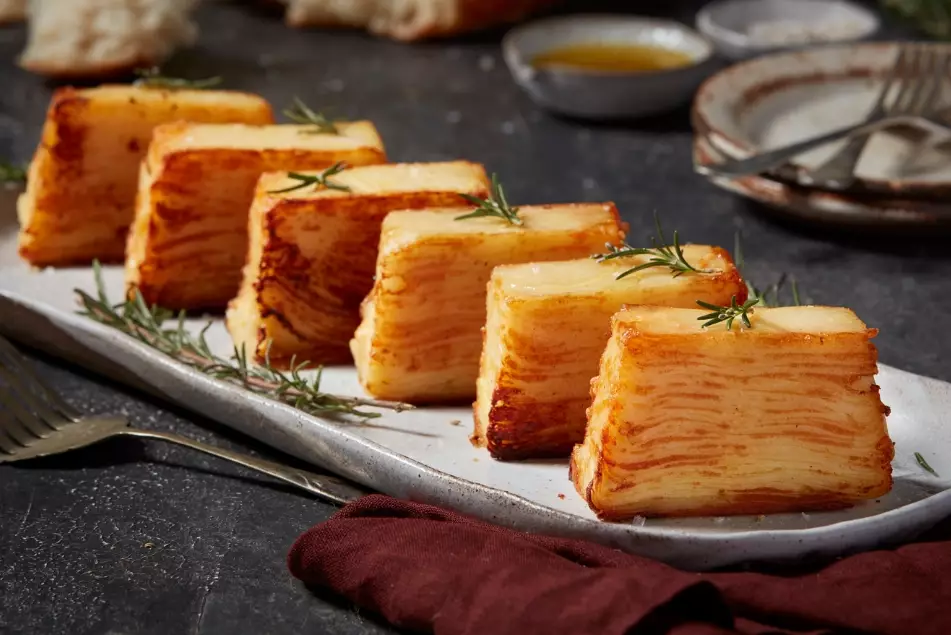
How to Slice Potatoes for Dauphinoise?
Thickness is critical. Aim for 1/8-inch (3mm) thick slices. Why? Thicker slices won't cook through evenly and won't absorb the cream properly. Thinner slices might turn to mush. A mandoline slicer is your best friend here—it ensures uniform slices for even cooking. If you're using a knife, take your time. Rinsing the slices in cold water removes excess starch and prevents them from sticking together and turning gray.
Now, the step most recipes gloss over: pre-heating the cream mixture. After you've infused the cream and milk with garlic, strain it and pour it back into the pan. Keep it warm (not boiling) while you layer the potatoes. Pouring cold cream over the potatoes means the dish starts cold in the oven, extending cooking time and affecting texture.
The Layering and Baking Process
Butter your baking dish lavishly. I use a ceramic or glass dish about 9x13 inches. Layer the potato slices in slightly overlapping rows, like shingles on a roof. After each layer, give a very light sprinkle of salt, pepper, and if using, a tiny bit of cheese.
Once all potatoes are in, slowly pour the warm cream mixture over them. It should come about three-quarters of the way up the potatoes. They shouldn't be submerged. Dot the top with small pieces of butter. This promotes browning.
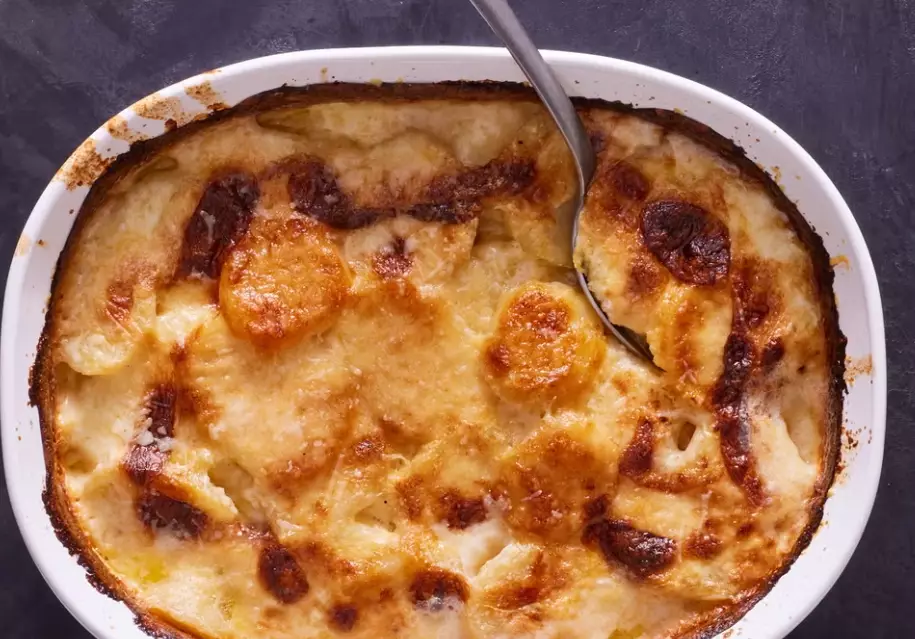
Bake at 325°F (160°C) for about 1 hour and 15 minutes. This low and slow approach is key. It allows the potatoes to cook through gently and the cream to thicken without boiling over. Then, increase the heat to 375°F (190°C) for the final 20-25 minutes to get that glorious golden-brown, crispy top. The dish is done when the top is deeply browned, the cream is bubbling thickly around the edges, and a knife slides easily through the center potatoes.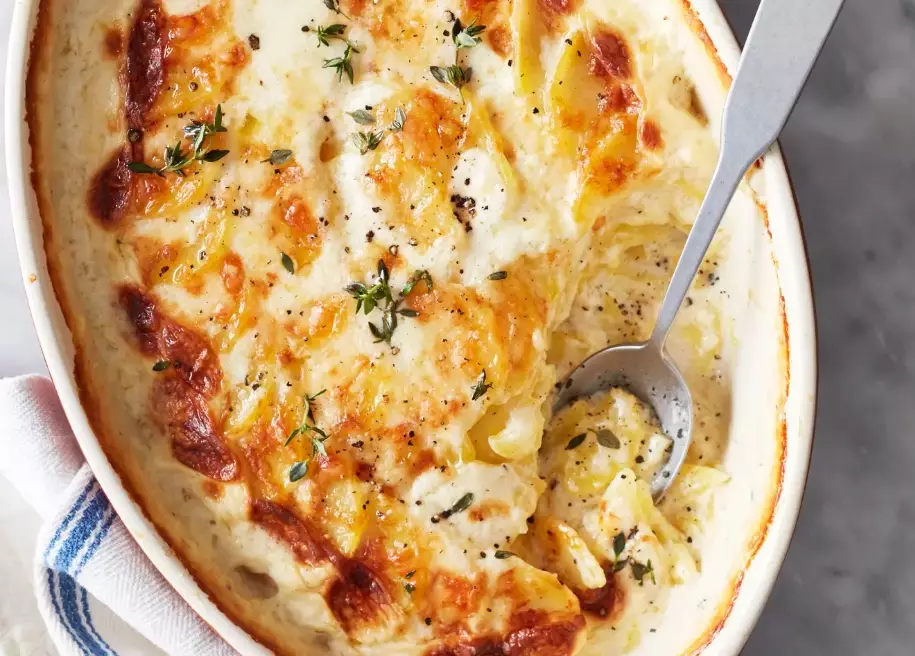
The Rest is Non-Negotiable: Let the dauphinoise rest for at least 15-20 minutes after baking. This allows the creamy sauce to set slightly, so you get clean slices instead of a lava flow on your plate. It also lets the flavors settle.
3 Dauphinoise Mistakes Almost Everyone Makes
- Using the wrong potato. I said it before, but it's the number one reason for failure. Starchy potatoes only.
- Not seasoning the cream. Salting just the potatoes isn't enough. The cream itself needs to be seasoned so every bite is flavorful.
- Baking at too high a temperature from the start. This causes the cream to boil violently, potentially curdle or separate, and the top to burn before the middle is tender. The two-stage temperature method is foolproof.
How to Make Dauphinoise Potatoes Ahead of Time
This is a game-changer for dinner parties. You have two great options:
Option 1: Prep and Refrigerate. Assemble the dish completely—potatoes layered, seasoned, cream poured over. Cover tightly and refrigerate for up to 24 hours. When ready to bake, let it sit at room temp for 30 minutes, then bake as directed. You may need to add 5-10 minutes to the baking time.
Option 2: Bake, Cool, and Reheat. Bake the dish completely, let it cool, then cover and refrigerate. To reheat, cover with foil and warm in a 300°F (150°C) oven for 20-30 minutes until heated through. Then, remove the foil and blast under a hot broiler for a few minutes to re-crisp the top. This method often yields an even better, more set texture.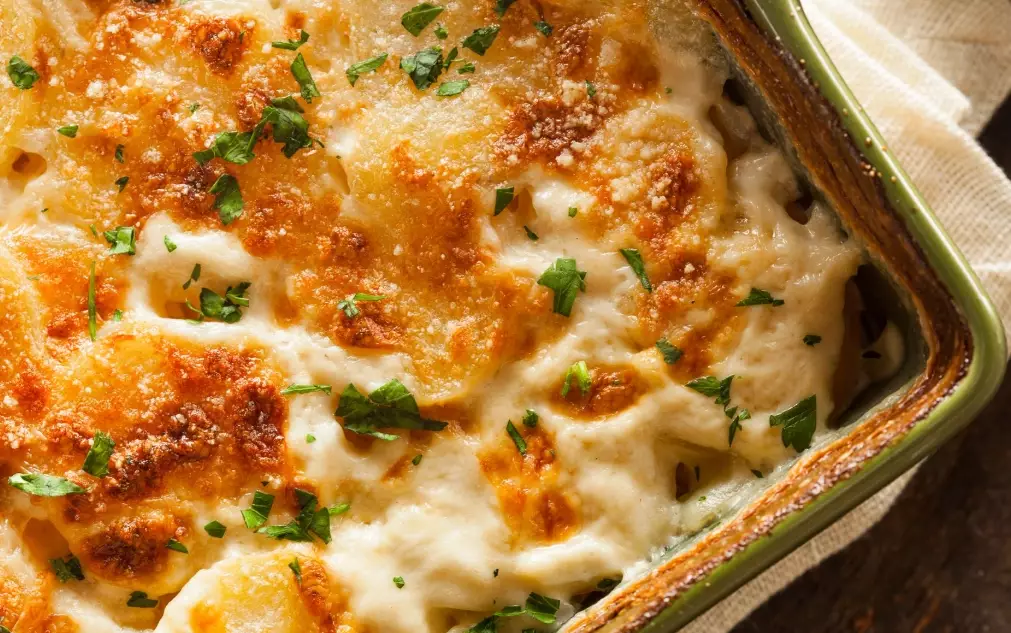
Your Dauphinoise Potatoes Questions, Answered
 What's the difference between Dauphinoise and Scalloped Potatoes?