Chicken mechado is a Filipino tomato-based stew that hits all the right notes—savory, slightly tangy, and incredibly comforting. If you've ever tasted it at a Filipino gathering or restaurant and wondered how to make it at home, you're in the right place. I've been cooking this dish for over a decade, tweaking my grandmother's recipe to avoid common pitfalls. Today, I'll walk you through everything, from sourcing ingredients to simmering it to perfection. Let's get straight to the point: with a few key steps, you can create a mechado that rivals any you've tried.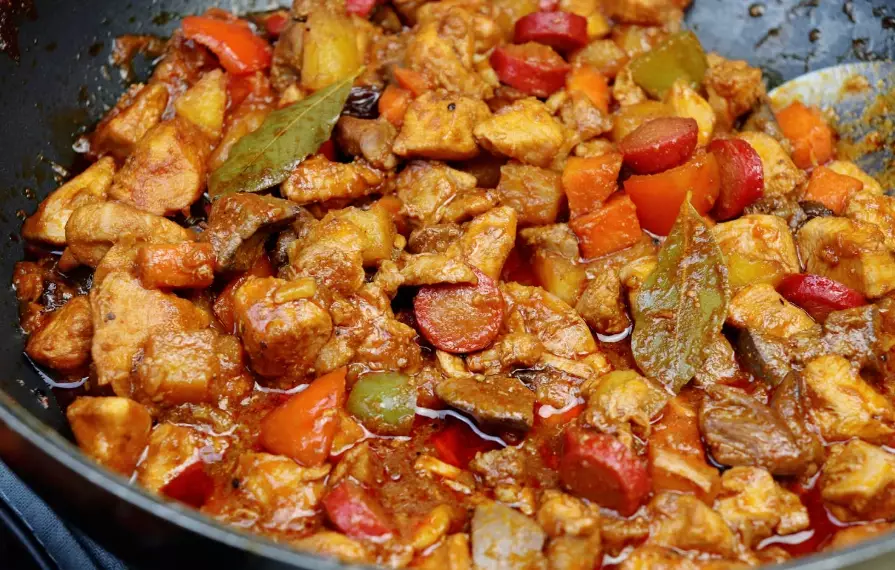
Your Cooking Roadmap
What Exactly is Chicken Mechado?
Mechado is a traditional Filipino stew that originally used beef, but chicken versions have become popular for their lighter taste and quicker cooking time. The name comes from the Spanish word "mecha," meaning wick, referring to the way fat is threaded through the meat in the classic beef version. For chicken mechado, it's all about the sauce—a rich blend of tomatoes, soy sauce, and citrus, slow-cooked until the chicken is fall-off-the-bone tender. According to resources like the Philippine Department of Tourism's culinary guides, it's considered a staple in Filipino households, often served during family gatherings. I remember my first time trying it at a local carinderia (small eatery) in Manila; the depth of flavor hooked me instantly, but I found some versions too oily or bland. That's what inspired me to perfect this recipe.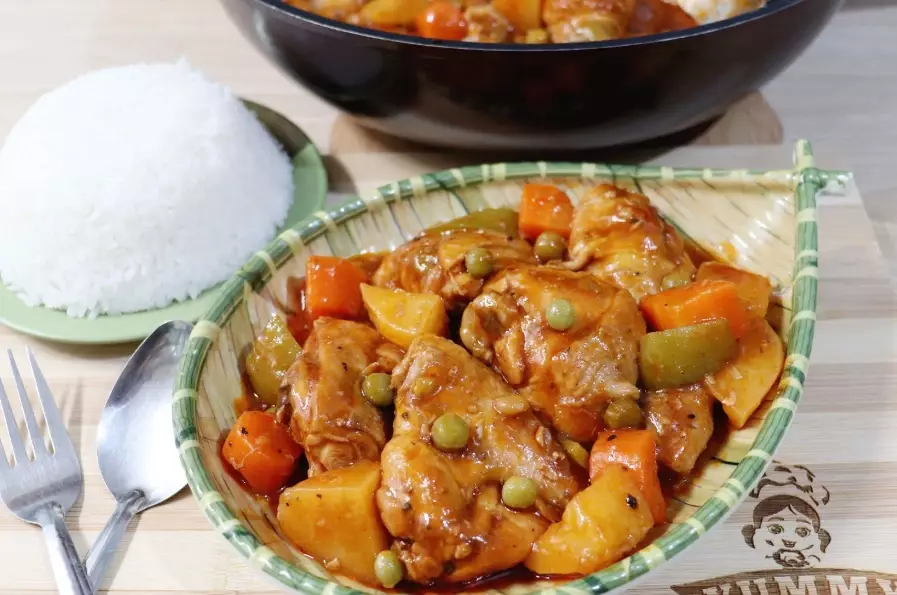
Ingredients You'll Need (and Smart Substitutes)
Gathering the right ingredients is half the battle. Here's a breakdown of what you need, with alternatives for hard-to-find items. I always recommend using bone-in chicken thighs—they stay juicier than breasts, but if you're watching fat, skinless breasts work too.
| Ingredient | Quantity | Purpose & Notes |
|---|---|---|
| Chicken thighs (bone-in) | 1.5 kg (about 3.3 lbs) | Provides rich flavor and tenderness. Substitute: chicken drumsticks or a mix. |
| Tomato sauce | 1 cup (240 ml) | Base for the stew. Use canned or fresh blended tomatoes. |
| Soy sauce | 1/4 cup (60 ml) | Adds umami and saltiness. Low-sodium versions are fine. |
| Calamansi or lemon juice | 2 tablespoons | For tanginess. If unavailable, use lime or vinegar. |
| Garlic and onion | 6 cloves garlic, 1 large onion | Aromatics for sautéing. Don't skimp on garlic! |
| Potatoes and carrots | 2 medium potatoes, 2 carrots | Adds heartiness. Cut into chunks for even cooking. |
| Bay leaves | 2 pieces | Essential for that earthy aroma. Dried works, fresh is better. |
| Cooking oil | 2 tablespoons | For frying. Vegetable or canola oil is ideal. |
| Water or broth | 2 cups (480 ml) | For simmering. Chicken broth enhances flavor. |
Step-by-Step Cooking Instructions
Let's break down the process. I've timed this to take about 1.5 hours, but most of it is hands-off simmering. Don't rush the sautéing; it builds the flavor foundation.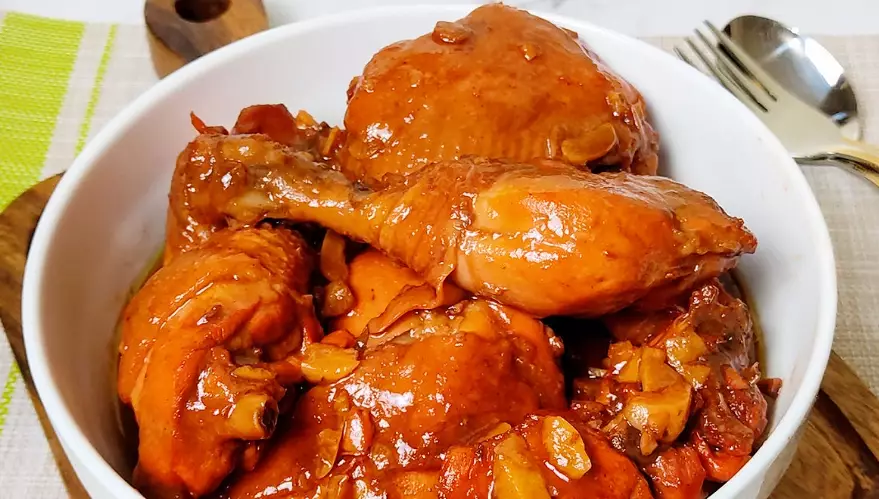
Preparing the Chicken
Start by cleaning the chicken thighs. Pat them dry with paper towels—this helps with browning. Some recipes call for marinating, but I skip it. Why? Mechado's flavor comes from slow cooking, not pre-marination. Just season lightly with salt and pepper. Heat oil in a large pot over medium-high heat, then brown the chicken in batches. Don't crowd the pot, or it'll steam instead of sear. This step takes 5-7 minutes per batch. Set the chicken aside.
Sautéing the Aromatics
In the same pot, add more oil if needed. Sauté minced garlic until fragrant, about 30 seconds, then add chopped onions. Cook until translucent. Here's where many go wrong: they burn the garlic. Keep the heat medium-low. Add the tomato sauce and let it simmer for 2 minutes to cook out the raw taste. Stir in soy sauce and calamansi juice.
Simmering to Perfection
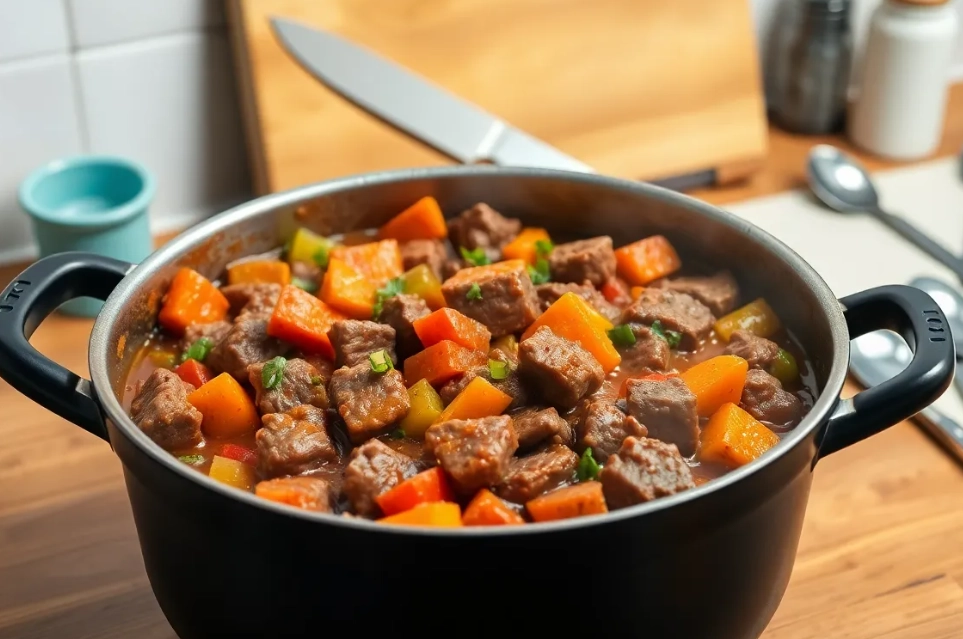
Return the chicken to the pot. Add bay leaves and enough water or broth to cover the chicken halfway. Bring to a boil, then reduce to a low simmer. Cover and cook for 40 minutes. After that, add potato and carrot chunks. Simmer uncovered for another 20-25 minutes, until the vegetables are tender and the sauce thickens. Stir occasionally to prevent sticking. The sauce should coat the back of a spoon. If it's too thin, let it reduce further; if too thick, add a splash of water.
Common Mistakes and How to Avoid Them
After teaching friends this recipe, I've seen recurring errors. First, using boneless chicken breasts exclusively. They dry out fast. Mix in some thighs for moisture. Second, skipping the browning step. That Maillard reaction is crucial for depth—it's not just for looks. Third, adding all ingredients at once. Layer them: chicken first, then veggies later. Lastly, overseasoning with soy sauce. Taste as you go; you can always add more, but you can't take it out. I once made it too salty and had to dilute with broth—not ideal.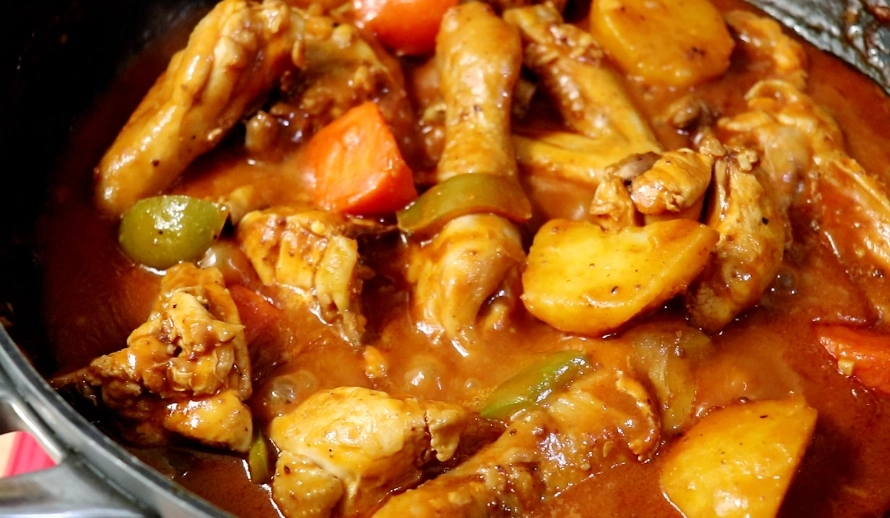
Serving Suggestions and Pairings
Chicken mechado is best served hot over steamed white rice. The rice soaks up the sauce beautifully. For a complete meal, pair it with a simple side like ensaladang talong (eggplant salad) or pickled vegetables. If you're hosting, consider serving it with pandesal (Filipino bread rolls) for dipping. Beverage-wise, a cold beer or calamansi juice complements the richness. I often double the recipe for potlucks—it's always a hit, and leftovers taste even better the next day.
Storage and Reheating Tips
Store leftovers in an airtight container in the fridge for up to 3 days. To reheat, use a saucepan over low heat with a splash of water to revive the sauce. Avoid microwaving alone, as it can make the chicken rubbery. For freezing, let it cool completely, then freeze in portions for up to 2 months. Thaw overnight in the fridge before reheating. The flavors meld over time, so don't worry if it tastes different—it's still delicious.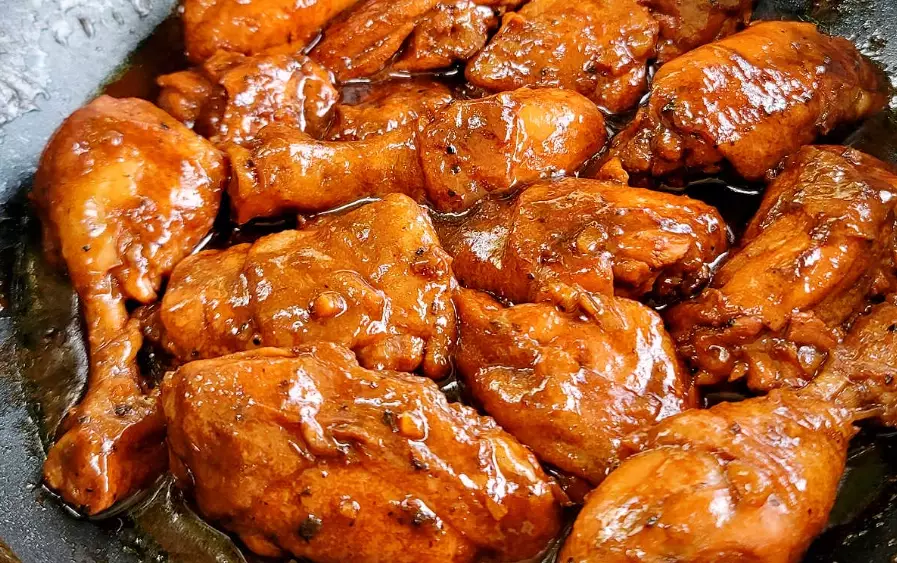
FAQs: Answering Your Burning Questions
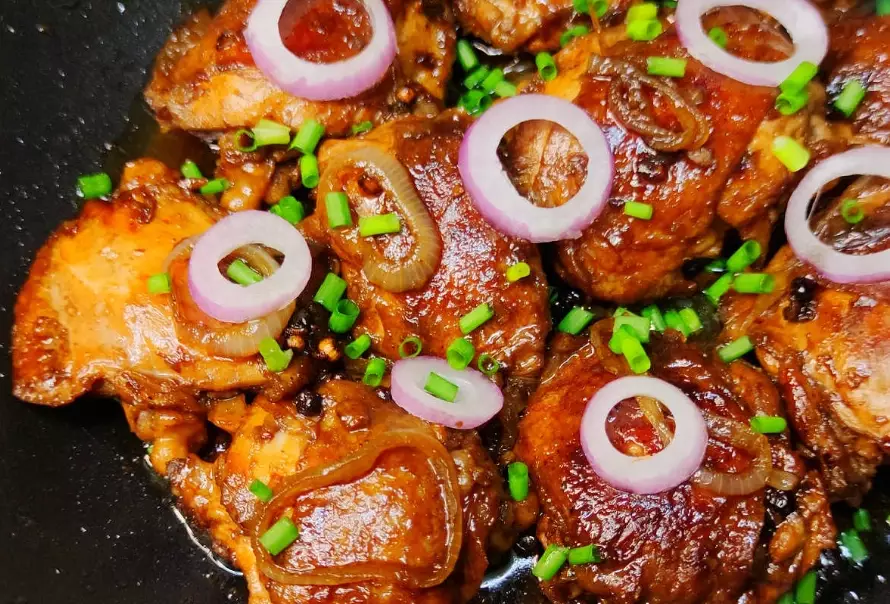 How can I make this recipe gluten-free or healthier?
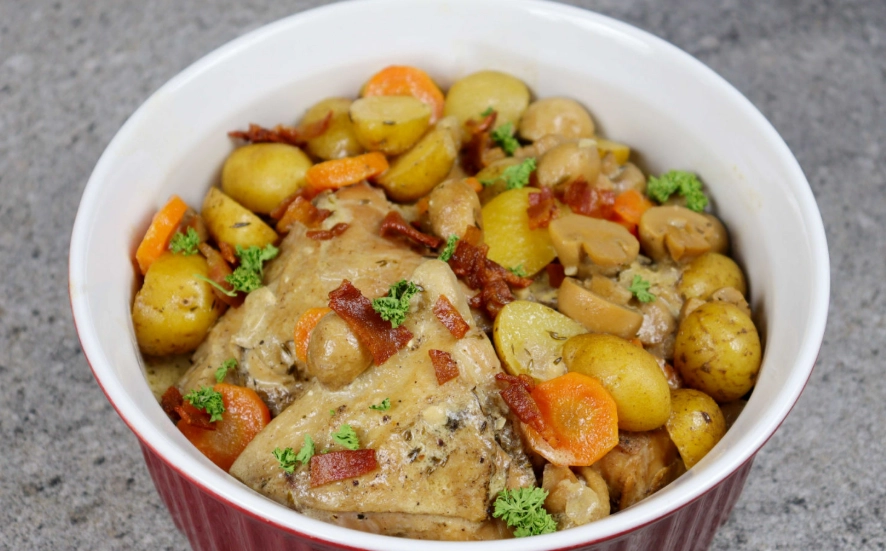 There you have it—a comprehensive guide to chicken mechado that covers from pantry to plate. It's a dish that rewards patience, so take your time and enjoy the process. Whether you're cooking for a weeknight dinner or a special occasion, this recipe delivers. Give it a try, and let me know how it turns out!