Steamed cabbage is one of those dishes that sounds boring until you get it right. I used to overcook it into a mushy mess, but after years of trial and error in my kitchen, I've nailed a method that keeps it crisp, flavorful, and ridiculously simple. This isn't just another recipe—it's a guide to avoiding the common pitfalls that turn people off from this nutritious vegetable. Let's dive in.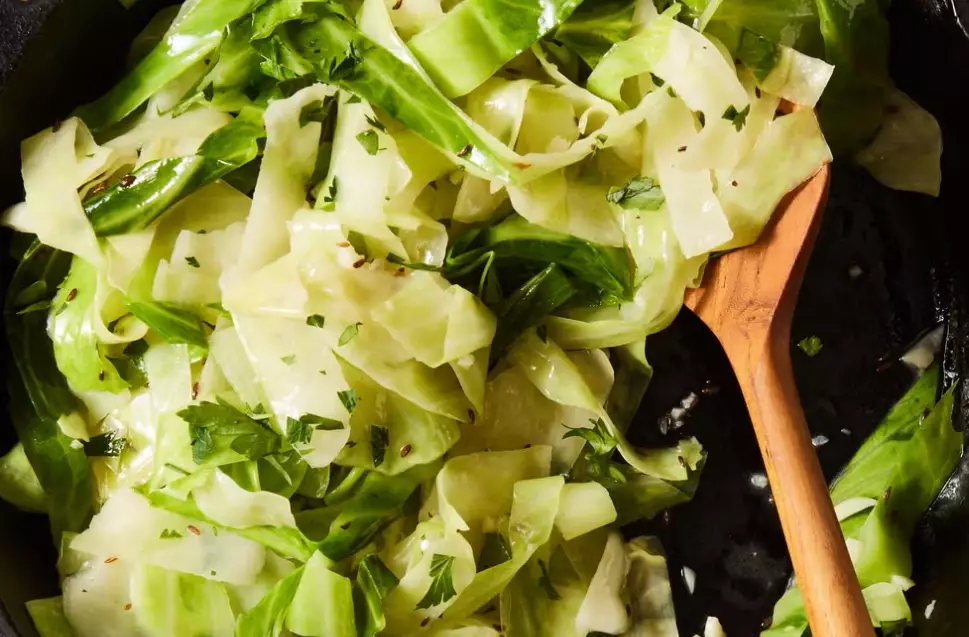
What's Inside This Guide
- Why Steam Cabbage? The Benefits You Might Miss
- The Essential Ingredients for Perfect Steamed Cabbage
- How to Steam Cabbage: A Foolproof Step-by-Step Guide
- Common Mistakes and How to Avoid Them (From My Experience)
- Flavor Variations to Elevate Your Steamed Cabbage
- What to Serve with Steamed Cabbage: Meal Pairings That Work
- Frequently Asked Questions: Solving Your Steamed Cabbage Woes
Why Steam Cabbage? The Benefits You Might Miss
Most people boil cabbage, but steaming is where the magic happens. According to the USDA National Nutrient Database, cabbage is packed with vitamin C and K, and steaming preserves more nutrients than boiling. It also keeps the texture intact—crisp on the outside, tender inside. I've found that steamed cabbage absorbs flavors better, making it a versatile side for everything from grilled chicken to tofu stir-fry.
Here's a quick comparison: boiling can leach out vitamins into the water, while steaming locks them in. If you're after a healthy, low-calorie dish that doesn't taste like diet food, this is it.
The Essential Ingredients for Perfect Steamed Cabbage
You don't need much, but quality matters. Here's what I always have on hand:
- Green cabbage: 1 medium head (about 2 pounds). Look for firm, heavy heads with crisp leaves. Avoid any with brown spots or wilting.
- Water or broth: 1-2 cups for steaming. I prefer vegetable broth for extra flavor—it makes a subtle difference.
- Salt and pepper: To taste. Sea salt works best for seasoning.
- Optional aromatics: A clove of garlic, a slice of ginger, or a bay leaf. These infuse the cabbage without overpowering it.
- Fat for finishing: A tablespoon of olive oil, butter, or sesame oil. This adds richness and helps seasonings stick.
That's it. No fancy gadgets—just a pot with a steamer basket or a simple colander that fits over a pan.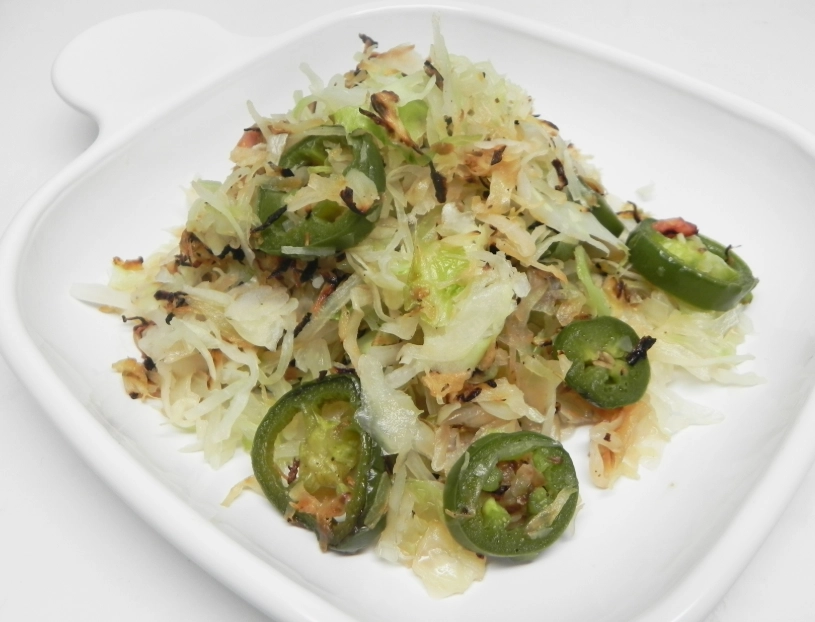
How to Steam Cabbage: A Foolproof Step-by-Step Guide
Follow these steps, and you'll get perfect results every time. I've broken it down to avoid confusion.
Preparing the Cabbage
First, remove the outer leaves—they're often tougher. Cut the cabbage into quarters, then slice out the core. Slice the quarters into 1-inch thick wedges or shred them if you prefer faster cooking. I like wedges because they hold shape better and look rustic on the plate.
Rinse under cold water to remove any dirt. Pat dry with a towel—excess water can lead to sogginess.
Setting Up Your Steamer
If you don't have a steamer basket, use a metal colander or a heatproof plate placed over a pot of simmering water. Fill the pot with about an inch of water or broth. Bring it to a gentle simmer, not a rolling boil. Too much steam can overcook the cabbage quickly.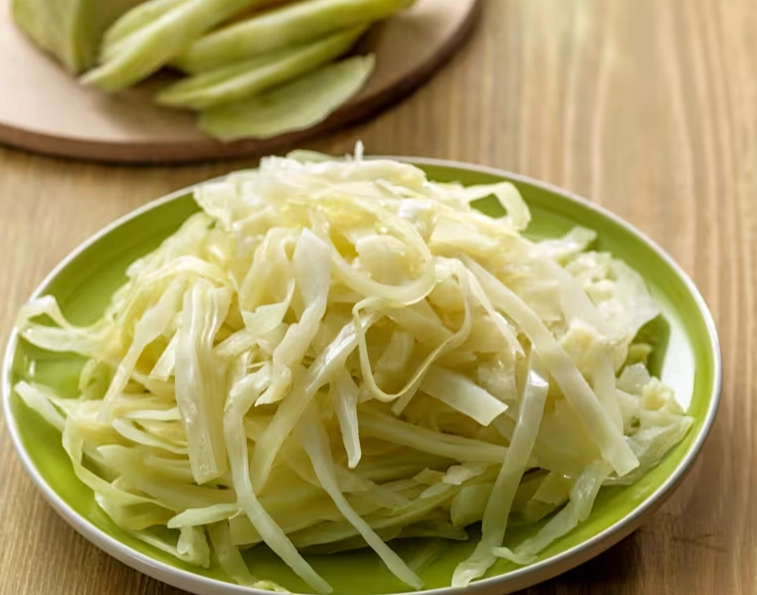
Steaming Time and Temperature
Place the cabbage in the steamer in a single layer. Cover with a lid. Steam for 5-7 minutes for wedges, 3-4 minutes for shredded cabbage. Check with a fork—it should pierce easily but still have a slight crunch. Oversteaming is the biggest mistake here. I set a timer because it's easy to get distracted.
Once done, remove immediately to stop the cooking process. Toss with your fat and seasonings while hot.
Common Mistakes and How to Avoid Them (From My Experience)
I've seen too many steamed cabbage disasters. Here are the top pitfalls and my fixes:
- Overcrowding the steamer: If you pile cabbage on top of each other, it steams unevenly. Work in batches if needed. It's worth the extra minute.
- Using too much water: The water shouldn't touch the cabbage. Keep it below the steamer basket to prevent boiling and nutrient loss.
- Skipping the drying step: Wet cabbage steams into a soggy mess. Pat it dry—I can't stress this enough.
- Forgetting to season after steaming: Salt draws out moisture, so season after cooking to keep it crisp. Add a pinch of salt, pepper, and a drizzle of oil right away.
One more thing: don't be afraid to undercook slightly. It continues to cook from residual heat.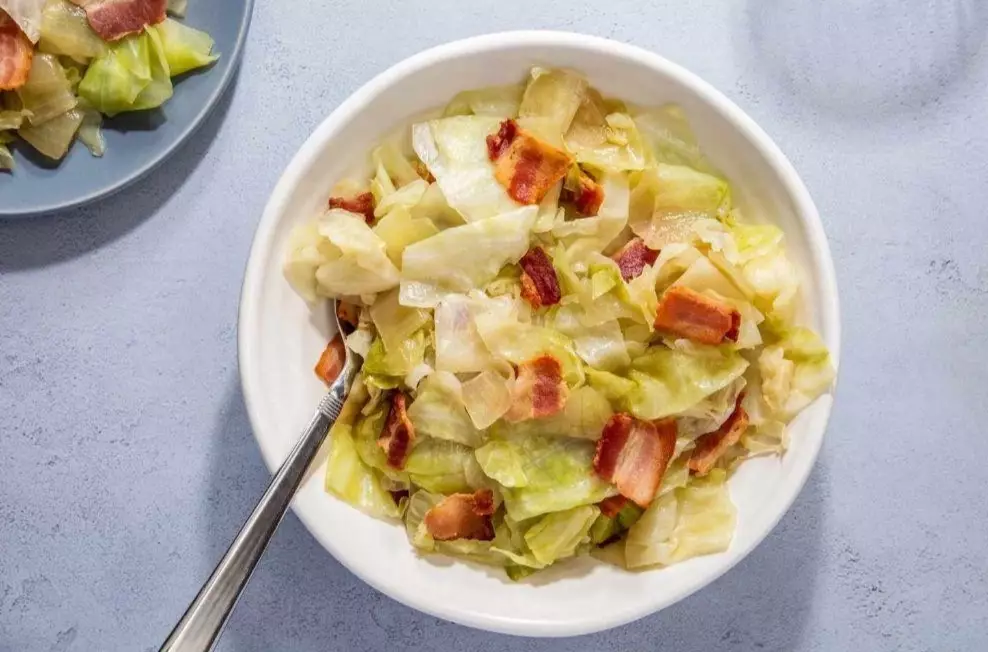
Flavor Variations to Elevate Your Steamed Cabbage
Plain steamed cabbage is fine, but with a few tweaks, it becomes a star. Here are my go-to variations, tested over the years:
| Variation | Ingredients to Add | Best For |
|---|---|---|
| Asian-Style | 1 tbsp soy sauce, 1 tsp sesame oil, minced garlic, sesame seeds | Pairing with stir-fries or rice bowls |
| Mediterranean | 1 tbsp olive oil, lemon zest, chopped parsley, crumbled feta | Greek meals or grilled fish |
| Spicy Kick | 1/2 tsp chili flakes, a dash of vinegar, chopped cilantro | Adding heat to tacos or beans |
| Herb-Infused | Fresh dill or thyme, a knob of butter, black pepper | Comfort food alongside roast chicken |
Experiment with these. I often toss in leftover herbs from the fridge—it reduces waste and boosts flavor.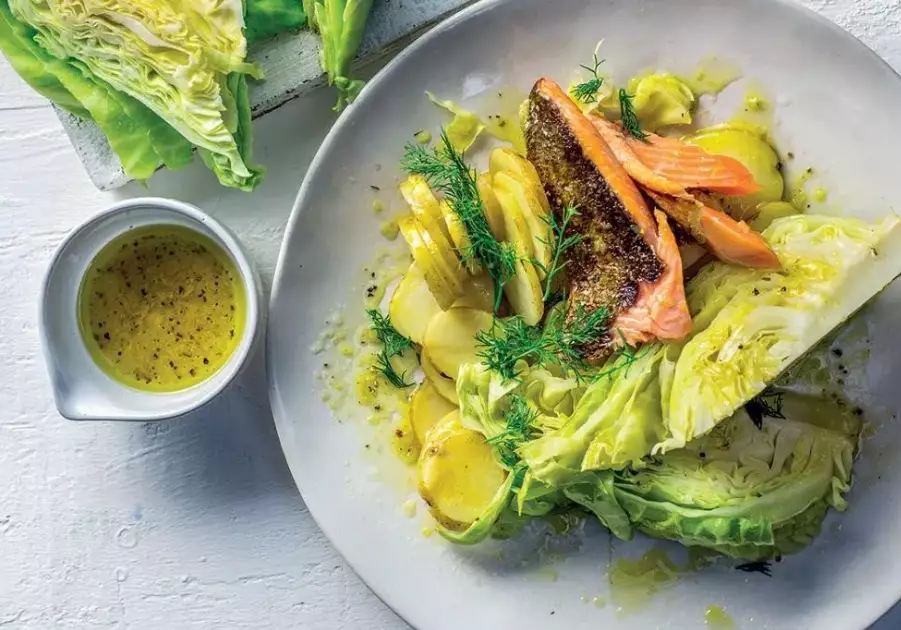
What to Serve with Steamed Cabbage: Meal Pairings That Work
Steamed cabbage is a chameleon. Here's how I pair it:
- With proteins: Grilled chicken, baked salmon, or pan-seared tofu. The cabbage's mildness balances richer flavors.
- In bowls: Add to grain bowls with quinoa, chickpeas, and a tahini dressing. It adds crunch without heaviness.
- As a side for soups: Serve alongside lentil soup or minestrone. It's lighter than bread.
- For breakfast: Yes, really. Top with a poached egg and hot sauce—it's a healthy start.
I avoid pairing it with overly creamy dishes; the textures clash.
Frequently Asked Questions: Solving Your Steamed Cabbage Woes
 Steamed cabbage might seem basic, but with these tips, it transforms into a reliable, healthy staple. Give it a try—start with the basic recipe, then play with variations. You might find it becomes a regular on your table, just like it did in mine.