Let's be honest. Most gluten-free or wheat free bread is a compromise. It's often crumbly, dense, or tastes like cardboard. For years, I thought a good focaccia—with its signature crispy, oily bottom, airy holes, and chewy crumb—was completely off the table on a wheat-free diet. I tried countless recipes that promised the world and delivered a sad, flat brick. Then, after a lot of failed experiments (we're talking hockey pucks here), I cracked the code. This wheat free focaccia bread recipe isn't just a substitute. In my opinion, it can be better than many traditional versions. It's naturally dairy-free, relies on a simple blend of flours you can find anywhere, and requires no fancy equipment. Just your hands, a bowl, and a craving for that iconic Italian bread.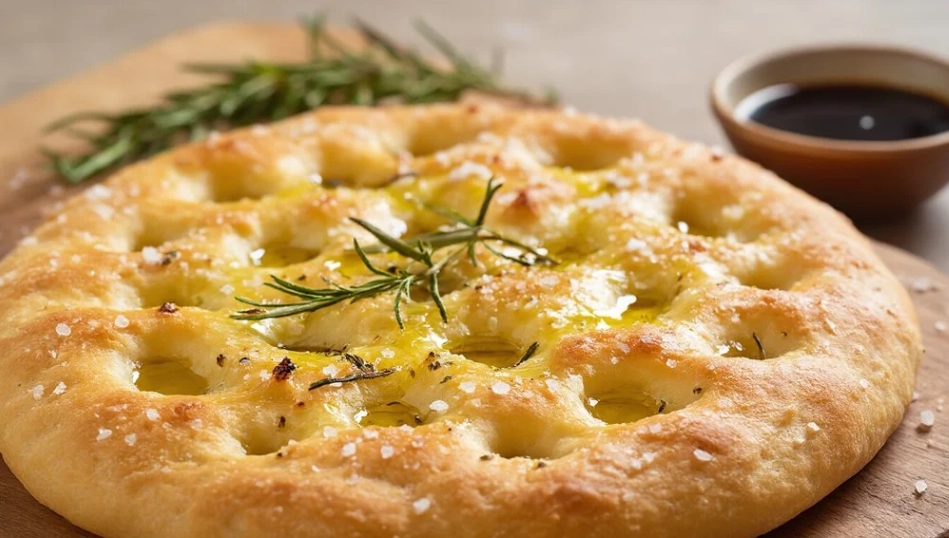
What You'll Find In This Guide
Why This Wheat Free Focaccia Recipe Actually Works
Most failed gluten-free breads make one critical error: they treat gluten-free flours like a 1:1 swap for wheat flour. It doesn't work like that. Wheat gluten provides structure and elasticity. Without it, you need a team of ingredients to mimic that behavior.
This recipe works because it focuses on three things most others neglect:
Hydration is King. Wheat-free doughs need to be much wetter than you think. That sticky, almost batter-like consistency is what steams in the oven, creating those desirable air pockets. If your dough feels easy to handle, it's probably too dry and will bake up dense.
The Right Flour Trio. I use a combination of fine white rice flour, starchy tapioca flour (also called tapioca starch), and a bit of almond flour. The rice flour provides a neutral base, the tapioca gives incredible chew and stretch (it's a great binder), and the almond flour adds fat and moisture that prevents a chalky texture. You can find all of these in the baking aisle of most supermarkets.
Time is an Ingredient. A long, slow rise in the fridge isn't just for flavor development (though it does that wonderfully). For a wheat-free dough, this extended rest allows the flours to fully absorb the liquid and the psyllium husk (our magic binder) to form a strong, flexible gel network. Rushing this step is the number one reason for flat focaccia.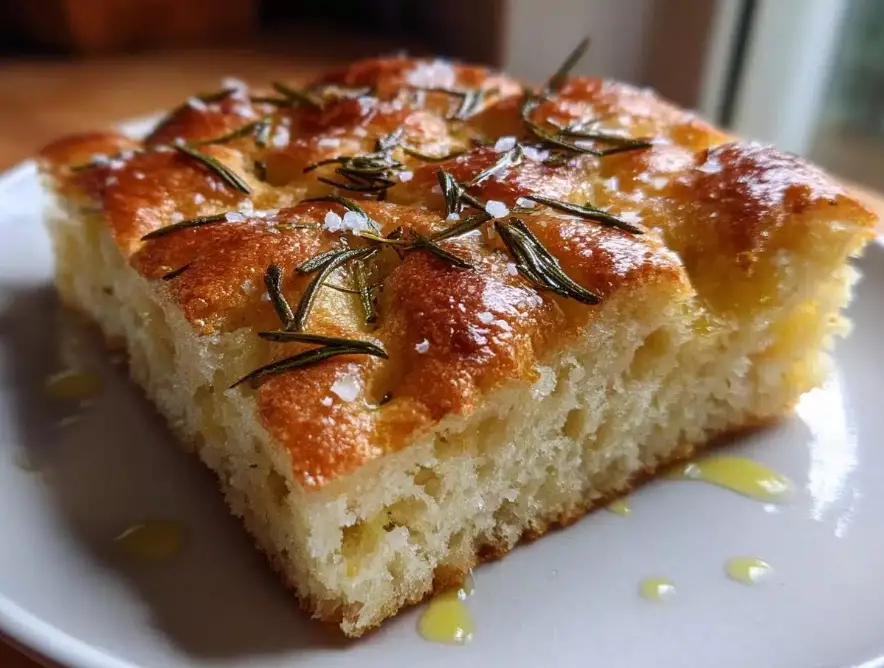
Key Ingredients & Why They Matter (The Flour Blend is Everything)
Here’s exactly what you need and why each component is non-negotiable for the perfect crumb.
| Ingredient | Measurement | Its Role in the Recipe | Can I Substitute? |
|---|---|---|---|
| Fine White Rice Flour | 2 cups (260g) | The main structural flour. It's light and neutral in flavor. | Brown rice flour works but yields a denser, grainier loaf. Not recommended for first try. |
| Tapioca Flour/Starch | 1 cup (120g) | The secret to chew and elasticity. It mimics the "pull" of gluten. | Arrowroot starch is the closest 1:1 sub. Potato starch will work but changes texture slightly. |
| Almond Flour (Finely Ground) | 1/2 cup (50g) | Adds moisture, fat, and a tender crumb. Helps prevent dryness. | Sunflower seed flour for nut-free. Oat flour (certified GF) works but will make it more cake-like. |
| Psyllium Husk Powder | 3 tablespoons (18g) | The most important binder. It forms a gel that holds everything together. Must be powder, not whole husks. | There is no direct substitute. Xanthan gum (use 2 tsp) can work in a pinch but gives a gummier texture. |
| Active Dry Yeast | 2 1/4 tsp (1 packet) | For rise and classic yeasted flavor. | Instant yeast works the same; just mix it with the dry ingredients. |
| Warm Water | 1 3/4 cups (415ml) | Hydrates the flours and psyllium. Must be warm to activate yeast. | Use non-dairy milk for extra richness, but water is best for classic flavor. |
| Extra Virgin Olive Oil | 1/2 cup + more for pan | Flavor, moisture, and that iconic crispy, fried bottom crust. | A lighter olive oil or avocado oil works, but EVOO gives authentic taste. |
| Salt & Sugar | 1 tsp salt, 1 tsp sugar | Salt for flavor, a pinch of sugar to feed the yeast. | Honey or maple syrup can replace sugar. Don't skip salt. |
You'll also need a 9x13 inch baking pan. A metal pan will give you a crispier bottom than glass or ceramic.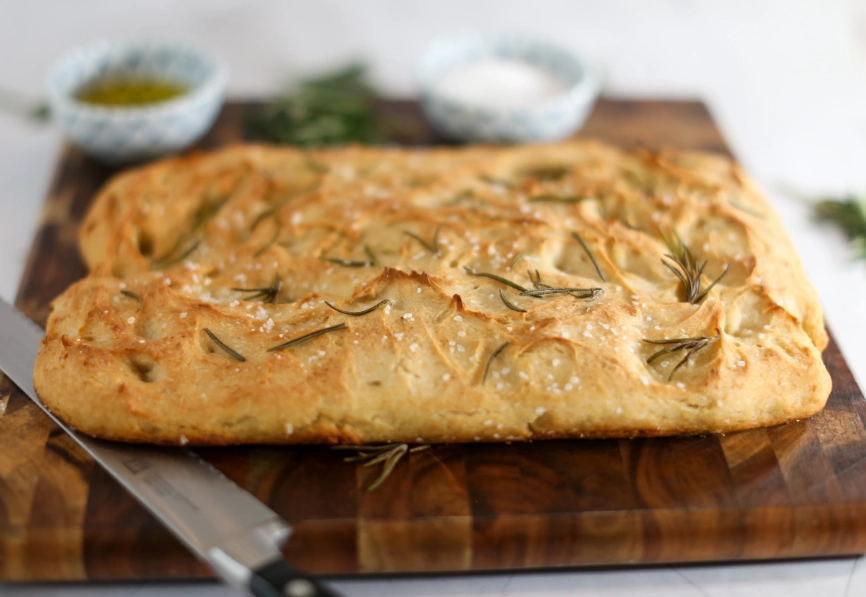
Step-by-Step Guide: From Sticky Dough to Golden Perfection
1. Mixing the Dough (Embrace the Stickiness)
In a large bowl, whisk together all your dry ingredients: the rice flour, tapioca flour, almond flour, psyllium powder, yeast, salt, and sugar. This ensures even distribution.
Now, add the warm water and 1/2 cup of olive oil. Using a sturdy spatula or a Danish dough whisk if you have one, mix until a thick, sticky, and shaggy dough forms. It will look more like a very thick cake batter than a traditional bread dough. That's perfect. Don't be tempted to add more flour. Scrape down the sides, cover the bowl tightly with plastic wrap, and let it sit at room temperature for 30 minutes. You'll see it start to puff up a bit.
2. The Cold Ferment (The Flavor Developer)
This is the step that builds flavor and strength. After the 30-minute rest, transfer the covered bowl to the refrigerator. Let it chill for at least 12 hours, up to 48 hours. I find the 24-hour mark ideal. The dough will firm up but remain flexible. This slow rise allows the psyllium gel to mature and the flavors to deepen.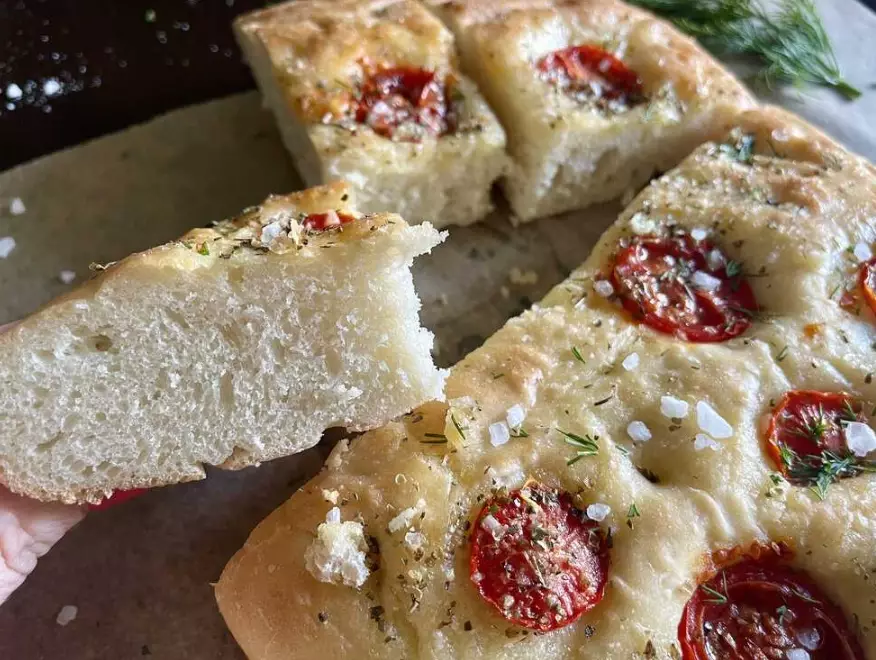
3. Shaping & Final Proof (Creating the Dimples)
Generously coat your 9x13 inch pan with olive oil—don't be shy, this is focaccia. Using wet hands (this is crucial to prevent sticking), scoop the cold dough into the pan. Gently press and stretch it towards the corners. It might not reach all the way immediately. That's fine. Cover the pan and let it sit in a warm spot for 1.5 to 2 hours. It should become puffy and nearly fill the pan.
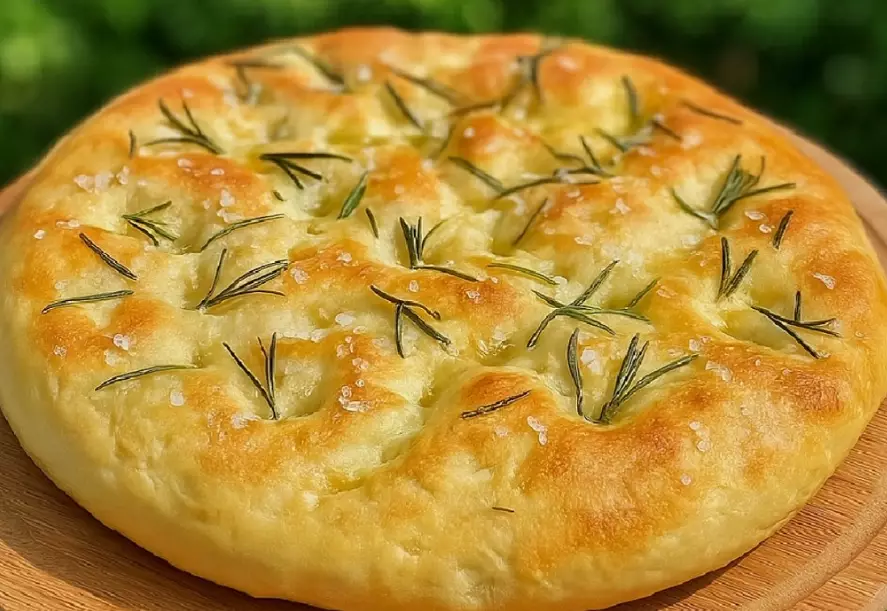
Now, the fun part. Preheat your oven to 425°F (220°C). Pour a couple more tablespoons of olive oil over the dough surface. With oiled fingers, press straight down to create deep dimples all over. This isn't just decorative; it creates little wells for the oil and gives the classic look. Add your toppings: flaky sea salt is mandatory. Rosemary sprigs, sliced olives, cherry tomatoes, or thinly sliced onions are all fantastic.
4. Baking to Golden Brown
Bake for 25-30 minutes. You're looking for a deep golden-brown top and a bottom that sounds hollow when tapped. The internal temperature should read about 205-210°F (96-99°C) on an instant-read thermometer. If the top is browning too fast, tent it loosely with foil for the last 10 minutes.
Baking, Serving & Storing Your Masterpiece
As soon as it's out of the oven, I like to brush the top with a little more olive oil for extra gloss and flavor. Let it cool in the pan for 10 minutes, then transfer it to a wire rack to cool completely. I know it's hard to wait, but slicing into it while it's steaming hot can make it gummy inside.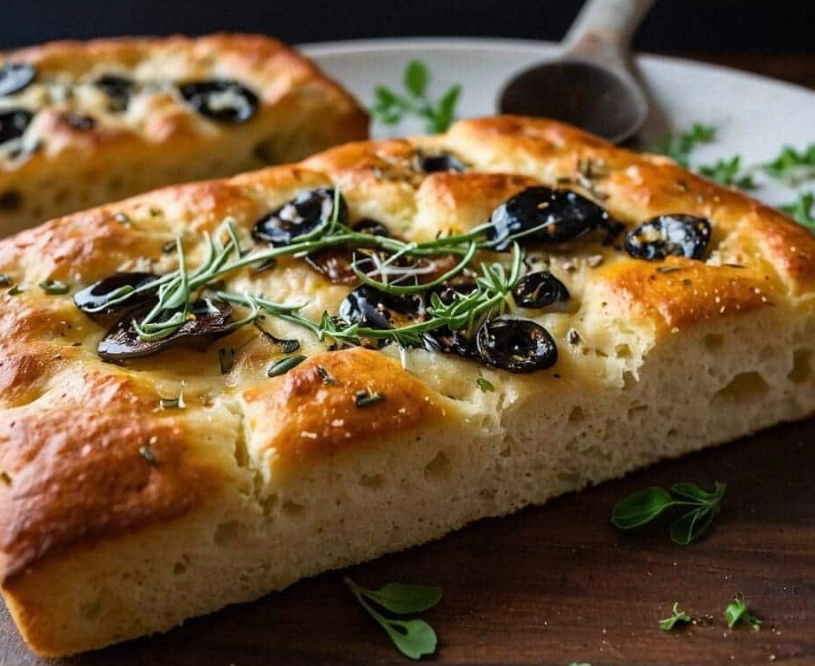
How to serve it? Tear it apart with your hands. Dip it in good quality balsamic vinegar and olive oil. Use it for sandwiches (it makes an incredible panini). Or simply enjoy it plain—it's that good.
Storing it right is key. Wheat-free bread dries out faster. Once completely cool, wrap it tightly in beeswax wrap or place it in an airtight container at room temperature for up to 2 days. For longer storage, slice it, wrap it well, and freeze it for up to 3 months. Toast slices straight from the freezer.
Expert Tips & Answering Your Focaccia Questions
After baking this recipe dozens of times, here are the nuances most guides won't tell you.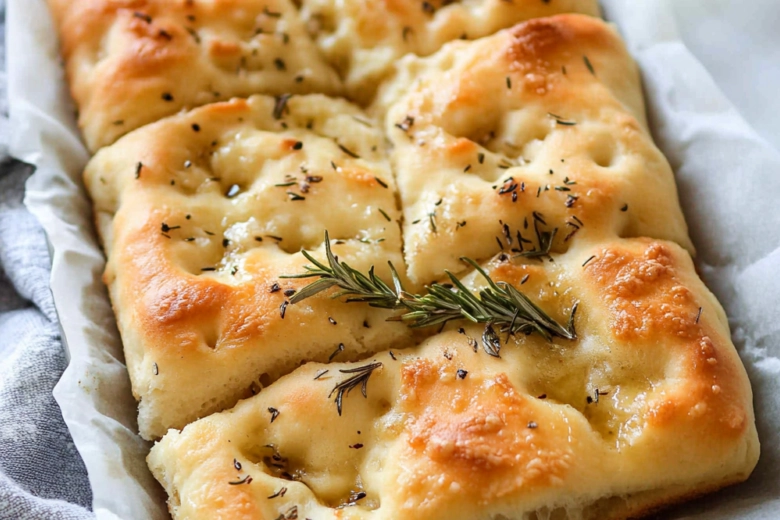
 How can I tell if my wheat free focaccia is fully baked inside?
This wheat free focaccia bread recipe is a project, but a deeply rewarding one. It proves that dietary restrictions don't mean settling for less. They can be an invitation to get creative, understand ingredients on a deeper level, and bake something truly special. Now, go get your hands sticky.