Let's be honest. Most raspberry puree recipes you find online are basically the same: blend berries, maybe add sugar, strain. But getting a puree that's the right consistency—not too runny, not too thick—and actually tastes like bright, tangy raspberries instead of just sweet syrup? That's the trick. I've made gallons of this stuff over the years, for everything from fancy restaurant desserts to my kid's morning yogurt. I've also made every mistake possible, so you don't have to.
This isn't just a recipe. It's a blueprint for a kitchen staple that will make your cooking and baking infinitely better.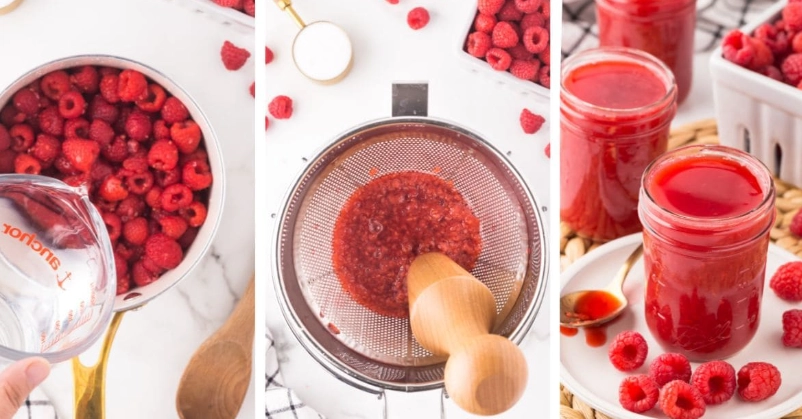
What You'll Find Inside
Why This Raspberry Puree Actually Works
Most recipes get one thing fundamentally wrong: they tell you to cook the raspberries. Heat destroys the vibrant, fresh flavor and that gorgeous red color, turning it muddy. The secret is minimal heat, just enough to melt the sugar and help the flavors marry without turning your berries into jam.
Another thing? Seed anxiety. Straining is optional. For a smooth coulis for drizzling under a cheesecake, yes, strain it. But for folding into batter or mixing into oatmeal, those tiny seeds add texture and fiber. I almost never strain mine unless I'm going for a super-refined presentation.
This method preserves the fruit's character. It gives you control over sweetness and texture. And it takes about 15 minutes from fridge to jar.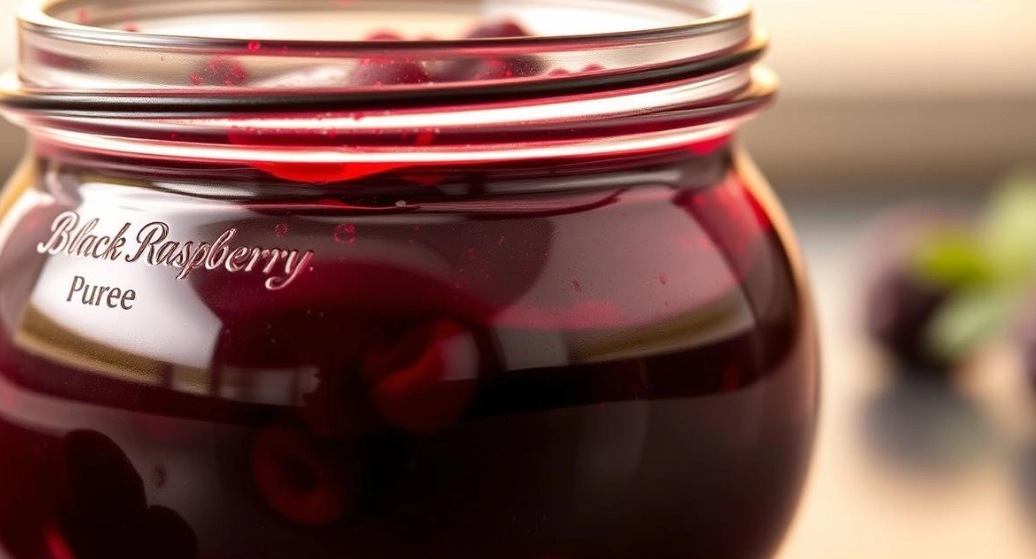
The 3-Ingredient Breakdown (And Smart Swaps)
You only need three things. The quality of the first one makes all the difference.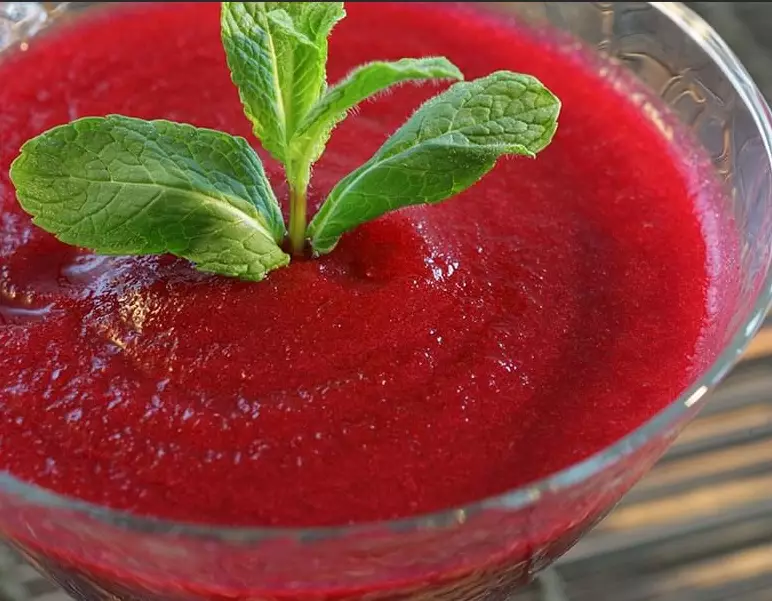
Raspberries (12 oz / 340g): Fresh or frozen? This is the big debate. Fresh, ripe summer berries are unbeatable for flavor. But frozen raspberries are my unsung hero. They're frozen at peak ripeness, are available year-round, and are often more affordable. For a puree, they work perfectly. Just thaw them first—the released juices are part of the deal.
Sweetener (3-5 tbsp): Granulated sugar is standard. It dissolves easily. But this is where you can personalize. The tartness of berries varies wildly. Start with 3 tablespoons, taste after blending, then add more. Here's a quick comparison of your options:
| Sweetener | Best For | Note |
|---|---|---|
| Granulated Sugar | All-purpose, longest shelf life | Dissolves cleanly, doesn't alter flavor. |
| Honey or Maple Syrup | A more complex, floral note | Adds its own flavor. Use 2-3 tbsp. |
| Powdered Sugar | Quick dissolving, extra smooth texture | Contains cornstarch, which can slightly thicken. |
| No Sugar | Pure tartness for sugar-free diets | Puree will be very tart and have a shorter fridge life. |
Acid (1 tsp): Fresh lemon juice or lime juice. This is non-negotiable. It's not for tartness—the berries have that covered. Acid is a flavor brightener. It makes the raspberry taste pop and helps preserve the color. Don't skip it.
The Foolproof Step-by-Step Process
Grab a medium saucepan, a blender or food processor, and a fine-mesh sieve if you're straining.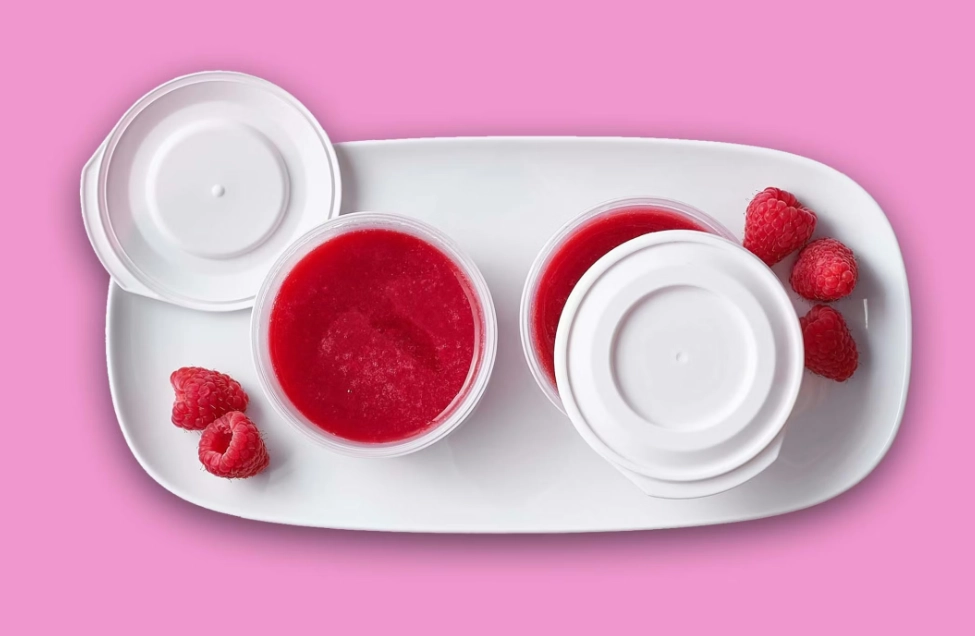
Step 1: Gentle Maceration
In the saucepan, combine the raspberries and your chosen sweetener. Use a fork or potato masher to lightly crush about half the berries. This isn't about making mush; it's about breaking some skins to release juice. Let it sit for 5-10 minutes. You'll see a pool of liquid form. This natural juice is what we'll use to create a syrup, minimizing added water.
Step 2: The Low-Heat Simmer
Place the saucepan over low to medium-low heat. Stir gently until the sugar is fully dissolved and the mixture is just warm to the touch and bubbling slightly at the edges. This should take 3-5 minutes. Do not let it boil vigorously. You're not making jam. You're just dissolving sugar and warming the fruit.
Turn off the heat.
Step 3: Blend & Brighten
Carefully transfer the warm berry mixture to your blender. Add the lemon juice. Blend until completely smooth. This is the point where you decide on seeds. For a silky puree (often called a coulis), pour it through a fine-mesh sieve into a bowl, pressing with a spatula. It takes a bit of elbow grease, but you're left with a stunning, seed-free sauce.
For most everyday uses, I just blend it well and call it a day. The seeds don't bother me.
3 Common Pitfalls & How to Avoid Them
I've messed up so you don't have to.
1. The Watery Puree. This happens if you use frozen berries and don't account for the extra water they release when thawing. Solution: If your puree looks too thin after blending, pour it back into the clean saucepan. Simmer on low for an extra 2-3 minutes to reduce and concentrate it. Let it cool again.
2. The Dull, Brownish Color. High heat and oxidation are the culprits. Solution: Keep the heat low and add the lemon juice right at the blending stage. The acid helps lock in the red. Also, store it in an airtight container.
3. The Too-Sweet, Cloying Taste. You added all the sugar at the start without tasting. Solution: Sweeten in stages. Start with the lower amount. After blending, taste. Remember, it will taste slightly less sweet once chilled and when paired with other foods like yogurt or cake.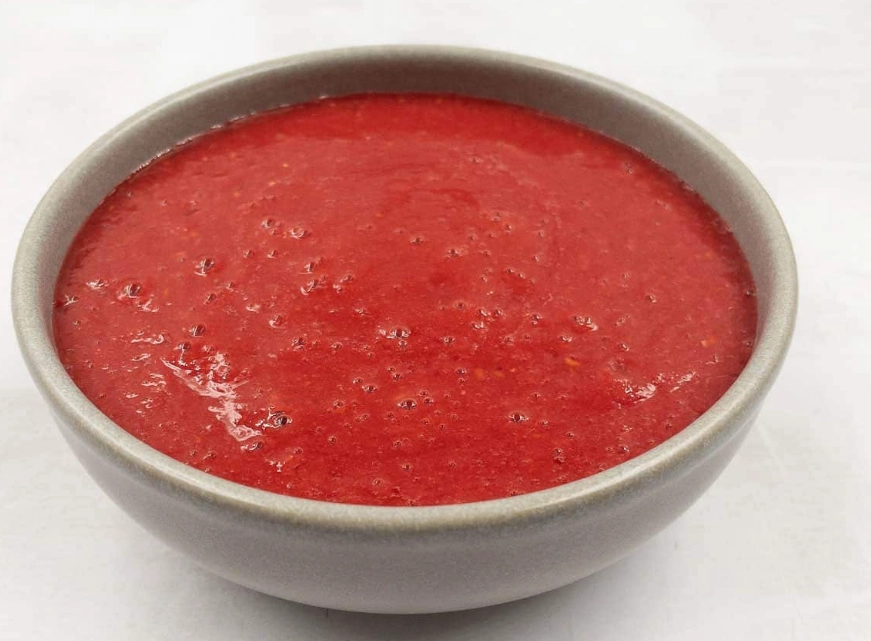
How to Store & Freeze It Right
Let the puree cool completely at room temperature before storing. Pour it into a clean glass jar or airtight container.
Fridge: It will keep for up to 5-7 days. A thin layer may darken on top; just stir it in.
Freezer: This is the best trick. Freeze it in an ice cube tray. Once solid, pop the cubes into a freezer bag. You'll have perfect 2-tablespoon portions ready to go for smoothies, oatmeal, or to melt into a quick sauce. It keeps for 6 months.
10+ Ways to Use Your Raspberry Puree
This is where the magic happens. That jar in your fridge is a flavor bomb waiting to be deployed.
- Breakfast: Swirl into plain yogurt, oatmeal, or chia pudding. Drizzle over pancakes or French toast instead of syrup.
- Drinks: Stir a spoonful into lemonade or iced tea. Make a raspberry latte by adding some to your milk before frothing. It's the base for incredible cocktails and mocktails.
- Desserts: The classic use. A pool under cheesecake, panna cotta, or vanilla ice cream. Fold it into whipped cream for a foolproof fruit fool. Use it as a cake filling or to flavor buttercream.
- Sauces & Glazes: Thin it slightly with water or orange juice for a salad dressing base. Brush it on grilled chicken or pork during the last few minutes of cooking.
- Baking: Replace some of the liquid in muffin or quick bread recipes with puree for moisture and flavor. Marble it into brownie or cheesecake batter.
Once you start using it, you'll find new applications every week.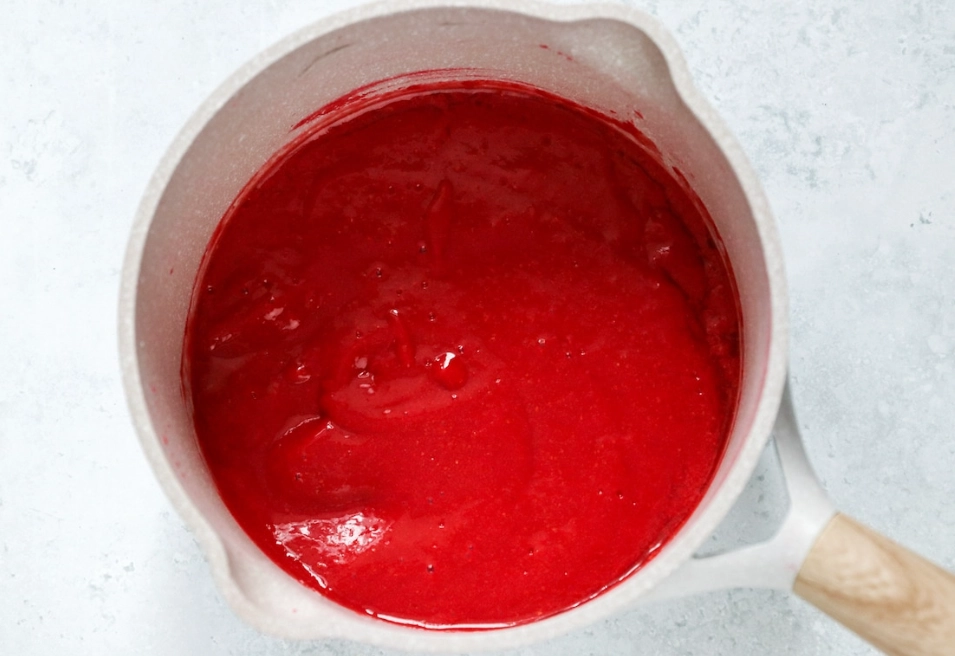
Your Raspberry Puree Questions, Answered
 Can I use this same method for other berries like blackberries or strawberries?