Let's be honest. The idea of making a traditional Filipino Mechado—that rich, tomato-based beef stew with melt-in-your-mouth meat and potatoes—on a busy Tuesday sounds like a fantasy. All that browning, simmering, watching the pot... who has the time?
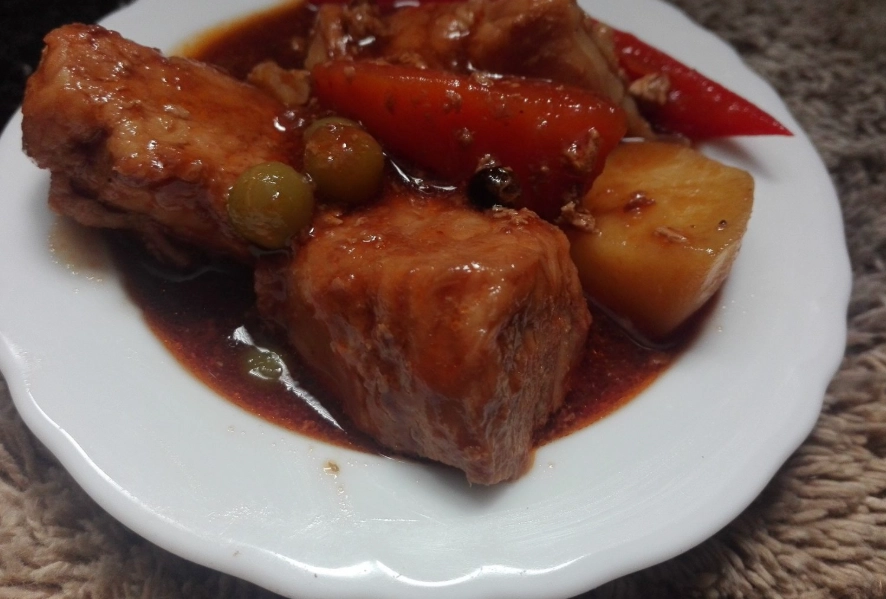
I didn't, until I completely shifted my approach. The slow cooker changed everything for me and this classic dish. It's not just about convenience; it's about unlocking a depth of flavor and tenderness that's actually hard to achieve on the stovetop without constant attention. This isn't a "hack." It's how I make my family's mechado now, period. The result is incredibly tender beef that shreds with a fork, swimming in a deeply savory, slightly sweet sauce that's perfect over rice.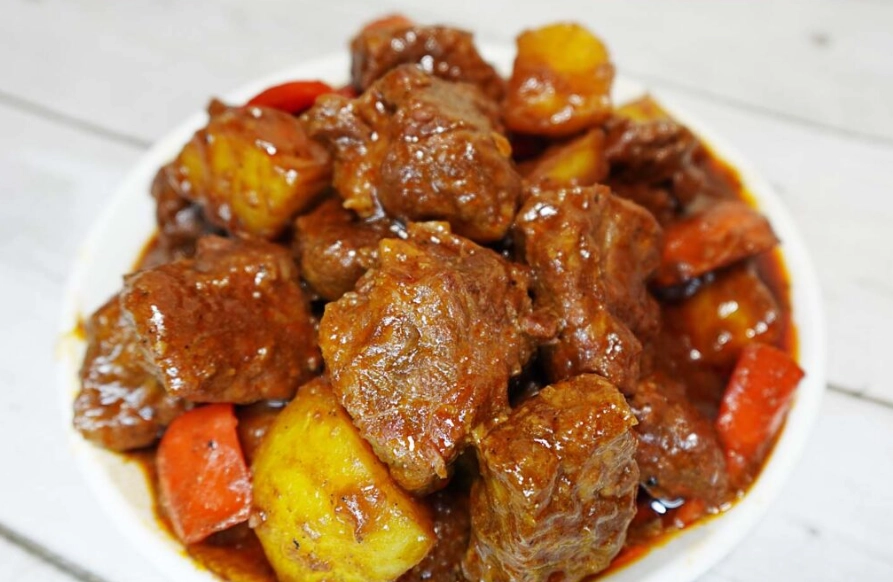
If you've been searching for a slow cooker mechado recipe that doesn't taste like a compromise, you've found it. This guide walks you through every step, highlights the pitfalls most recipes gloss over, and answers the questions you're actually asking.
Your Slow-Cooked Mechado Roadmap
- Why the Slow Cooker is a Mechado Game-Changer
- The Mechado Ingredients: What Matters and What Doesn't
- Step-by-Step: Building Flavor Before the Slow Cooker
- Slow Cooker Timing and Final Touches
- 3 Common Slow Cooker Mechado Mistakes (And How to Avoid Them)
- Serving, Storing, and Reheating Your Mechado
- Your Mechado Questions, Answered
Why the Slow Cooker is a Mechado Game-Changer
Mechado is a braise. Its magic happens when tough, flavorful cuts of beef cook low and slow in liquid, allowing connective tissue to break down into gelatin. This transforms chewy meat into something sublime. The stovetop can do this, but it requires a vigilant eye on the heat to maintain a bare simmer. Too high, and the meat toughens; too low, and nothing happens.
The slow cooker's enclosed, steady, low-heat environment is a braising powerhouse. It maintains the perfect temperature for hours, ensuring consistent, gentle cooking. You get guaranteed tenderness every single time. The other win? Set-and-forget simplicity. Do the quick prep in the morning or during your lunch break, let it cook all day, and come home to a kitchen smelling incredible and a dinner that's essentially ready.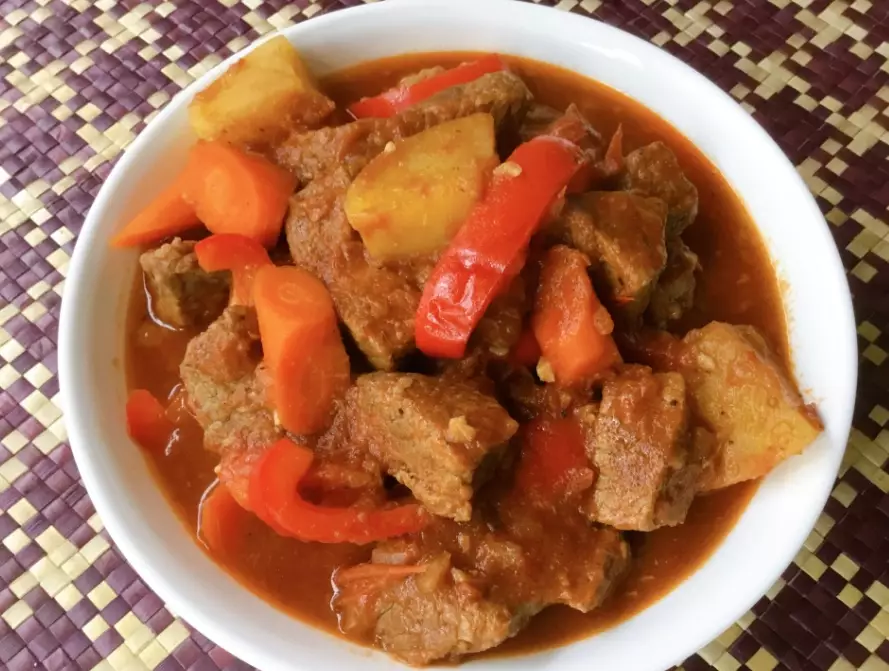
The Mechado Ingredients: What Matters and What Doesn't
Here's what you'll need. I've organized it to show why each component is there.
| Ingredient | Purpose & Notes |
|---|---|
| Beef Chuck Roast (2-3 lbs) | The star. Chuck is perfect for slow cooking—well-marbled with connective tissue that melts. Cut into 1.5-inch cubes. Avoid lean cuts like sirloin; they'll dry out. |
| Soy Sauce (1/4 cup) | Provides the foundational salty, umami depth. Use a regular Filipino brand like Silver Swan or Datu Puti for authenticity. |
| Calamansi Juice or Lemon Juice (3 tbsp) | The crucial acid that brightens the rich stew. Fresh is best, but bottled calamansi works. |
| Tomato Sauce (1 can, 8 oz) | Forms the base of the gravy. Use plain tomato sauce, not pasta sauce. |
| Beef Broth (1 cup) | Adds liquid and more meaty flavor. Low-sodium is best since soy sauce is salty. |
| Onion, Garlic, Bay Leaves | The aromatic holy trinity. Slice the onion; mince the garlic finely. Don't skip the bay leaves. |
| Potatoes & Carrots | Classic vegetables that soak up the sauce. Cut them large (2-inch chunks) so they don't disintegrate. |
| Fish Sauce (Patis) (1 tbsp) | The secret weapon. It doesn't taste fishy; it adds a complex, savory backbone. Trust me on this. |
| Peppercorns, Sugar | Balance. Whole peppercorns for gentle heat, a pinch of sugar to round out the tomato's acidity. |
Step-by-Step: Building Flavor Before the Slow Cooker
This is the 15-minute active work that pays off huge. Don't be tempted to just dump everything in the pot.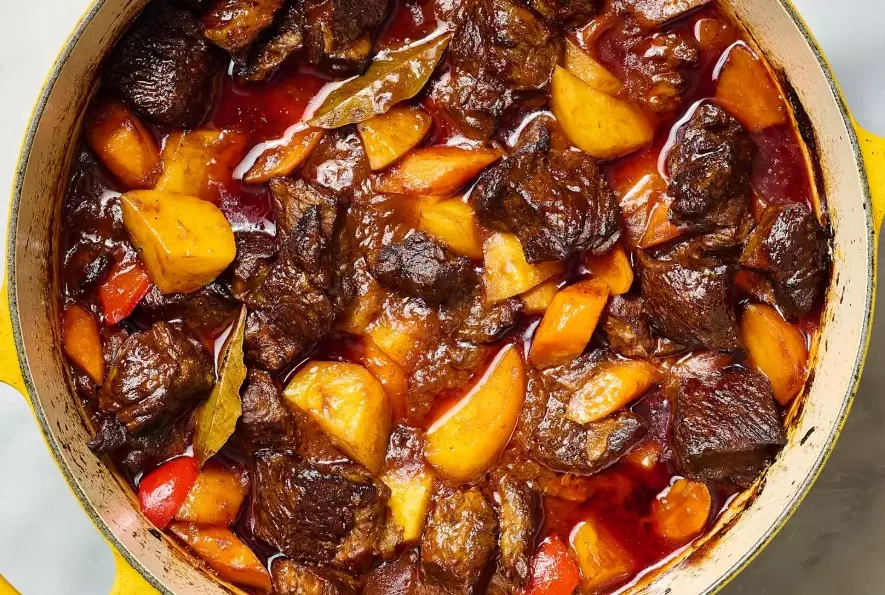
1. Brown the Beef. Actually Brown It.
Pat your beef cubes very dry with paper towels. This is critical. Wet meat steams; dry meat browns. Heat a tablespoon of oil in a heavy skillet over medium-high heat. Don't crowd the pan—work in batches. Sear the beef until you get a deep, crusty brown on at least two sides. This isn't just for color; it's the Maillard reaction, creating rich, savory flavors. Those browned bits stuck to the pan (the fond) are liquid gold. Transfer the beef to your slow cooker.
2. Sauté the Aromatics in the Same Pan
In the same skillet with the beef drippings and fond, add a bit more oil if needed. Sauté the sliced onions until softened, then add the minced garlic and cook for just 30 seconds until fragrant. Pour in about half of the beef broth and use a wooden spoon to scrape up all the browned fond from the pan bottom. This process, called deglazing, captures all that flavor. Pour this entire mixture over the beef in the slow cooker.
3. Assemble in the Slow Cooker
To the slow cooker with the beef and aromatics, add the tomato sauce, soy sauce, calamansi juice, remaining beef broth, fish sauce, bay leaves, whole peppercorns, and sugar. Stir to combine. Place the large chunks of potatoes and carrots on top—don't submerge them yet. This helps them steam slightly and not get too mushy during the long cook.
Slow Cooker Timing and Final Touches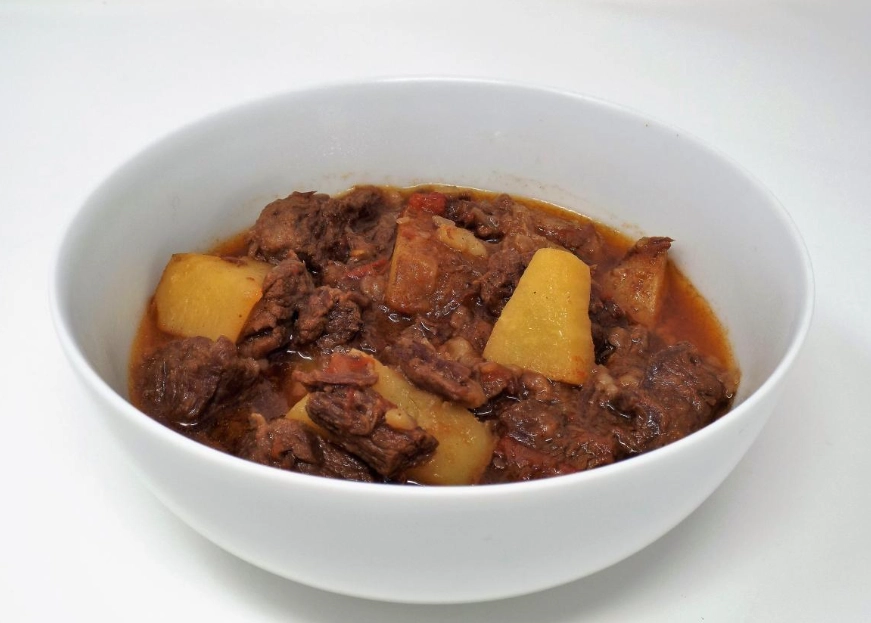
Cover and cook. Here's your flexibility:
- Low for 8 hours: The ideal setting. The beef will be fall-apart tender, and the fat will have fully rendered.
- High for 4-5 hours: A good shortcut, but check tenderness at 4 hours. The texture might be slightly less shreddy.
About 30 minutes before serving, gently stir the potatoes and carrots down into the sauce to let them finish cooking directly in the liquid. This is also the time to check the sauce. Slow cookers trap steam, so your sauce might be thinner than you want.
To thicken: Mix 2 tablespoons of cornstarch with 3 tablespoons of cold water in a small bowl until smooth. Stir this slurry into the simmering stew in the slow cooker. Replace the lid and cook on High for the final 20-30 minutes. The sauce will thicken into a beautiful, glossy gravy.
Taste and adjust seasoning. You might need an extra dash of fish sauce or a squeeze of calamansi. Discard the bay leaves.
3 Common Slow Cooker Mechado Mistakes (And How to Avoid Them)
I've made these so you don't have to.
Mistake 1: Using the wrong cut of beef. Tenderloin or sirloin will become dry and stringy. Stick with chuck, brisket, or short ribs—cuts with fat and collagen.
Mistake 2: Adding dairy (like liver spread or cheese) too early. If you're adding liver spread (a common addition), stir it in during the last 30 minutes of cooking. Adding it at the start can cause it to break or develop a grainy texture over the long cook.
Mistake 3: Cutting vegetables too small. Potatoes and carrots turn to mush after 8 hours if diced small. Large, hearty chunks are the way to go. If you want green beans or bell peppers, add them in the last hour.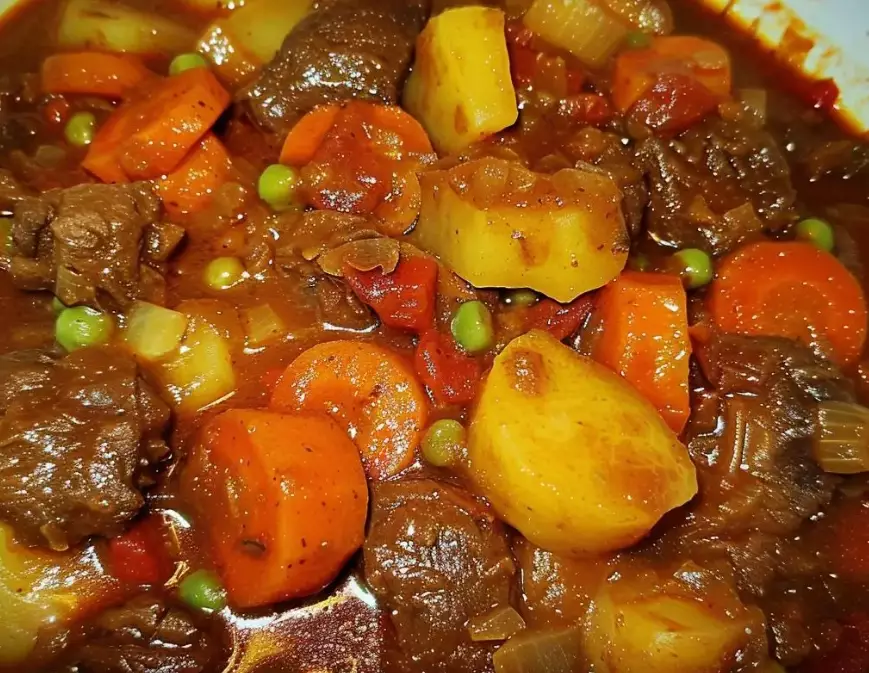
Serving, Storing, and Reheating Your Mechado
Ladle the hot mechado over a mountain of freshly steamed white rice. That's the only mandatory pairing.
Let any leftovers cool completely before storing in an airtight container in the fridge. It will keep for up to 4 days. The flavor often tastes even better the next day as the ingredients continue to meld.
To reheat, do it gently on the stovetop over low heat, adding a splash of water or broth if the sauce has thickened too much. You can also reheat single portions in the microwave, covered, stirring halfway through.
It freezes beautifully for up to 3 months. Thaw overnight in the fridge before reheating.
Your Mechado Questions, Answered
 The potatoes dissolved into my sauce. How do I prevent vegetable mush?