If you've ever been to the Philippines just after sunrise, you've heard the call. A melodic, drawn-out "tahoooo!" echoing down the street. You see a vendor with two large aluminum buckets balanced on a pole. That's taho. So, what is taho called in English? The direct, one-word translation is "soybean curd" or more commonly, "silken tofu." But here's the catch—if you just ask for "silken tofu" at a store, you'll get a bland block of white. You'll miss the magic. The name "taho" specifically refers to the complete, ready-to-eat street food dish: warm, silken tofu drowned in a sweet, dark syrup (arnibal) and topped with chewy tapioca pearls (sago). No single English term perfectly captures that. You have to describe it.
Your Quick Guide to Taho
What Exactly is Taho?
Let's break it down. Taho isn't complicated. It's three components working in perfect harmony.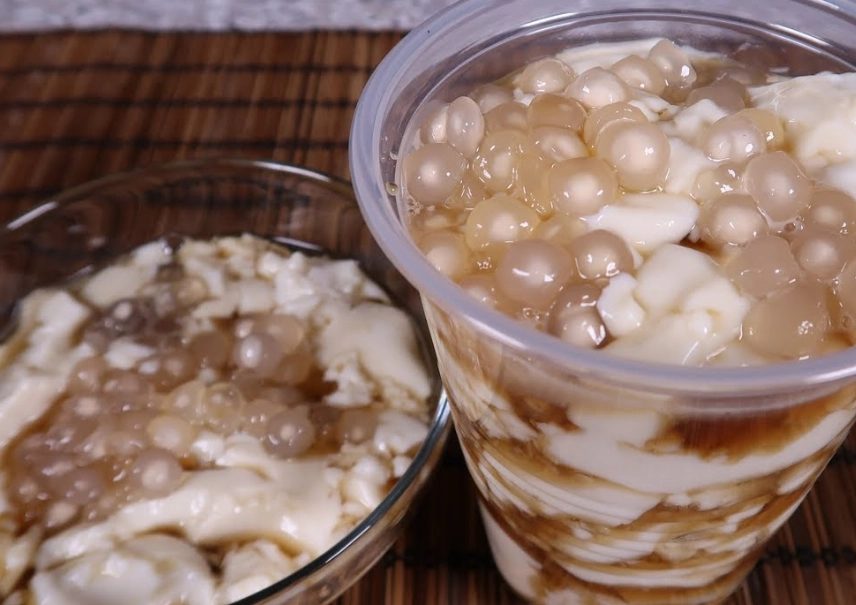
The Core Trinity: Silken Tofu + Arnibal (Syrup) + Sago (Pearls). Miss one, and it's not taho.
The tofu is the star. It's not the firm tofu you stir-fry. It's extra-soft silken tofu (kinugoshi dofu in Japanese terms), with a custard-like, jiggly texture that melts on your tongue. It's freshly made and kept warm in the vendor's bucket.
The arnibal is what makes it a dessert. It's simply brown sugar (sometimes muscovado for a deeper flavor) and water, simmered until slightly thickened. It's sweet, with a hint of caramel, but not cloying.
The sago pearls are the fun part. They're small, chewy balls made from tapioca starch, providing a textural contrast to the soft tofu and syrup. They're cooked until translucent.
A taho vendor assembles it in a plastic cup in seconds: a generous scoop of warm tofu, a ladle of hot arnibal, and a spoonful of sago on top. It's served immediately. The warmth is non-negotiable. Cold taho is a sad, separated thing.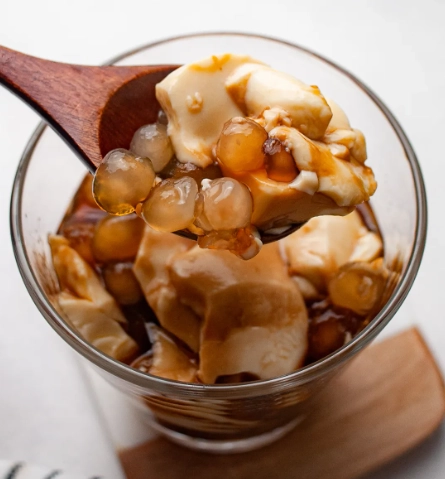
Why the English Name "Silken Tofu" is a Problem
Calling taho just "silken tofu" is like calling a banana split "a banana." Technically true, but you're missing 90% of the experience and 100% of the point. This translation gap causes real confusion for travelers and food enthusiasts.
I've seen visitors look at taho and think it's some kind of weird, warm pudding. Or they buy silken tofu from an Asian grocery, try to eat it plain, and wonder what the fuss is about. The disconnect is total.
The more descriptive English terms you'll see are "sweet tofu pudding" or "Filipino tofu dessert." These are better. "Pudding" hints at the dessert nature, though the texture is far lighter than a Western custard pudding. When explaining it to friends, I say: "It's a warm Filipino street dessert made of soft tofu, brown sugar syrup, and tapioca pearls." That always clicks.
The takeaway? Don't get hung up on a one-word translation. Understand the components. The name "taho" itself is the most accurate term for this specific dish.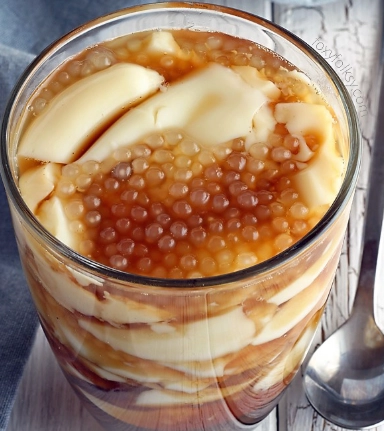
How Do You Eat Taho? (The Right Way and Common Mistakes)
You get your cup. It's warm. Now what? Don't just dig in with a spoon.
The key is gentle, vertical integration. Use your spoon to go from the top (sago) all the way down to the bottom, getting a bit of each layer in one scoop. You want the syrup to mix with the tofu, but not so violently that you turn the whole cup into a homogenous beige mush. The goal is to have varying ratios of tofu-to-syrup in each bite.
A common rookie mistake? Stirring it all up immediately like a yogurt. You lose the layered experience. Another is eating it too slowly. The warmth is essential. As it cools, the tofu can weep water and the syrup sinks, making the bottom overly sweet and the top bland. Drink it like a warm, chunky smoothie towards the end if you want.
There's no fancy setting. You stand on the sidewalk. You eat it with a plastic spoon. You might get a bit of syrup on your hand. That's part of it.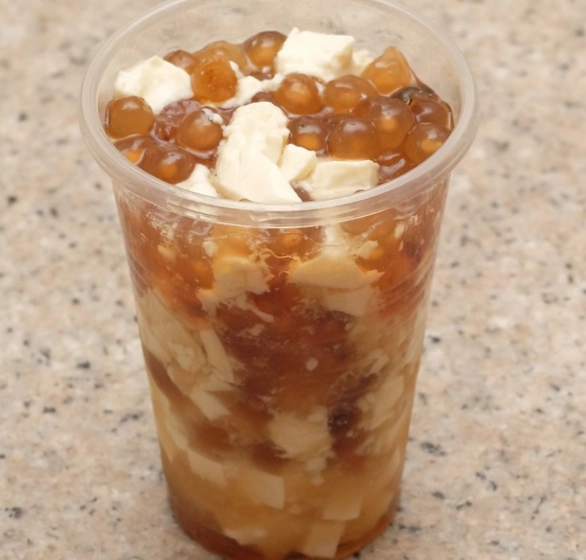
How to Make Taho at Home: A Simple Recipe
Can't fly to Manila? No problem. Making taho at home is surprisingly simple and lets you control the sweetness. The biggest hurdle is finding the right tofu.
What you need:
| Ingredient | Specifics & Why It Matters | Where to Find |
|---|---|---|
| Silken Tofu | Must be silken or soft silken. Mori-Nu brand in shelf-stable boxes works perfectly. Do NOT use firm, medium, or even "soft" (non-silken) tofu. The texture will be wrong. | Asian grocery stores, well-stocked supermarkets in the international aisle. |
| Brown Sugar | Dark brown sugar or muscovado sugar for a richer, molasses-like flavor. White sugar makes a pale, less interesting syrup. | Any supermarket. |
| Tapioca Pearls (Sago) | Small (mini) tapioca pearls. Not the large boba ones. You can also use sago pearls, which are similar. | Asian grocery stores, online. |
| Water | For the syrup and cooking the pearls. | Your tap. |
The Process:
- Cook the Sago Pearls: Boil water, add pearls. Stir to prevent sticking. Cook for 10-15 mins until translucent, then cover and let sit off heat for another 10 mins. Rinse under cold water, drain, set aside.
- Make the Arnibal (Syrup): Combine 1 cup brown sugar and 1 cup water in a saucepan. Heat on medium until sugar dissolves. Let it simmer for 5-7 minutes until it thickens slightly. It will thicken more as it cools. Set aside.
- Prepare the Tofu: Gently open your silken tofu. You can serve it straight from the package if it's room temp, but for authentic warmth, steam it carefully. Place the whole container (if microwave-safe) or the tofu on a plate in a steamer for 5-7 minutes. Do not boil or microwave aggressively, or it'll become grainy.
- Assemble: Scoop warm tofu into a bowl or cup. Pour warm arnibal over it. Top with a spoonful of sago pearls.
It's that simple. The whole process takes about 30 minutes. The expert home tip? Add a tiny pinch of salt to your arnibal. It doesn't make it salty; it makes the sweetness more complex and rounded. Most street vendors won't do this, but it's a chef's trick that elevates it.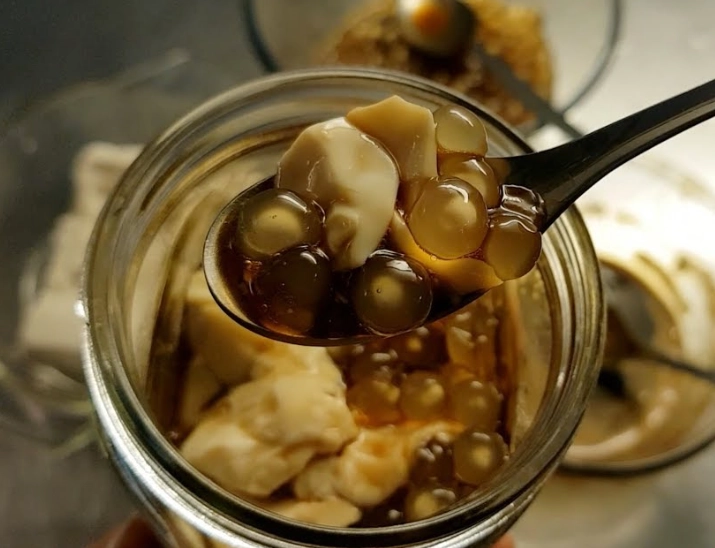
Where to Find Taho in the Philippines and Abroad
In the Philippines, you don't find taho—it finds you. From about 6 AM to 10 AM, vendors walk residential streets and busy corners. In business districts, they might appear in the afternoon for a snack break. There's no fixed address. Just listen for the call. In historic areas like Intramuros, Manila, you'll definitely find them around tourists.
Price? Incredibly cheap. Usually between PHP 20 to PHP 40 (about $0.35 to $0.70) depending on cup size.
Outside the Philippines, it's trickier. You won't find roaming taho vendors in New York or London. Your best bets are:
- Filipino Restaurants & Bakeries: Some might offer it as a dessert, especially on weekends.
- Large Filipino Community Events: Festivals, town fiestas, and food fairs often have stalls selling it.
- Your Own Kitchen: As outlined above, this is the most reliable method.
Some Asian dessert shops in cities with large Southeast Asian populations (like Los Angeles, San Francisco, Toronto) might have a version on their menu, sometimes called "Filipino Tofu Pudding."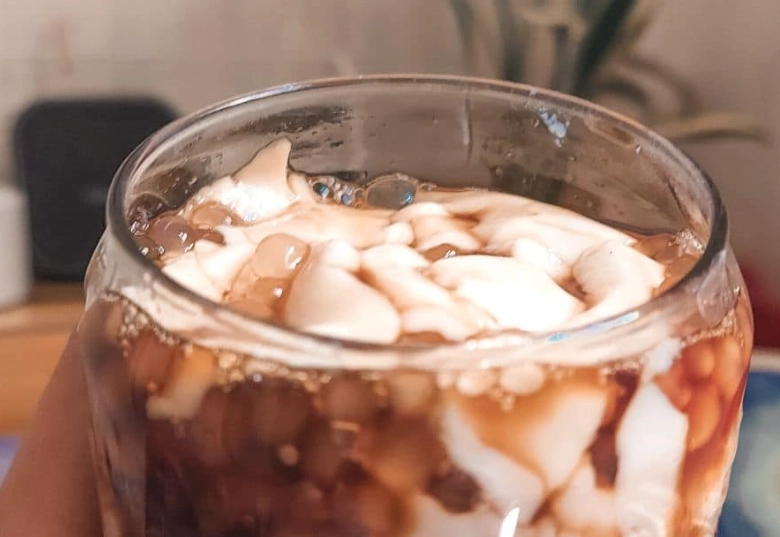
Your Taho Questions, Answered
So, what is taho called in English? You now know it's more than a name. It's warm silken tofu with brown sugar syrup and tapioca pearls. It's a morning ritual, a taste of home for millions, and a perfect example of how simple ingredients create something uniquely comforting. Don't just look for a translation. Look for the experience—or better yet, make it yourself.