Let's be honest. Most "quick" pho recipes online are a compromise. They give you something that looks like pho, smells a bit like pho, but the broth lacks that soul-warming depth you get from a proper bowl in Little Saigon or Hanoi. The real thing isn't complicated, but it does ask for your time and attention to detail. This isn't about shortcuts; it's about the traditional pho recipe that builds flavor the right way. I learned this from watching my friend's grandmother in Orange County for years, and I've made every mistake so you don't have to.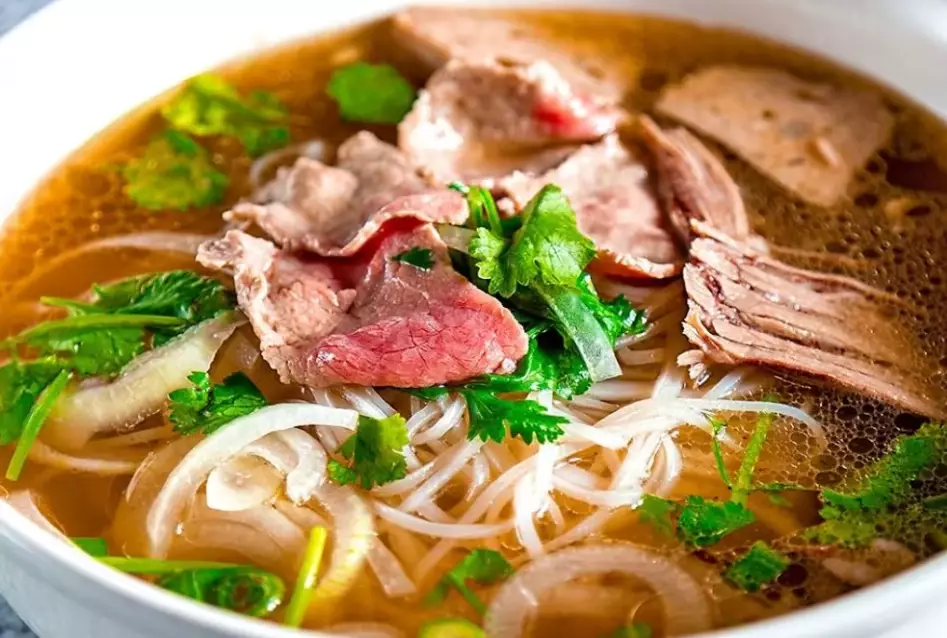
What You'll Learn in This Guide
The Broth Foundation: Bones, Charred Aromatics & Spices
The broth is everything. It's not just stock. It's a clear, fragrant, deeply savory liquid that comes from three pillars.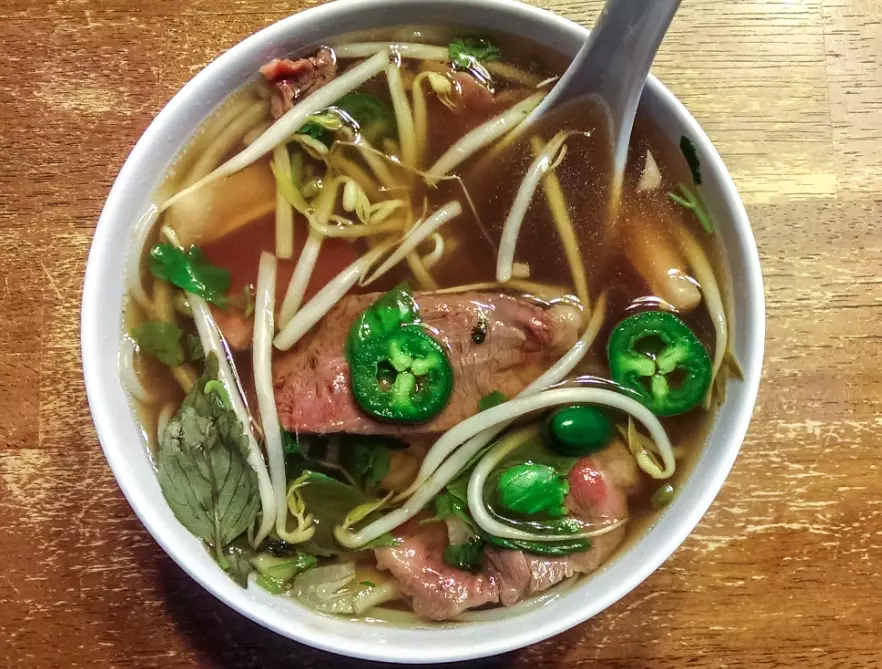
First, the bones. You want a mix for flavor and gelatin. I use about 4-5 pounds total. Get beef marrow bones (knuckle or leg bones) from a good butcher. Ask them to cut them into 2-3 inch pieces. Also, get some meaty bones like oxtail or beef neck. The meat adds another layer of flavor as it simmers. Don't just use soup bones from the supermarket—they're often too clean and give weak results.
Second, the char. This is non-negotiable. Onions and ginger. Don't peel them first. Throw two large yellow onions and a 4-inch piece of ginger directly on your gas burner flame. Turn them with tongs until the skins are completely blackened and blistered. If you don't have a gas stove, broil them on high. This charring isn't for show—it adds a crucial smoky, sweet depth that raw or sautéed aromatics can't provide. A common error is not charring enough. You need that carbon-black skin.
Third, the spice pouch. The classic authentic pho spice blend is warm and floral. You'll need star anise, cloves, cinnamon stick, coriander seeds, and cardamom pods. Toast them in a dry pan for a minute until fragrant. It wakes up the oils. Then tie them in a cheesecloth sachet. Don't just throw them in loose—you'll spend forever fishing them out later.
How to Prepare the Traditional Pho Broth (Step-by-Step)
This is the process. Respect it, and you'll be rewarded.
Step 1: The Critical Blanch
Put all your bones in a giant stockpot. Cover with cold water by two inches. Bring it to a rolling boil. Let it boil hard for 5-10 minutes. You'll see grayish-brown scum foam up. This is impurities and blood. Skim it off, but more importantly, dump all the water out. Rinse the bones under cold water and scrub the pot clean. This step is what gives you a clear broth later. Skipping it means a murky, slightly off-tasting soup. It's the single most important tip I can give you.
Step 2: The Long Simmer
Return the cleaned bones to the clean pot. Cover with about 6 quarts of fresh, cold water. Bring to a boil, then immediately reduce to the gentlest simmer—just a few bubbles breaking the surface. Add your charred onions and ginger (just rinse off the black skin under water, it slides right off). Add the spice pouch. Now, leave it alone for at least 6 hours, preferably 8-12. I often start it in the evening and let it go overnight on the lowest heat.
The goal is extraction, not evaporation. Keep it covered, and only peek occasionally to make sure it's not boiling. Boiling makes the broth cloudy and can make it taste bitter.
Step 3: Seasoning & Straining
After the long simmer, turn off the heat. Fish out the bones, aromatics, and spice pouch. Now, season the broth. This is key: you season at the end. Start with fish sauce—about 1/3 to 1/2 cup. Then add rock sugar or plain white sugar, about 2-3 tablespoons. Taste. It should be savory first, with a subtle sweetness and the aroma of spices in the background. Salt to taste if needed. The fish sauce provides saltiness and umami. Don't be shy with it.
Strain the broth through a fine-mesh sieve lined with cheesecloth. You want it crystal clear. Let it cool, then skim off any fat that solidifies on top (you can save some to add back later for richness).
Pro-Tip: Many recipes tell you to add spices at the beginning of the long simmer. That's a mistake. The volatile oils in spices like star anise and cloves can turn bitter after many hours. Instead, add your spice pouch for only the last 60-90 minutes of cooking. You get all the aroma without the risk of bitterness.
How to Assemble a Perfect Bowl of Pho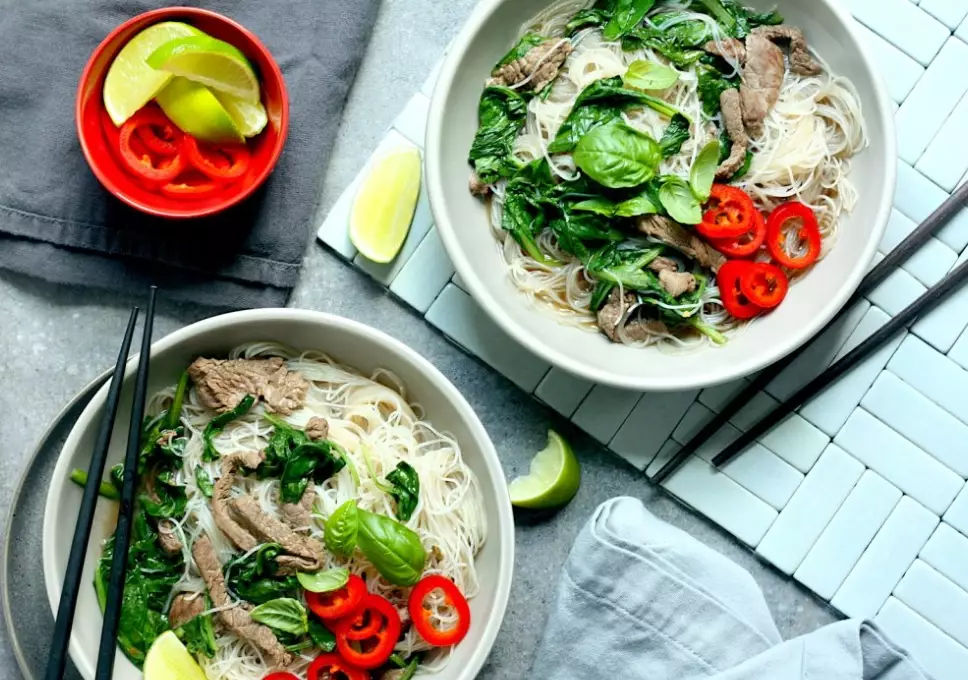
Your broth is ready. Now, the assembly is a quick dance.
| Ingredient | Type & Preparation | Purpose |
|---|---|---|
| Rice Noodles | Banh pho, 1/4-inch wide (dried). Soak in warm water for 30 mins until pliable. | The foundation. They should be tender but with a slight chew. |
| Protein | Thinly sliced raw beef sirloin or eye round (freeze for 15 mins to slice paper-thin). Pre-cooked brisket or meatballs (optional). | The raw beef cooks instantly in the hot broth. Pre-cooked meats add texture. |
| Broth | Your clear, seasoned broth. Reheat to a rolling boil. | Must be piping hot to cook the raw beef and warm the noodles. |
| Herbs & Garnishes | Thai basil, cilantro, sawtooth herb (ngo gai), bean sprouts, lime wedges, sliced jalapeños. | Freshness, crunch, acidity, and heat. Customize to your taste. |
| Sauces | Hoisin sauce, Sriracha or chili garlic sauce (Tuong Ot Toi). | For dipping the meat or adding directly to the bowl. |
Here's the drill. Bring a pot of water to boil for the noodles. In each bowl, place a portion of soaked noodles (about 2 oz dried per bowl). Blanch them in the boiling water for just 10-15 seconds until hot and tender. Drain and divide among bowls. Top with your raw beef slices and any other cooked meats.
Now, the magic moment. Ladle the scalding hot broth directly over the raw meat. The heat will cook it perfectly to a tender medium-rare. Immediately bring the bowl to the table.
Serve with the platter of herbs, sprouts, lime, and sauces. Let everyone add what they want. The first sip of that broth, before adding anything else, is the true test.
Common Mistakes & How to Avoid Them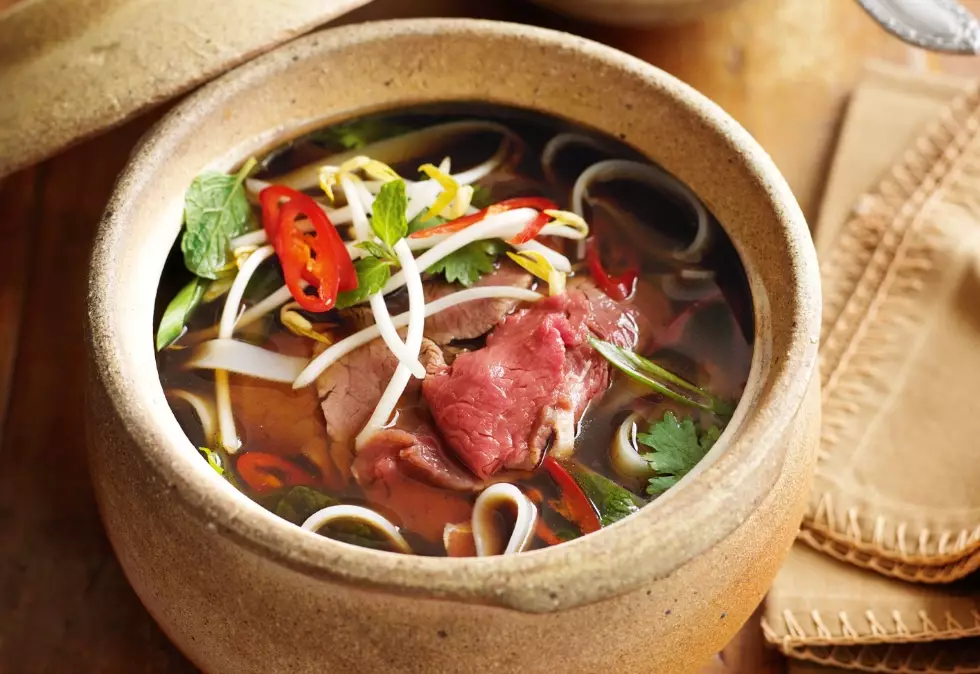
I've messed up a lot of pots of pho. Here's what goes wrong.
Cloudy Broth: You didn't blanch the bones thoroughly, or you let the broth boil instead of simmer. Start with a vigorous blanch and maintain the gentlest possible simmer.
Weak Flavor: Not enough bones, or the wrong bones. Use a high bone-to-water ratio (4-5 lbs for 6 quarts). Using only marrow bones without meaty ones also results in a less rounded flavor.
Bitter or Overpowering Spice Taste: You left the spice pouch in for the entire 12 hours. Or you burned the spices while toasting. Toast just until fragrant, and add them only for the last hour or two of cooking.
Soggy, Mushy Noodles: You boiled the dried noodles directly in the broth or for too long. Always soak first, then give them a quick, separate blanch just before serving.
Your Pho Recipe Questions Answered
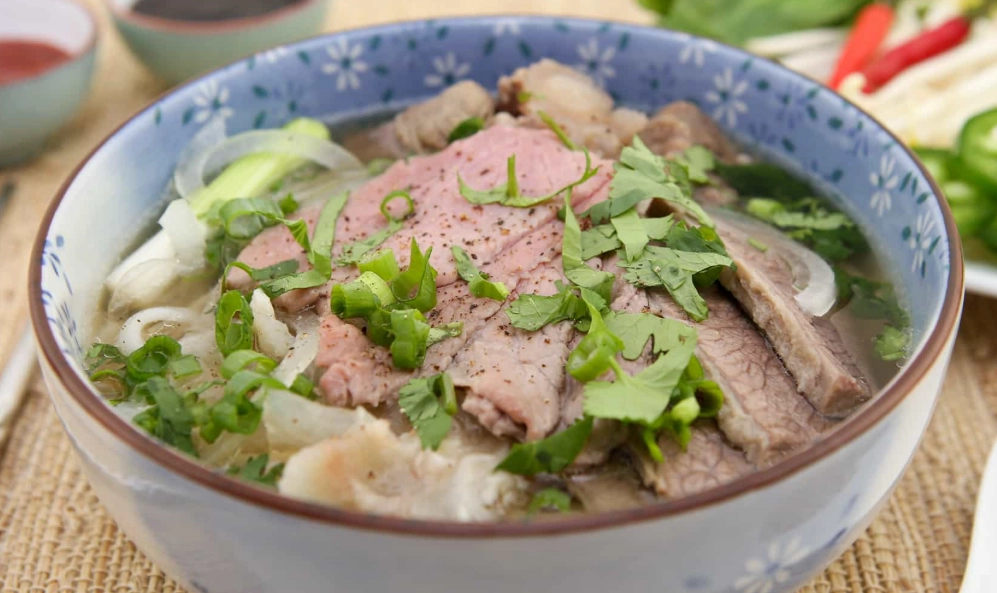 What's the best cut of beef for the raw slices in beef pho?
Making traditional beef pho is a project. It's not a 30-minute weeknight dinner. But the payoff is immense. A giant pot of golden broth in your freezer is like liquid gold—ready for a quick, soul-satisfying meal anytime. You understand why it's Vietnam's national dish. You taste the history in every sip. Forget the pho paste and bouillon cubes. Once you've had the real thing made this way, there's no going back.
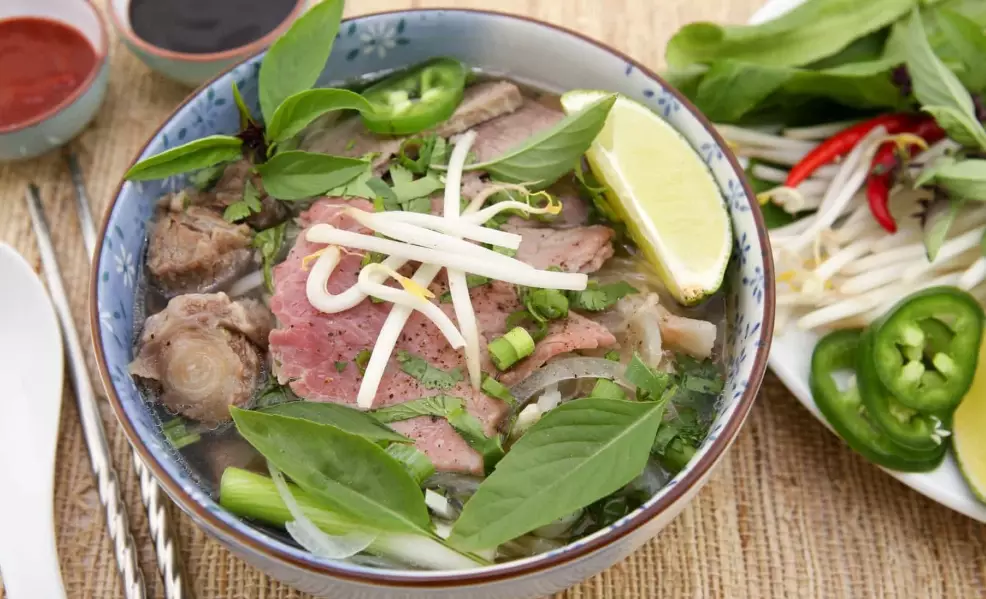 Give it a shot this weekend. Get the bones, char those onions until they're downright ugly, and settle in for a long, slow simmer. Your kitchen will smell incredible. And that first perfect bowl you assemble will make every minute worth it.