Let's talk about sage. You've probably seen it bundled with other herbs at the grocery store, or maybe you have a plant struggling on your windowsill. It's that herb with soft, velvety grey-green leaves and a smell that's somewhere between pine, lemon, and earth. Most people only think of it once a year for Thanksgiving stuffing. That's a massive waste of potential. Sage is one of the most robust and versatile culinary herbs, capable of transforming simple ingredients into something deeply flavorful and satisfying. This guide isn't just a list of sage recipes; it's a deep dive into how to think about, buy, store, and most importantly, cook with sage like you've been doing it for years.
What's Inside This Sage Kitchen Guide
Sage 101: Understanding Your Herb
Before we start throwing sage into everything, let's get to know it. Common sage (Salvia officinalis) is a Mediterranean herb. Its flavor is bold, slightly peppery, and has a warm, camphor-like aroma. It's not a shy herb like parsley. Sage demands attention.
Here's the key insight most recipes don't tell you: sage's flavor profile changes dramatically based on how you treat it. Eaten raw, it's incredibly pungent and almost bitter. Lightly sautéed in butter or oil, it becomes nutty, mellow, and complex. Fried until crisp, it turns into a fragrant, earthy chip. This transformation is the secret to using it well.
Fresh vs. Dried Sage: This is non-negotiable. For 90% of the sage recipes here, you want fresh sage leaves. Dried sage has its place—it's stronger and more concentrated, perfect for long-simmering braises or sausage seasoning where it has time to rehydrate and meld. But for pan sauces, pastas, or as a finishing herb, dried sage will taste dusty and overly potent. If a recipe just says "sage," assume it means fresh.
Buying and Storing Sage: A Practical Guide
You're at the store. Look for sage bunches with firm, perky leaves. Avoid any that are yellowing, slimy, or have black spots. The leaves should have that distinctive fuzzy texture and a strong, clean aroma when you gently rub one.
Storing it right is half the battle. Don't just shove it in the fridge in the plastic clamshell. Here's what works:
- Treat it like flowers: Trim the stems, place the bunch in a glass with an inch of water, loosely cover the leaves with a plastic bag, and refrigerate. Change the water every couple of days. This keeps it fresh for over a week.
- The paper towel method: Gently wrap the unwashed sage in a slightly damp paper towel, place it in a loosely sealed plastic bag or container. This is good for 5-7 days.
Even better? Grow your own. Sage is a hardy perennial herb. A single $4 plant from a garden center, given a sunny spot and not overwatered, will supply you with more sage than you can use from spring through fall. It's the most cost-effective and satisfying way to have it on hand.
Top Sage Flavor Pairings (Beyond Just Poultry)
Yes, sage loves turkey and chicken. But that's just the beginning. Its earthy, piney notes cut through richness and complement savory flavors beautifully. Think of it as a bridge between heavy ingredients and bright, acidic ones.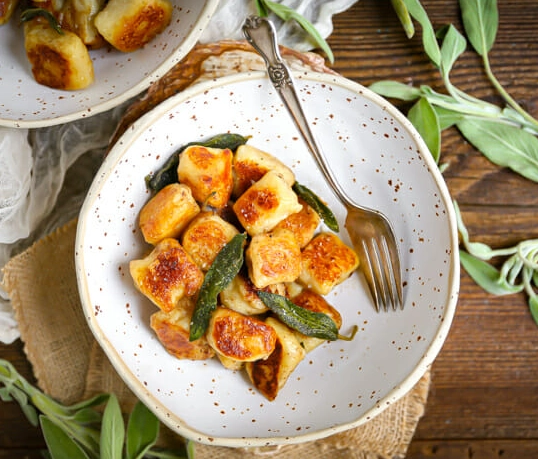
| Ingredient Category | Why It Works with Sage | Recipe Idea Starter |
|---|---|---|
| Rich Dairy (Butter, Cream, Cheese) | Sage's sharpness cuts the fat, creating a balanced, luxurious sauce. This is the classic combo. | Brown Butter Sage Sauce over gnocchi or ravioli. |
| Winter Squash (Butternut, Pumpkin) | The herb's earthy sweetness mirrors and enhances the squash's natural flavor. | Roasted butternut squash soup with crispy fried sage garnish. |
| Pork & Sausages | A match made in heaven. Sage complements pork's sweetness and is a key seasoning in many sausages. | Pan-seared pork chops with a sage-apple pan sauce. |
| Beans & Lentils | Adds a deep, savory note that makes vegetarian dishes feel hearty and "meaty." | White bean and sage stew with crusty bread. |
| Citrus (Lemon, Orange) | The bright acidity lifts the sage's heavier notes, creating a vibrant, complex flavor. | Lemon-sage roasted chicken. |
I made a pasta once with just browned butter, fried sage leaves, a squeeze of lemon, and parmesan. It was embarrassingly simple but tasted like something from a fancy restaurant. That's the power of understanding pairings.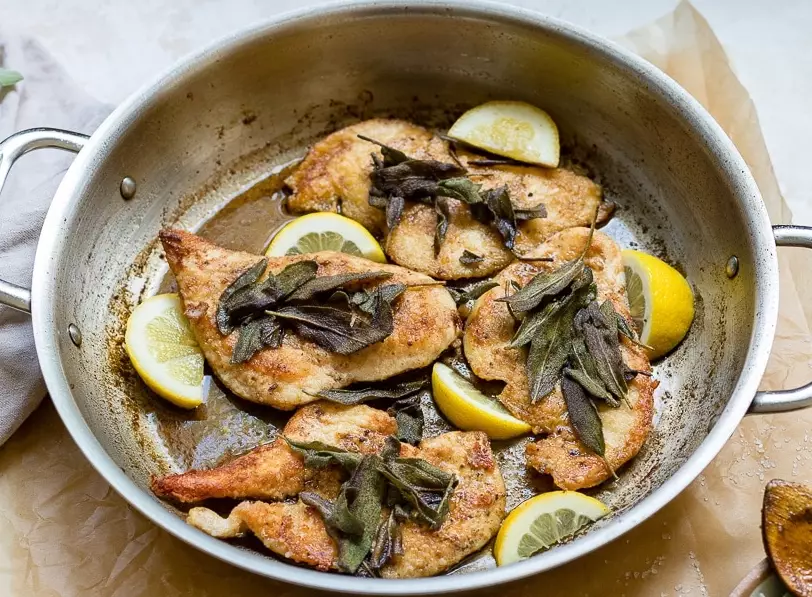
Main Dish Sage Recipes You'll Actually Make
Forget vague inspiration. Here are concrete, weeknight-friendly sage recipes with specific steps. These are the dishes that made me fall in love with the herb.
1. The Unbeatable Sage Brown Butter Sauce
This is technique number one to master. It's a sauce, a condiment, and a garnish all in one.
You'll need: 1 stick (113g) unsalted butter, 10-12 fresh sage leaves, salt, pasta of choice (gnocchi, ravioli, or fettuccine work great), grated Parmesan.
Do this: Cook your pasta. While it boils, melt the butter in a skillet over medium heat. Let it cook, swirling occasionally. It will foam, then the foam will subside, and you'll see little brown specks (the milk solids toasting). This takes 3-5 minutes—watch it like a hawk, it goes from brown to burnt fast. The moment it smells nutty and is amber-colored, throw in the sage leaves. They will sizzle and crisp up in 30-45 seconds. Immediately take the pan off the heat. Toss the sauce with your drained pasta, a splash of pasta water to emulsify, plenty of salt, and a mountain of Parmesan. That's it.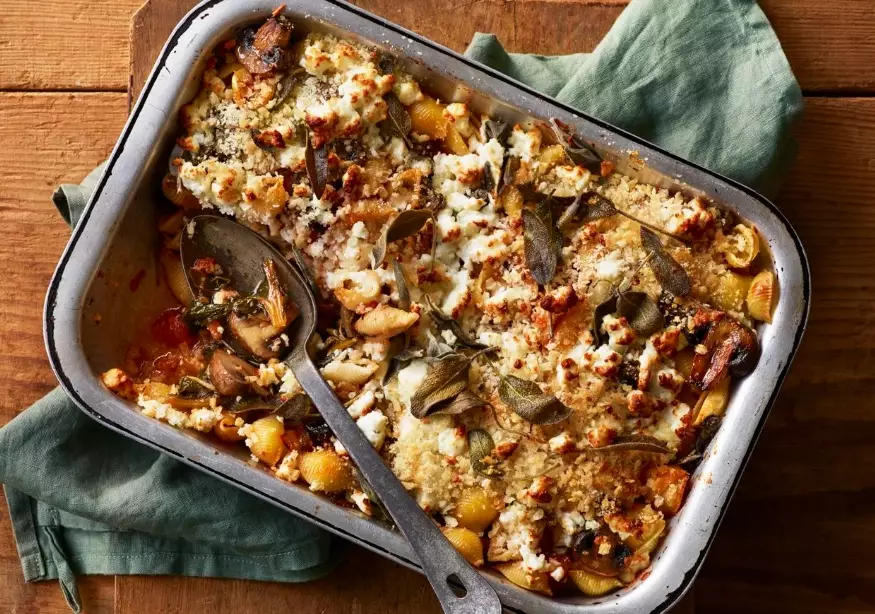
Pro Tip/Warning: Use a light-colored pan so you can see the butter browning. A black skillet makes it impossible to judge. I learned this the hard way with a batch of bitter, blackened butter.
2. One-Pan Sausage, White Bean & Sage Bake
This is my go-to lazy dinner. It feels rustic and complete.
Heat your oven to 400°F (200°C). In a large ovenproof skillet, brown 4-6 good quality Italian sausages (the ones with fennel and garlic are perfect). Remove them. In the same fat, sauté a chopped onion and 3-4 cloves of minced garlic until soft. Add two cans of drained and rinsed cannellini beans, a cup of chicken stock, and a generous handful of chopped fresh sage (about 2 tablespoons). Nestle the sausages back in. Transfer the skillet to the oven and bake for 20-25 minutes, until everything is bubbly and the sausages are cooked through. The beans soak up all the sage and sausage flavors. Serve with a bitter green salad to cut the richness.
3. Crispy Sage & Lemon Chicken Piccata-Style
A brighter, herb-forward twist on a classic.
Season two chicken breasts, pounded thin. Dredge them lightly in flour. In a large pan, heat a mix of olive oil and butter over medium-high. Cook the chicken until golden on both sides, about 3-4 minutes per side. Remove. To the pan, add another tablespoon of butter, 8-10 whole sage leaves, and let them crisp for a minute. Add ½ cup of white wine or chicken broth, scraping up the browned bits. Let it reduce by half. Add the juice of one lemon and 2 tablespoons of capers. Return the chicken to the pan just to heat through. The sauce is tangy, briny, and fragrant with sage.
3 Common Sage Cooking Mistakes (And How to Fix Them)
I've messed these up so you don't have to.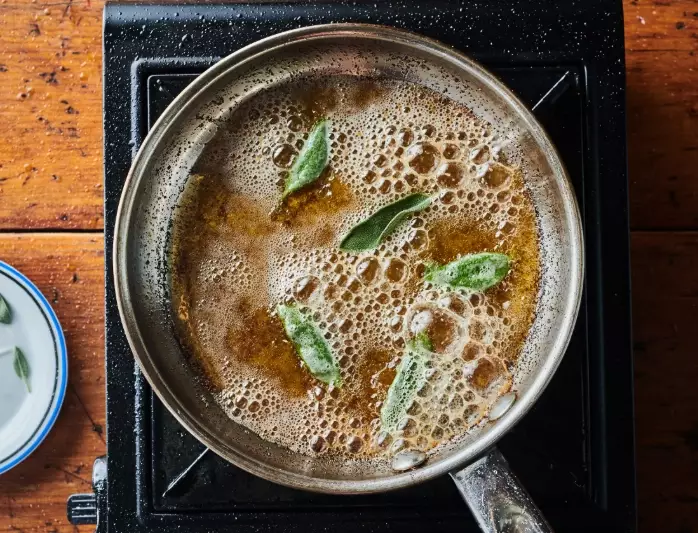
Mistake 1: Adding sage too early in a sauté. If you're cooking onions and garlic for a soup or stew and throw chopped sage in at the start, it will cook for 30 minutes and lose all its magic, turning faintly bitter. Fix: Add fresh, chopped sage in the last 5-10 minutes of cooking. You want its flavor to be present, not boiled away.
Mistake 2: Using dried sage as a 1:1 substitute for fresh. This is the biggest recipe fail. Dried sage is much more concentrated. Fix: The general rule is 1 teaspoon of dried sage for every 1 tablespoon of fresh sage called for. And even then, only use dried in dishes that simmer for a long time.
Mistake 3: Burning the sage. When frying sage leaves for garnish or in brown butter, they need mere seconds. A distracted moment turns them from fragrant and crisp to acrid and black. Fix: Have your next ingredient (pasta, stock, lemon juice) ready to go in the pan immediately after the sage hits its peak. The liquid will stop the cooking instantly.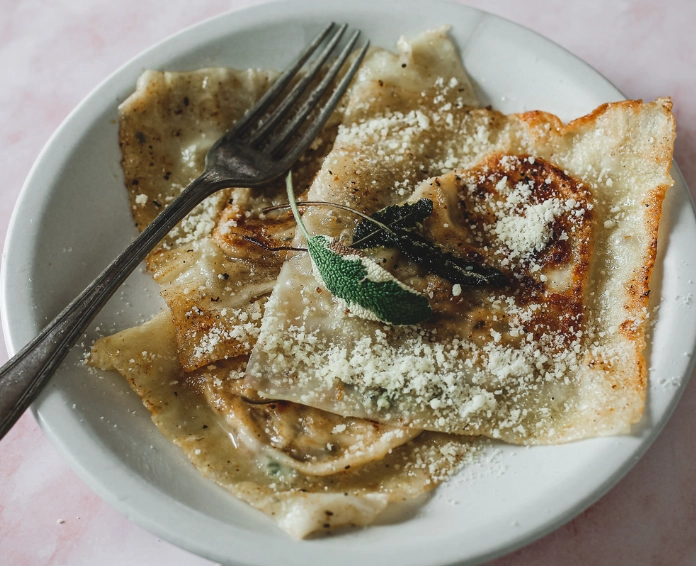
Your Sage Cooking Questions, Answered
Can I use the sage flowers from my plant?
Absolutely, and you should. The purple or blue flower spikes are edible and have a milder, slightly sweeter sage flavor. They make a stunning, delicate garnish for salads, finished pastas, or even floated on soups. Just pinch them off the stem and scatter them on.
My sage plant is woody and not producing many leaves. What did I do wrong?
You probably didn't prune it enough. Sage, like many herbs, needs regular harvesting to stay bushy and productive. Pinching off the growing tips encourages it to branch out. Also, sage hates wet feet. Ensure it's in very well-draining soil and you're not overwatering. A sunny, dry spot is its happy place.
I only have dried sage and want to make the brown butter sauce. Is it hopeless?
Not hopeless, but you'll need to adapt. Skip frying the dried leaves—they'll just burn. Make your brown butter as usual. Once it's nutty brown and off the heat, stir in about ¾ to 1 teaspoon of crumbled dried sage. Let it steep for a minute in the hot butter to release its oils. The flavor will be stronger and more "stuffing-like," but still delicious. Consider adding a squeeze of fresh lemon at the end to brighten it up.
How can I preserve my garden sage for winter?
Freezing is better than drying for retaining a fresher flavor. Two good methods: 1) Freeze whole leaves: Wash, pat dry thoroughly, and spread on a baking sheet. Freeze solid, then transfer to a bag. They'll be limp when thawed but fine for cooking. 2) Make sage butter: Chop leaves and mix into softened butter, roll into a log in parchment paper, and freeze. Slice off coins to melt over steak, fish, or vegetables all winter long.
Are there different types of sage for cooking?
Yes, though common sage is the culinary workhorse. Pineapple sage has red flowers and a fruity scent, great for teas and fruit salads. Purple sage is beautiful in the garden and edible, with a slightly milder flavor. Greek sage is more intense. For general cooking, stick with common sage (Salvia officinalis). If you're curious, nurseries often sell these varieties—grab one and experiment in a simple compound butter to taste the difference.