Making the perfect masala for masala dosa isn't rocket science, but most home cooks mess it up by overlooking a few subtle details. I've been cooking Indian food for over a decade, and let me tell you, the potato filling is what separates a good dosa from a great one. In this guide, I'll walk you through an authentic recipe, share expert tips you won't find elsewhere, and help you avoid the common pitfalls that ruin the flavor.
Quick Navigation: What's Inside
What is Masala for Masala Dosa?
Masala for masala dosa is a spiced potato filling that's the heart of this iconic South Indian dish. It's not just mashed potatoes with curry powder—it's a balanced blend of boiled potatoes, onions, mustard seeds, curry leaves, and other aromatics, cooked until fragrant and slightly creamy. Many people think it's all about the heat, but the real magic lies in the texture and layering of spices. I recall my first attempt years ago; I dumped in too much turmeric, and the masala turned out bitter and dry. Lesson learned: less is more with some spices.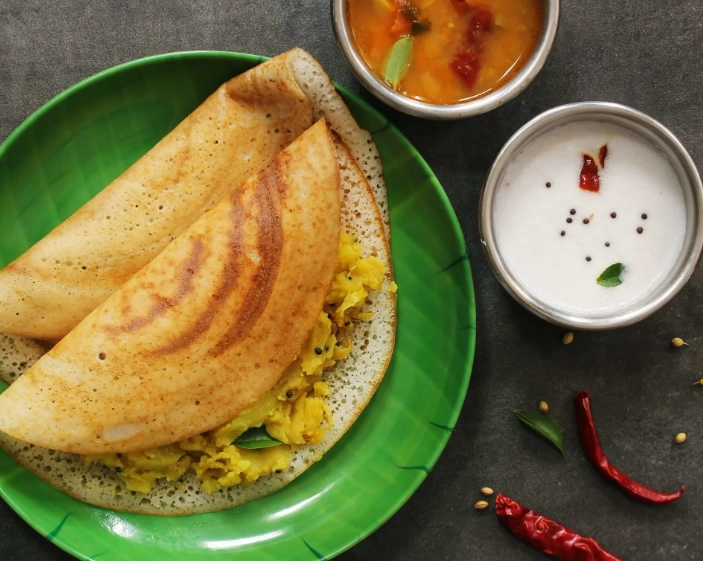
According to culinary experts from sources like the Indian Culinary Institute, the masala should be moist but not watery, with each potato chunk holding its shape while absorbing the flavors. It's what makes masala dosa a street food favorite across India, from Chennai to Mumbai.
Essential Ingredients for the Perfect Masala
You don't need fancy ingredients, but quality matters. Here's a breakdown of what you'll need, based on my experience and common pantry staples.
| Ingredient | Quantity | Purpose & Notes |
|---|---|---|
| Potatoes (like Russet or Yukon Gold) | 4 medium-sized | Provides the base; boil until just tender to avoid mushiness. |
| Onions (finely chopped) | 2 large | Adds sweetness and texture; cook until golden brown for depth. |
| Mustard seeds | 1 teaspoon | Key for tempering; pops to release a nutty aroma. |
| Curry leaves | 10-12 leaves | Essential for authentic flavor; fresh is best, but dried works in a pinch. |
| Turmeric powder | 1/2 teaspoon | Adds color; use sparingly to prevent bitterness. |
| Green chilies (slit) | 2-3 | Adjust to taste; removes seeds if you prefer mild heat. |
| Ginger-garlic paste | 1 tablespoon | Enhances aroma; homemade paste beats store-bought. |
| Oil (preferably coconut or vegetable) | 3 tablespoons | For cooking; coconut oil adds a South Indian touch. |
| Salt | To taste | Season in layers for even distribution. |
| Water | As needed | Keeps masala moist; add gradually to avoid sogginess. |
Some recipes call for asafoetida or chana dal, but I skip them for simplicity. If you have them, a pinch of asafoetida can elevate the dish, but it's not a deal-breaker.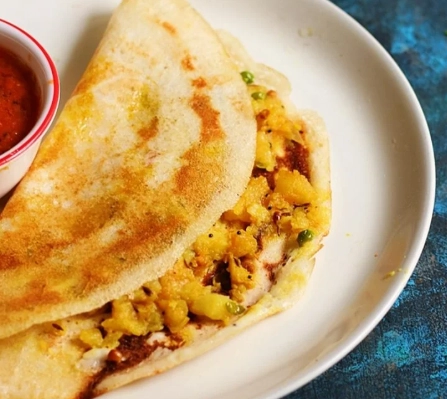
Step-by-Step Guide to Making Masala for Masala Dosa
Follow these steps closely. I've included timings and visual cues to help you nail it on the first try.
Preparing the Potatoes
Start by boiling the potatoes. Peel and chop them into 1-inch cubes—don't make them too small, or they'll disintegrate. Boil in salted water for about 10-12 minutes until a fork pierces easily but the chunks hold shape. Drain and set aside. Overcooking is a common mistake; I once ended up with potato paste, and the masala was a disaster. Let them cool slightly before mixing.
Cooking the Spice Tempering
Heat oil in a large pan over medium heat. Add mustard seeds and wait for them to pop—this takes 30-40 seconds. Then, throw in curry leaves and green chilies. Sauté for a minute until fragrant. Next, add onions and cook for 8-10 minutes, stirring occasionally, until they turn translucent and golden. This step builds the flavor base; rushing it leads to raw onion taste.
Stir in ginger-garlic paste and turmeric powder. Cook for another 2 minutes until the raw smell disappears. Some folks add spices later, but I find this timing locks in the aroma.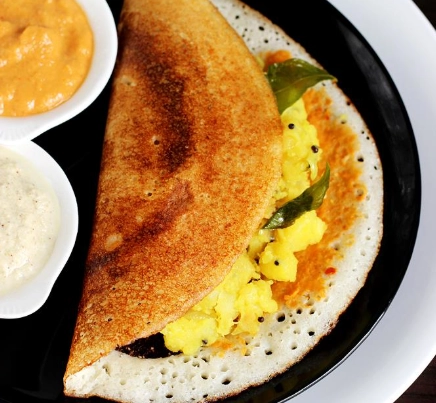
Combining Everything
Add the boiled potatoes to the pan. Gently mix to coat them with the spice mixture—use a spatula to avoid mashing. Sprinkle salt and add a splash of water (about 1/4 cup) to create steam. Cover and simmer on low heat for 5-7 minutes. The masala should be moist but not soupy; if it looks dry, add water tablespoon by tablespoon. Finish with a squeeze of lemon juice or chopped cilantro for freshness, though that's optional.
Expert Insight: Many recipes tell you to mash the potatoes, but I recommend keeping them chunky. It gives the masala a better texture that holds up inside the dosa without leaking out. Try it—you'll notice the difference.
Pro Tips and Common Mistakes to Avoid
Here are some nuggets from my kitchen trials. These aren't just tips; they're game-changers for authentic flavor.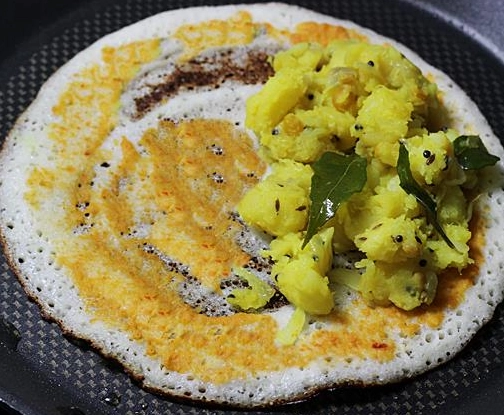
- Control the heat: Cook on medium-low after adding potatoes. High heat can burn the spices and make the masala bitter. I learned this the hard way when my masala tasted charred.
- Season in layers: Add salt while cooking onions and again with potatoes. It ensures even seasoning throughout, not just on the surface.
- Use fresh curry leaves: Dried ones lack the punch. If you can't find fresh, skip them rather than using stale leaves—it's better to simplify than compromise flavor.
- Don't skimp on oil: A little extra oil helps bind the masala and prevents sticking. But too much makes it greasy; 3 tablespoons is the sweet spot.
- Avoid over-mixing: Stir gently to keep potato chunks intact. Over-mixing turns the masala into a paste, which ruins the dosa experience.
Another subtle error: adding water all at once. It makes the masala watery. Instead, add it gradually and let it absorb. I've seen many home cooks ruin the texture this way.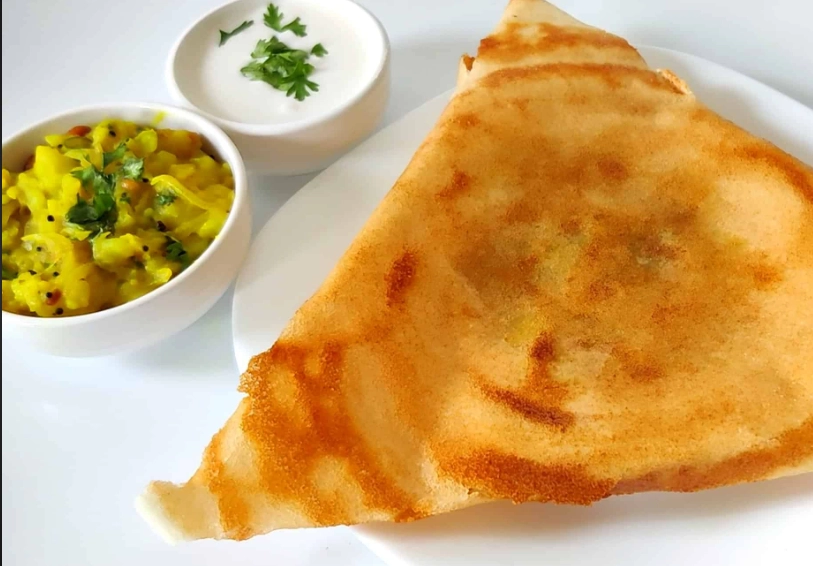
How to Serve Masala Dosa Like a Pro
Masala dosa isn't just about the filling; presentation matters. Spread the dosa batter thinly on a hot griddle, cook until crisp, then place a generous scoop of masala in the center. Fold it over or roll it up. Serve immediately with coconut chutney and sambar on the side. For a restaurant-style touch, garnish with a drizzle of ghee and fresh coriander.
If you're meal-prepping, store the masala in an airtight container in the fridge for up to 3 days. Reheat gently with a sprinkle of water to restore moisture. I often make a batch for quick weekday lunches—it's a lifesaver.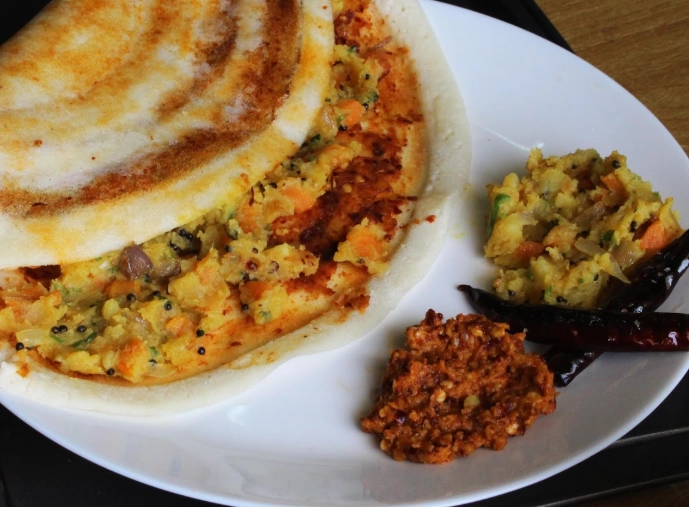
Frequently Asked Questions (FAQ)
That wraps up this guide. Remember, making masala for masala dosa is about patience and attention to detail. Start with this recipe, tweak it to your taste, and soon you'll be serving dosas that rival any street vendor's. Happy cooking!