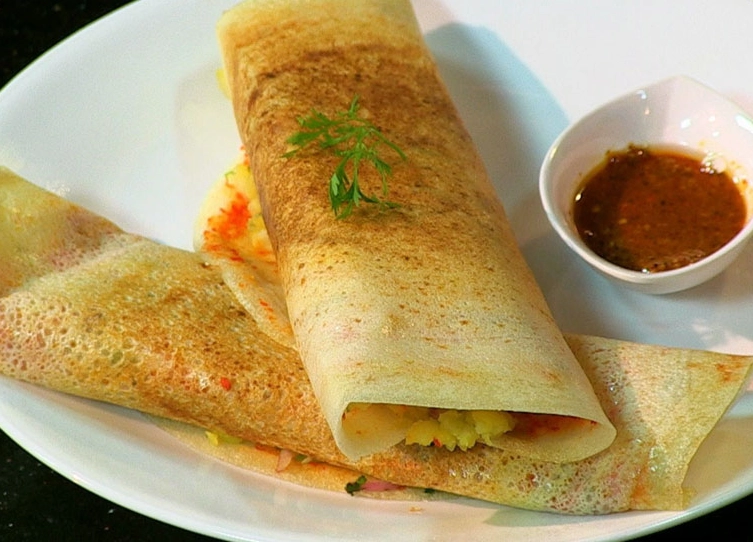
That unmistakable aroma of a sizzling dosa on a hot griddle. It’s not just the fermented batter. The real magic, the soul of a great masala dosa, lies in that spiced potato filling. And the heart of that filling? A perfectly balanced, aromatic powder called dosa masala. Forget the bland, dusty store-bought versions. Once you learn this authentic dosa masala recipe, your homemade dosas will rival any restaurant’s.
Your Quick Guide to Dosa Masala Mastery
What is Dosa Masala and Why Make Your Own?
Dosa masala, or “potato masala powder,” is a dry spice blend specifically crafted for the potato filling (palya) inside a masala dosa. It’s not the same as sambar powder or generic curry powder. Its profile is warmer, earthier, and designed to complement soft potatoes without overpowering them.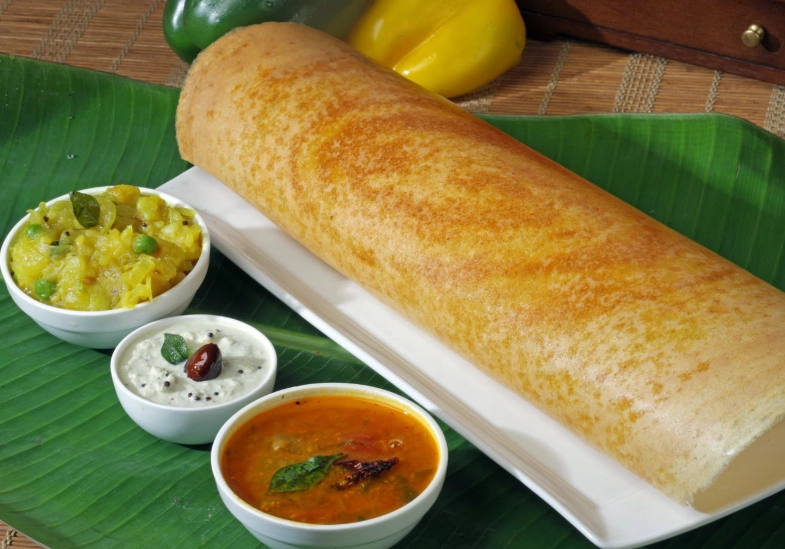
I used to buy the little packets. They were convenient, sure. But my dosa filling always tasted a bit flat, a bit one-dimensional. Then I spent a summer with my aunt in Bangalore, watching her make large batches from scratch. The difference was night and day. The freshness had a vibrancy no packet could ever capture.
Here’s the thing most beginners miss: dosas are all about contrast. The crispy, slightly sour crepe needs a soft, warmly spiced, savory interior. A mediocre masala ruins the balance. Your homemade blend gives you control. More heat? Add a dried chili. More depth? Toast the spices a touch longer. It’s forgiving.
A Non-Consensus View: Many recipes treat dosa masala as a simple list of spices to grind. The real secret isn’t the ingredients list—it’s the ratio and the roast. Too much coriander makes it grassy. Undertoasted cumin makes it raw and bitter. Getting that dry roast just to the point of fragrance, not smoke, is the skill that separates good masala from great masala.
The Essential Ingredients for Perfect Dosa Masala
You only need a handful of whole spices. The quality matters, especially since they are dry-roasted, which amplifies both their good and bad qualities. Stale spices won’t cut it.
| Ingredient | Quantity (Standard Batch) | Its Role in the Blend |
|---|---|---|
| Coriander Seeds | 1/2 cup | The base. Provides a citrusy, warm, earthy foundation. Don’t skimp. |
| Cumin Seeds | 3 tablespoons | Adds a distinctive warm, slightly bitter note and a crucial aroma. |
| Black Gram (Urad Dal) | 2 tablespoons | The stealth ingredient. Adds body, a nutty flavor, and helps thicken the potato filling slightly. |
| Chana Dal (Bengal Gram) | 2 tablespoons | Another body-builder. Contributes a subtle sweetness and granular texture. |
| Dried Red Chilies (Byadgi or Kashmiri) | 8-10 (adjust to heat preference) | Provides color and a gentle warmth rather than searing heat. Byadgi chilies are ideal for their deep red color. |
| Black Peppercorns | 1.5 teaspoons | A sharp, pungent kick that cuts through the earthiness. |
| Fenugreek Seeds (Methi) | 1 teaspoon | Use sparingly. Adds a unique bitter-maple note. Too much will make the entire batch unpalatably bitter. |
| Asafoetida (Hing) | A generous pinch (1/4 tsp) | The flavor amplifier. Adds a savory, umami depth. Use a good quality compounded hing. |
| Curry Leaves (fresh or dried) | 2 sprigs (about 20 leaves) | The aromatic signature. Fresh are best, but dried work in a pinch. |
See the ratio? Coriander is the lead actor. Cumin is the strong supporting role. The dals are the character actors. Everything else is a cameo—powerful but brief. This balance is key.
You can find these at any Indian grocery store or online. For the dals and spices, I often order from reputable online spice merchants who have high turnover, ensuring freshness.
Step-by-Step: How to Make Dosa Masala at Home
This isn’t complicated, but it requires your attention. The roast is everything. Have all your ingredients measured and ready. You’ll need a heavy-bottomed pan (like cast iron or stainless steel) and a good spice grinder or a powerful small blender.
1. The Dry Roasting Process (This is Where You Win or Lose)
Heat your pan over medium-low heat. No oil. Ever.
Start with the ingredients that take the longest to roast and are hardest to burn: the coriander seeds. Add them to the dry pan. Stir constantly. You’ll see them start to darken slightly from a light brown to a warmer, toastier brown. The smell will change from grassy to wonderfully nutty and citrusy. This takes about 3-4 minutes. Pour them onto a plate to cool.
Next, add the urad dal and chana dal together. Roast these until the urad dal turns a light golden pink and you get a distinct nutty aroma. The chana dal will get a shade darker. About 2-3 minutes. Transfer to the plate.
Now, the cumin seeds. They roast fast. 60-90 seconds max. The moment they darken a shade and become fragrant, get them out of the pan. They burn in a heartbeat and turn bitter.
Finally, add the dried red chilies, black peppercorns, and fenugreek seeds. Roast just until the chilies become slightly crisp and the fenugreek seeds darken a tiny bit (about 60 seconds). Fenugreek burns even faster than cumin, so be vigilant. Add the curry leaves in the last 20 seconds until they crisp up. Transfer all to the plate.
The Biggest Rookie Mistake: Roasting everything together. Coriander and cumin have different roasting times. If you dump them all in, the cumin will be ash by the time the coriander is done. Roast in batches. It’s non-negotiable.
2. Grinding and Finishing
Let everything on the plate cool down completely. If you grind warm spices, the heat creates steam which can make your powder clumpy and damp.
Once cool, transfer everything to your grinder. Add the asafoetida (hing) now. Grind to a fine powder. I prefer a texture just shy of super-fine dust—a slight graininess is nice in the potato filling.
That’s it. You’ve made dosa masala.
The color should be a warm reddish-brown. The aroma will fill your kitchen—earthy, citrusy, warm, and deeply inviting. It smells like a proper South Indian kitchen.
Using and Storing Your Homemade Spice Blend
For the classic potato filling, sauté mustard seeds, cumin, chopped onions, green chilies, and ginger in oil. Add boiled and mashed potatoes, turmeric, salt, and a generous tablespoon (or two) of your homemade dosa masala. Mix well, add a splash of water, and cook for a few minutes. Finish with fresh coriander leaves.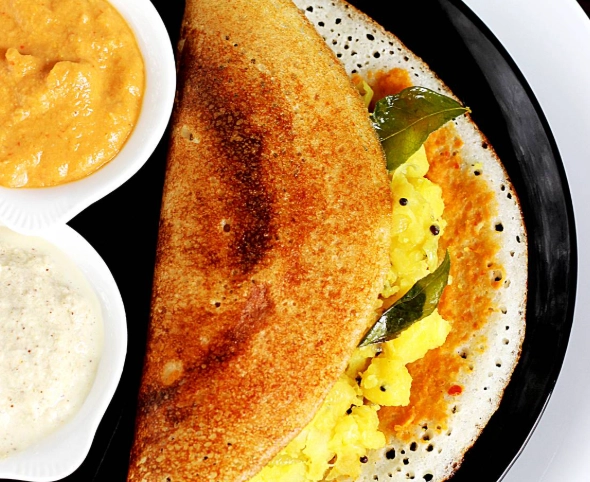
But don’t stop at dosas. This masala is brilliant in:
- Upma or poha for a flavor boost.
- Sprinkled over roasted vegetables before baking.
- Mixed into yogurt for a quick raita dip.
- As a seasoning for simple stir-fried potatoes or chickpeas.
Storage is critical. All that hard work can go stale in weeks if stored poorly. Pour the cooled powder into an absolutely airtight glass jar. Keep it in a cool, dark cupboard, away from the stove or sunlight. It will retain its peak flavor for about 3 months. For longer storage (up to 6 months), keep it in the freezer. The freezer is a game-changer—it locks in that freshly roasted aroma perfectly.