Let's be honest. Cooking a turkey dinner, especially for something like Thanksgiving, can feel like a high-stakes exam you didn't study for. A dry bird, undercooked stuffing, and lukewarm sides are the stuff of nightmares. I've been there. My first solo turkey was so overcooked, the carving knife sounded like it was cutting through plywood. But after years of hosting, consulting with butchers, and learning from mistakes, I've cracked the code. This isn't just another list of recipes; it's your complete roadmap to a confident, delicious, and surprisingly manageable turkey dinner.
Your Turkey Dinner Roadmap
Choosing and Prepping Your Turkey: The Foundation
You can't build a great dinner on a shaky foundation. The most common mistake is grabbing any frozen bird without a plan. Here's what you need to know.
Fresh vs. Frozen: Fresh turkeys taste cleaner and are easier to handle (no thawing!), but they're pricier and need to be cooked within a couple of days. Frozen is budget-friendly and available everywhere, but you must plan for thawing. In the fridge, allow about 24 hours for every 4-5 pounds.
Size Matters: A good rule is 1 to 1.5 pounds per person. That accounts for bones and ensures leftovers (the best part!). For 8 people, aim for a 10-12 lb bird. For 12, go 14-18 lbs. Anything over 18 pounds cooks unevenly—the breast dries out before the thighs are done. Consider two smaller birds instead.
To Brine or Not to Brine? A wet brine (soaking in saltwater solution) guarantees a seasoned, juicy bird from edge to edge. It's a game-changer for beginners. A dry brine (rubbing with salt and herbs and letting it sit uncovered in the fridge) gives you crispy skin and concentrated flavor. I prefer a dry brine for its simplicity and superior skin texture. The key for either method? Time. Don't rush it. At least 12 hours, up to 72 for a dry brine.
The Prep Ritual: On cooking day, take the turkey out of the fridge 1-2 hours before it goes in the oven. This helps it cook evenly. Pat it absolutely bone-dry with paper towels. Moist skin steams; dry skin roasts and crisps. This step is non-negotiable.
The Foolproof Herb-Roasted Turkey Recipe
This is my go-to method. It's simple, relies on technique over fancy ingredients, and delivers a golden, juicy turkey every single time.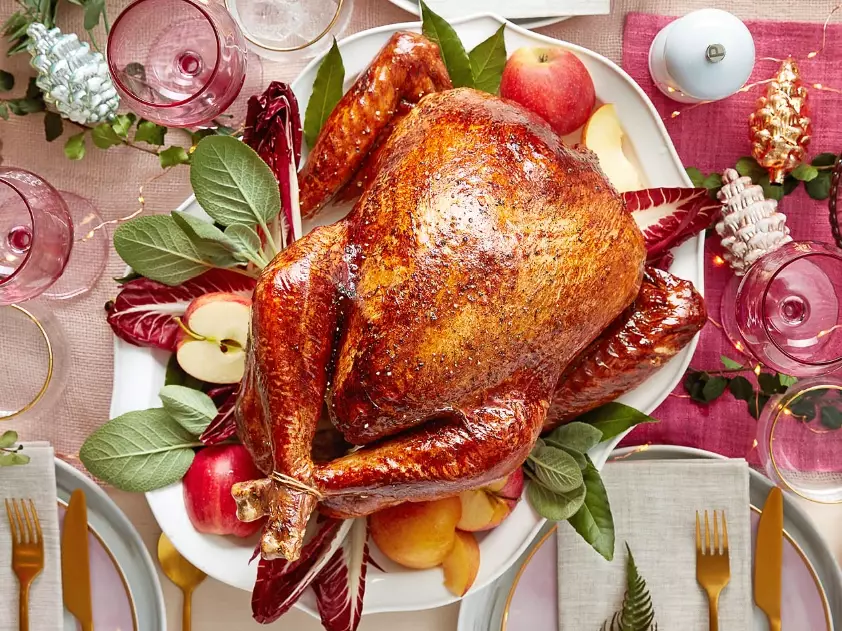
Classic Herb-Roasted Whole Turkey
Prep Time: 30 mins (plus brining time) | Cook Time: 3-4 hours (for a 12-14 lb bird) | Resting Time: 45 mins | Serves: 10-12
Ingredients:
- 1 (12-14 lb) whole turkey, neck and giblets removed
- 4 tbsp unsalted butter, very soft
- 2 tbsp kosher salt (if not pre-brined)
- 1 tbsp black pepper
- 1 large lemon, quartered
- 1 large onion, quartered
- 1 head of garlic, halved crosswise
- 6-8 sprigs fresh thyme, rosemary, and sage
- 2 cups turkey or chicken stock (for the pan)
Instructions:
1. Prep & Season: Ensure your turkey is dry. Place it breast-side up in a V-rack set inside a sturdy roasting pan. Gently loosen the skin over the breast by sliding your fingers between the skin and meat. Smear half of the soft butter under the skin directly onto the meat. Rub the rest all over the outside. Season the cavity and the entire exterior generously with salt and pepper.
2. Stuff the Cavity: Not with stuffing! That's a food safety risk. Instead, stuff it with the lemon, onion, garlic, and herb sprigs. This adds incredible steam and aroma from the inside out. Tie the legs together with kitchen twine.
3. The Roast: Preheat your oven to 325°F (165°C). Pour the stock into the bottom of the pan. Roast the turkey, uncovered. The low and slow start is crucial for even cooking.
4. The Temperature Check: Forget wiggling legs. Use a good digital probe thermometer. Start checking the temperature at the thickest part of the breast and inner thigh after about 2.5 hours. You're aiming for 155°F (68°C) in the breast and 175°F (79°C) in the thigh. The temperature will continue to rise 5-10 degrees while resting.
5. The Rest: Once it hits temp, transfer the turkey to a cutting board or platter. Tent it loosely with foil and let it rest for at least 45 minutes. This is the single most important step for juicy meat. It allows the juices to redistribute. Carving immediately sends all those juices onto the board.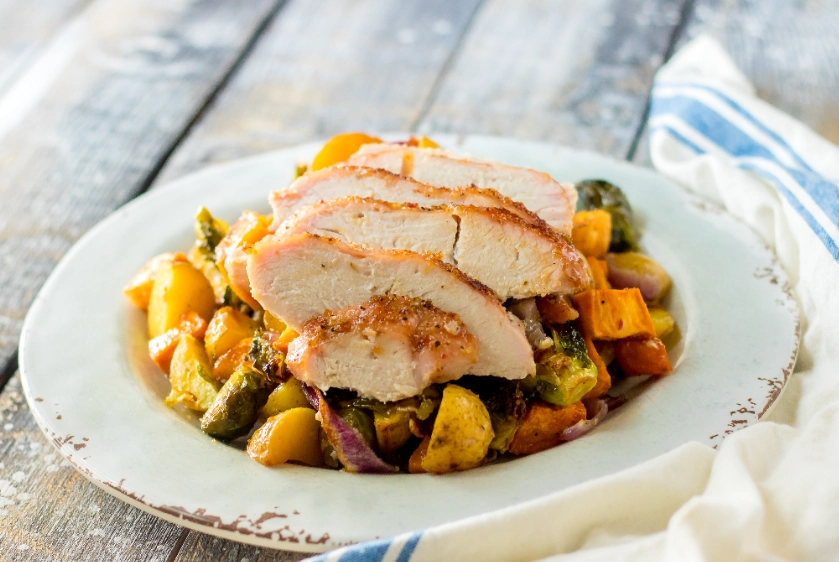
Essential Side Dishes That Steal the Show
The turkey is the star, but the sides are the supporting cast that wins Oscars. Balance is key: something creamy, something tart, something savory, something starchy.
| Side Dish | Key Flavor Profile | Make-Ahead Tip |
|---|---|---|
| Creamy Mashed Potatoes | Rich, buttery, smooth | Classic comfort. Use Yukon Golds for the best texture and flavor. |
| Sausage & Herb Stuffing (cooked outside the bird) | Savory, herby, with crispy edges | Eliminates food safety concerns and gives you perfect texture control. |
| Maple-Roasted Brussels Sprouts with Bacon | Sweet, salty, caramelized | Cuts through the richness of the meal. The bacon makes converts out of sprout-haters. |
| Spiced Cranberry-Orange Sauce | Tangy, sweet, spiced | The essential acidic counterpoint to every rich bite on the plate. |
| Scalloped Potato & Sweet Potato Gratin | Creamy, cheesy, slightly sweet | A stunning two-in-one dish that covers your potato and sweet potato bases. |
The Stress-Free Cooking Timeline
Panic happens when everything needs to be hot at once. This timeline is your anchor.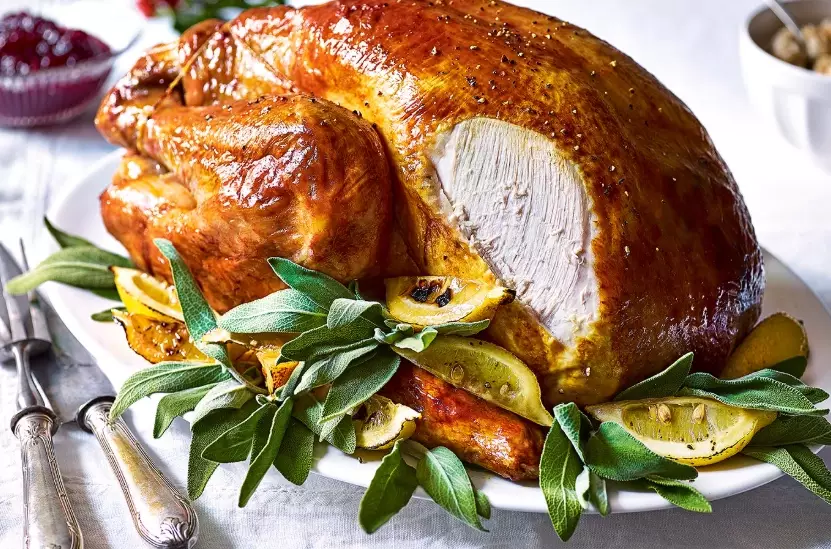
2-3 Days Before:
Thaw your frozen turkey in the fridge (if using). Start your dry brine (highly recommended). Shop for all non-perishable ingredients.
1 Day Before:
Make your cranberry sauce. Prepare your stuffing mixture (don't bake). Make mashed potatoes, store in a bowl covered with a layer of warm milk/cream to prevent a skin. Trim and prep vegetables for sides. Set the table.
Thanksgiving Day:
Morning (8-9 AM): Take turkey out of fridge. Prep according to recipe.
Late Morning (10:30 AM): Put turkey in the oven. Calculate your start time based on weight (approx 13 mins/lb at 325°F).
While Turkey Roasts (1-2 PM): Bake your assembled stuffing/side gratins. Reheat mashed potatoes gently. Prepare any quick-cook veggies like green beans or Brussels sprouts for their final roast.
Turkey Out, Resting (2:30-3 PM): This is your 45-minute power window. Turn up the oven to finish browning any sides. Make your gravy using the glorious drippings from the roasting pan (deglaze with stock, thicken with a flour/butter roux). Heat rolls. Finish roasting the Brussels sprouts.
Serve (3:30 PM): Carve the turkey. Everything is hot, you are calm. Victory.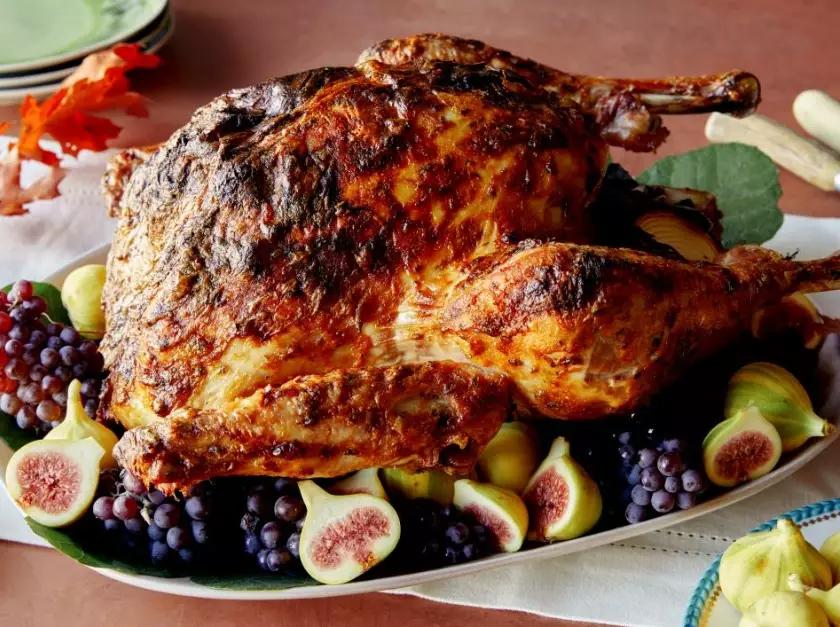
Pro Tips & Common Mistakes to Avoid
Here's where that "10 years of experience" pays off. These are the subtle things that separate a good dinner from a great one.
Mistake #1: Relying on the Pop-Up Timer. Throw it away. Those things are notoriously inaccurate and usually pop at 180°F+, which is way overdone for breast meat. Invest in a $20 digital probe thermometer. It's the most important tool in your kitchen that day.
Mistake #2: Basting Every 30 Minutes. Every time you open the oven, you let out heat and drastically drop the temperature, extending cooking time and drying out the bird. The butter under the skin and the stock in the pan do the basting for you. Leave the oven door shut.
Mistake #3: Not Letting it Rest. I know I already said it, but it's that important. If you carve a turkey right out of the oven, the juices will flood the cutting board, not stay in the meat. Letting it rest is non-negotiable for moisture.
Pro Trick for Crispy Skin: After the turkey is done and resting, if the skin isn't as dark as you'd like, crank your oven to 450°F. Carefully return the turkey to the oven for just 5-7 minutes. Watch it like a hawk. It'll crisp up beautifully.
Gravy Wisdom: Don't skip the deglazing step. After removing the turkey, place the roasting pan on the stovetop over medium heat. Pour in a cup or two of stock and use a wooden spoon to scrape up all the browned bits (the "fond"). That's pure flavor gold for your gravy.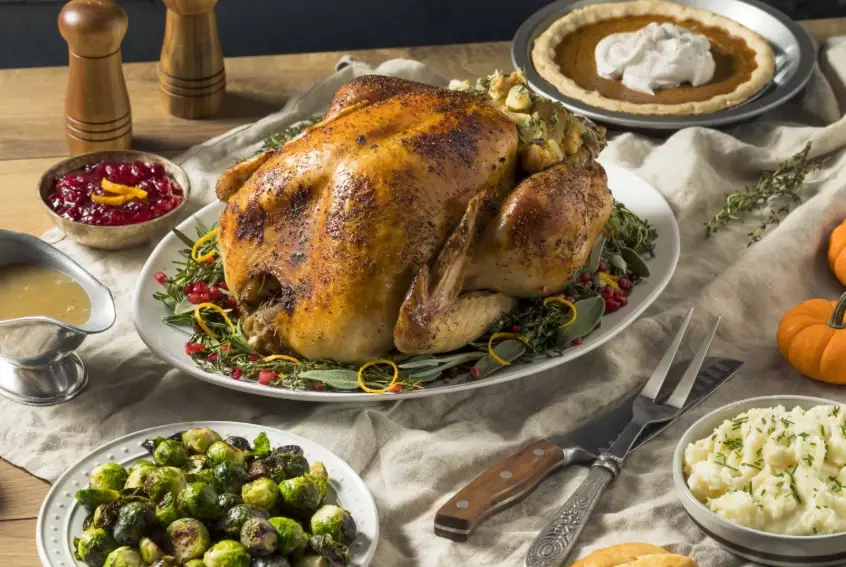
Your Turkey Dinner Questions, Answered
Can I prepare and season the turkey the night before?
Absolutely, and you should. Applying a dry brine (salt and herb rub) and leaving the turkey uncovered on a rack in your fridge overnight is the best thing you can do. It seasons the meat deeply and dries the skin for ultimate crispiness. Just make sure your fridge is cold enough.
My turkey breast always seems to cook faster than the thighs. How do I prevent dry breast meat?
This is the most common cooking problem. The breast is exposed to direct heat. The fix is simple: use a small piece of aluminum foil to loosely tent just the breast for the first two-thirds of the cooking time. Remove it for the last hour to let the skin brown. This shields the breast, allowing the dark meat to catch up.
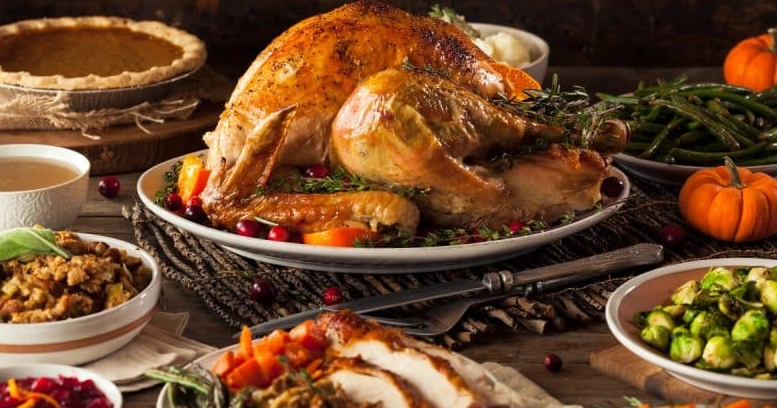 What's the best way to reheat leftover turkey without drying it out?
The microwave is the enemy of leftover turkey. Instead, reheat slices in a covered skillet with a splash of stock or gravy over low heat. For larger portions, place them in a baking dish, add a bit of broth, cover tightly with foil, and warm in a 325°F oven until just heated through. The steam keeps it moist.
Is it safe to cook stuffing inside the turkey?
The USDA advises against it. For the stuffing to reach a safe temperature (165°F), the surrounding turkey meat often has to overcook and become dry. Baking your stuffing in a separate casserole dish is safer, easier to control, and gives you more of the coveted crispy top edges.
How long can I safely keep turkey leftovers?
Refrigerate leftovers within 2 hours of serving. Turkey, gravy, and sides will keep for 3-4 days in the fridge. For longer storage, freeze slices or meat in airtight containers or freezer bags for up to 3 months. Reheat frozen turkey directly from frozen using the moist-heat methods mentioned above.