Quick Guide
- What Exactly Is Welsh Rarebit? (It’s Not What You Think)
- The History Behind the Dish: From “Welsh Rabbit” to Pub Classic
- The Core of Any Great Welsh Rarebit Recipe: The Cheese
- The Ultimate, Foolproof Traditional Welsh Rarebit Recipe
- Leveling Up Your Welsh Rarebit: Variations & Twists
- Essential Tools & Ingredients Checklist
- Answering Your Welsh Rarebit Questions (FAQs)
- The Science of the Perfect Sauce (Why This Method Works)
- Serving Suggestions: What to Eat With Your Rarebit
- Finding Authentic Ingredients & Learning More
Let’s be honest, we’ve all had bad cheese on toast. You know the kind – a slice of bland bread, a floppy piece of cheese that slides off after a half-hearted melt under the grill, leaving you with a disappointing, greasy snack. It’s a sad affair. But what if I told you there’s a version that’s in a completely different league? A rich, deeply savory, tangy, and utterly moreish creation that transforms those simple ingredients into something magical. That, my friend, is a proper Welsh rarebit. It’s not just a topping; it’s a luxurious, beer-kissed cheese sauce that clings to your toast, bubbles and bronzes under the heat, and delivers a punch of flavor that makes you wonder why you ever settled for less.
I got obsessed with finding the perfect Welsh rarebit recipe after a disappointing pub meal years ago. What was served was essentially yellow glue. It was a culinary crime. So, I started digging, trying different versions, and talking to people who knew their stuff. This guide is the result of that journey – a deep dive into making the real deal. We’ll cover everything from its quirky history to the science of the sauce, and of course, give you a foolproof, detailed traditional Welsh rarebit recipe that you can adapt to your taste.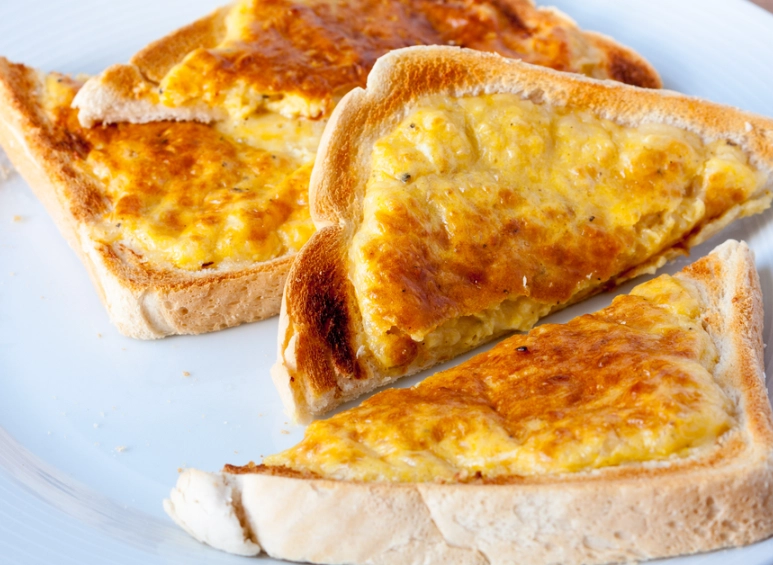
Quick Truth: Despite the fancy name, Welsh rarebit is fundamentally humble, peasant food elevated to an art form. The name itself is a bit of a historical joke – “rarebit” is thought to be a posh corruption of “rabbit,” poking fun at the idea that the Welsh couldn’t afford rabbit meat, so they ate cheese on toast instead. Talk about making the best of things!
What Exactly Is Welsh Rarebit? (It’s Not What You Think)
First things first, let’s clear up the biggest misconception. A true Welsh rarebit recipe is NOT simply a slice of cheese melted on bread. If that’s what you’re making, you’re just making cheese on toast, which is fine, but it’s not the same thing. The magic lies in the sauce – a cooked mixture of cheese, ale (or sometimes milk), butter, flour, mustard, Worcestershire sauce, and often a dash of something like cayenne or egg yolk. This mixture is spread thickly on sturdy toast and grilled until it’s gloriously puffed up, bubbling, and mahogany brown on top.
The texture is key. It should be unctuous and smooth, not stringy or greasy. The flavor is complex: the umami of aged cheddar, the malty bitterness of the ale, the warm kick of mustard, and the savory depth from the Worcestershire sauce. Every bite is a comforting hug with a sophisticated edge.
The History Behind the Dish: From “Welsh Rabbit” to Pub Classic
The history is as rich as the sauce. References to “Welsh rabbit” appear in English cookbooks as far back as the early 18th century. The name was almost certainly a gentle (or not-so-gentle) dig by the English, suggesting that the Welsh were so poor that toasted cheese was their version of a rabbit supper. By the late 18th century, the more refined “rarebit” started to be used, perhaps because it sounded less derogatory or just fancier.
It evolved from a simple tavern snack into a beloved fixture on British pub menus and even high tea stands. Its beauty is in its adaptability and the way it showcases good, local ingredients – primarily a strong, flavorful cheese. Speaking of which…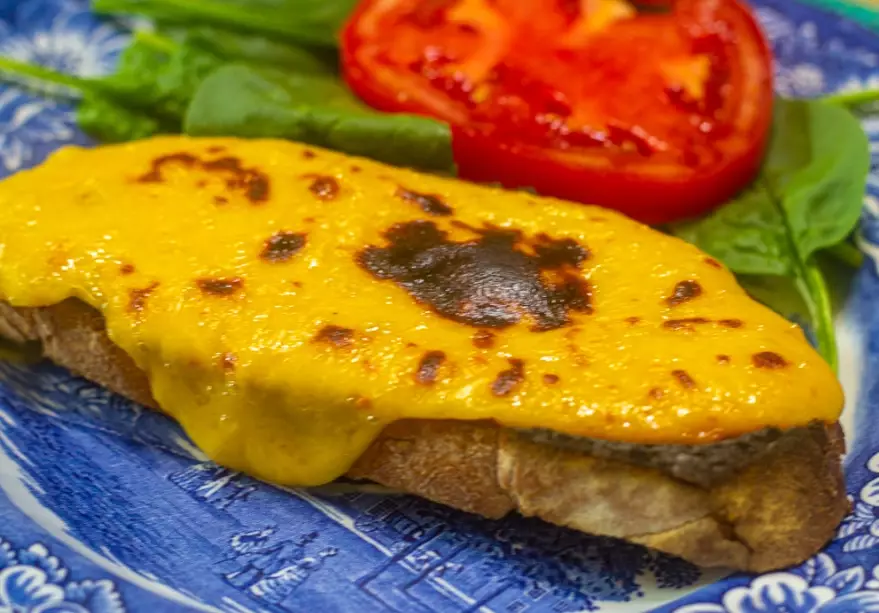
The Core of Any Great Welsh Rarebit Recipe: The Cheese
This is the make-or-break ingredient. You can’t make a great rarebit with bland, rubbery cheese. You need a cheese with character, one that melts well but also brings flavor to the party.
- The Champion: Mature Cheddar. This is the undisputed king for a traditional Welsh rarebit. You want something aged for at least 12 months, preferably 18 or more. The sharper, nuttier, and more crystalline it is, the better. A good West Country Farmhouse Cheddar or a similar artisanal variety is ideal. The flavor is non-negotiable.
- The Contender: Caerphilly. For a more authentically Welsh angle, some recipes call for Caerphilly, a crumbly, slightly tangy white cheese from Wales. It’s milder than a mature cheddar, so you might want to mix it with a stronger cheese or ramp up the mustard and Worcestershire.
- The Rule: Always grate your own cheese. Pre-grated cheese is coated in anti-caking agents (like cellulose) that can make your sauce grainy and prevent it from melting smoothly. Take the extra two minutes – it’s worth it.
I made the mistake of using a mild, supermarket cheddar once. The result was so underwhelming it was almost white in color and tasted of nothing. A lesson learned the hard way.
The Ultimate, Foolproof Traditional Welsh Rarebit Recipe
Alright, let’s get to the main event. This is my go-to, no-fail Welsh rarebit recipe that balances tradition with practical, home-cook wisdom. It serves two generously, or four as a lighter snack.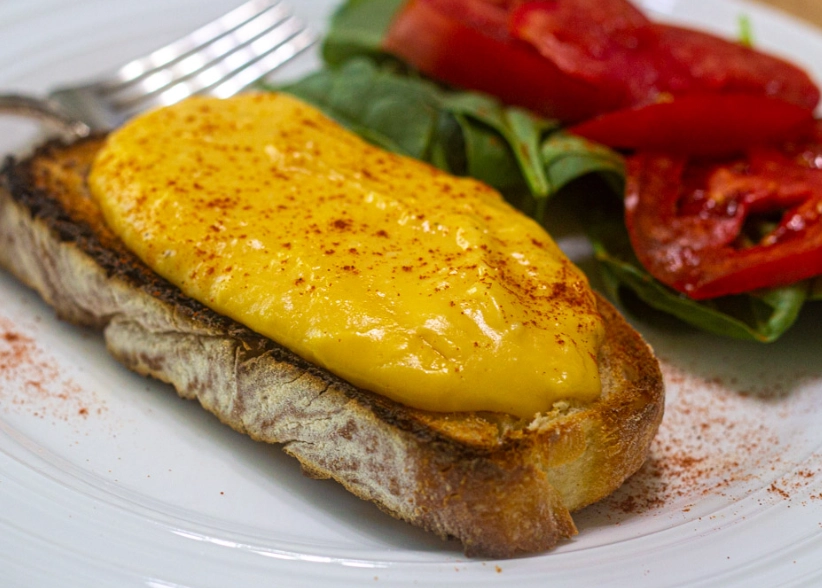
Ingredients You’ll Need:
- For the rarebit sauce:
- 200g (about 2 cups) coarsely grated mature cheddar cheese (see note above)
- 1 tablespoon unsalted butter
- 1 tablespoon plain (all-purpose) flour
- 80ml (⅓ cup) brown ale, stout, or porter (like Newcastle Brown Ale or Guinness) – milk can be a non-alcoholic substitute
- 1 teaspoon English mustard (the prepared kind, like Colman’s, or ½ tsp dry mustard powder)
- 1 tablespoon Worcestershire sauce (Lea & Perrins is the classic)
- A good pinch of cayenne pepper or a few dashes of hot sauce (like Tabasco)
- Freshly ground black pepper
- 1 egg yolk (optional, but adds fantastic richness and helps stabilize the sauce)
- To serve:
- 4 thick slices of good-quality bread (sourdough, a sturdy farmhouse loaf, or rye work brilliantly)
- Butter for toasting
Step-by-Step Method:
1. Make the Roux Base: This is the secret to a smooth, non-greasy sauce. Melt the butter in a small saucepan over medium-low heat. Don’t let it brown. Stir in the flour and cook, stirring constantly, for about 2 minutes. You’re making a “blond roux” – it should smell nutty but not look colored. This cooks out the raw flour taste and is the thickening agent.
2. Create the Sauce: Very gradually, whisk in the ale. Go slow to avoid lumps – add a splash, whisk until smooth, then add more. Keep whisking over medium heat until the mixture thickens to a paste-like consistency. This only takes a minute or two.
3. Flavor It Up: Remove the pan from the heat. Now, stir in the mustard, Worcestershire sauce, cayenne, and a good grind of black pepper. Taste it already – it should be intensely savory. Let this mixture cool for a minute or two. If you’re using the egg yolk, whisk it in now. Important: Letting the base cool slightly before adding cheese prevents the fat from separating.
4. Cheese Time: Now, stir in the grated cheese until it’s all melted and you have a thick, spoonable, homogeneous mixture. It will look glorious. If it seems too thick, add a tiny splash more ale or milk. It should be thick enough to mound on a spoon. Set aside. You can make this sauce ahead of time and keep it covered in the fridge for a day.
5. Prepare the Toast: Toast your bread on one side only under a preheated grill (broiler). Then, flip it over and lightly butter the untoasted side. This creates a barrier that helps prevent the bread from getting soggy under the heavy sauce.
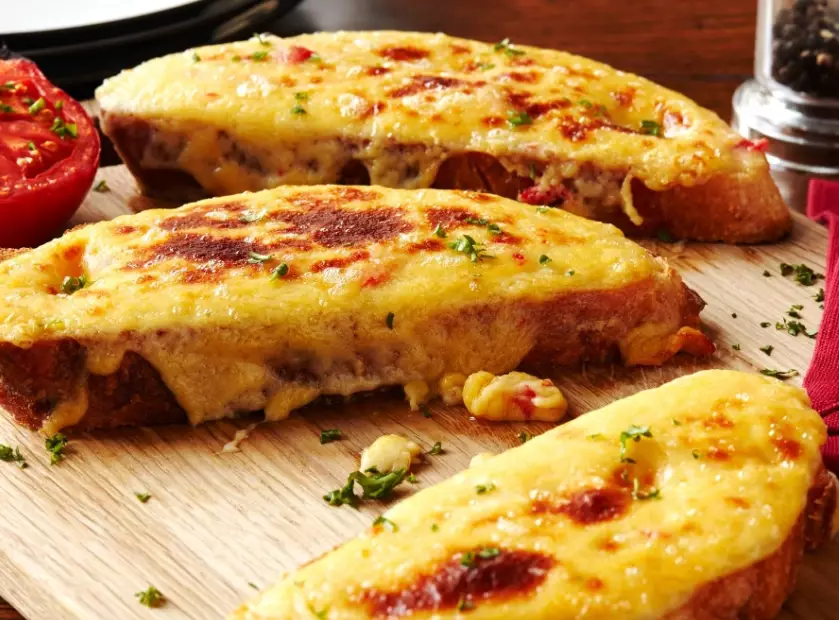
6. Assemble and Grill: Pile the cheese sauce generously onto the buttered side of the toast, spreading it right to the edges. Some people like to make a little well in the center to hold an egg yolk (a variant called “Buck Rarebit”), but the classic is just the sauce. Place under a hot grill (broiler) and watch it like a hawk. It will bubble, puff up, and turn a beautiful, deep golden brown with darker spots. This usually takes 3-5 minutes depending on your grill’s ferocity.
7. Serve Immediately: Get it to the table fast, while it’s blisteringly hot, puffed up, and aromatic. A simple green salad with a sharp vinaigrette on the side is the perfect contrast to cut through the richness.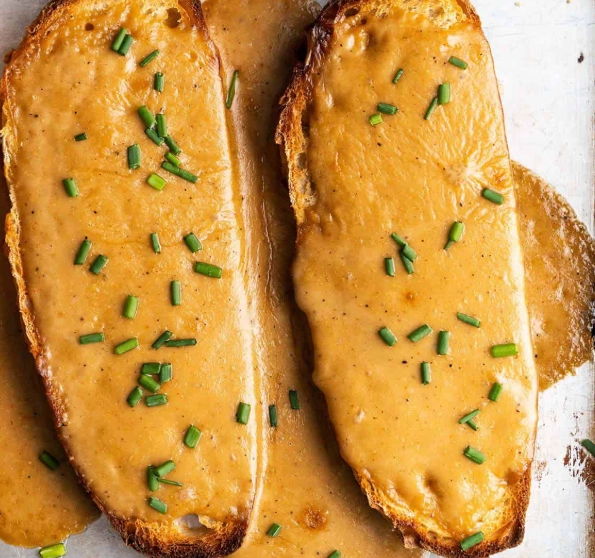
Pro Tip/Warning: Do not walk away from the grill! The line between perfectly bronzed and incinerated is very, very thin. I’ve learned this through tragic, smoky experience.
Leveling Up Your Welsh Rarebit: Variations & Twists
The basic easy Welsh rarebit recipe is a masterpiece, but cooks love to tinker. Here are some fantastic variations that still respect the soul of the dish.
- The “Buck Rarebit”: As mentioned, this involves making a small well in the sauce before grilling and dropping a fresh egg yolk into it. The yolk stays runny and mixes with the sauce when you cut into it. Sublime.
- The “Scottish Rarebit”: Adds a whisper of Scotch whisky to the sauce along with the ale. It adds a smoky, peaty note that works amazingly well with the cheese.
- The “Mustard & Ale” Boost: For real mustard lovers, use a combination of English mustard and a teaspoon of whole grain mustard for texture and extra punch.
- The “Leek & Bacon” Version: Sauté some finely chopped leeks and crispy bacon lardons, then mix them into the cheese sauce before spreading. This is a heartier, meal-in-itself version.
- For a Non-Alcoholic Version: Simply replace the ale with an equal amount of whole milk. The flavor will be milder and creamier, but still delicious. You might want a touch more mustard to compensate.
Essential Tools & Ingredients Checklist
You don’t need fancy gear, but a few things make the process smoother.
| Tool/Ingredient | Why It’s Important | Budget-Friendly Alternative |
|---|---|---|
| Box Grater | For grating your own cheese to the perfect consistency. The larger holes are best. | A food processor with a grating disk, or just buy a block and grate patiently. |
| Heavy-Based Small Saucepan | Distributes heat evenly, preventing the roux and sauce from burning on the bottom. | Any small saucepan, but keep the heat lower and stir constantly. |
| Balloon Whisk | Essential for creating a lump-free sauce when adding the liquid to the roux. | A fork can work in a pinch, but you’ll need to whisk vigorously. |
| Sturdy Bread (like Sourdough) | Holds up under the weight of the sauce without turning to mush. | Any thick-sliced bread you have, but toast it well first. |
| Mature Cheddar Cheese | The flavor foundation. Don’t compromise here. | The strongest, most flavorful hard cheese you can find/afford. Even a mix of a standard cheddar with a small amount of a very strong blue cheese can work wonders. |
| Brown Ale or Stout | Adds the characteristic malty, bitter depth. | Any dark beer you have, or milk (see non-alc version above). |
Answering Your Welsh Rarebit Questions (FAQs)
I get asked these all the time. Let’s clear the air.
The Science of the Perfect Sauce (Why This Method Works)
It’s not just throwing things in a pan. There’s a little kitchen science that guarantees success.
The Roux: Cooking the flour in butter coats the starch granules in fat, preventing them from clumping together when liquid is added. This allows them to swell and thicken the liquid evenly, creating a smooth base (a béchamel, essentially) for the cheese.
The Cheese Melt: Adding cheese to a slightly cooled base prevents the proteins from seizing up and the fats from separating (breaking). Gentle, off-heat melting keeps the emulsion stable. The starch from the roux also helps bind the fat and water in the cheese together.
The Grill Finish: The intense, direct heat of the grill does two things. First, it rapidly sets the surface, creating that delightful crust through the Maillard reaction (browning). Second, it heats the air and moisture trapped inside, causing the sauce to puff up dramatically. It’s a beautiful thing to watch.
Serving Suggestions: What to Eat With Your Rarebit
While it’s magnificent alone, a few accompaniments can turn it into a proper meal.
- The Classic Pub Style: A huge, steaming portion of Welsh rarebit with a pile of crispy, skin-on chips (fries) and a big dollop of tangy, homemade piccalilli or Branston pickle. The sweet-sour crunch of the pickle is a match made in heaven.
- The Lighter Lunch: A simple, bitter leaf salad with a sharp vinaigrette (think endive, radicchio, or rocket/arugula). The acidity cuts through the fat perfectly.
- The Brunch Hero: Serve alongside poached eggs, roasted tomatoes, and sautéed mushrooms. The runny egg yolk mixed with the rarebit is next-level good.
- The Soup’s Best Friend: A bowl of creamy tomato soup or a hearty leek and potato soup with a slice of rarebit on the side for dipping. Ultimate comfort food combo.
I sometimes just have it with a simple tomato and cucumber salad on a hot day. The cool, fresh veggies are the perfect counterpoint.
Finding Authentic Ingredients & Learning More
To really dive deep, it helps to understand the components. For the definitive history of British dishes like this, the BBC Food website is an incredible resource, with recipes and historical notes from trusted chefs. If you’re curious about the specific qualities of traditional British cheeses like Cheddar or Caerphilly, the British Cheese Board’s website offers fantastic detail on varieties, production, and flavor profiles. And for safe food handling, especially when using raw egg yolks in variations, always refer to guidelines from authorities like the UK Food Standards Agency.
So there you have it. Far more than just a simple easy Welsh rarebit recipe, this is a guide to understanding and mastering a classic. It’s forgiving, open to interpretation, and endlessly rewarding. The next time you crave the ultimate cheesy, comforting treat, skip the basic cheese slice. Take those few extra minutes to make a proper rarebit. Your taste buds will thank you, and you’ll never look at a piece of toast the same way again.
Go on, give it a try. And don’t forget to watch that grill.