Let's be honest. Scrolling through pictures of vibrant curries and fluffy naan can make you want to cook Indian food immediately. Then you see the list of spices and think, "Maybe another day." I get it. I burned my first pot of rice and turned a curry into a spice bomb. But after a decade of cooking, teaching, and eating my way through this cuisine, I've learned it's not about having every spice. It's about mastering a few key techniques and recipes that build confidence. This guide cuts through the noise. We'll focus on three foundational Indian cuisine recipes that teach you the core principles. You'll learn how to build flavor, handle spices, and avoid the common pitfalls that trip up most beginners.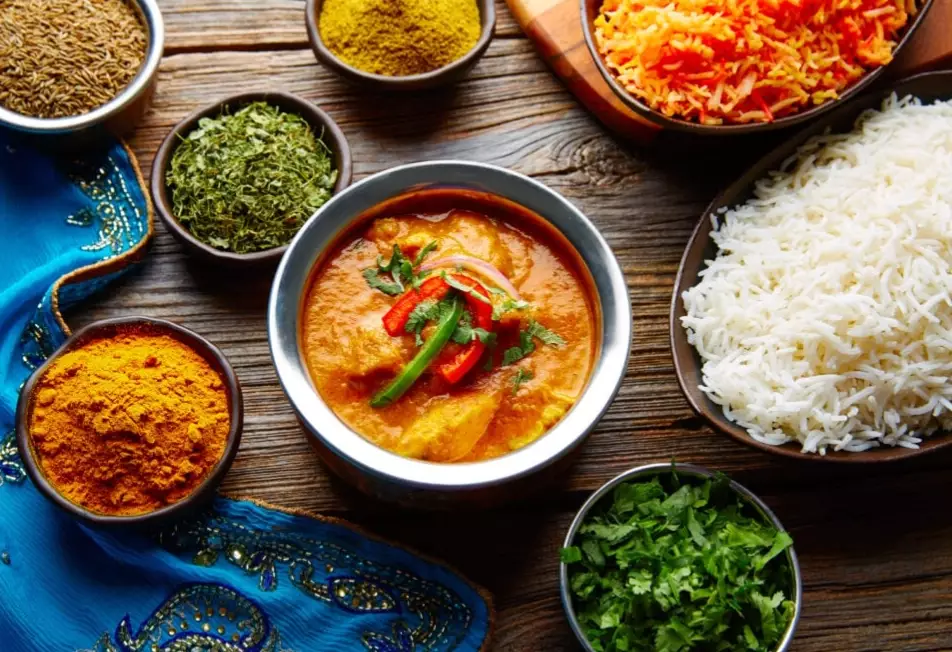
Your Quick Roadmap to Indian Cooking Success
The Truth About Indian Spices: Your Starter Kit
You don't need a cabinet full of jars. You need about six. The biggest mistake I see? People use pre-ground spices that have been sitting for years. The flavor is gone. Start whole where you can.
Here's your non-negotiable starter list:
| Spice | Form to Buy | Its Main Job | A Quick Tip |
|---|---|---|---|
| Cumin | Seeds | Earthy, warm base note | Toast whole seeds in a dry pan until fragrant, then grind. |
| Coriander | Seeds | Citrusy, floral brightness | Often used with cumin. Toast and grind together. |
| Turmeric | Ground | Color, earthy flavor, health benefits | Add early in cooking. It can stain, so be careful. |
| Garam Masala | Ground blend | Warming, complex finish | Add in the last 5 minutes of cooking. Don't fry it like other spices. |
| Red Chili Powder (Kashmiri) | Ground | Color and mild heat | Kashmiri chili gives great color without brutal heat. Cayenne is a hotter substitute. |
| Mustard Seeds | Seeds (black or yellow) | Nutty pop, tempering agent | They'll pop in hot oil like popcorn. Have a lid ready. |
See? Not so scary. Store these in a cool, dark place. A mortar and pestle or a cheap coffee grinder dedicated to spices is your best friend for grinding toasted seeds. The flavor difference is night and day compared to pre-ground.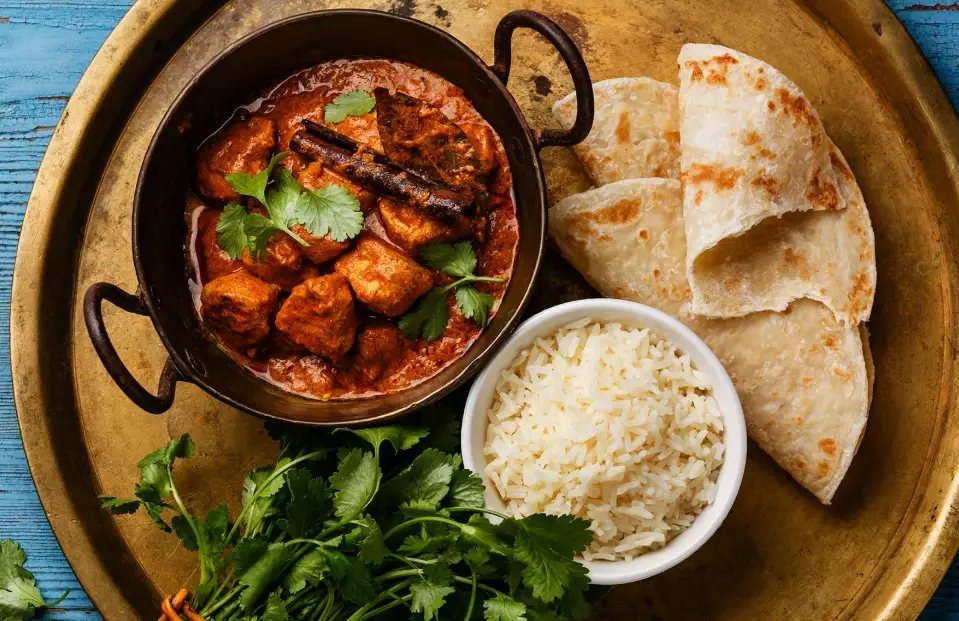
How to Make Perfect Basmati Rice Every Time
It's the pillar of the meal, yet so many get it wrong. Mushy, sticky, or undercooked. Let's fix that. Perfect basmati rice is separate, fluffy, and fragrant.
Foolproof Basmati Rice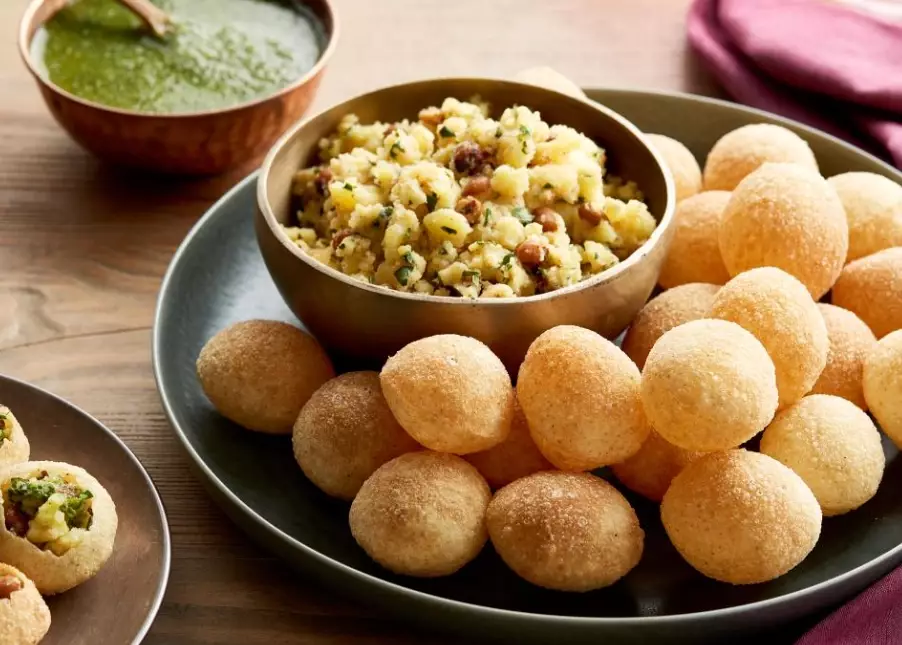
The Secret: The absorption method with precise ratios and a good soak.
What You'll Need:
- 1 cup basmati rice
- 1.5 cups water
- 1 tbsp ghee or neutral oil (butter works too)
- ½ tsp salt
- Optional: 1 bay leaf, 2-3 green cardamom pods, 1 cinnamon stick
Steps:
- Wash and Soak: Rinse the rice in a bowl under cold water until the water runs mostly clear. This removes excess starch. Then, cover with fresh water and let it soak for 20-30 minutes. Drain completely. This soaking step is non-negotiable for long grains.
- Toast the Rice: In a heavy-bottomed pot with a tight-fitting lid, heat the ghee over medium heat. Add any whole spices (bay leaf, etc.) for 30 seconds. Add the drained rice and gently stir for 2 minutes until the grains look translucent at the edges and smell nutty.
- Add Water and Cook: Pour in the 1.5 cups of water and add the salt. Bring to a boil. Once boiling, immediately reduce the heat to the lowest possible setting. Cover tightly with the lid. Set a timer for 15 minutes. Do not peek.
- Rest: After 15 minutes, turn off the heat. Let the pot sit, covered and undisturbed, for another 10 minutes. This finishing step allows the steam to evenly finish cooking every grain.
- Fluff and Serve: Remove the lid, fluff the rice gently with a fork. You'll see separate, perfectly cooked grains.
Authentic Chicken Tikka Masala: A Step-by-Step Breakdown
This is the gateway dish. Creamy, tangy, and rich. Most recipes overcomplicate it. The core is in two parts: the marinated chicken (tikka) and the sauce (masala).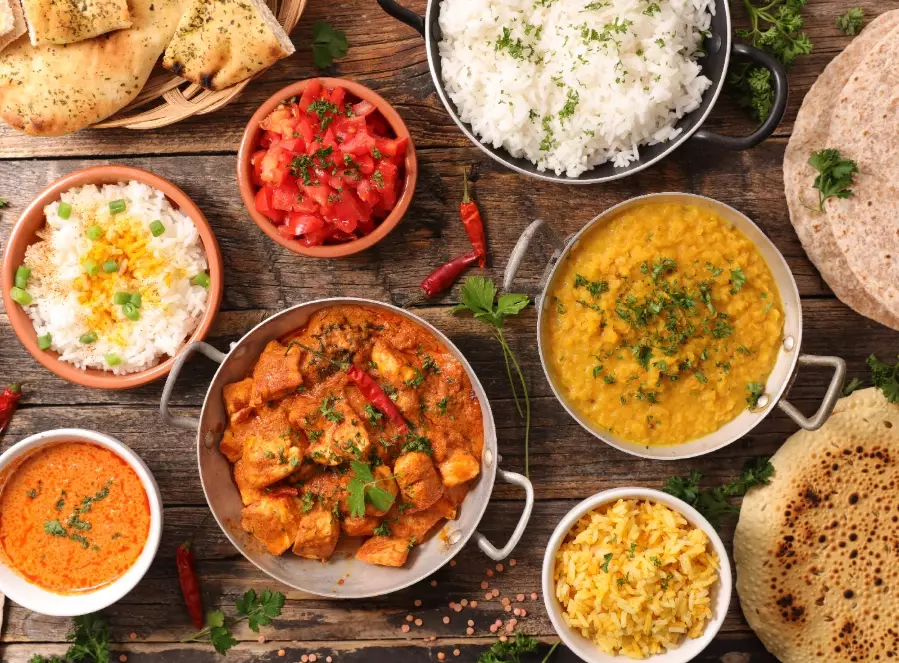
Chicken Tikka Masala (Simplified & Authentic)
Part 1: The Chicken Tikka (Marinate & Cook)
- 1.5 lbs (700g) boneless chicken thighs, cut into 1.5-inch chunks
- ½ cup plain, full-fat yogurt
- 1 tbsp ginger-garlic paste (or 1.5 tbsp each freshly grated)
- 1 tbsp lemon juice
- 1 tsp Kashmiri red chili powder
- 1 tsp ground cumin
- 1 tsp ground coriander
- ½ tsp turmeric
- 1 tsp salt
- 2 tbsp oil
Steps: Mix all marinade ingredients in a bowl. Add chicken, coat well. Cover and refrigerate for at least 2 hours, ideally 4-6. Overnight is great. You can either thread onto skewers and grill/broil (authentic) OR, for ease, pan-sear in a hot skillet with a little oil until charred and cooked through (about 8-10 minutes). Set aside.
Part 2: The Masala Sauce
- 2 tbsp ghee or butter
- 1 large onion, finely chopped
- 1 tbsp ginger-garlic paste
- 1.5 tsp ground cumin
- 1.5 tsp ground coriander
- 1 tsp Kashmiri red chili powder
- ½ tsp turmeric
- 1.5 cups tomato puree (passata) or crushed tomatoes (NOT pasta sauce)
- 1 tsp salt (adjust later)
- 1 cup heavy cream or full-fat coconut milk for dairy-free
- 1 tsp garam masala
- 1 tsp dried fenugreek leaves (kasuri methi), crushed (optional but highly recommended)
- Fresh cilantro to garnish
Steps:
- Heat ghee in a large pan over medium heat. Add the onions and cook, stirring often, until they turn a deep golden brown. This can take 15-20 minutes. This caramelization is the base of your flavor. Don't rush it.
- Add ginger-garlic paste and cook for 1 minute until fragrant.
- Add all the ground spices (cumin, coriander, chili, turmeric). Stir for 30 seconds to "bloom" them in the fat.
- Pour in the tomato puree. It will splutter. Add the salt. Cook, stirring occasionally, until the tomato mixture thickens and the oil starts to separate from the sides. This is another critical point—you're cooking down the raw tomato taste.
- Reduce heat to low. Stir in the heavy cream or coconut milk. Add the cooked chicken tikka pieces. Simmer gently for 5-10 minutes to let flavors meld.
- Turn off the heat. Stir in the garam masala and crushed fenugreek leaves. Taste and adjust salt. Garnish with cilantro. Serve with your perfect basmati rice.
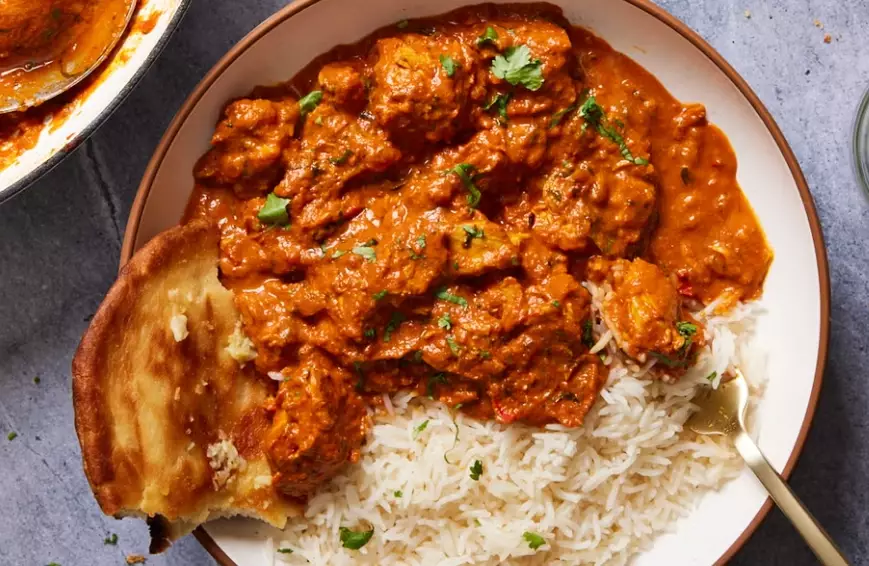 Why this works? The double layering of spices (in marinade and sauce), the patient onion cooking, and adding garam masala at the end. That final touch makes it sing.
Simple Yet Flavorful Lentil Dal (The Ultimate Comfort Food)
If you master one vegetarian Indian dish, make it dal. It's hearty, nutritious, and endlessly variable. We'll do a classic yellow dal (using split pigeon peas or red lentils). The magic is in the final "tadka"—a sizzling oil infusion poured on top.
Everyday Yellow Dal (Tadka Dal)
For the Dal:
- 1 cup yellow split pigeon peas (toor dal) or red lentils (masoor dal)
- 3 cups water
- ½ tsp turmeric
- 1 tsp salt
- 1 medium tomato, chopped (optional)
For the Tadka (Tempering):
- 2 tbsp ghee or oil
- 1 tsp cumin seeds
- 1 tsp mustard seeds
- 1-2 dried red chilies
- 1 small onion, finely chopped
- 3-4 garlic cloves, thinly sliced
- Pinch of asafoetida (hing) - optional but traditional
- Few curry leaves (if you have them)
Steps:
- Rinse the lentils until water runs clear. In a pot, combine lentils, 3 cups water, and turmeric. Bring to a boil, skimming off any foam. Reduce heat, partially cover, and simmer for 25-30 minutes (20 for red lentils) until very soft and mushy. Stir occasionally. Add the tomato and salt in the last 10 minutes. Mash lightly with the back of a spoon. The consistency should be like a thick soup. Add more hot water if needed.
- While the dal cooks, prepare the tadka. In a small saucepan, heat the ghee over medium-high heat. Once hot, add the cumin and mustard seeds. They will sizzle and pop. Have a lid handy.
- Quickly add the dried chilies, then the onion. Fry until the onion edges brown.
- Add the garlic slices, asafoetida, and curry leaves. Fry for another 30-60 seconds until the garlic is golden but not burnt. The aroma will be incredible.
- Immediately pour this entire sizzling oil-and-spice mixture over the cooked dal. It will sizzle dramatically. Stir it in.
- Cover the dal and let it sit for 5 minutes so the flavors infuse. Serve hot with rice or bread.
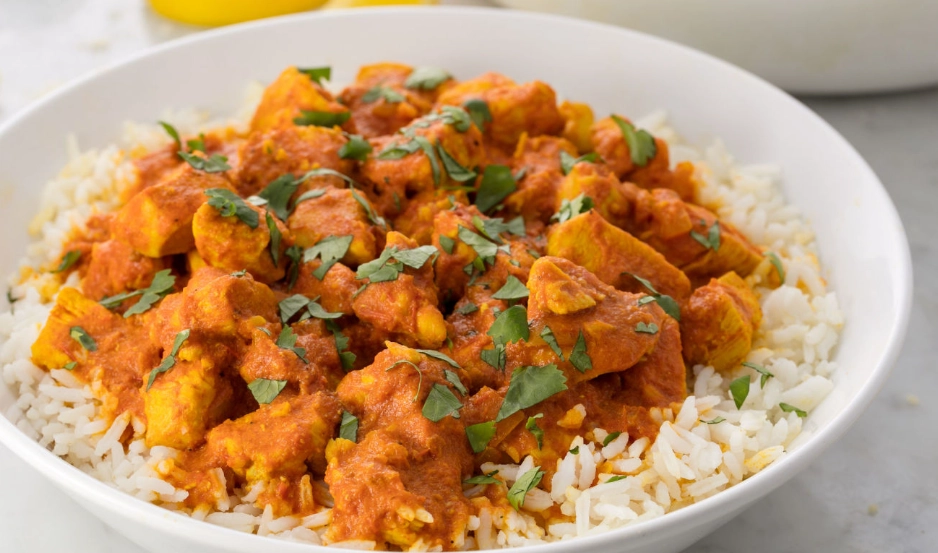 This dal is a lesson in layering. The lentils provide the body, the tadka provides the explosive aroma and texture. It's a technique used across countless Indian dishes.
Answers to Your Burning Indian Cooking Questions
 My garam masala smells bitter in the dish. What am I doing wrong?