Let's be honest. You've found a promising Indian recipe online, your mouth is watering at the photos, but then you scroll down the ingredient list. Cumin seeds, coriander powder, turmeric, garam masala, kasuri methi... your enthusiasm hits a wall. Is this a recipe or a scavenger hunt? I've been there. My first attempt at a proper curry involved using 'curry powder' for everything, and the result was, well, one-note and frankly, a bit sad. The magic of Indian cooking isn't about a single 'curry' flavor; it's a layered symphony built from individual, whole spices. This guide is your backstage pass.
What's Cooking in This Guide?
What Are the Non-Negotiable Elements of an Indian Kitchen?
Forget buying twenty jars at once. Start with these five core players. Think of them as your primary colors; you can mix a vast spectrum of dishes from here.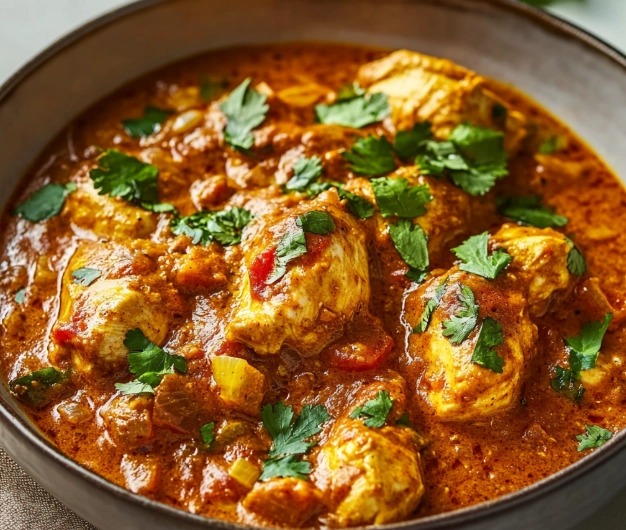
| Spice/Ingredient | Form to Buy | Its Role in the Flavor Orchestra |
|---|---|---|
| Cumin (Jeera) | Seeds & Ground Powder | The warm, earthy, slightly nutty base note. It's the bassline. Toasting whole seeds is transformative. |
| Coriander (Dhania) | Ground Powder (seeds optional) | The citrusy, floral, sweet balancing act. It softens the heat and adds complexity. The most used powder. |
| Turmeric (Haldi) | Ground Powder | Earthy, pungent, and gives that iconic golden hue. It's not for color alone; it has a distinct, grounding flavor. |
| Garam Masala | Ready-made blend (or make your own) | The finishing spice blend (cardamom, cinnamon, cloves, etc.). Added at the END of cooking for aroma. Don't fry it for long. |
| Red Chili Powder | Ground Powder (Kashmiri for color, generic for heat) | Heat agent. Kashmiri chili powder gives vibrant red color with moderate heat—perfect for butter chicken. |
Pro-Tip from a Lot of Trial and Error: Buy whole cumin and coriander seeds if you can. A cheap coffee grinder dedicated to spices is a game-changer. The flavor of freshly ground coriander is brighter and more complex than any pre-ground powder that's been sitting on a shelf for months. The difference is not subtle.
How to Build Flavor Like a Pro: The ‘Tadka’ Technique
This is where the magic happens, and where most beginners quietly miss the mark. Tadka (or tempering) is the technique of frying whole spices in hot oil or ghee to release their essential oils before adding other ingredients. It’s the flavor foundation.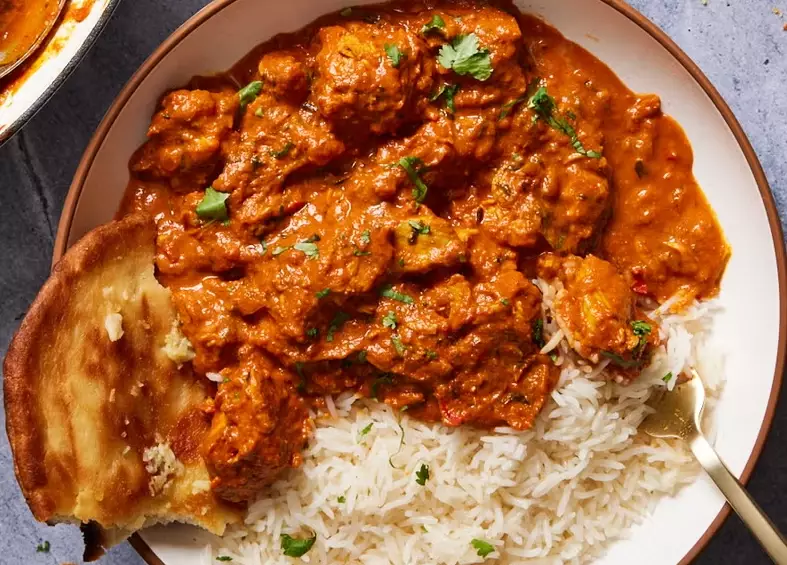
The Common Mistake: The Cold Oil Dump
You heat the oil, you throw in the cumin seeds along with your onions and garlic. Wrong. The onions release water, and the cumin seeds end up steaming rather than frying. You get the bitterness without the nutty aroma. It's a flat start.
The Right Way: Layered Sizzle
Heat your oil or ghee over medium heat until it shimmers. Drop in a cumin seed—if it sizzles immediately, you're ready. Add your whole spices (cumin, mustard seeds, dried chilies) and let them fry for 30-60 seconds until fragrant and the cumin darkens a shade. Then add your onions. This creates a flavor-infused oil that coats every ingredient that follows.
For a dal (lentil soup), the tadka is often done at the end and poured on top as a finishing touch—a burst of aroma that transforms simple lentils into something extraordinary.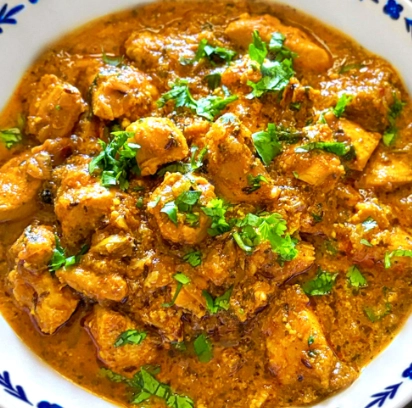
Project 1: The Restaurant-Style Butter Chicken You Can Actually Make
Let's apply this. Butter chicken (Murgh Makhani) seems complex, but it's just a sequence of simple steps. The key is the marinade and the slow cooking of the tomato base.
Part A: The Marinade (Do this first, 2+ hours, overnight is gold)
- 500g boneless chicken, cubed
- 1 cup plain yogurt (not Greek, too thick)
- 1 tbsp ginger-garlic paste (store-bought is fine, but fresh is better)
- 1 tbsp Kashmiri red chili powder (for color)
- 1 tsp turmeric powder
- 1 tsp garam masala
- 1 tsp salt
- 1 tbsp lemon juice
Mix it all, cover, and let the chicken soak up those flavors in the fridge.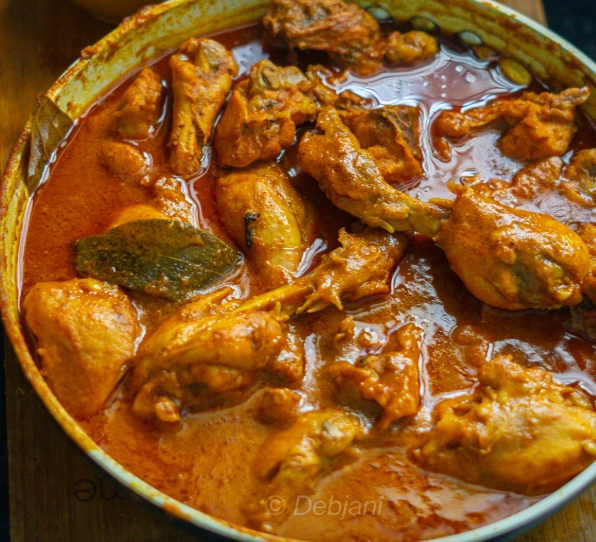
Part B: The Gravy & Assembly
- Cook the chicken: Grill, bake, or pan-sear the marinated pieces until just cooked. Set aside. Don't overcook here; they'll simmer in the gravy later.
- Start the tadka: In a heavy pot, heat 2 tbsp ghee or oil. Do the hot oil test. Add 1 tsp cumin seeds, let them sizzle for 30 seconds.
- Build the base: Add 1 large finely chopped onion. Cook on medium-low until deeply golden brown, about 15 minutes. This patience is non-negotiable for sweetness. Add 1 tbsp ginger-garlic paste, cook for 1 minute.
- Spice layer: Add 1 tsp coriander powder, ½ tsp turmeric. Stir for 30 seconds.
- Tomato foundation: Add 400g canned crushed tomatoes or 3-4 fresh blended. Cook, stirring often, until the oil starts to separate from the mixture—this can take 10-15 minutes. This step cooks out the raw tomato tang and concentrates flavor.
- Blend (optional but key for texture): Let it cool slightly, then blend smooth for that restaurant-style silky gravy.
- Final simmer: Return gravy to pot. Add 1 cup cream, 1 tsp dried fenugreek leaves (kasuri methi—crush between palms), 1 tsp sugar, salt to taste. Add the cooked chicken. Simmer gently for 10 minutes.
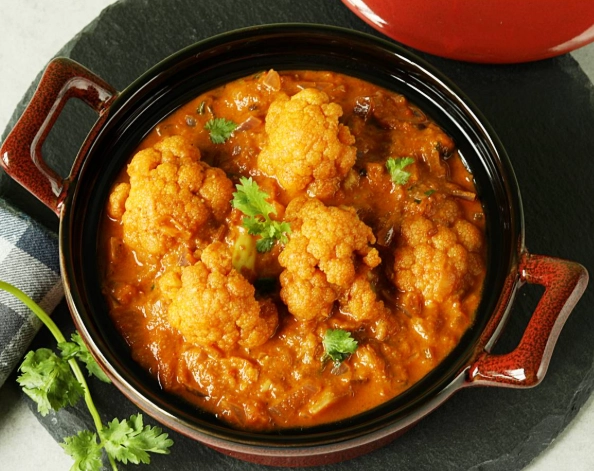
- The finish: Off heat, stir in 1 tsp garam masala and a knob of butter. Garnish with cilantro. Serve with naan or rice.
The ‘Ah-Ha’ Moment: The garam masala at the end. If you added it with the other ground spices in step 4, its delicate floral notes would have cooked off entirely. That final stir is what gives it the authentic, perfumed aroma that hits you when the dish is served.
Project 2: Dal Tadka - The Ultimate Comfort Food, Demystified
If butter chicken is the party, dal is the comforting home you return to. It's forgiving, nutritious, and a masterclass in the finishing tadka.
The Dal (Lentil) Base:
- 1 cup yellow split lentils (moong dal or toor dal), rinsed.
- 3 cups water, ½ tsp turmeric, 1 tsp salt.
- Pressure cook for 4-5 whistles or simmer in a pot for 45 mins until mushy. Mash lightly with a spoon.
The Transformative Finishing Tadka:
This is where a simple lentil soup becomes Dal Tadka. In a small pan, heat 2 tbsp ghee. Hot oil test. Then add in this order:
- 1 tsp cumin seeds - let sizzle.
- 2 dried red chilies, 1 sprig curry leaves (if you have them) - careful, they splutter.
- 1 medium onion, finely chopped - cook until translucent.
- 2 cloves garlic, minced - 30 seconds.
- 1 large tomato, chopped - cook until soft.
- ½ tsp red chili powder, ½ tsp coriander powder - stir for 15 seconds.
Immediately pour this entire sizzling, fragrant mixture into the pot of cooked lentils. Stir. Taste for salt. Garnish with cilantro. The hot ghee and spices bloom on contact with the dal, releasing an incredible aroma that fills your kitchen.
It's a different approach from the butter chicken—foundation tadka vs. finishing tadka—but the principle is the same: unlock the spices' full potential in fat.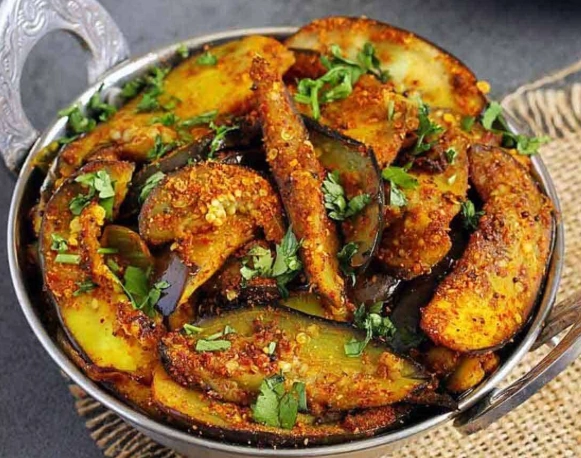
Your Indian Kitchen Questions, Answered
The journey into Indian recipes is a journey into understanding spices as individual voices, not just a monolithic 'curry' flavor. Start with your core five, master the tadka, and practice with these two foundational dishes. You'll stop following recipes rigidly and start understanding the language. That's when the real fun begins.